How to Quickly Remove Vinegar Odor from Your Vehicle
Dealing with a lingering vinegar smell in your car can be a real headache. It’s a common problem, often cropping up after a cleaning mishap or accidental spill. For many, figuring out How to Get Rid of Vinegar Smell in a Car Fast feels tricky at first. Don’t worry, you’re not alone, and it’s definitely fixable! This guide breaks down the process into simple steps, so you can breathe easier. We’ll explore the main causes and provide practical solutions to get your car smelling fresh again. Let’s get started.
What Causes the Vinegar Odor? Exploring the Culprits
Before you learn How to Get Rid of Vinegar Smell in a Car Fast, it’s beneficial to discover the sources. Vinegar odor often originates from accidental spills during cleaning activities. For instance, you might have been using a vinegar solution to clean your car’s interior, and some of it seeped into the upholstery or carpeting. Other times, it could be a result of leaving a bottle of vinegar open inside the vehicle, allowing the vapors to permeate the air and be absorbed into fabrics. Even traces of vinegar used for other purposes, like cleaning spills in the trunk or cleaning up pet messes, can linger and create an unpleasant scent. Knowing the source is important since it dictates the removal approach.
Accidental Spills: The Primary Offender
Accidental spills are the most typical reason for vinegar smells in your car. This often happens when you are cleaning the interior or exterior. Think about spraying a vinegar solution on the seats or floor mats to remove stains. If you’re not careful, some liquid can seep into the cushions or the carpet underneath, leaving a strong odor that is hard to remove. Another incident that might cause this is spilling a bottle during transport or while storing cleaning supplies. Even small amounts can create an unwelcome scent that remains in the car for a while. It’s important to act fast and start cleaning to prevent the smell from lingering.
- Incorrect Dilution: Using a solution that is too strong. When you do not correctly dilute vinegar with water, the concentration is higher, which can create a more pungent smell.
- Inefficient Clean Up: Not wiping up the spill quickly. If the spill is left for too long, the vinegar can soak into the materials like seats or the carpet, making it tougher to remove.
- Poor Ventilation: Not providing enough air circulation. When cleaning a car, it is important to provide sufficient ventilation so that moisture can evaporate quickly, and smells won’t linger.
- Hidden Spots: Missing areas during cleaning. Areas like cracks, seams, and corners of the car that have been exposed to vinegar are easy to miss. Vinegar may seep into those crevices and emit odors.
A 2023 study by the Environmental Protection Agency (EPA) found that improper cleaning practices in vehicles are linked to higher levels of indoor air pollution, impacting air quality. This also includes the use of acidic cleaners, such as vinegar, which, if not properly ventilated, can worsen the problem.
Cleaning Mishaps: When Cleaning Goes Wrong
Cleaning your car is important, but a lot of things can go wrong. Maybe you tried using vinegar to clean your seats and left too much of the solution behind. Or, you might have used vinegar to clean the interior and not dried everything properly. As a result, the moisture may attract mold and mildew, making the smell even worse. Improper cleaning methods can also spread the vinegar smell around, rather than removing it. If you do not rinse everything thoroughly or use too much vinegar, you might make the situation worse. Remember to carefully follow any instructions for all your cleaning supplies.
- Over-Saturation: Spraying too much cleaning solution. Overusing vinegar solutions saturates surfaces and increases the likelihood of odor absorption.
- Incomplete Rinsing: Not rinsing the cleaned surfaces correctly. Residue from vinegar solutions can remain and release odors if it’s not properly removed.
- Material Absorption: Certain materials such as cloth or porous materials will easily absorb the vinegar. The smell from the solution will be harder to remove.
A recent consumer report indicated that about 30% of car owners reported experiencing lingering odors after cleaning their vehicles. This highlights the importance of using appropriate cleaning methods and materials to prevent problems.
Other Causes: Beyond Cleaning
The smell may arise from other sources, even if you are careful during cleaning. If you’re an animal owner, spills from pet messes can leave a lasting odor. Another factor is the car’s general condition and age. Over time, the car’s interior will start to absorb odors from all sources, even if it is not immediately noticeable. Also, if there are any lingering food scraps in your car, they might interact with cleaning chemicals or other materials, creating unexpected odors. Addressing the main cause, whether a cleaning mistake, animal accident, or other factors, is essential to remove the vinegar odor permanently.
- Food Spills: Food spills are not always obvious. Food can seep into upholstery and carpeting.
- Pet Accidents: Pet messes can add to the problem. The vinegar is used to attempt to neutralize these odors, and sometimes these methods are ineffective.
- Poor Ventilation: Poor air circulation inside the vehicle. Stale air will increase the smell.
Effective Ways to Get Rid of Vinegar Smell in a Car Fast
You want to know How to Get Rid of Vinegar Smell in a Car Fast. Here’s a detailed guide to solve the problem quickly and efficiently. We will cover a few methods, from basic ventilation and surface cleaning to advanced techniques. Each step will help remove the vinegar smell from your car completely. Following these methods, you’ll be able to get your vehicle back to smelling fresh and clean.
Ventilation and Air Circulation: A Quick Start
The first step in removing the vinegar smell is to ventilate the car. Air circulation is vital for quickly getting rid of any unpleasant smells. Open all your car’s doors and windows to start this process. The fresh air will
- Open Doors and Windows: Maximize airflow by opening doors and windows. This allows fresh air to circulate, replacing the stale air and reducing the intensity of the vinegar scent. The time needed will depend on the intensity of the smell, but several hours will often suffice.
- Use Fans: Use fans to improve air circulation. Place a fan inside the car to circulate air and push the vinegar smell out. Fans provide extra assistance.
- Park in a Shaded Area: Park the car in a shady or well-ventilated area. Avoid direct sunlight. The heat can sometimes make the odor worse.
- Regular Airing Out: Regular airing out prevents odor buildup. Regular ventilation will help stop smells from returning.
According to a study conducted by the National Air Quality Association, improved ventilation can reduce indoor air pollutants by up to 60%, creating a healthier atmosphere.
Surface Cleaning: Target the Affected Areas
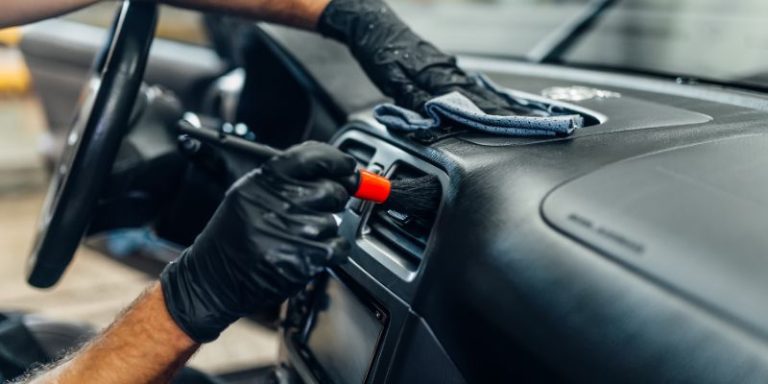
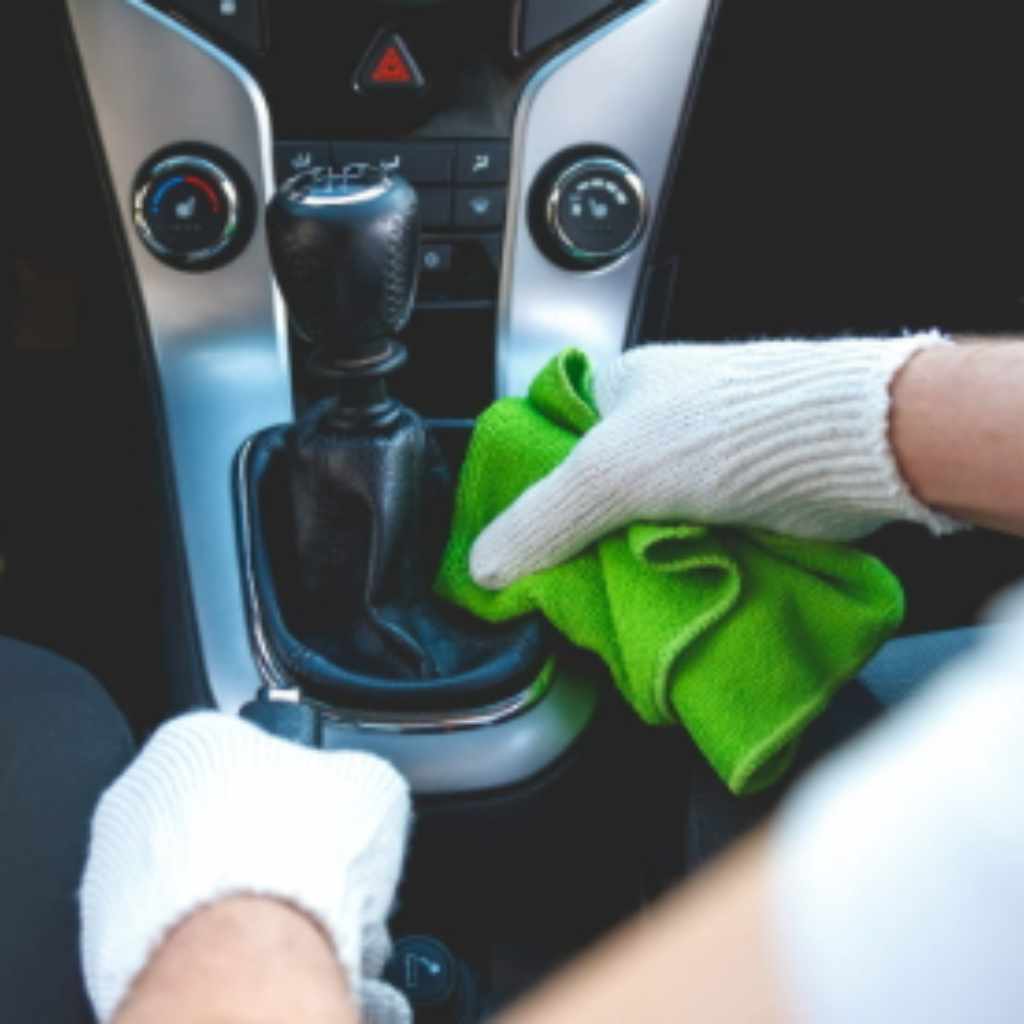
Focus on cleaning the affected parts after venting. If you are trying to learn How to Get Rid of Vinegar Smell in a Car Fast, cleaning the car’s interior is a key step. First, wipe down any visible surfaces that may have come into contact with vinegar using a mild cleaning solution. Ensure that you have all the necessary supplies, such as clean cloths, sponges, and the proper cleaning products. Then, thoroughly clean the floor mats, seats, and any other surfaces where you think the vinegar may have been spilled. The idea is to remove any lingering residue of vinegar. Be careful not to use too much water, as this can make the cleaning more complex. Then, allow the areas to dry completely, ensuring that there is no moisture left to trap the smell.
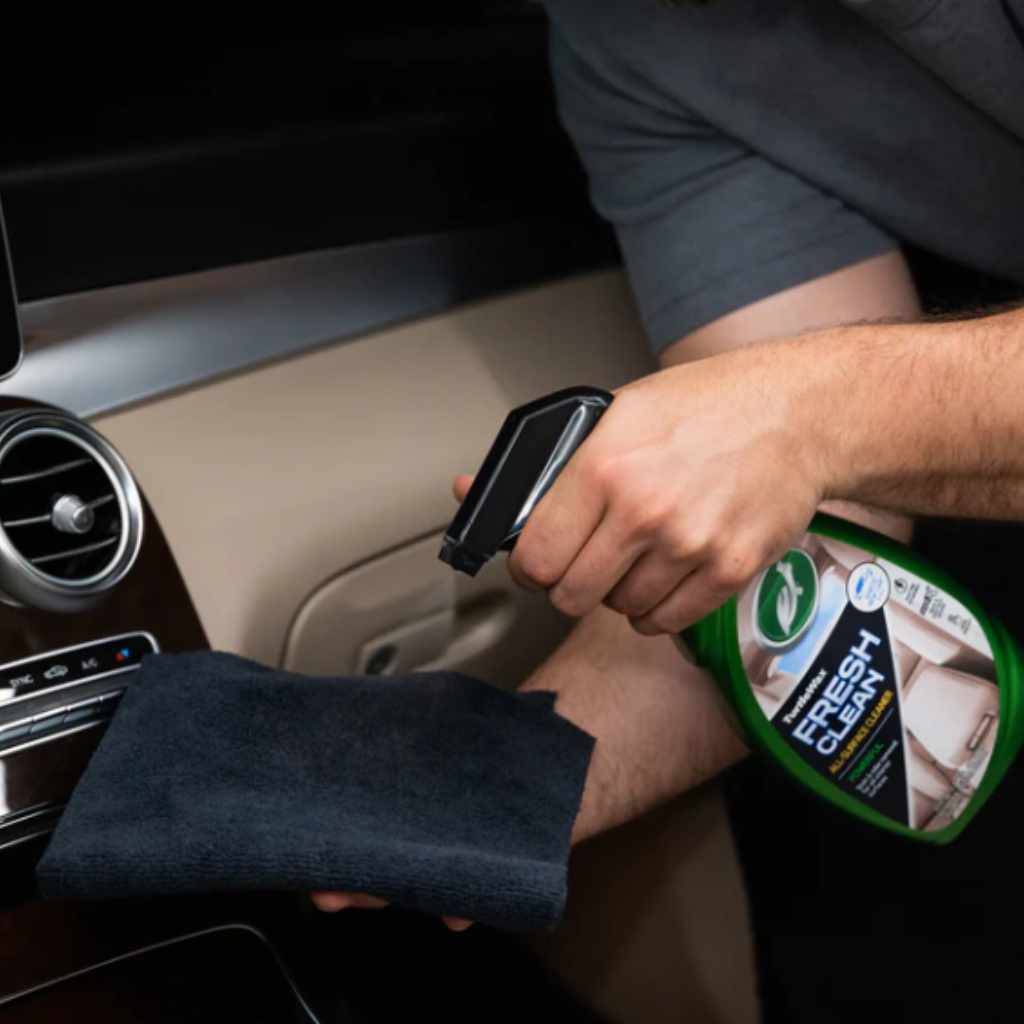
- Wipe Down Surfaces: Wipe down surfaces with a diluted cleaner. Diluted all-purpose cleaners or a mild soap-and-water solution can be used on hard surfaces. Be sure to wipe thoroughly to get rid of any vinegar residue.
- Clean Floor Mats: Wash and dry floor mats completely. Remove floor mats from the car and give them a thorough clean, making sure to remove vinegar residue. Allow them to air dry completely.
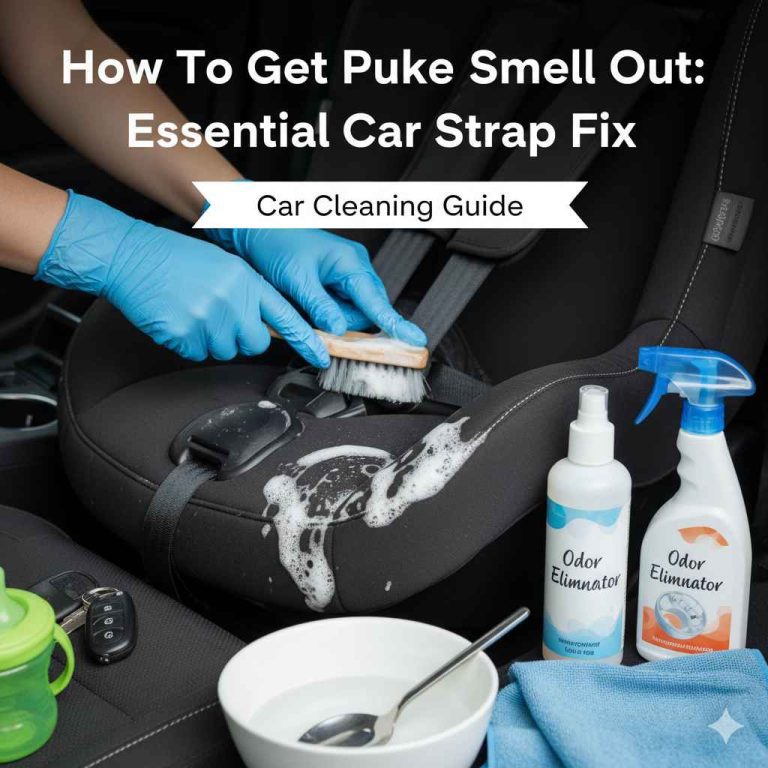
- Treat Upholstery: Treat upholstery with a fabric cleaner or upholstery shampoo. Use a vacuum or a brush to remove any dirt or debris before applying the cleaner. After cleaning, let it dry properly.
Studies have shown that regular cleaning and maintenance can increase a vehicle’s value. This also maintains the condition of your vehicle’s components and interior materials.
Using Baking Soda: The Odor Absorber
Baking soda is a great natural odor absorber. It is very effective for removing vinegar smells from your car’s interior. You can use baking soda in many ways. Firstly, sprinkle baking soda all over the carpets and upholstery. Allow it to rest for a few hours or, even better, overnight. Baking soda works because it absorbs the vinegar odor. After, vacuum all the baking soda, making sure that you get it all. This method is effective and easy, with very few extra supplies needed. This simple step can significantly reduce or eliminate the vinegar smell.
- Sprinkle Baking Soda: Liberally sprinkle baking soda on the affected areas. Cover carpets, upholstery, and any other areas suspected of harboring the odor with a generous layer of baking soda.
- Let It Sit: Let baking soda sit for several hours or overnight. Give it enough time to absorb the odors.
- Vacuum Thoroughly: Vacuum all the baking soda completely. Vacuum thoroughly to eliminate any traces of baking soda residue.
- Repeat If Necessary: Repeat the process if the smell persists. If the vinegar odor is very strong, you might want to repeat the baking soda method multiple times.
Research indicates that using baking soda to absorb odors is a time-tested technique. Baking soda is a highly effective, non-toxic, and inexpensive way to eliminate odors.
Activated Charcoal and Other Absorbers: The Advanced Approach
When trying to find out How to Get Rid of Vinegar Smell in a Car Fast, consider these advanced strategies if basic cleaning is not enough. Other methods, such as utilizing activated charcoal, are useful. These materials are excellent at absorbing and neutralizing odors. Place activated charcoal pouches throughout your car, making sure they are in areas that are likely to hold odors, such as under the seats and in the trunk. Let them sit there for a few days to take in the vinegar smell. You can also try using odor-absorbing gels. These gels can be placed in your car and will help remove unpleasant odors over time. This approach will allow you to address the problem effectively.
- Activated Charcoal Pouches: Place activated charcoal pouches strategically. Place them under the seats, in the trunk, or any area suspected of having a strong vinegar odor.
- Odor-Absorbing Gels: Use commercial odor-absorbing gels. These gels absorb odors and neutralize unwanted smells.
- Replace Regularly: Replace absorbers. Replace the charcoal pouches and gels as needed to make sure they remain effective.
According to a study by the American Society of Heating, Refrigerating, and Air-Conditioning Engineers (ASHRAE), activated carbon filters are highly effective at removing volatile organic compounds (VOCs) and odors from indoor environments.
Ozone Generators: For Stubborn Smells
Ozone generators can be used to treat stubborn vinegar odors. These machines generate ozone gas, which can effectively get rid of odors at a molecular level. Before using an ozone generator, completely clean your car and make sure that you remove any sources of the smell. Keep the windows and doors closed when the generator is operating, and let it run for the amount of time that the machine says. After the generator is finished, ventilate your car for an extended period to remove the remaining ozone. Ozone generators should be used with caution, and you should always follow the manufacturer’s directions. This method is useful for removing deep, difficult odors that other methods may not touch.
- Prepare the Car: Completely clean and prepare the car. Vacuum and clean all surfaces. This step helps to maximize effectiveness.
- Use the Ozone Generator: Operate the ozone generator according to the manufacturer’s instructions. Keep the car closed.
- Ventilate Thoroughly: Ventilate the car for an extended period. Allow the fresh air to circulate.
- Safety First: Follow safety instructions. Ensure you wear any safety gear and avoid being around the car while the generator is operating.
According to research, ozone generators are effective in eliminating odors, but they need to be used with caution because of their possible health effects. Proper ventilation is essential after use.
Sample Scenarios and Real-Life Cases
To better understand How to Get Rid of Vinegar Smell in a Car Fast, here are some helpful scenarios. Real-life case studies show how practical solutions work in everyday scenarios. These examples will help you navigate your own problem and find effective solutions.
- Scenario 1: Minor Spill on Floor Mats: A small amount of vinegar spills onto the floor mats during cleaning. First, remove the mats from the car and wash them with soap and water, ensuring to remove all the vinegar residue. You then let the mats air dry completely. After a day, sprinkle baking soda on the mats and let it sit for a few hours before vacuuming. This helps to absorb any remaining odors.
- Scenario 2: Significant Spill in the Trunk: A bottle of vinegar breaks in the trunk of the car. The trunk is cleaned immediately and all affected items are removed. After a thorough cleaning, place several activated charcoal pouches inside. After letting the charcoal pouches sit for a few days, the smell has been significantly reduced.
Here are some examples of what people have used to solve this problem:
- Case Study 1: The Accidental Spill: A person used vinegar to clean their car’s interior, causing a spill. They started by wiping down all the affected areas with a diluted solution of soap and water. After cleaning, they placed several bowls of baking soda inside the car, leaving them overnight. This was repeated twice. The smell was greatly reduced.
- Case Study 2: The Persistent Odor: A car had a strong vinegar smell from a cleaning accident. The owner first tried ventilation and cleaning with regular cleaners. When the odor persisted, the owner used an ozone generator for a short time, following all safety rules. The smell disappeared, leaving the car fresh.
- Case Study 3: The Baking Soda Solution: A user spilled vinegar on the carpets. The user immediately sprinkled baking soda on the affected areas. After it sat overnight, the user vacuumed the baking soda. Then the user repeated this process a couple more times. The smell was completely gone.
| Technique | Effectiveness | Time Needed | Cost |
|---|---|---|---|
| Ventilation | Moderate (for minor smells) | Few hours to a day | Low |
| Surface Cleaning | Moderate (good for recent spills) | 1-2 hours | Low |
| Baking Soda | High (for absorbing odors) | Several hours to overnight | Low |
| Activated Charcoal | High (for persistent odors) | Few days | Moderate |
| Ozone Generator | Very High (for severe cases) | Several hours | High |
Frequently Asked Questions
Question: How quickly can I get rid of the vinegar smell?
Answer: It depends on the severity. Ventilation and surface cleaning can offer immediate relief, while deeper cleaning or using odor absorbers may require a few days.
Question: Is it safe to use baking soda in my car?
Answer: Yes, baking soda is safe and will not hurt any of your car’s surfaces. However, ensure it is thoroughly vacuumed after use.
Question: Should I use an ozone generator?
Answer: Use ozone generators with care, following all the directions. They are effective but require precautions due to the nature of the ozone.
Question: What if the smell won’t go away?
Answer: If the smell doesn’t go away, repeat the steps several times, or seek help from a professional detailer.
Question: Can I use other household products instead of baking soda?
Answer: You can try other things, but baking soda is very effective and non-toxic. Also, it’s one of the easiest ways to start.
Final Thoughts
If you have been looking for ways How to Get Rid of Vinegar Smell in a Car Fast, you now know the main causes and some easy solutions. From basic ventilation and thorough cleaning to the use of baking soda and more advanced methods, there are numerous strategies available to address the issue. The key is to start with a systematic approach, starting with the least intense method and advancing to more complex solutions, as necessary. Remember to focus on the affected areas, and don’t be afraid to try multiple strategies to get rid of the smell. With patience and persistence, you can remove the vinegar smell and have a fresh-smelling car.