How to Wash Car Mats: Rubber vs. Carpet, Step by Step
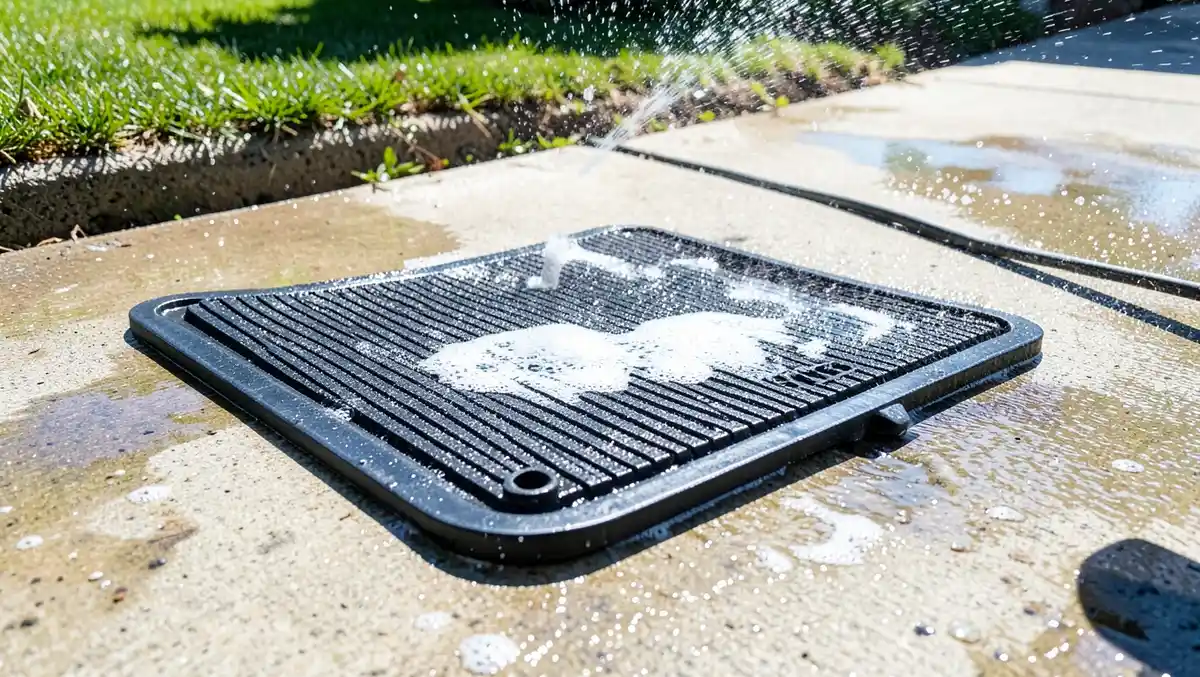
Rubber and carpet car mats need different cleaning methods, and using the wrong one can leave one soggy or scrub the other threadbare. Rubber mats can be hosed off, scrubbed with a few drops of dish soap on a stiff brush, and even pressure washed as long as you keep the nozzle a few feet away on a low setting. Carpet mats need a dedicated carpet cleaner left to sit for about 30 minutes so it can break down grime before you brush and rinse. Below is the full process for both types, plus how to dry them without trapping a musty smell.
Choosing The Right Tools
BEST FOR CARPET CAR MATS
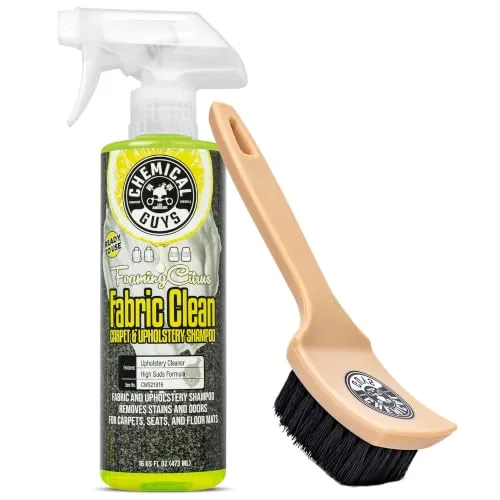 |
Chemical Guys Citrus Fabric & Carpet Cleaner Spray with Brush Kit – $19.99 This is the exact combo this guide recommends for carpet mats: a dwell-time carpet cleaner paired with a stiff brush sized for scrubbing fibers.
|
A handful of basic supplies will handle almost any car mat, rubber or carpet. Start with a shop vacuum or your regular vacuum’s crevice and brush attachments to pull out loose dirt before any liquid touches the mat. A stiff-bristle scrub brush breaks up caked-on grime on rubber mats, while a stack of microfiber towels handles drying and blotting stains without leaving lint behind.
For cleaning products, keep it simple. A few drops of mild dish soap mixed into a bucket of water is enough for rubber mats. Carpet mats do better with a dedicated fabric or carpet cleaner formulated to lift ground-in dirt without soaking through to the backing, and a citrus-based degreaser is worth keeping on hand for oil or grease tracked in on rubber mats.
Preparing Car Mats
Open all the doors and pull each car mat out individually, checking that nothing is clipped or hooked to the floor first. Removing them one at a time also makes it easier to keep track of which mat goes back where, since front and rear mats are rarely interchangeable.
Once a mat is out, hold it by two corners and shake it hard, or tap it firmly against a wall or fence post to knock loose dirt free before you add any water. This single step removes a surprising amount of grit and saves you from turning dry dirt into mud once you start scrubbing.
Vacuuming Techniques
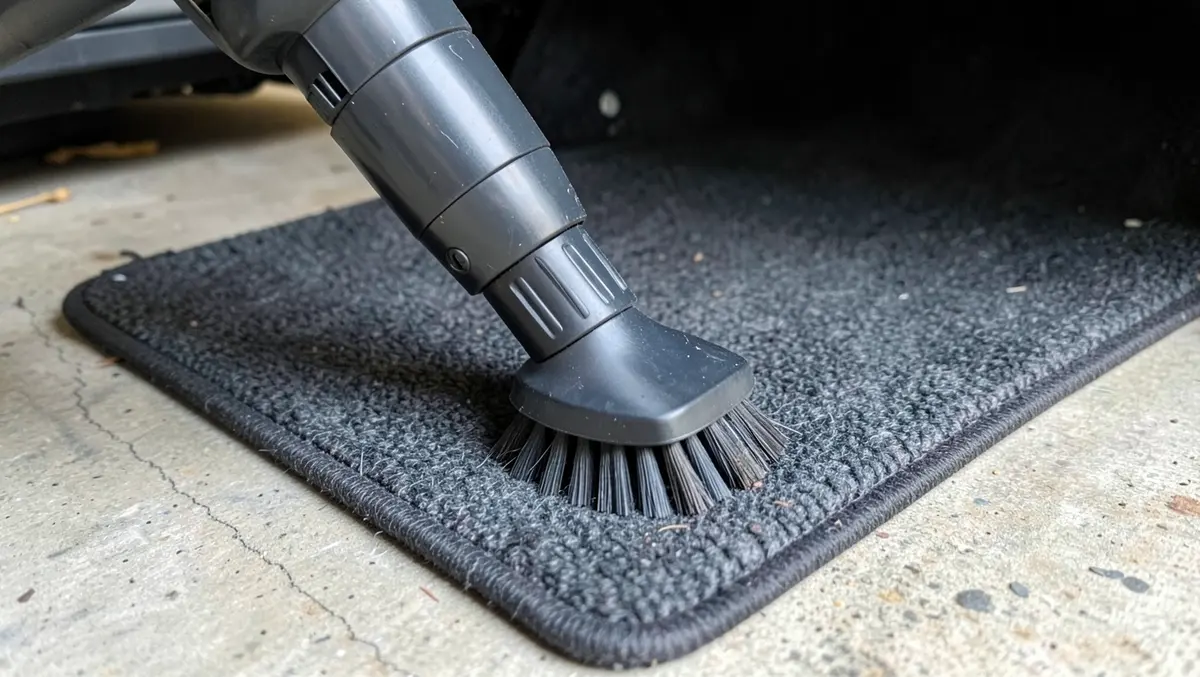
Vacuum every mat before it gets wet. A crevice tool reaches into the ribbed channels molded into rubber mats, while a brush attachment agitates carpet fibers enough to pull embedded dirt to the surface. Work slowly and go over each mat from a few different angles, since a single pass in one direction tends to miss dirt trapped against the weave or ribbing.
Empty the vacuum’s canister or bag partway through if you’re doing a full set of mats. A clogged vacuum loses suction fast and starts pushing dirt back out instead of pulling it in.
Washing Rubber Mats
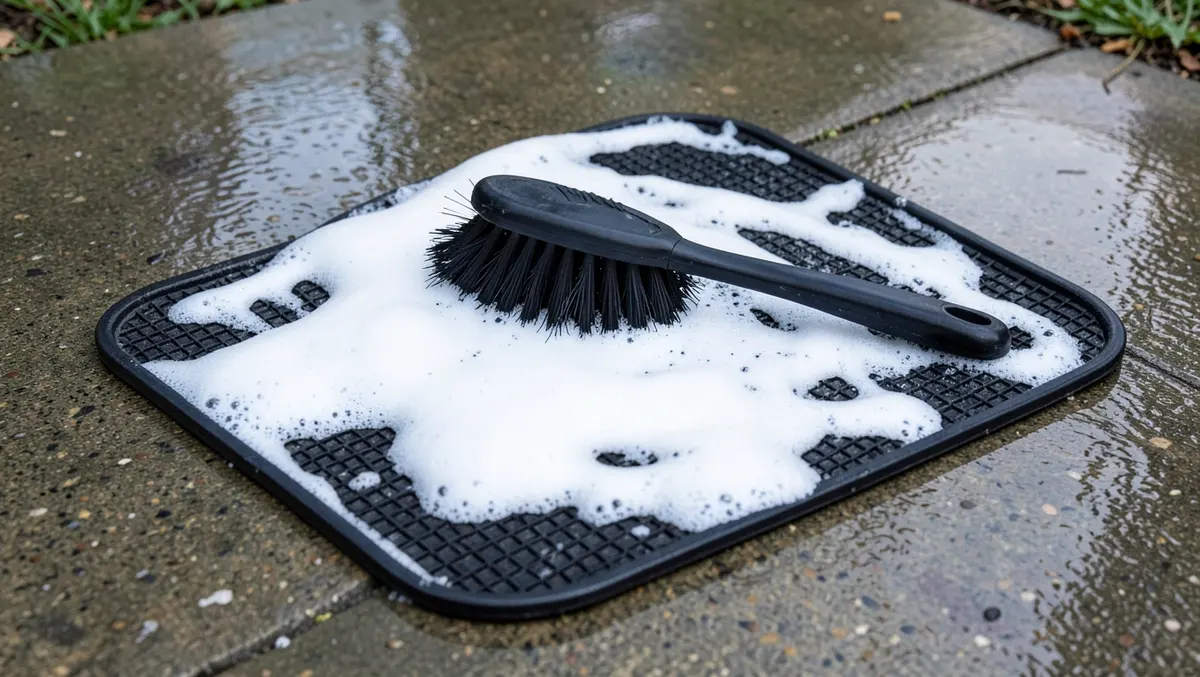
Rinse each mat with a hose to knock off the dirt the vacuum could not reach. Apply a few drops of dish soap directly to the surface, or mix it into a bucket of water, then scrub with a stiff-bristle brush, working into the corners and the raised ribbing where grime collects. Rinse until the water runs clear and no suds remain.
A pressure washer will cut the scrubbing time down, but keep the nozzle on a low-pressure setting and spray from several feet away. Get too close or use too much pressure and you can tear the rubber or blast a hole straight through a worn spot. Shake off the excess water, then lay the mats flat somewhere sunny so both sides dry evenly, flipping them halfway through if one side stays damp.
Cleaning Carpeted Mats
Shake off loose debris first, then spray a carpet or fabric cleaner evenly over the mat and let it sit for about 30 minutes. That dwell time matters: carpet fibers need the cleaner’s surfactants time to break the bond between grime and the fabric before scrubbing does any good.
Work a stiff-bristle brush into the fibers in small circles, focusing on the driver’s side heel-wear pattern where dirt packs in the tightest. Rinse with clean water and press out as much moisture as you can with a towel before moving on to drying.
If the backing tag says the mat is machine-washable, a cold-water cycle with a mild detergent works too, but skip the washer for any mat with a rubber or vinyl backing since it can damage the drum, and check the tag before the mat ever goes near a dryer’s heat. Fabric seats respond to the same cleaner-and-dwell-time approach if you’re tackling the rest of the interior the same day.
Dealing With Stains
Blot fresh spills with a dry cloth right away rather than rubbing, which only pushes the stain deeper into carpet fibers or rubber texture. For set-in stains, apply a stain remover made for car interiors, let it sit for the time listed on the label, then work it in gently with a soft brush.
Rinse the treated spot with clean water and check it while still damp. A stain that looks gone wet can reappear once the mat dries, so it’s worth a second treatment on stubborn spots before you put the mat back in the car.
Drying Techniques
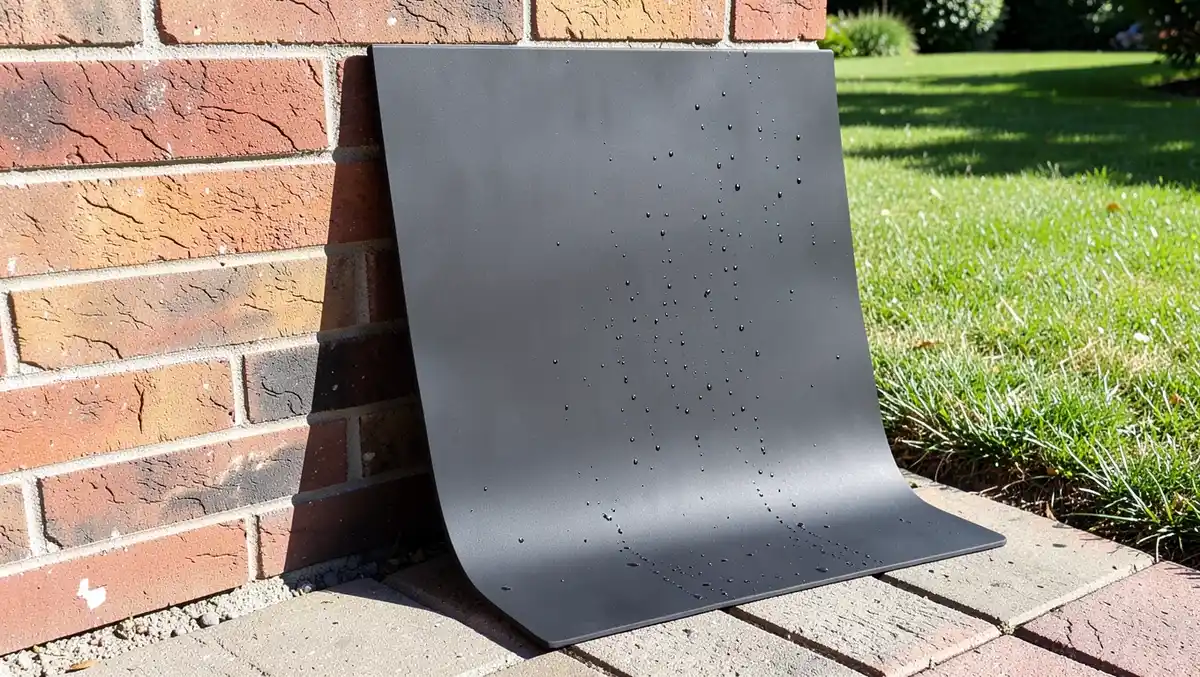
Never put a mat back in the car while it’s still damp; trapped moisture is the single most common cause of the musty smell coming from car floors. Lay or hang mats somewhere sunny and let airflow do most of the work, flipping them periodically so both sides get equal sun and air.
Pressing a dry towel over a rubber mat and swapping it for a fresh one once it’s soaked through speeds things up considerably. If a carpet mat still smells faintly of mildew after it’s bone-dry, a light dusting of baking soda left on the fibers overnight, then vacuumed off, will usually pull the odor out without another wash.
Maintaining Cleanliness
A quick weekly vacuum keeps dirt from grinding into the fibers or ribbing, which is what actually causes long-term wear, not the dirt sitting loose on top. Give mats a full soap-and-water or carpet-cleaner wash monthly, and always let them dry completely before they go back in; reinstalling a mat while it’s even slightly damp undoes most of the work.
A set of all-weather rubber mats over the factory carpet ones is worth considering if you deal with rain, snow, or muddy boots regularly. They hold up to hosing and scrubbing far better than carpet ever will. Whatever you’re driving, tying mat care into a broader interior detailing routine keeps the rest of the cabin from undoing your work.
Frequently Asked Questions
Can You Wash Floor Mats In The Washer?
Yes, if the mat’s care tag says it’s machine-washable. Use a gentle cycle with cold water and a mild detergent, and skip the washer entirely for any mat with a rubber or vinyl backing, since that backing can damage the drum. Air dry or use the lowest tumble-dry heat setting, and always follow the manufacturer’s care instructions over any general rule.
What To Clean Fabric Car Mats With?
Vacuum first to remove loose dirt, then apply a fabric or carpet cleaner mixed with water and let it sit for about 30 minutes before scrubbing with a soft brush. Rinse with clean water and let the mat air dry completely before it goes back in the car. Doing this monthly keeps mats fresh and extends how long they last.
What Is The Best Way To Wash Car Mats?
Remove the mats and shake off loose dirt, then vacuum thoroughly. Scrub rubber mats with mild dish soap and water using a stiff brush, or spray carpet mats with a dedicated carpet cleaner and let it dwell before scrubbing. Rinse well and let mats dry completely in the sun before reinstalling them.
Can Rubber Car Mats Go In The Dishwasher?
No. A dishwasher’s high heat and long cycle can warp or crack rubber mats, and the residue left behind is not good for a machine meant for dishes either. Clean rubber mats by hand instead with soap, water, and a stiff brush; it takes a few extra minutes but keeps both the mat and the dishwasher in good shape.
Conclusion
Rubber and carpet car mats both come clean with the same basic process: shake off loose dirt, vacuum, wash with the right cleaner for the material, and dry completely before they go back in the car. Skipping the drying step is the one shortcut that causes real problems, since a damp mat is what actually creates that musty smell drivers blame on everything else. Build this into a monthly routine and your mats will last years longer than they would getting hosed off and thrown back in wet.
Products related to this article
Sponsored / affiliate links. As an Amazon Associate I earn from qualifying purchases. I may earn additional commission from eligible campaigns.