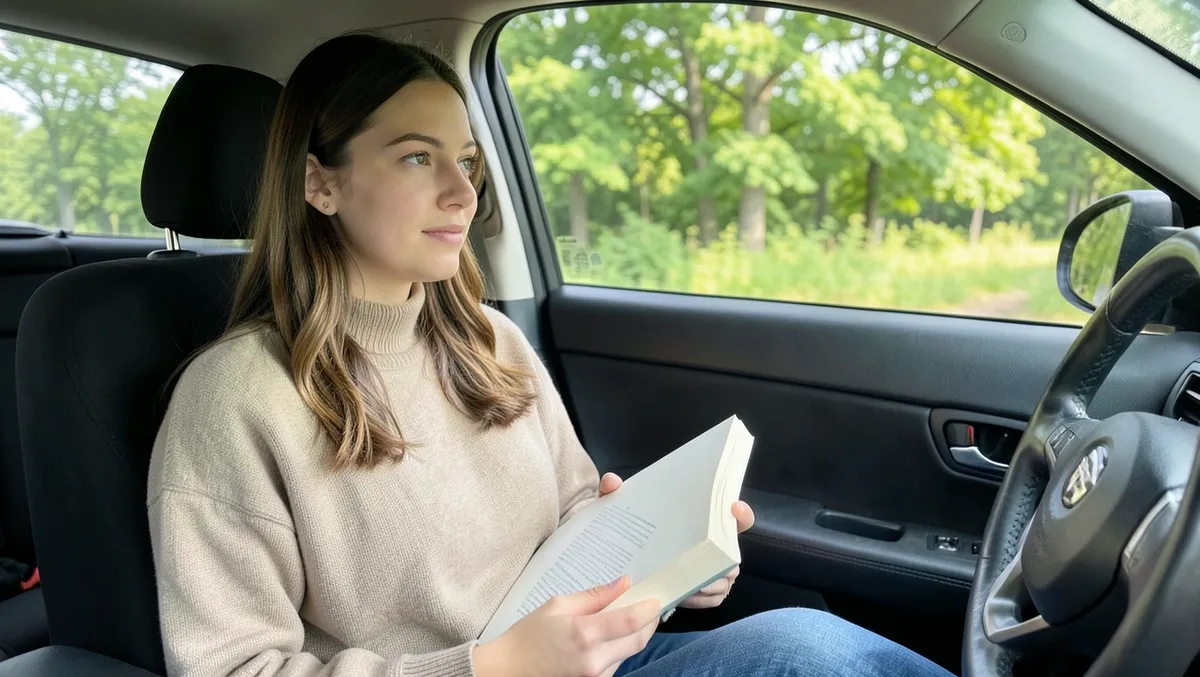
How to Read in a Car Without Getting Sick: 9 Real Tips
You can read in a car without getting sick by facing forward in the front seat, glancing up at the horizon every few minutes, and giving your inner ear something to agree with what your eyes are seeing. The nausea comes from a mismatch between your eyes, which see a page that looks perfectly still, and your inner ear, which feels the car moving — so the real fix is closing that gap, not just powering through it.
If you have ever opened a book five minutes into a road trip and felt queasy by the next exit, you are not imagining it and you are not alone. Below are nine practical, science-backed ways to keep reading, or listening, without ruining the drive.
Why Reading in a Car Makes You Feel Sick
Motion sickness while reading comes down to what scientists call sensory conflict. Your eyes are locked onto a page that appears completely still. At the same time, the vestibular system in your inner ear, the part that tracks balance, acceleration, and turns, is registering every bump, curve, and stop the car makes. Your brain gets two contradictory reports at once: “I am not moving” from your eyes, and “I am definitely moving” from your inner ear. That unresolved conflict is what triggers the classic symptoms of nausea, dizziness, cold sweats, and a headache that seems to come out of nowhere.
This is also why the sickness usually fades within a few minutes of putting the book down and looking outside. The conflict resolves as soon as your eyes start reporting motion that matches what your inner ear already knew.
OUR PICK FOR CAR-READING NAUSEA
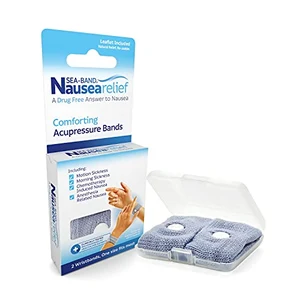 |
Sea-Band Anti-Nausea Motion Sickness Bracelets (1 Pair) – $8.53 A drug-free way to test the acupressure-wristband tip below before you commit to medication.
|
Sit in the Front Seat and Face Forward
Where you sit changes how much your body actually moves. The front seat sits closer to the car’s center of gravity, over or just behind the front axle, so it pitches and rolls less than the back seat on turns, dips, and uneven pavement. Facing forward matters too: facing backward or sideways, like a fold-down jump seat, forces your inner ear to interpret motion your eyes cannot even see coming, which makes sensory conflict worse, not better.
If you are a passenger and have a choice, the front seat is the single easiest change you can make before you even open a book.
Look at the Horizon Every Few Minutes
This is the technique with the most research behind it, and it is also the one most “just power through it” advice skips entirely. Every 10 to 15 minutes, close the book, lift your head, and look out at a fixed point on the horizon, such as a distant hill, a tree line, or the road ahead, for 30 to 60 seconds. This gives your eyes real, moving visual information that finally agrees with what your inner ear has been feeling the whole time, which resets the sensory conflict before it builds into full nausea.
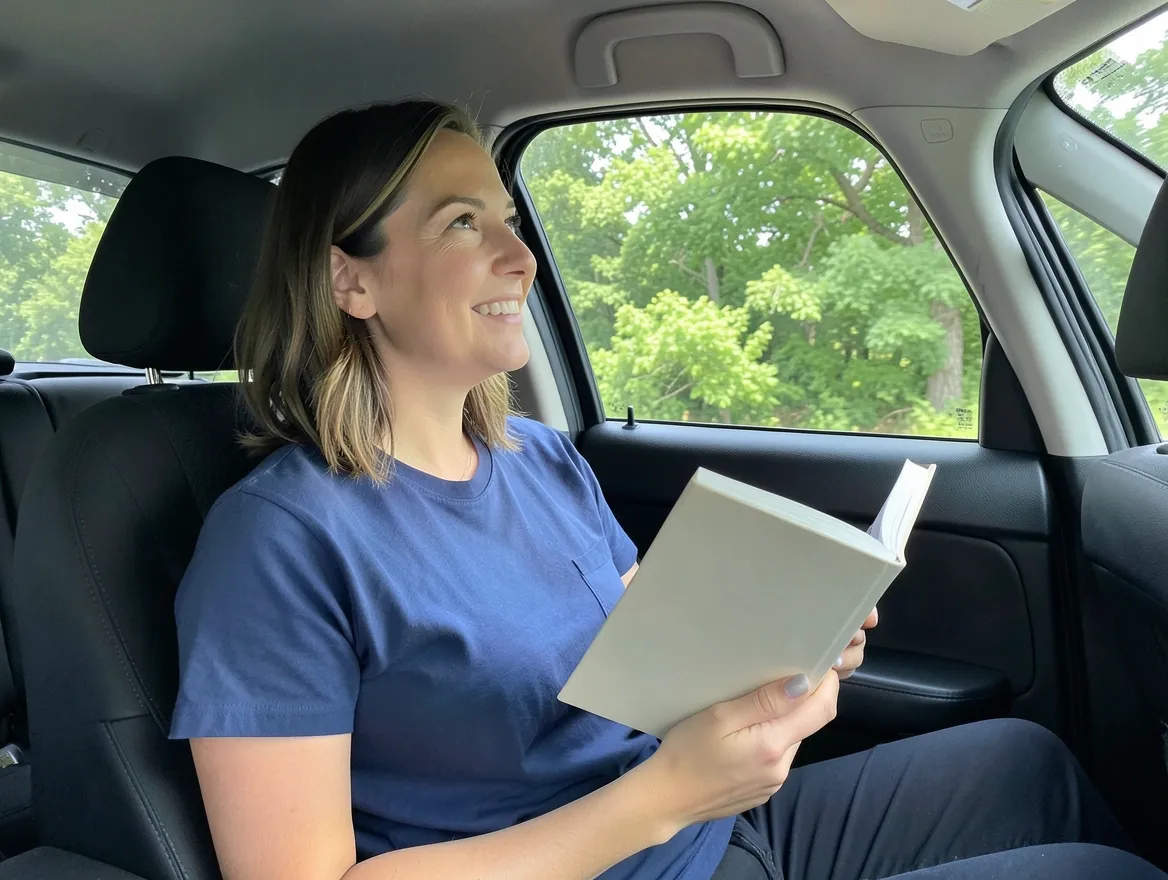
Reading a paragraph, then glancing up for a few seconds, then reading again is far more effective than trying to read for 45 minutes straight and hoping you will be fine.
Try an Audiobook Instead
If you have tried everything and reading text in a moving car still makes you sick, the most reliable fix is to stop reading text altogether without giving up the story. An audiobook or podcast removes the visual half of the conflict entirely: your eyes are free to look wherever they want, including the horizon, while your ears do the work a page normally would. It sounds like a compromise, but for people who are highly sensitive to motion sickness, it is often the only method that works every time.
If you would rather keep using your phone or tablet screen instead of switching to audio, our guide to not getting car sick while looking at your phone covers screen-specific fixes, like brightness and holding distance, that do not really apply to a printed book.
Ginger, Acupressure Bands, and Motion-Sickness Medication
When seating and horizon breaks are not enough on their own, a few remedies have real evidence behind them:
- Ginger. Ginger supplements (roughly 1,000 to 2,000 mg), ginger chews, or ginger ale can reduce nausea and slow the onset of symptoms, according to research cited by the Mayo Clinic.
- Acupressure wristbands. Bands like Sea-Band apply steady pressure to the P6 point on the inside of your wrist. They will not work for everyone, but they are cheap, drug-free, and reusable, which makes them worth trying before medication.
- Over-the-counter medication. Dimenhydrinate (Dramamine) and meclizine (Bonine) are the two most common OTC options. Take them 30 to 60 minutes before you start reading, not after symptoms begin, and expect drowsiness; never drive after taking either one.
- Prescription options. If OTC remedies are not enough and you get carsick often, a doctor can prescribe a stronger antiemetic, such as a scopolamine patch, for regular use.
Keep the Car Cool, Hydrated, and Lightly Fed
A stuffy, overheated car makes every other symptom worse. Crack a window or point a vent at your face; fresh, moving air genuinely helps, and it is one of the few remedies the Mayo Clinic specifically recommends alongside seating position. Sip water rather than sugary or caffeinated drinks, and if you are hungry, choose something plain like crackers or pretzels instead of a heavy or greasy meal. An empty stomach and an overfull one are both more likely to end in nausea than a light, bland snack.
Frequently Asked Questions
How Can I Read in a Car Without Getting Sick?
Sit in the front seat facing forward, and stop every 10 to 15 minutes to look at a fixed point on the horizon for 30 to 60 seconds. Keep the car cool with fresh air, sip water instead of sugary drinks, and eat something light rather than a heavy meal before you start. If your stomach is still unsettled, try ginger, an acupressure wristband, or an over-the-counter remedy taken ahead of time.
Why Do I Feel Sick When I Read in the Car?
Reading in the car creates a sensory conflict: your eyes see a page that looks still, while your inner ear feels the car actually moving. Your brain cannot reconcile the two contradictory signals, and that mismatch is what triggers nausea, dizziness, and other motion-sickness symptoms.
Does Sitting in the Front Seat Really Help With Car-Reading Nausea?
Yes. The front seat sits closer to the car’s center of gravity, so it pitches and rolls less on turns and bumps than the back seat does. Less physical motion means less conflicting information reaching your inner ear in the first place, which reduces how quickly nausea builds while you read.
Can I Use an E-Reader or Tablet Instead of a Paperback Book?
The sensory conflict is the same whether the words are on paper or a screen, so an e-reader or tablet will not automatically fix car-reading nausea on its own. Some readers find a large-font e-reader easier on the eyes for short sessions, but the horizon-glance technique and seating position matter far more than which device you are holding.
What Medicine Helps With Motion Sickness From Reading in a Car?
Dimenhydrinate (Dramamine) and meclizine (Bonine) are the most common over-the-counter options, and both work best when taken 30 to 60 minutes before you start reading rather than after symptoms begin. Both can cause drowsiness, so never drive after taking either one. If OTC options are not enough, a doctor can prescribe a stronger antiemetic, such as a scopolamine patch.
How Can I Work or Use My Laptop in the Car Without Getting Sick?
The same rules apply: sit in the front seat facing forward, take a horizon break every 10 to 15 minutes, and keep the cabin cool and well-ventilated. Working on a laptop tends to be worse than reading a book because the screen sits lower and closer, so try propping it higher and glancing up more often than you think you need to.
Conclusion
Reading in a car does not have to end in a headache and a closed book. Face forward in the front seat, take a horizon break every 10 to 15 minutes, and keep the cabin cool and ventilated. If your stomach is still unsettled, ginger, an acupressure band, or an over-the-counter remedy taken ahead of time can close the gap, and if none of that works, an audiobook lets you finish the story without the fight.
For general car-sickness prevention beyond reading specifically, see our full guide to preventing car sickness.
Products related to this article
Sponsored / affiliate links. As an Amazon Associate I earn from qualifying purchases. I may earn additional commission from eligible campaigns.
 4G GPS Tracker Car Anti-Theft Long Battery Life 20000mAh Real Time GPS Tracking Device Magnet No Geographic Restriction Car Tracker with Alerts, Geo Fence, History Playback TK905C
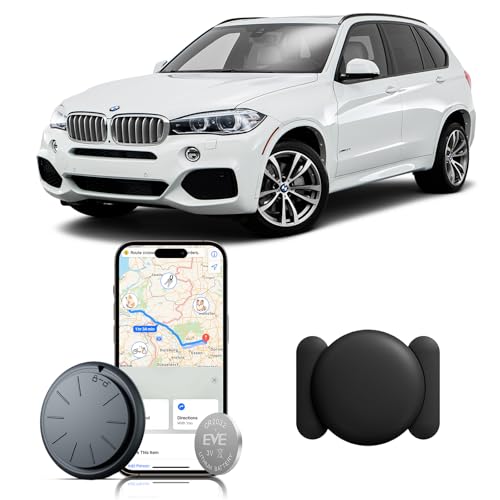 ZFSJTAG Car GPS Tracking Device for Vehicles, 1PCS Real Time GPS Tracker for Car, Work with Find My (iOS Only),Hidden Mini GPS Tracker,No Monthly Fee (Black Tracker, Black Magnetic Case)