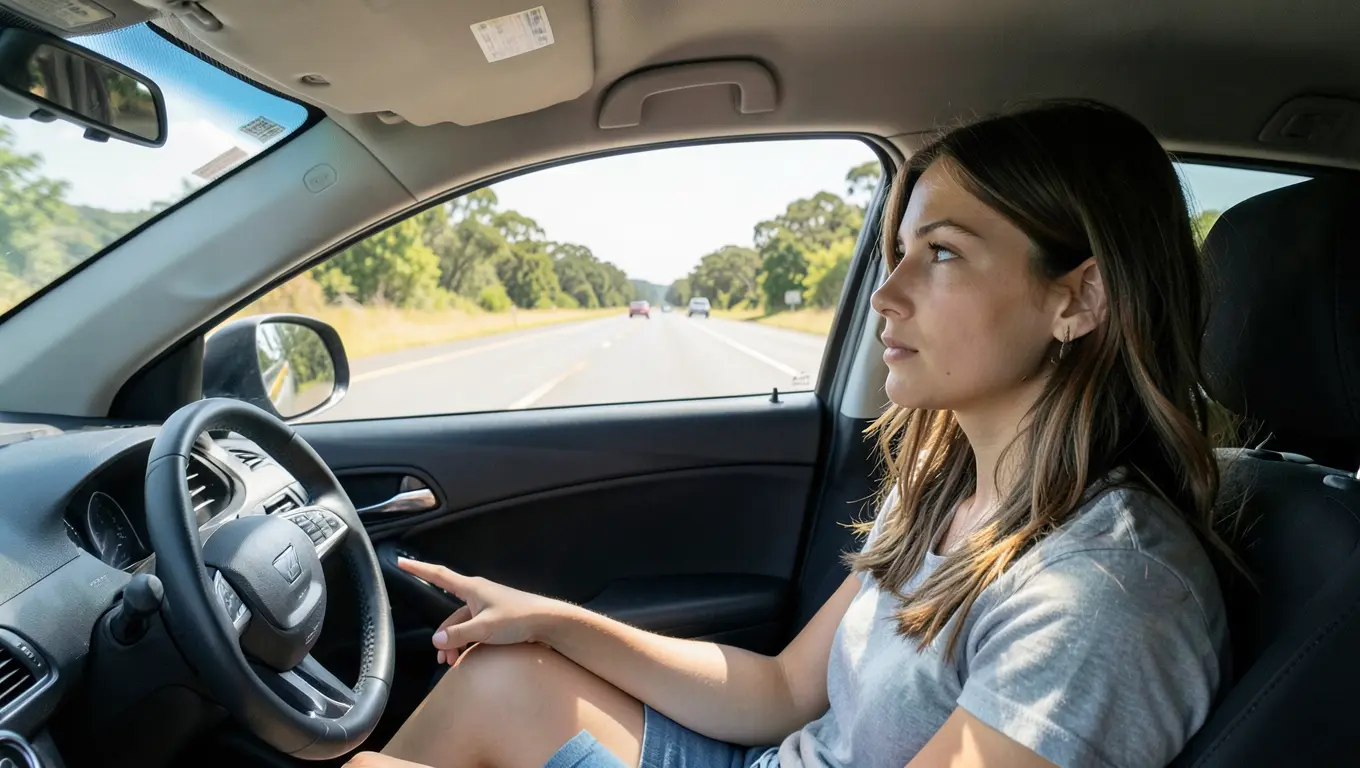
How to Prevent Car Sickness: 10 Proven Tips That Work
The fastest way to prevent car sickness is to sit in the front seat, face forward, and keep your eyes on a fixed point on the horizon instead of on a phone, book, or the seat in front of you. For most people, that single change, combined with fresh air and a stomach that is neither empty nor overly full, stops the nausea before it starts.
Car sickness is not rare, and it is not a sign that something is wrong with you. Researchers estimate that about one in three people are highly susceptible to motion sickness, and nearly half of adults say they have felt sick in a moving vehicle at some point. Children between roughly 2 and 12 years old tend to be hit hardest, since the balance system in the inner ear is still developing at that age.
This guide walks through why car sickness happens, the early symptoms to watch for, and the preparation, seating, breathing, and remedy strategies that actually have evidence behind them. It also covers when over-the-counter or prescription medication makes sense, and what to do if it is your child, not you, who gets sick on every drive.
What Causes Car Sickness
Car sickness is a form of motion sickness, and it comes down to a disagreement between your senses. When you are a passenger reading, looking at your phone, or facing backward, your eyes tell your brain you are sitting still. At the same time, the vestibular system in your inner ear, the fluid-filled canals that track balance and movement, is registering every turn, stop, and bump in the road. Your brain cannot reconcile “still” with “moving,” and that sensory conflict is what triggers nausea, dizziness, and the other symptoms of motion sickness.
Some people are simply more sensitive to this conflict than others. Children age 2 to 12, pregnant women, and people prone to migraines tend to be more susceptible, while susceptibility usually declines with age as the vestibular system matures.
DRUG-FREE OPTION WORTH KEEPING IN THE CAR
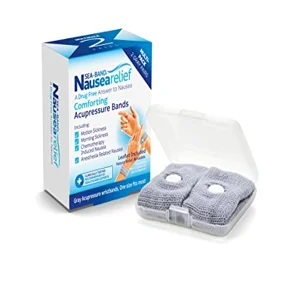 |
Sea-Band Adult Anti-Nausea Acupressure Wristband – $16.43 As covered in the natural remedies section below, these bands apply steady pressure to the P6 point on your wrist and are a reusable, drug-free first option before reaching for medication.
|
Signs and Symptoms to Watch For
Catching car sickness early, before it turns into vomiting, makes it much easier to manage. According to Mayo Clinic and Cleveland Clinic, the most common signs include:
- Nausea that often starts as a vague queasiness and builds gradually
- Dizziness or a spinning sensation
- Cold sweats and clammy skin
- Increased saliva production
- Fatigue or unusual drowsiness
- Headache
- Pale skin, and in more severe cases, vomiting
If you notice these signs early, pull over for a break, get fresh air, or try one of the fixes below before symptoms get worse.
Before You Get in the Car: Preparation Tips
What you do in the hour before a trip has a real effect on how you feel once you are moving.
- Eat something light. A heavy, greasy, or spicy meal right before driving can make nausea worse, but traveling on a completely empty stomach is not much better. Crackers, toast, or a banana about an hour before departure are usually easier on the stomach than a big meal.
- Stay hydrated, but sip rather than gulp. Dehydration can worsen nausea, and carbonated or sugary drinks tend to make it worse, not better.
- Get enough sleep the night before. Fatigue lowers your tolerance for motion sickness, so a rested traveler generally handles a bumpy ride better than an exhausted one.
Where to Sit to Reduce Car Sickness
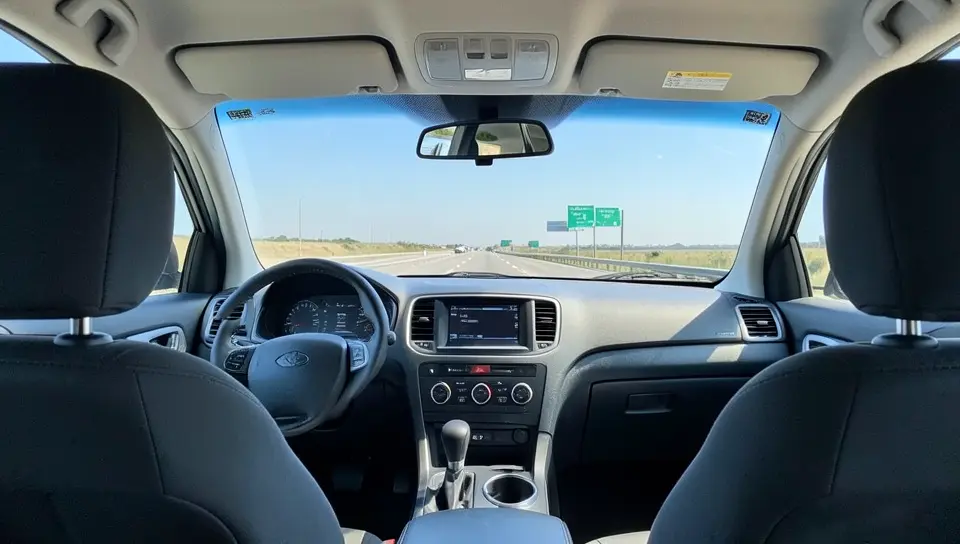
Seating position is one of the simplest, free changes you can make. The front passenger seat is usually the best option for people prone to car sickness, because it puts you closer to the direction of travel and gives you a clear, stable view of the road ahead, which helps your eyes and inner ear agree on what is actually happening.
If the front seat is not available, choose a window seat over a middle seat, and face forward rather than sideways or backward whenever possible. Rolling the window down slightly for fresh air can also help; stale, recirculated air combined with the smell of upholstery or food tends to make queasiness worse. Whatever seat you are in, avoid reading, texting, or looking at a phone screen. That is one of the biggest triggers of car sickness, because it forces your eyes to focus on something still while your body is in motion. If phone use in the car is a recurring problem for you specifically, our guide on how to not get car sick while looking at your phone covers screen-specific fixes in more depth.
Breathing Techniques That Calm Nausea
Slow, controlled breathing will not stop the sensory conflict that causes car sickness, but it does calm the nervous system response, the racing heart, shallow breathing, and anxiety that often make nausea feel worse.
Try box breathing: inhale through your nose for a count of four, hold for four, exhale slowly through your mouth for four, then hold again for four before repeating. Alternatively, focus on making your exhale noticeably longer than your inhale, which activates the parasympathetic nervous system and can take the edge off nausea within a few minutes. Combine either technique with looking at the horizon for the best effect.
Natural Remedies: Ginger, Peppermint, and Acupressure

Ginger is the most studied natural remedy for nausea. Its evidence for motion sickness specifically is mixed; some trials show a real benefit, others do not. Even so, it is inexpensive and low-risk, and worth trying in the form of ginger tea, ginger chews or candies, or ginger capsules taken shortly before travel.
Peppermint has weaker evidence behind it but is widely used anyway. Peppermint tea, candy, or a drop of peppermint oil on the wrist is a common low-effort option that some travelers find soothing.
Acupressure wristbands, like Sea-Bands, apply steady pressure to the P6 point on the inner wrist. Devices that stimulate this point are FDA-cleared for nausea related to pregnancy, chemotherapy, and surgery recovery, but studies on motion sickness specifically are mixed, with some showing a real effect and others finding no difference from a placebo. Because they are drug-free, reusable, and cost under $20, they are a reasonable first thing to try, especially for kids or anyone who wants to avoid medication.
Over-the-Counter and Prescription Medication Options
If seating, breathing, and natural remedies are not enough, medication is the next step, and there is solid clinical evidence behind the options.
Over-the-counter antihistamines are the most common choice. Dimenhydrinate (Dramamine’s original formula) and meclizine (sold as Dramamine Less Drowsy or Bonine) both work when taken 30 to 60 minutes before getting in the car, according to Mayo Clinic. Dimenhydrinate tends to cause more drowsiness; meclizine is marketed as the less-sedating option. Chewable formulas are available for children, but always check the label for age restrictions or ask a pharmacist, since dosing and minimum age vary by product.
For people with chronic or severe motion sickness, a doctor can prescribe a scopolamine patch (brand name Transderm Scop). It is applied to a clean, hairless spot behind the ear at least a few hours before travel and works for up to three days. A Cochrane review of 14 clinical trials covering more than 1,000 participants found scopolamine roughly as effective as antihistamines at preventing motion sickness, with less drowsiness, though it can cause dry mouth or blurred vision in some people. Talk to a doctor before starting it, especially if you take other medications.
Helping Kids Avoid Car Sickness
Children are more prone to car sickness than adults, mainly because the vestibular system that controls balance is still maturing through early adolescence. Most kids see their susceptibility drop noticeably by their teenage years. Beyond the seating and food tips above, a few kid-specific adjustments help:
- Switch a rear-facing car seat to forward-facing as soon as it is safe to do so; forward-facing seats let a child see the road the way adults do.
- Skip tablets, books, and handheld games on winding or stop-and-go routes. An audiobook or a simple “spot the object” game keeps kids occupied without forcing their eyes to focus on something stationary.
- Ask a pediatrician before giving any motion sickness medication to a child under six, since dosing and minimum ages vary by product and by a child’s weight and health history.
Frequently Asked Questions
How Do You Stop Car Sickness Fast?
Sit in the front seat, face forward, and fix your eyes on a stationary point on the horizon rather than on a phone or book. Crack a window for fresh air, take slow, controlled breaths, and try ginger or an acupressure wristband if symptoms are already starting. If you can, pull over and step outside for a few minutes; standing still and looking at a fixed point often resets the sensory conflict faster than anything you can do while the car is moving.
What Is the Best Seat to Avoid Car Sickness?
The front passenger seat is generally best, since it offers the clearest forward view of the road and the least side-to-side motion. If the front seat is not an option, a window seat facing forward is the next best choice; middle seats and rear-facing seats tend to make symptoms worse.
Can You Grow Out of Car Sickness?
Many people do. Car sickness is most common in children between about 2 and 12 years old, and susceptibility tends to decline as the vestibular system in the inner ear matures through the teenage years. Some adults remain sensitive for life, especially those prone to migraines or already sensitive to other forms of motion.
Should You Look Out the Window or Close Your Eyes When Car Sick?
Look out the window at a fixed point on the horizon rather than closing your eyes. Closing your eyes removes the visual input your brain needs to match what your inner ear is sensing, which can make the sensory conflict worse for some people. Looking straight ahead at the road or a distant, stable landmark generally works better than looking down or to the side.
What Foods Help With Car Sickness?
Light, bland foods eaten an hour or so before travel tend to work best, such as crackers, toast, dry cereal, or a banana. Ginger, in the form of tea, candies, or capsules, is the most commonly recommended food-based remedy, though its evidence for motion sickness specifically is mixed. Avoid greasy, spicy, or heavy meals right before a trip, and skip carbonated or sugary drinks in favor of water.
How Long Does Car Sickness Last After a Trip?
Most people feel back to normal within 30 minutes to a few hours after getting out of the car, once the sensory conflict causing the nausea has stopped. Some people experience “mal de debarquement,” a lingering rocking or swaying sensation that can last longer, though this is uncommon and typically fades on its own within a day.
Conclusion
Preventing car sickness comes down to reducing the mismatch between what your eyes see and what your inner ear feels. Sit up front if you can, face forward, keep your eyes on the horizon instead of a screen, and get fresh air. Layer on food and hydration habits, breathing techniques, and a natural remedy like ginger or an acupressure band, and save antihistamines or a scopolamine patch for the trips where those steps are not enough.
None of these fixes require anything expensive or complicated. With a little preparation, most people can turn a queasy ride into a comfortable one.
Products related to this article
Sponsored / affiliate links. As an Amazon Associate I earn from qualifying purchases. I may earn additional commission from eligible campaigns.
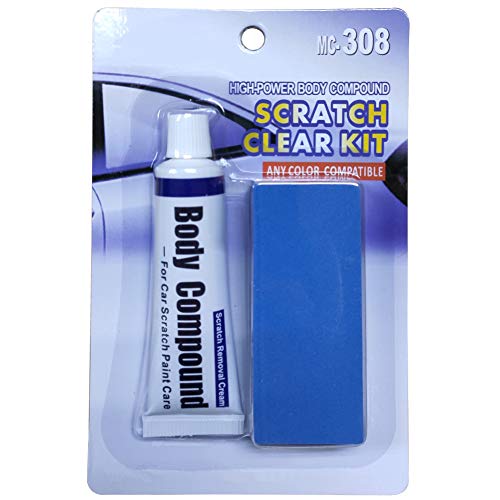 Car Polishing Wax Kit Sponge Body Compound Cream Wax Car Body Compound Scratch Remover Vehicle Paint Scratch Repair Auto Paint Scratch Remover Kit Car Scratch Repair (Universal)
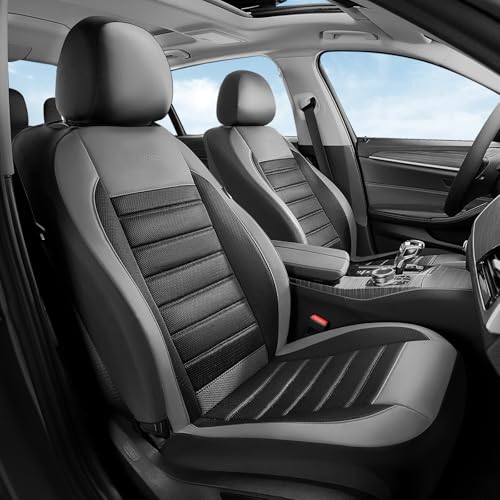 Coverado Car Seat Covers Front Seats, Luxury Leather Car Seat Covers, Automotive Mesh Seat Covers 2 Pack, Airbag-Compatible, Black Gray Seat Covers for SUV Sedan Truck