How To Fix Oxidation On Car Paint (Restore It Like New)
Seeing that dull, chalky look creep onto your car’s paint can be a real bummer. It’s like your car loses its sparkle. You know it used to gleam.
Now it just looks… old. It’s frustrating when something you’ve cared for starts to fade. But don’t worry.
This article will show you exactly how to fix that car paint oxidation. We’ll bring back that beautiful shine.
Oxidation on car paint is a common issue where the clear coat or paint layers break down from UV rays, chemicals, and time. Fixing it involves cleaning, compounding to remove the damaged layer, and then protecting the paint. Restoring the shine makes your car look newer and prevents further damage.
Understanding Car Paint Oxidation
What exactly is this car paint oxidation? Think of it as the paint getting tired. The sun’s strong rays are a big culprit.
They break down the paint’s protective layers. This is especially true for the clear coat. It’s the shiny top layer that shields the color.
When this happens, the paint starts to look hazy. It turns a dull, chalky white or gray. This isn’t just a surface thing.
It means the paint itself is starting to degrade. This process is called oxidation. It’s the paint reacting with oxygen in the air.
This reaction changes its look and feel.
It’s similar to how metal rusts. But with paint, it’s more of a fading and chalking. Environmental factors play a huge role.
Bird droppings, bug splatter, and tree sap can all speed this up. They contain acids that eat away at the clear coat. Over time, this damage becomes visible as oxidation.
You might also see it in spots. Maybe on the hood or roof where the sun hits hardest. Sometimes it’s on older cars that haven’t been waxed or sealed.
Modern car paints have better protection. But even they can’t last forever without help. Understanding this is the first step to fixing it.
My Car Paint Looked Terrible – A Personal Story
I remember my old blue sedan. It was maybe ten years old. I loved that car.
But one summer, I noticed something was wrong. The hood and the roof started looking really dull. It was a weird, chalky white haze.
It looked like someone had spread powder all over it.
I felt a wave of panic. My car looked so sad. I’d always tried to keep it clean.
But I lived in a sunny state. I guess I hadn’t realized how much sun damage it was taking. I tried washing it.
That didn’t help at all. The chalky stuff was part of the paint itself.
I felt so annoyed. I thought I was going to have to pay a lot of money to get it repainted. That was not in my budget.
I felt a bit hopeless. I pictured my car just looking worn out forever. It was a visual reminder of time passing and things aging.
That thought made me a little sad.
I decided to do some research. I didn’t want to make it worse. I learned about oxidation.
It was exactly what I was seeing. The good news? I found out it’s often fixable.
You just need the right approach. That’s when I decided to try and fix it myself.
Spotting Early Signs of Oxidation
It’s easier to fix when you catch it early. Look for these signs:
- Hazy Appearance: The paint looks less shiny. It’s like looking through a cloudy window.
- Chalky Residue: When you wipe it, a white or gray powder comes off.
- Color Fading: The original bright color looks duller and washed out.
- Uneven Patches: Oxidation often shows up first on flat, sun-exposed areas like the hood or roof.
The Steps to Fixing Car Paint Oxidation
Okay, you’ve got oxidation. What do you do? The process involves a few key steps.
Don’t rush. Take your time and work methodically. The goal is to remove the damaged layer.
Then, you’ll protect what’s left.
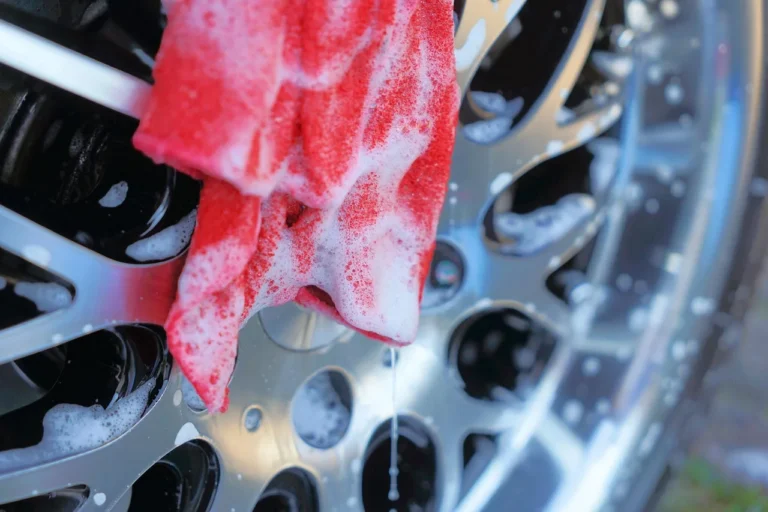
First, you need to wash your car thoroughly. This gets rid of dirt and grime. You don’t want to rub dirt into the paint later.
Use a good car soap. Rinse it well. Dry it completely with a soft microfiber towel.
Next comes the heavy lifting. This is where you actually remove the oxidized layer. You’ll need a product called a compound.
There are rubbing compounds and polishing compounds. For oxidation, a rubbing compound is usually best. It’s more abrasive.
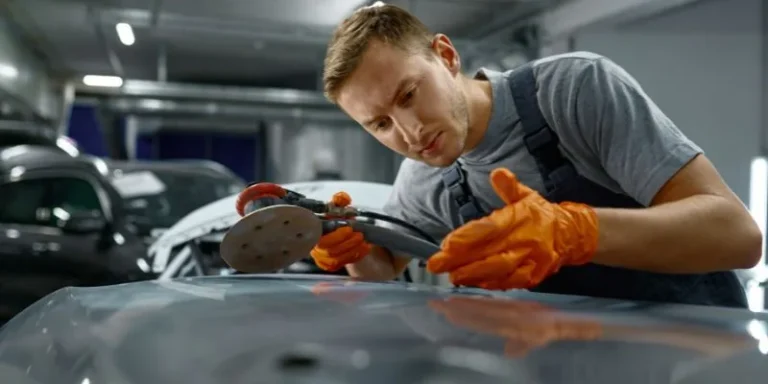
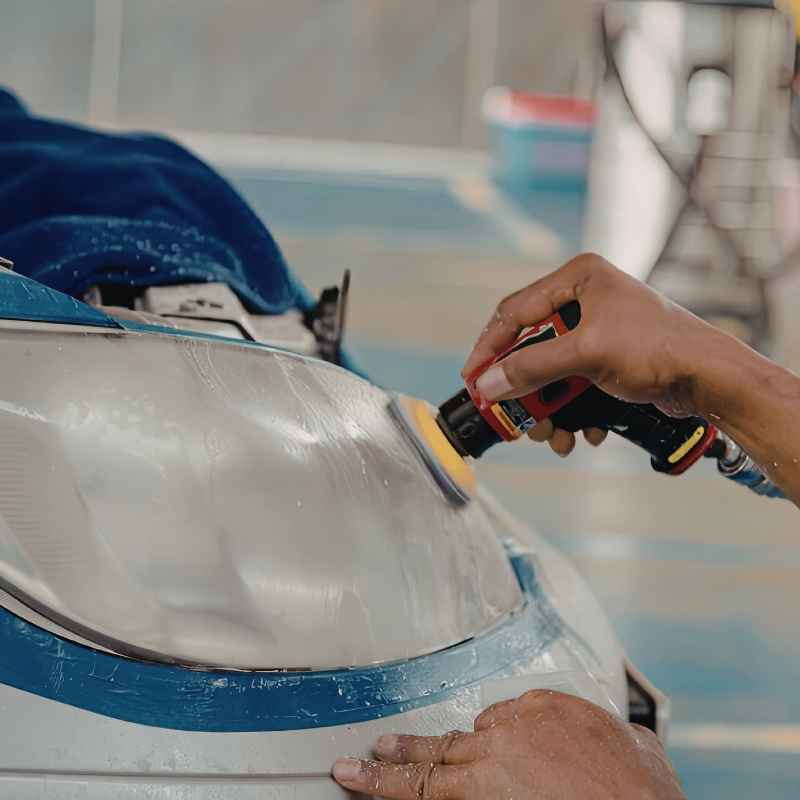
You’ll apply a small amount of compound to a foam applicator pad. Or you can use a polishing machine. Work on a small section at a time.
Use a back-and-forth motion. Don’t use circles. Apply moderate pressure.
You’ll see the chalky layer start to disappear.
Wipe away the residue often. This lets you see your progress. You’ll see the original color returning.
Keep working section by section. Be patient. This step takes time and effort.
Don’t try to do too much at once. You could overheat the paint.
Once you’ve compounded the entire car, you’ll need to follow up. Compounding can leave minor swirl marks. This is normal.
You’ll use a polish next. Polish is less abrasive than compound. It refines the finish.
It brings back the deep gloss.
Apply polish to a clean applicator pad or buffer. Again, work in small sections. Use lighter pressure than with the compound.
Polish until the paint looks smooth and shiny. Wipe away any excess polish.
The final, crucial step is protection. You’ve just revealed fresh paint. You need to seal it.
Use a good quality car wax or sealant. Apply it evenly. Let it haze over.
Then buff it off with a clean microfiber cloth.
This protective layer shields the paint from future sun damage. It also makes washing the car easier next time. It keeps it looking its best for longer.
Don’t skip this step. It’s vital for long-term results.
Choosing the Right Products for Oxidation Removal
The products you choose really matter. Using the wrong ones can make things worse. You want products designed for paint correction.
These are not your everyday car wash soaps.
For removing oxidation, you’ll primarily need a rubbing compound. These contain fine abrasives. They gently grind away the damaged clear coat.
Look for reputable brands. Many auto parts stores carry them. Some are for machine use, others for hand application.
After compounding, you’ll need a polishing compound or simply a car polish. This step is about refinement. It removes any light scratches left by the compound.
It also brings out the shine. Think of it as making the paint smooth and slick.
Then comes protection. You have choices here:
- Car Wax: Often made from carnauba. It provides a warm glow. It’s natural.
- Paint Sealant: These are synthetic. They tend to last longer than wax. They give a slick, glass-like shine.
For fixing oxidation, a good synthetic sealant might offer better long-term protection. But a quality wax will also work well and provide a beautiful finish.
You’ll also need applicator pads. Foam pads are common. You can get them for hand use or for a machine polisher.
Microfiber towels are essential. You’ll need plenty for wiping off compounds, polishes, and for buffing wax.
Essential Tools for the Job
- Car Wash Soap: Gentle and pH-neutral.
- Microfiber Drying Towels: Plush and absorbent.
- Rubbing Compound: For removing the damaged layer.
- Car Polish: For refining the finish.
- Wax or Sealant: For protection.
- Applicator Pads: Foam or microfiber for applying products.
- Microfiber Buffing Towels: For removing residue and buffing.
The Difference Between Compounding and Polishing
These terms get used a lot. It’s easy to confuse them. But they do different jobs.
Knowing the difference helps you fix your paint correctly.
Compounding is the aggressive step. Its main job is to remove defects. This includes oxidation, swirl marks, and light scratches.
Compounds have larger abrasive particles. They cut into the clear coat. They level out the surface.
This is why it can look a bit dull right after compounding.
Polishing comes after compounding. It’s a finer step. Its job is to refine the paint’s surface.
Polishes have smaller, finer abrasives. They remove the light haze or swirl marks left by the compound. Polishing brings back the gloss and depth.
It makes the paint look wet and clear.
Think of it like sanding wood. You start with a coarser grit sandpaper to shape it. Then you move to finer grits to make it smooth.
Compounding is the coarser sandpaper. Polishing is the finer sandpaper. You can’t skip the polishing step if you want a truly great finish.
When you’re fighting oxidation, the compound is doing the heavy lifting. It’s removing that chalky, damaged layer. Once that’s gone, the polish smooths out the surface.
It restores that mirror-like shine you love. You need both for the best results.
Using a Machine Polisher vs. Hand Application
You can tackle paint oxidation by hand or with a machine polisher. Each has its pros and cons.
Hand application is more accessible. You don’t need special equipment. It’s cheaper to start.
But it takes a lot more physical effort. It’s also harder to get consistent results across the whole car. You can easily get tired spots or miss areas.
It’s best for smaller areas or light oxidation.
Machine polishers, like dual-action (DA) or rotary buffers, are faster. They apply consistent pressure. This leads to more uniform results.
They make the compounding and polishing steps much easier and quicker. DA polishers are generally safer for beginners. They are less likely to burn through the paint.
However, machine polishers cost more. You need to learn how to use them safely. There’s a learning curve.
If you’re not careful, you could damage your paint. For deep oxidation, a machine polisher is often necessary to get good results without exhausting yourself.
My first time fixing oxidation, I did it by hand. It took me an entire weekend. My arms were so sore.
The results were okay, but not amazing. The second time, I borrowed a friend’s DA polisher. It was a night-and-day difference.
I finished in a few hours. The shine was incredible. If you plan to do this often, investing in a polisher is worth it.
Hand vs. Machine: Quick Comparison
Hand Application:
- Pros: Cheaper, no power needed, good for small jobs.
- Cons: Tiresome, inconsistent results, takes longer.
Machine Polisher:
- Pros: Faster, consistent results, less physical strain.
- Cons: More expensive, learning curve, risk of paint damage if used improperly.
Protecting Your Car’s Paint After Restoration
You’ve worked hard to get rid of that oxidation. Now you need to keep it protected. This is the most important part of keeping your car looking good long-term.
Apply a quality wax or sealant. This creates a barrier. This barrier stops the sun’s UV rays from reaching the paint.
It also helps repel water and dirt. This makes future washes easier.
How often should you apply protection? It depends on the product. Carnauba waxes might last 1–2 months.
Synthetic sealants can last 4–6 months, sometimes longer. Check the product label for its durability.
Washing your car regularly is also key. Use a pH-neutral soap. Wash in the shade if possible.
Dry your car immediately. This prevents water spots.
Avoid harsh chemicals. Don’t use dish soap. It strips protective layers.
Also, be careful with automatic car washes. Some use brushes that can scratch your paint.
Parking your car in a garage or under a carport helps a lot. This shields it from the sun and other elements. If you can’t, use a car cover.
Make sure it’s breathable.
These steps help maintain the shine. They prevent oxidation from coming back too quickly. It’s about consistent care.
Think of it as ongoing maintenance for your car’s appearance.
Real-World Scenarios of Paint Oxidation
You see paint oxidation in many places. It’s not just on your personal car.
On the Road: Cars parked outside all day at work or shopping malls are prime candidates. The constant sun exposure is relentless. You’ll see it on older cars in sunny climates.
Think Florida, Arizona, or Southern California.
Dealership Lots: Sometimes, cars on a dealer’s lot sit under the sun for months. They might not be protected. You can often see oxidation on them.
A good detailer can usually fix this. But it’s something to watch for when buying used cars.
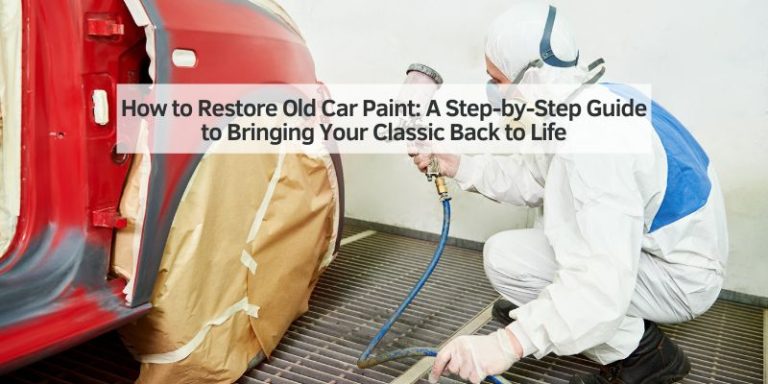
Classic Cars: Older cars, especially those not stored perfectly, often suffer from oxidation. Their original paint might be less robust than modern formulations. Restoring these classic beauties often involves heavy paint correction to bring back their luster.
Specific Areas: It’s most common on horizontal surfaces. The hood, roof, and trunk lid catch the most direct sunlight. Vertical panels like doors and fenders might show less oxidation.
Or they might show it later.
Environmental Impact: Living near industrial areas or places with high pollution can also accelerate paint degradation. Pollutants can act like acids on the paint. This speeds up the oxidation process.
Understanding these scenarios helps you see why it happens. It’s a combination of exposure, time, and the car’s environment. Each situation requires a similar approach to fixing it, focusing on removing the damaged layer and protecting what remains.
What This Means For Your Car’s Value and Appearance
Oxidation isn’t just an eyesore. It affects your car’s value. A car with dull, chalky paint looks neglected.
It looks older than it is. This makes potential buyers think it hasn’t been well-maintained. They might offer less money.
Fixing the oxidation can dramatically improve your car’s appearance. It can make it look years younger. That deep shine and vibrant color make a huge difference.
It makes you proud to drive your car.
Consider this: If you’re selling your car, a well-detailed car with polished paint fetches a higher price. The cost of fixing oxidation yourself is much less than a new paint job. It’s a worthwhile investment if you plan to sell.
Even if you’re not selling, the personal satisfaction is huge. A car that gleams feels good. It’s a reflection of care.
It makes your daily commute or weekend drives more enjoyable. The effort you put in pays off in looks and pride.
When Is Oxidation Too Severe?
Most oxidation is fixable with compounding and polishing. However, very deep damage might mean:
- Paint Failure: If the clear coat is completely gone, and the color coat is damaged.
- Rust: If oxidation has gone through the paint and caused rust.
- Peeling Paint: If the paint layers are lifting or peeling.
In these cases, a full repaint might be the only option. Always assess the damage carefully.
Quick Fixes and Preventive Tips
While there are no true “quick fixes” for oxidation that work deeply, prevention is always better. Here’s how to stop it or slow it down:
- Wash Regularly: Keep dirt and contaminants off your paint. Use a good car wash soap.
- Wax or Seal Frequently: Apply a protective layer every 2–4 months. This is your first line of defense.
- Park Smart: Use a garage or carport whenever possible. If not, find shady spots.
- Use a Sunshade: Inside your car, a sunshade protects the interior. It also helps slightly reduce interior heat that can radiate to the dash and roof.
- Address Bird Droppings and Bugs Quickly: These are acidic. Clean them off as soon as possible. Keep a quick detailer spray and a microfiber towel in your car.
- Clay Bar Treatment: Once or twice a year, use a clay bar. This removes embedded contaminants that washing can’t. It makes the paint super smooth before waxing.
- Consider Ceramic Coatings: These offer very durable protection. They are more advanced than waxes or sealants but can last years.
These tips help preserve your paint. They keep that shiny finish looking great. Consistent care prevents the headache of fixing severe oxidation later.
It’s about being proactive with your car’s appearance.
Frequently Asked Questions About Car Paint Oxidation
What exactly causes car paint oxidation?
Car paint oxidation is mainly caused by the sun’s ultraviolet (UV) rays. These rays break down the clear coat. Environmental factors like pollution, acid rain, bird droppings, and bug splatter also contribute.
They eat away at the paint’s protective layers over time.
Can I fix oxidation at home?
Yes, you absolutely can fix car paint oxidation at home. It requires a few key products like a rubbing compound, polish, and wax or sealant. It also needs some elbow grease or a machine polisher for best results.
Patience is key.
How long does it take to fix oxidation?
The time it takes depends on the severity of the oxidation and your method. Fixing light oxidation by hand might take a few hours. Severe oxidation with a machine polisher could take half a day or more.
Hand application for severe cases could take a full weekend.
What is the difference between oxidation and fading?
Oxidation refers to the breakdown of the paint’s clear coat, leading to a hazy or chalky appearance. Fading is when the actual color layer underneath loses its pigment and vibrancy, often due to UV exposure. Oxidation usually happens first and can make the paint look faded.
Is it safe to compound my car’s paint?
Yes, compounding is a safe and necessary step to remove oxidation. However, you must use the correct technique. Use a rubbing compound with moderate pressure and work in small sections.
Avoid excessive pressure or heat, especially with a rotary polisher. A dual-action polisher is more forgiving for beginners.
How can I prevent oxidation from returning?
Prevention is key! Regularly wash your car, apply a quality wax or sealant every few months, and park in a garage or shaded areas. Quickly remove contaminants like bird droppings.
Consider a ceramic coating for long-term protection. Consistent care stops oxidation from coming back.
What if compounding doesn’t remove all the oxidation?
If compounding doesn’t fully remove the oxidation, it might be too deep for a simple compound. This could mean the clear coat is severely damaged or gone. In such cases, professional help or a more aggressive paint correction might be needed.
Sometimes, a full repaint is the only solution for extreme cases.
Conclusion: Bringing Back Your Car’s Shine
Seeing that dull, chalky layer on your car is disheartening. But it’s not the end of its shine. With the right steps, you can fix car paint oxidation.
You can restore that beautiful, deep gloss. It takes patience and the right products. But the results are incredibly rewarding.
Your car will look better. You’ll feel proud of it again. Keep it protected, and enjoy that like-new shine!
Products related to this article
Sponsored / affiliate links. As an Amazon Associate I earn from qualifying purchases. I may earn additional commission from eligible campaigns.