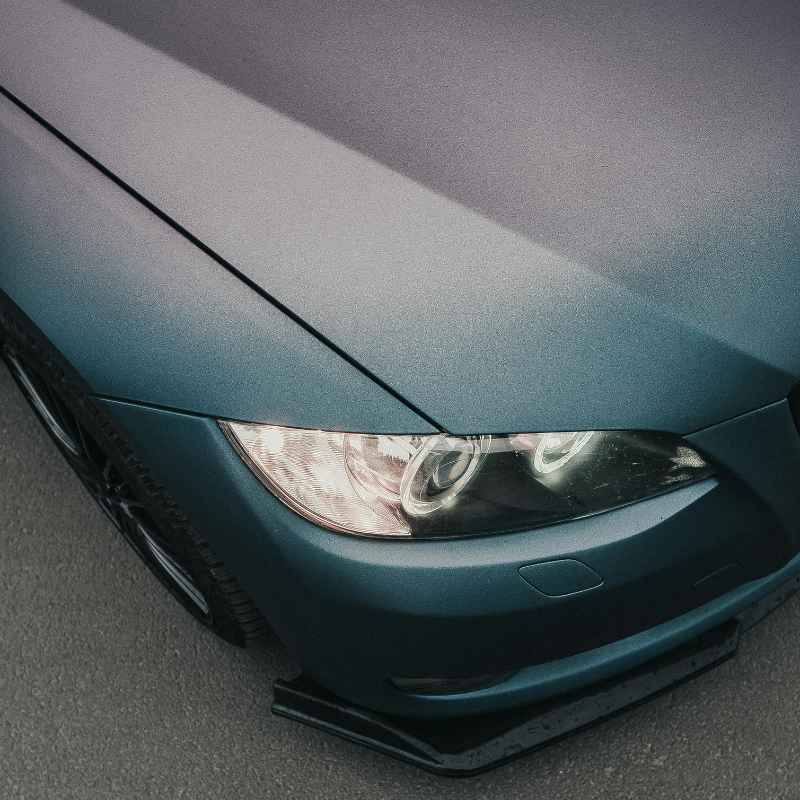
How To Care For Matte Car Paint Without Ruining The Finish
Caring for matte car paint requires gentle methods. Avoid harsh chemicals, abrasive tools, and automatic car washes. Always use pH-neutral soaps, microfiber towels, and specific matte paint detailing products.
Hand washing is the safest and most effective approach.
Understanding Matte Car Paint
Matte paint is different from gloss paint. It doesn’t reflect light like gloss. Instead, it absorbs light.
This gives it that smooth, non-shiny look. This finish is achieved by adding special agents during the paint process. These agents create a textured surface.
This texture is what makes it look flat. It’s not actually rough to the touch. But it’s not perfectly smooth like gloss either.
The way matte paint is made means it needs special care. Because it absorbs light, it can also absorb dirt and oils more easily. Stains can seem to set in faster.
Also, trying to polish or wax it like a regular car can ruin the matte effect. It can create shiny spots. This is because traditional polishes are abrasive.
They are meant to level out imperfections in gloss paint. This is the opposite of what you want for matte paint.
So, the key is gentle cleaning. And using products designed for this specific finish. It’s about respecting the paint’s unique properties.
This ensures it stays looking amazing. It’s not about being difficult. It’s about being informed.
My First Matte Car Experience: A Story of Panic
I remember the first time I saw a car with matte paint up close. It was a sleek, dark grey sports car. Parked right outside a cafe, it just seemed to glow differently.
It looked so modern and cool. I was hooked. A few months later, I bought one myself.
A beautiful matte black sedan. I was over the moon. It felt like driving a supercar.
Then came the first rain. And with the rain, came dirt. Splatters all over the doors and hood.
My heart sank. My first thought was, “How do I clean this?” I had always washed my old glossy cars with a bit of pressure. I used whatever soap I had.
I even used a chamois cloth sometimes. But this matte paint felt different. It felt… delicate.
I imagined myself scrubbing away and accidentally creating a shiny patch. The thought of ruining that perfect matte finish sent a wave of panic through me. I ended up just wiping it down with a dry microfiber cloth.
This just smeared the dirt around. It was a mess. I spent hours online that night.
I felt like an idiot for not knowing. It was a real wake-up call.
The Gentle Art of Washing Matte Paint
Washing your matte car is the most crucial step. It needs a gentle approach. Think of it like washing a delicate fabric.
You wouldn’t use harsh detergent on silk, right? Matte paint is similar. The wrong soap can strip its special coating.
It can leave dull spots or streaks.
Always start with a clean wash mitt. Use a dedicated matte paint car wash soap. These soaps are pH-neutral.
This means they won’t strip away the paint’s properties. They are formulated to lift dirt without harming the finish. Never use dish soap.
Dish soap is designed to cut grease. It’s too harsh for car paint. It can damage the clear coat.
This is especially true for matte finishes.
When washing, use a two-bucket method. One bucket has your soapy water. The other has clean rinse water.
Dip your wash mitt into the soap bucket. Wash a small section of the car. Then, rinse the mitt thoroughly in the clean water bucket.
This removes dirt and grit from the mitt. This prevents you from scratching the paint. It is a simple step that makes a huge difference.
Work from the top of the car downwards. This way, dirty water flows over unwashed areas.
Rinse the car often. Don’t let soap dry on the surface. If it dries, it can leave water spots.
These spots can be hard to remove from matte paint. Use a gentle stream of water for rinsing. Avoid high-pressure washers.
High pressure can force water into tiny crevices. It can also potentially lift or damage the paint edges.
After washing, drying is just as important. Never use a chamois. Chamois cloths can be abrasive.
They can create micro-scratches. These will show up on matte paint. Use soft, plush microfiber drying towels.
These towels are designed to absorb a lot of water. They are also very gentle. Gently pat the car dry.
Don’t rub or scrub. Work in sections. Make sure every drop of water is gone.
Matte Paint Washing Checklist
What You Need:
- Two Buckets
- pH-Neutral Matte Car Wash Soap
- Soft Wash Mitt (Microfiber)
- Plush Microfiber Drying Towels
- Gentle Water Source
Steps:
- Rinse car to remove loose dirt.
- Fill one bucket with soap and water.
- Fill second bucket with clean water.
- Dip mitt in soap, wash a section.
- Rinse mitt in clean water.
- Repeat until car is washed.
- Rinse car thoroughly.
- Gently pat dry with microfiber towels.
Protecting Your Matte Finish
Once your matte car is clean, protection is key. This keeps dirt from sticking. It also guards against environmental damage.
Traditional waxes and polishes are a no-go. They contain abrasives. They can also contain oils.
These oils can create a shine. This will ruin the matte effect. Instead, you need specialized products.
Look for “matte paint sealants” or “matte paint protectants.” These products are designed to create a barrier. This barrier is invisible. It doesn’t add shine.
It repels water, dirt, and UV rays. UV rays can fade paint over time. These sealants are usually spray-on.
They are easy to apply. You just spray a light mist. Then, buff it gently with a clean microfiber towel.
Application is simple. After the car is clean and dry, spray a section. Work in small areas.
Use a clean microfiber towel to spread it evenly. Then, use another clean, dry microfiber towel to gently buff it off. There should be no streaks.
The paint should feel smooth. It won’t look any shinier.
Some products are ceramic coatings. These can also work for matte paint. But you MUST ensure they are specifically made for matte finishes.
A standard ceramic coating might add gloss. Always read product descriptions carefully. Check reviews from other matte car owners.
This ensures you choose the right product for your car.
How often should you apply protection? This depends on the product. Some last a few months.
Others can last up to a year. Follow the manufacturer’s instructions. Reapplying protection regularly is important.
It’s like reapplying sunscreen on a sunny day. It keeps your paint safe.
Matte Paint Protection Options
Type: Matte Sealant
Description: Spray-on synthetic protection. Easy to apply. Repels water and dirt.
UV protection. Lasts 3-6 months.
Type: Matte Ceramic Coating
Description: More durable layer. Offers longer-lasting protection (up to 1-2 years). Requires careful application.
MUST be matte-specific.
Type: Matte Wax
Description: Rare. If found, must be matte-specific. Offers shorter-term protection.
Less common than sealants or coatings.
Things to Absolutely Avoid
Some common car cleaning practices are dangerous for matte paint. Knowing these will save your finish. The biggest no-no is anything abrasive.
This includes polishing compounds. It also includes harsh scrubbing pads. Even some car washes are risky.
Automatic Car Washes: Most automatic car washes use large brushes. These brushes are often dirty. They can scrub away the matte finish.
They can leave swirl marks. Some use harsh chemicals. Always avoid them.
Hand washing is the only safe way.
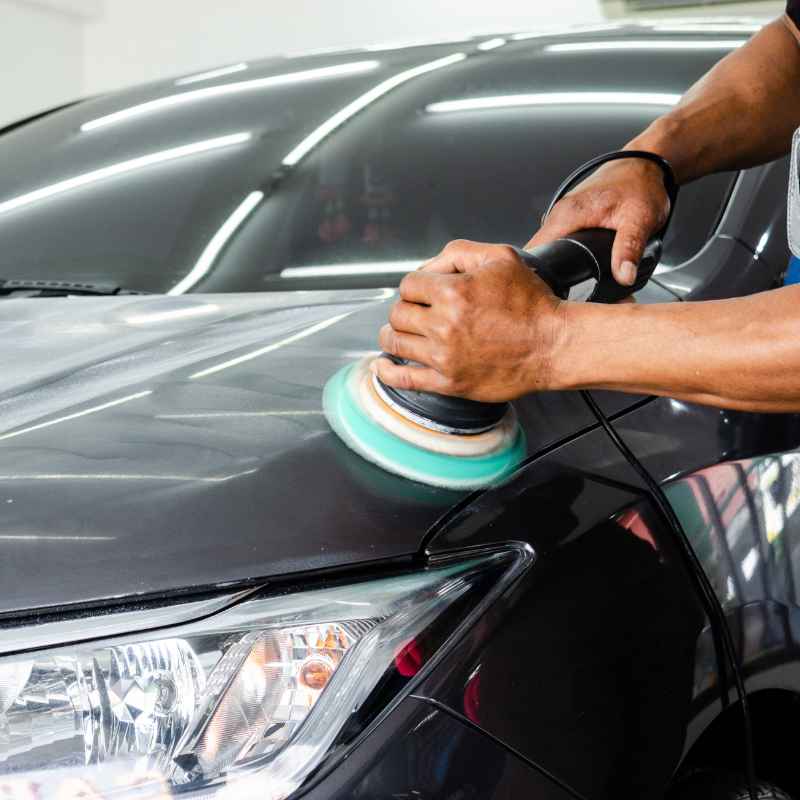
Polishing and Buffing: Traditional polishing is designed to remove defects from gloss paint. It works by abrading the clear coat. This process will destroy the matte finish.
It will create shiny spots. There are some specialized “matte polish” products. But these are rare and require expert knowledge.
For most people, it’s best to skip polishing altogether.
Wax with Oils or Abrasives: Most car waxes contain gloss enhancers. They also contain oils. These will leave a sheen on your matte paint.
They can darken it unnaturally. Stick to dedicated matte paint protectants. These are formulated to be shine-free.
Degreasers and Harsh Solvents: Strong chemicals can strip the paint. They can eat away at the clear coat. Always check product labels.
Make sure they are safe for matte paint. Even bug and tar removers need to be used with caution. Apply them to a small area first.
Circular Motions: When applying products or drying, avoid vigorous circular motions. This can create swirl marks. Instead, use straight-line motions.
Or gentle patting motions.
Matte Paint Danger Zone: What Not To Do
- Automatic Car Washes: Brushes and chemicals cause damage.
- Traditional Polishes: Abrasive, will create shine.
- Glossy Waxes: Contain oils and abrasives.
- Harsh Chemicals: Degreasers, strong solvents strip paint.
- Aggressive Scrubbing: Leads to micro-scratches.
- Circular Buffing: Creates swirl marks.
Dealing with Stubborn Stains and Contaminants
Sometimes, dirt or other substances can be tough on matte paint. Bird droppings, tree sap, and bug splatter are common culprits. You need to act fast.
The longer they sit, the harder they are to remove. And the more likely they are to damage the paint.
For bird droppings or tree sap, use a dedicated bug and tar remover. Ensure it is safe for matte finishes. Apply it to a microfiber towel first.
Then, gently dab the stain. Do not rub hard. Let the product work.
This softens the contaminant. Then, gently wipe it away. Rinse the area with water afterwards.
Follow up with your matte paint cleaner.
Bug splatter can be tackled similarly. Pre-soaking the area with a good quality car wash soap can help. You can also use a dedicated bug remover spray.
Apply it to a cool surface. Let it dwell for a minute or two. Then, gently wipe.
Never use a fingernail or a harsh scraper.
Tar spots might need a specific tar remover. Again, test it on an inconspicuous area first. Dab it on.
Let it sit. Gently wipe it off. Then wash the whole car.
This ensures no residue is left behind.
If you get a scratch, it’s more serious. Deep scratches cannot be buffed out of matte paint. Because there is no gloss layer to polish.
Minor scratches might be less visible. But they are still there. For deep scratches, a professional detailer or body shop might be needed.
They may have special techniques. Or they might need to repaint the panel.
Spot Cleaning Guide for Matte Paint
Problem: Bird Droppings/Tree Sap
Solution: Matte-safe bug & tar remover. Dab with microfiber, then wipe gently. Rinse and wash.
Problem: Bug Splatter
Solution: Pre-soak with car soap. Use matte-safe bug spray. Dab and wipe.
Rinse.
Problem: Tar Spots
Solution: Matte-safe tar remover. Test first. Dab, let sit, wipe.
Wash car.
Problem: Minor Scratches
Solution: Often difficult to remove without affecting finish. May be less visible. Deep scratches need professional attention.
Interior Care for Matte Cars
While we focus on the exterior, don’t forget the inside. Interior care for a matte car is generally less strict. However, some materials can still be affected by harsh cleaners.
For dashboards and trim, use a dedicated interior cleaner. Make sure it is safe for matte surfaces. Some cleaners can leave a greasy or shiny residue.
This can look out of place. Opt for matte or satin finish interior products. These will maintain the interior’s original look.
For leather seats, use a leather cleaner and conditioner. Most are safe for car interiors. But avoid products with heavy dyes.
Or those that add a high shine. Wiping down with a slightly damp microfiber cloth is also a good way to remove dust. Regular vacuuming is essential.
For floor mats, follow the manufacturer’s recommendations. Rubber mats can usually be cleaned with soap and water. Carpet mats might need a fabric cleaner.
Again, check for any potential for shine or discoloration.
Protecting the interior from sun damage is also important. Use a sunshade when the car is parked. This prevents the dashboard from cracking.
And the interior from fading.
Common Misconceptions About Matte Paint Care
There are a lot of myths out there about matte paint. Let’s clear some up. Many people think matte paint is impossible to keep clean.
Or that it requires constant, expensive professional detailing. This isn’t entirely true.
Myth 1: You can never use wax.
This is mostly true, but with a caveat. You can’t use traditional glossy waxes. But there are specific matte waxes and sealants.
These are shine-free. They offer protection. So, you can “wax” your matte car, but you must use the right product.
Myth 2: You can’t use a pressure washer at all.
While high pressure is bad, a very low-pressure rinse can be used. But it’s risky. The safe bet is to stick to a garden hose.
Or a gentle stream of water. Avoid pointing the nozzle directly at the paint. Keep a safe distance.
Myth 3: Any scratch means repainting.
Minor scratches may be hard to see on matte paint. Because they don’t reflect light. Some very light surface scratches might blend in over time.
Or become less noticeable. But deep scratches that go through the paint layer will need professional attention. They won’t just disappear.
Myth 4: Matte paint is just a wrap.
While vinyl wraps can create a matte look, factory matte paint is a special type of paint finish. It’s applied like any other paint but with unique additives. It’s not a sticker.
Understanding these differences is key. It helps you avoid common mistakes. And maintain your car’s unique appearance.
When to Call a Professional Detailer
While you can handle most daily cleaning, some tasks are best left to the experts. Professional detailers have the tools, knowledge, and products. They can handle tough situations.
And they ensure the best possible results.
Deep Contamination: If your car has been exposed to harsh industrial fallout. Or if it has heavy tar buildup. A pro can safely remove it.
They know how to use stronger chemicals safely. Or use specialized clay bars for matte paint.
Scratch Repair: For anything beyond a very light surface scratch. A professional can assess the damage. They may have techniques to minimize its appearance.
Or advise on the best course of action, like panel repainting.
Paint Correction: If your matte paint has lost some of its luster. Or if it has been damaged by improper washing. A detailer can perform specialized matte paint correction.
This is not polishing. It might involve gentle compounding or specific treatments. It aims to restore the matte look without adding shine.
Ceramic Coating Application: While some DIY ceramic coatings are available, professional application ensures full coverage. And proper curing. This maximizes the coating’s lifespan and effectiveness.
Full Re-Detailing: For a complete refresh. Or before selling your car. A professional detailer can bring your matte finish back to its best.
They have access to higher-end products. And more advanced techniques than typical DIYers.
Don’t be afraid to seek professional help. It’s an investment in your car’s appearance. And its long-term value.
It ensures the job is done right. And that your matte finish remains pristine.
Professional Matte Paint Services
- Industrial Fallout Removal
- Heavy Tar & Sap Removal
- Deep Scratch Assessment & Repair
- Specialized Matte Paint Correction
- Professional Ceramic Coating Application
- Full Paint Rejuvenation
Frequently Asked Questions About Matte Car Paint Care
Can I use a clay bar on matte paint?
Yes, but only use a clay bar specifically designed for matte finishes. Regular clay bars can be too abrasive. Always use a liberal amount of clay lubricant.
Work gently in straight lines.
What is the best way to dry a matte car?
Gently pat the car dry with soft, plush microfiber drying towels. Avoid rubbing. Work from the top down.
Ensure all water is removed to prevent spots.
Can I use a microfiber towel for washing matte paint?
Absolutely! Use a high-quality microfiber wash mitt. And high-quality microfiber drying towels.
These are essential. They are gentle and absorbent. Avoid old rags or sponges.
How often should I wash my matte car?
It’s best to wash your matte car regularly. Aim for every one to two weeks. Or sooner if it gets very dirty.
Or exposed to harsh contaminants like bird droppings.
What if I accidentally put a shiny spot on my matte paint?
This is a common concern. If it’s a very light shine from a product residue, a dedicated matte paint cleaner might help. Gently wipe the area.
For a true shine from polishing, it may require professional correction. Or even repainting of that panel.
Can I use car wash soaps with wax in them on matte paint?
No. Car wash soaps that claim to add wax will add shine. This is not suitable for matte paint.
Always use a pH-neutral soap specifically made for matte finishes.
Final Thoughts on Matte Paint Maintenance
Caring for matte car paint is about being mindful. It requires using the right tools and products. Gentle washing and proper protection are your best allies.
Avoid abrasive materials and harsh chemicals. Stay informed about specialized matte paint care. Your matte car will continue to turn heads.
Enjoy its unique, sophisticated look for years to come.
Products related to this article
Sponsored / affiliate links. As an Amazon Associate I earn from qualifying purchases. I may earn additional commission from eligible campaigns.