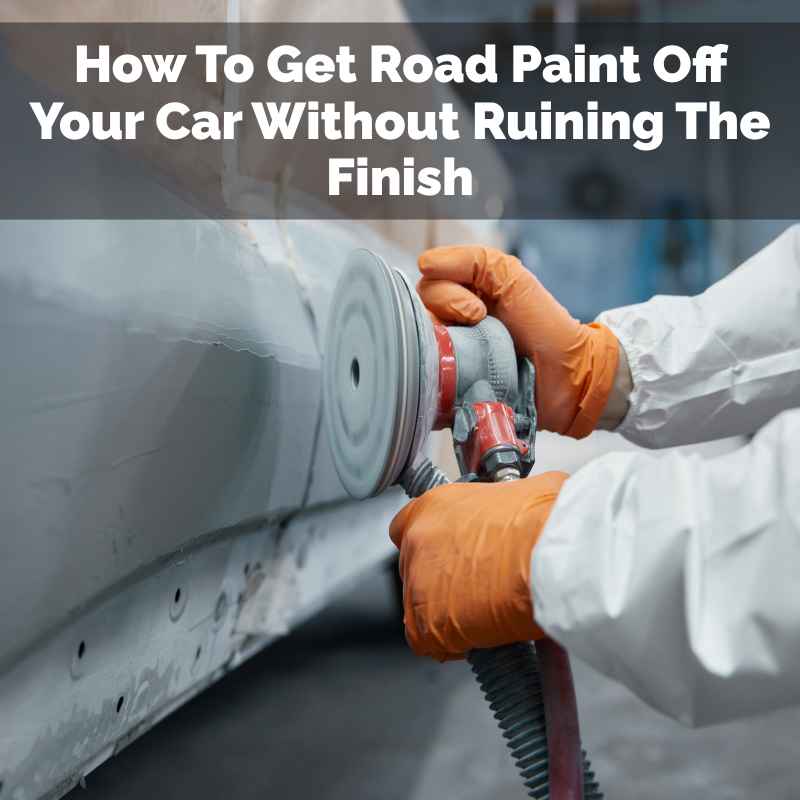
How To Get Road Paint Off Your Car Without Ruining The Finish
Finding a splotch of road paint on your car can feel like a punch to the gut. You just want to drive, not deal with a messy art project left by a passing truck. It’s frustrating, especially when you’re worried about scratching or dulling your car’s beautiful paint job.
We’ve all been there, staring at that unsightly mark, wondering what on earth to do. This guide will walk you through simple, safe ways to get that paint off. You’ll learn how to protect your car and get it looking great again, all without causing more harm.
The safest way to remove road paint from your car involves gentle cleaning products and techniques that lift the paint without abrading the clear coat. Start with warm, soapy water and a microfiber cloth. If that doesn’t work, consider specialized automotive tar and bug removers or isopropyl alcohol, always testing in an inconspicuous area first. Clay bar treatments and professional detailing are also effective options for stubborn marks.
Understanding Road Paint on Your Car
Road paint, often called traffic paint or highway marking paint, is designed to be tough. It needs to stick to asphalt and concrete in all weather. This means it’s made of strong pigments and binders that are meant to last.
When it hits your car, usually from a passing striping machine or a chipped can, it can adhere quite stubbornly to the finish. The type of paint matters too. Some are water-based, while others are solvent-based.
This can affect how easy or hard it is to remove.
The biggest worry for car owners is damaging the car’s clear coat. This is the protective layer on top of your car’s paint. If you rub too hard or use harsh chemicals, you can scratch, dull, or even remove this layer.
Once the clear coat is gone, your car’s paint is vulnerable to sun damage, rust, and fading. So, the goal is always to remove the road paint gently. It’s about finding a balance between effective cleaning and preserving your car’s finish.
My Own Road Paint Nightmare
I remember one sweltering summer afternoon. I was driving back from a client meeting, feeling pretty good. Suddenly, I passed a construction zone where they were repainting lane lines.
A huge spray of bright yellow paint misted my entire passenger side door. My heart sank. It looked like a giant highlighter had gone wild on my otherwise pristine car.
Panic set in. I pictured myself trying to scrub it off with steel wool and ruining everything. I pulled over at the next rest stop, my hands shaking a little.
The yellow paint was already starting to look set. I felt so helpless and annoyed. I just wanted my car to be clean again, but I was terrified of making it worse.
That day taught me a valuable lesson. It’s not just about removing the mess, but doing it the right way. Rushing or using the wrong tools can create a much bigger problem than the paint splatter itself.
I ended up carefully using a detailing spray and a soft cloth. It took time and patience, but it worked. This experience made me really dig into the best methods.
I wanted to be prepared for any future paint mishaps, and more importantly, I wanted to share what I learned so others wouldn’t have to feel that same panic.
Quick First Steps for Fresh Paint
See it? Act fast! Fresh road paint is much easier to remove than dried paint. If you notice paint splatters right away:
- Don’t rub! Rubbing can spread the paint and press it into the clear coat.
- Gently wipe. Use a clean microfiber cloth or paper towel. Try to lift the paint off in one piece if possible.
- Warm water and soap. For very fresh, light splatters, a good wash with car soap and water might be enough.
Starting with the Gentlest Approach
The very first thing you should always try is the least aggressive method. This usually involves basic car washing supplies. Think of it like this: you wouldn’t use a sledgehammer to crack a nut.
The same idea applies to your car’s paint. Starting gentle means you’re less likely to cause accidental damage. Even if it takes a little more effort, it’s worth it for the sake of your car’s finish.
Begin by washing the affected area with a high-quality car wash soap and plenty of water. Use a soft microfiber wash mitt. This helps lubricate the surface and lift away dirt and contaminants.
Rinse thoroughly. Sometimes, especially with water-based paints, this step alone can remove the splatters. If the paint is still there, don’t despair.
It just means you need to move to the next level of gentle cleaning.
After washing, dry the area with a clean, plush microfiber drying towel. This ensures you don’t create water spots. Inspect the paint closely.
If the splatters are still visible, it’s time to consider a slightly more targeted approach, but still keeping things as mild as possible. Remember, patience is key here. Rushing the process is what leads to mistakes.
When Soapy Water Isn’t Enough
If a good wash doesn’t do the trick, the next step is to use a dedicated automotive cleaner designed for tough stuff like tar or bug residue. These products are formulated to break down sticky, stubborn materials without harming your car’s paint. They are a step up from regular car soap but still much safer than harsh household cleaners.
Products like automotive tar and bug removers or even a specialized bug and tar remover are excellent options. They often contain mild solvents that can dissolve the paint’s binders. Always follow the instructions on the product label precisely.
Most will tell you to spray the product onto a clean microfiber towel first, not directly onto the painted surface. Then, gently dab or wipe the road paint spot.
Work in small sections. After applying the cleaner to the towel and then to the paint spot, let it sit for a minute or two, as per the product’s directions. You should see the paint start to soften or lift.
Then, gently wipe the area with a clean part of the towel. You might need to repeat this a few times for stubborn spots. Always use a fresh, clean part of the microfiber towel to avoid re-applying dissolved paint back onto your car.
Testing New Cleaners Safely
Before using any new product on a large area of your car, always test it first. Find a spot that’s not easily seen, like the lower part of a door or near the fender well. Apply a small amount of the cleaner to a microfiber towel, then dab it onto the test spot.
Wait a few minutes and then wipe. Check for any discoloration, dulling, or damage to the paint. If the test spot looks good, you can proceed with more confidence.
Isopropyl Alcohol: A Powerful Option (Use with Caution!)
Isopropyl alcohol, commonly known as rubbing alcohol, is a versatile cleaner. It can be very effective at dissolving many types of coatings, including some paints. Many car detailers keep a bottle of 70% or 91% isopropyl alcohol on hand for cleaning tasks.
It’s generally safe for car paint in moderation, but it’s important to use it correctly to avoid any issues.
For road paint, you’ll want to use a higher concentration, like 91% isopropyl alcohol. Again, the key is to apply it to a microfiber towel, not directly onto the car’s surface. Dampen the towel with the alcohol.
Gently dab at the road paint splatters. You should notice the paint starting to soften and lift onto the towel. Keep dabbing and rotating to a clean section of the towel.
The big caution with isopropyl alcohol is that it can dry out certain types of sealants or waxes. Therefore, after using alcohol, it’s crucial to wash the area with car soap and water. Then, apply a fresh coat of wax or sealant to protect the clear coat.
This step is not optional; it’s essential to restore the protective layer that the alcohol might have slightly compromised. Never let alcohol sit on your paint for extended periods.
The Clay Bar Treatment
If the paint is still stubbornly clinging to your car, a clay bar treatment is often the next best step. A clay bar is a synthetic material that is slightly abrasive but safe for car paint. It works by grabbing onto contaminants like overspray, tree sap, and yes, road paint, and lifting them off the surface.
It’s like a deep clean for your car’s paint.
You’ll need a detailing clay bar, a lubricant spray (often sold with the clay or you can use a diluted car soap solution), and several clean microfiber towels. Start by washing and drying the car. Then, spray a generous amount of lubricant onto a small section of the car where the paint is.
Take a piece of the clay bar and flatten it into a patty. Gently glide the clay bar over the lubricated area. You should feel the clay bar grab onto the paint splatters.
Keep working the clay bar back and forth. As the clay picks up paint, fold it over to expose a clean surface. This prevents you from rubbing the embedded paint back onto your car.
After you’ve worked an area with the clay bar, wipe it clean with a microfiber towel. Then, re-apply lubricant and continue to the next section. Once you’ve clay-barred the entire car, or at least all the areas with road paint, you’ll need to wash the car again.
Finally, it’s highly recommended to apply a fresh coat of wax or sealant. Claying can strip away existing protection, so this step is vital for maintaining your car’s finish.
Clay Bar vs. Other Methods
Clay Bar: Best for embedded contaminants and a deep clean. Removes road paint effectively when other methods fail. Requires lubrication and re-waxing.
Tar Remover: Good for dissolving sticky residues. Less effective for dried paint. Generally safe but check labels.
Isopropyl Alcohol: Strong solvent. Effective but can strip wax/sealant. Use sparingly and follow with protection.
Considering Specialized Products
Beyond general tar and bug removers, there are also products specifically marketed for removing paint overspray from cars. These products can be very effective for stubborn road paint. They are often more potent than general cleaners and are formulated to break down paint without harming automotive finishes.
When choosing one, look for reviews from other car owners or consult with a professional detailer.
Always read and follow the product instructions carefully. Some paint overspray removers might require a specific application process, such as applying the product and allowing it to dwell for a certain amount of time before wiping. Others might be designed to be used with a clay bar.
The key is to understand how the product works and what precautions to take.
After using any specialized paint remover, it’s essential to thoroughly wash the car. Then, apply a good quality wax or sealant. These products not only protect your paint but also add a layer of gloss and shine, making your car look as good as new.
Think of it as giving your car a protective spa treatment after its ordeal.
What About More Aggressive Solvents?
There are stronger solvents out there, like mineral spirits or even lacquer thinner. While these can remove paint, they are generally not recommended for use on automotive paint unless you are an experienced detailer and know exactly what you are doing. These chemicals are very potent and can easily damage your car’s clear coat and paint, causing permanent dulling, melting, or discoloration.
If you are tempted to try something stronger, please reconsider. The risk of permanent damage far outweighs the potential benefit. It’s always better to invest a little more time and use safer methods.
If the road paint is proving incredibly difficult with the recommended methods, it might be time to seek professional help. A good detailer has the knowledge, tools, and experience to handle tough situations without damaging your vehicle.
Myth vs. Reality: Paint Removal Myths
Myth: Toothpaste can remove road paint.
Reality: Toothpaste is mildly abrasive. While it might remove very light overspray, it can easily create micro-scratches on your clear coat, dulling the finish. It’s not designed for automotive paint.
Myth: A magic chemical will instantly dissolve all paint.
Reality: While some strong chemicals exist, they are often too harsh for car paint. Safe removal requires patience and gentle, layered approaches.
When to Call a Professional Detailer
Sometimes, you just can’t get the road paint off yourself, or you’re too worried about causing damage. That’s perfectly okay! Professional detailers are trained to handle all sorts of car cosmetic issues.
They have access to specialized tools and products that are not readily available to the public. They also have the expertise to know which product to use on which type of paint and finish.
If the road paint covers a large area, is old and baked on, or if you’ve already tried some methods that didn’t work, it’s probably time to call a pro. They can often remove even very stubborn paint splatters without leaving any trace behind or harming your car’s finish. They can also restore the shine and protection to your paint afterward.
The cost of a professional detail might seem high, but it’s often less than the cost of repairing significant paint damage caused by improper DIY attempts. Think of it as an investment in preserving your car’s appearance and value. When in doubt, professional help is usually the safest and most effective route.
When to Worry: Signs of Paint Damage
Pay close attention for these signs while cleaning:
- Dulling: If the paint looks less shiny or appears faded in the cleaned area.
- Scratches: Visible lines or swirls in the paint, especially under bright light.
- Discoloration: A change in the paint’s color.
- Texture changes: If the surface feels rougher or uneven after cleaning.
If you see any of these, stop cleaning immediately and consult a professional.
How to Prevent Road Paint Splatters
The best way to deal with road paint is to avoid it in the first place. While you can’t control road crews or passing trucks, you can take some preventive measures. Being aware of your surroundings is the first step.
If you see a striping truck or a construction zone, give them extra space. Slow down if necessary and try to move into a different lane if possible, to avoid driving through any fresh paint.
Some car owners choose to apply protective coatings to their vehicles. A high-quality wax or a ceramic coating can add an extra layer of defense against contaminants. While these won’t make your car immune to road paint, they can make it easier to remove if splatters do occur.
The slicker surface can sometimes prevent the paint from bonding as strongly.
Keeping your car clean regularly can also help. A clean car with a fresh coat of wax is generally more resilient to contaminants than a dirty car. So, a good regular washing and waxing routine is your best defense.
It’s like building up your car’s natural immunity against the everyday hazards of the road.
Frequently Asked Questions About Road Paint Removal
Can I use a magic eraser on road paint?
Magic Erasers are highly abrasive and can easily damage your car’s clear coat. It’s best to avoid them for removing road paint. Stick to softer, automotive-specific cleaning methods to protect your paint finish.
What if the paint is on my plastic trim?
For plastic trim, start with the gentlest methods like car soap and water. If that doesn’t work, try a mild all-purpose cleaner. Isopropyl alcohol can also be used, but test in an inconspicuous spot first as it can sometimes dull plastic.
Avoid harsh abrasives or strong solvents.
How long does it take for road paint to dry and become hard?
Road paint can dry very quickly, sometimes in just a few minutes, especially in warm, dry weather. However, it can take longer to fully cure and harden. Fresh paint is easier to remove.
The longer it sits, the harder it becomes to get off without potentially damaging the car’s finish.
Is it safe to use gasoline to remove paint?
No, gasoline is a very strong solvent and is extremely harsh on automotive paint. It can strip away the clear coat, dull the paint, and even damage the underlying plastic or rubber components. Never use gasoline or other strong fuel-based solvents on your car’s paint.
What is the difference between car wax and a ceramic coating for protection?
Car wax provides a protective layer and shine but typically lasts for a few weeks to a few months. A ceramic coating is a more durable synthetic sealant that bonds with your car’s paint, offering protection for years. Both can help make contaminant removal easier.
Can I use a power washer to remove road paint?
Using a power washer on high pressure can potentially damage your car’s paint, especially if the paint is already compromised or if you hold the nozzle too close. It’s generally safer to use hand-washing techniques or gentle spray bottles for applying cleaners. If you use a power washer, use a wide fan tip and keep a safe distance.
Final Thoughts on a Spotless Finish
Dealing with road paint on your car is a pain. But by using the right approach, you can get it off without causing damage. Start gentle, test products, and be patient.
Your car’s paint is a valuable asset, and it deserves careful treatment. Remember, a clean car is a happy car!
Products related to this article
Sponsored / affiliate links. As an Amazon Associate I earn from qualifying purchases. I may earn additional commission from eligible campaigns.
 Car Scratch Remover for Vehicles, Car Paint Scratch Repair Kit for Light Scratches, Swirl Marks, Scuffs & Water Spots, Comes with Sponge, Safe for All Paint Colors, 100g, 1 Pack
 Car Paint Scratch Remover with Hand Application, 100g / 3.53oz Exterior Paint for Daily Finish Upkeep and Light Scratch Care Car Remover Hand Apply Exterior Care Light Auto Finish Upkeep Water