How to Remove License Plates from a Car: Easy Guide
Have you ever found yourself staring at your car’s license plate, wondering how to remove it without causing any damage or hassle? Maybe you’re changing your plates, selling your car, or simply updating your registration.
Whatever the reason, you want this process to be quick, safe, and easy. In this guide, you’ll discover straightforward steps to remove your license plates effortlessly. Imagine the satisfaction of getting it done right the first time, with no scratches or frustration.
By the end of this article, you’ll feel like a pro, equipped with the knowledge to tackle this task confidently. Let’s dive in and make your license plate removal a breeze!
Tools Required
Flathead and Phillips screwdrivers are important. They help remove screws easily. Choose the right one for your car. Some cars need special types.
Check the screws on your license plate. Match them with the screwdriver. This will make the job easy and fast.
Gloves protect your hands. They keep you safe from sharp edges. Wear safety goggles. They guard your eyes from dust and debris.
Use a mask to avoid breathing dust. These items keep you safe. Always wear them when working on your car.
Preparing The Vehicle
Find a safe place to park the car. Make sure the ground is flat. It’s better to park in a garage. The car should not be near the street. Safety is very important. Keep the car away from traffic. You will need space to move.
Turn off the engine first. Pull the handbrake up. This keeps the car in one place. Make sure the car is steady. Check if the car rolls back or forward. If it moves, find a level spot. Use wheel blocks for more safety. These blocks help the car stay still.
Removing Front License Plate
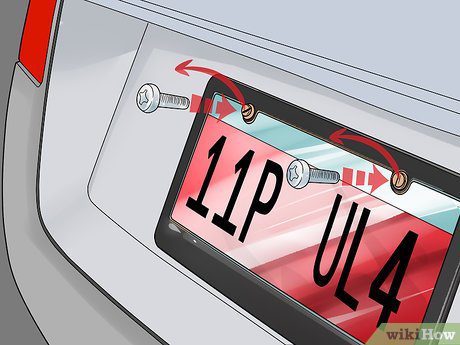
First, find the screws holding the plate. Usually, they are on the corners. Check if the screws are rusty or damaged. You might need a screwdriver to remove them. Keep the screwdriver nearby for easy reach. Ensure your car is parked safely.
Use the screwdriver to turn the screws counterclockwise. This will loosen them. Hold the plate with your other hand. This keeps it from falling. Once the screws are out, gently remove the plate. Put the screws in a safe place. You might need them later.
Removing Rear License Plate
Open the trunk of your car. Look for screws or bolts near the plate. They hold the plate in place. Use a screwdriver to loosen them. Keep screws safe for later use. Some cars have covers on screws. Remove these covers gently. Check if the plate is stuck. Wiggle it lightly if needed.
Once screws are loose, pull the plate away. Sometimes, there are clips holding it. Release these clips carefully. Be gentle to avoid breaking them. If the plate is still stuck, check for extra screws. Remove any that you find. Hold the plate steady while removing. Once free, place it aside safely.
Handling Rusted Screws
Removing license plates can be tricky with rusted screws. Use penetrating oil to loosen them. Gently turn with a screwdriver. If stuck, try pliers for extra grip.
Applying Penetrating Oil
Rusted screws can be tricky. Use penetrating oilto loosen them. Spray the oil on the screw. Wait for a few minutes. The oil helps to break the rust. Try turning the screw again. It should be easier now. If still stuck, add more oil. Repeat the steps. Be patient and careful.
Using Alternative Tools
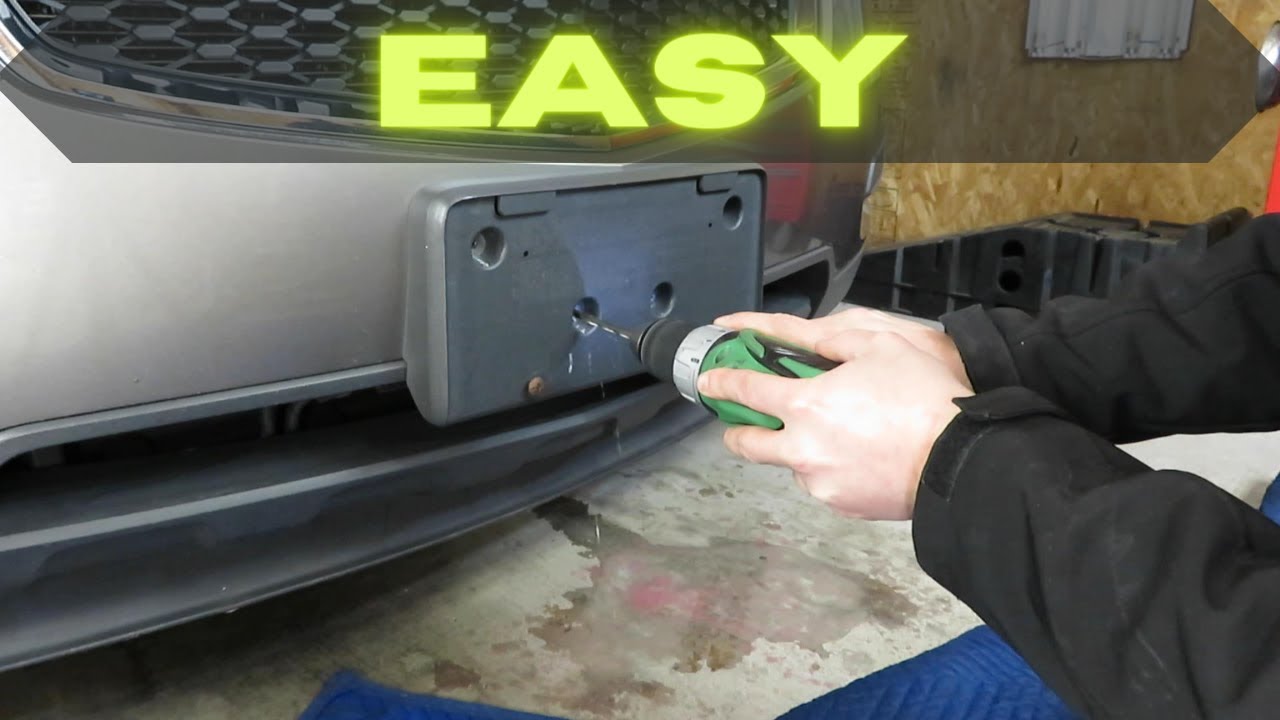
Standard tools might not work well. Try using a rubber mallet. Tap the screw gently. This can help loosen it. Use a screw extractorfor stubborn screws. It grips better than regular tools. If you have a drill, use it carefully. Start with a slow speed. Avoid damaging the screw or plate. Always ensure safety first.
Storing Old License Plates
Start by loosening the screws with a screwdriver. Hold the plate firmly as you remove each screw. Once detached, store the license plate in a safe place for future use.
Cleaning The Plates
Old license plates need to be clean before storing. Use a soft cloth to wipe away dust. Warm soapy water helps remove dirt. Rinse the plates well with clean water. Dry them with a towel. Make sure they are completely dry. This prevents rust and damage.
Choosing Storage Options
Storage for license plates is easy. Cardboard boxes work well. They keep plates safe. Plastic bins are also good. They protect from moisture. Stack plates carefully to avoid scratches. Keep them in a cool, dry place. Avoid areas with high humidity. This keeps plates in good shape for a long time.
Installing New Plates
Aligning the new plateis very important. Hold the plate up to the car. Make sure the holes match. The plate should sit straight. Adjust it until it looks right. It’s simple. Just check it twice to be sure.
Securing with screwsis the next step. Take a screw and place it in a hole. Turn the screw with a screwdriver. Do not make it too tight. Repeat for all holes. The plate should stay firm. If it moves, tighten the screws a bit more.
Credit: www.youtube.com
Checking Legal Requirements
Different states have different rules. Some need special permits. Others may not. Always check the local DMV website. It gives the right information. Following rules is important. This avoids any trouble.
Make sure your car is ready. Ensure you have all documents. This includes registration and ID. Have a screwdriver ready. Some plates need it. Check for stickers on your plates. Some states require them. Remove them carefully if needed. Keep them safe for later use.
Troubleshooting Common Issues
Removing license plates from a car involves loosening screws with a screwdriver. Carefully slide the plate out, ensuring no parts are left behind. Proper handling prevents damage to the vehicle or plate.
Dealing With Stuck Screws
Stuck screws can be frustrating. Try using a screwdriver with a good grip. Sometimes, a drop of penetrating oil helps. Wait for a few minutes after applying. This lets the oil work. Then, try again. If it’s still stuck, use a rubber band. Place it between the screw and the screwdriver. It gives better traction. Another option is a screw extractor. This tool is handy for stubborn screws. Be careful not to apply too much force.
Avoiding Plate Damage
Protecting your license plate is important. Use a soft cloth when handling. This prevents scratches. Avoid using sharp tools directly on the plate. They can cause dents or bends. If the plate won’t budge, check the holder. Sometimes the problem is there. Make sure to unscrew all parts holding the plate. Gentle pressure is key when removing the plate. This keeps it safe from damage.

Credit: www.wikihow.com
Frequently Asked Questions
How Do I Remove A License Plate Safely?
To safely remove a license plate, use a screwdriver to unscrew the bolts holding the plate. Keep the screws in a safe place for reinstallation. Gently pull the plate away from the vehicle, ensuring not to scratch the car’s paint.
What Tools Are Needed To Remove License Plates?
To remove license plates, you’ll need a screwdriver, usually a Phillips or flathead. Ensure you have the correct size to avoid stripping the screws. Additional tools like pliers might help if screws are rusted or stuck.
Can I Remove A License Plate Without Tools?
Removing a license plate without tools is challenging. Typically, a screwdriver is essential for loosening the screws. If screws are hand-tightened, you might manage, but it’s not recommended for a secure fit.
Is It Legal To Drive Without A License Plate?
Driving without a license plate is illegal in most areas. Plates are required for vehicle identification and law enforcement. Always ensure your vehicle displays a valid, registered license plate before driving.
Conclusion
Removing license plates is straightforward with the right steps. Start by gathering necessary tools like a screwdriver. Then, loosen screws and detach the plate gently. Be cautious to avoid damaging the car. Clean the area to ensure no residue is left.
Store or dispose of the old plates responsibly. Remember, safety is important. Check local regulations if needed. Now, you’re ready to install new plates or drive without them. This simple task can be done quickly with minimal effort. Enjoy the process, and drive safely!