How to Rent My Car on Turo: Requirements, Fees and Insurance
Yes, you can rent your own personal car on Turo, and most hosts keep between 70% and 90% of what each trip earns, depending on the protection plan they pick.
The catch is that Turo will not list just any car. Your vehicle has to be under 12 years old with fewer than 130,000 miles, and Turo’s liability coverage only applies while the car is actively on a trip – not while it is sitting in your driveway waiting for a booking. Get either of those wrong and you can end up with a rejected listing or a real coverage gap.
This guide covers what actually determines whether renting your car on Turo is worth it: the vehicle requirements, what each protection plan costs you in commission, what your insurance does and does not cover, and what the IRS expects you to do with the income. If you want the click-by-click listing walkthrough, we have a separate step-by-step Turo host guide for that.
Can You Really Rent Out Your Own Car on Turo?
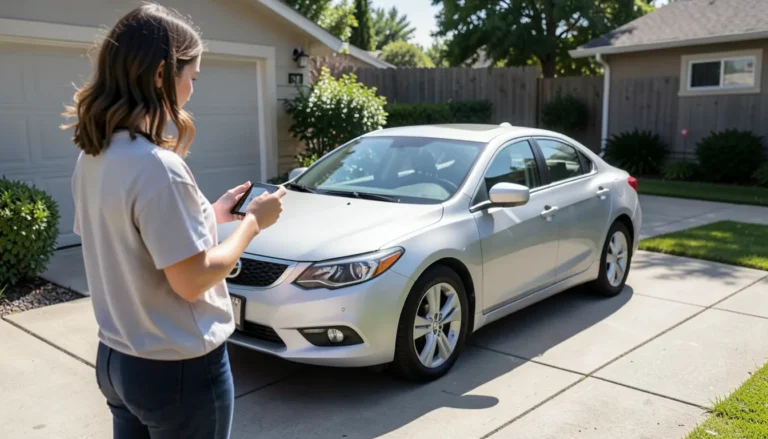
Turo is built specifically for this. It is a peer-to-peer car-sharing marketplace, meaning the cars on it are not a corporate rental fleet – they belong to regular owners who list a vehicle they already own and drive it themselves the rest of the time. A host can list one car parked in their own driveway, or run several vehicles as a small side business; both are common on the platform.
What Turo will not allow is listing a car you do not legally own or have full authority to rent out – that rules out a car still financed under someone else’s name without their consent, or a leased vehicle if your lease agreement bans commercial use (many do; check the fine print before you list a leased car). Beyond that, ownership is straightforward: if the title is in your name and the car meets Turo’s condition standards below, you can list it.
FOR DOCUMENTING TRIPS
 |
70mai A810 Lite 4K Dash Cam, Front and Rear – $89.99 Since Turo’s liability coverage only kicks in during an active trip, a dash cam with parking mode gives hosts their own record of what happened to the car before, during, and after a rental.
|
Turo Host Vehicle Requirements
Before you can list a car, both you and the vehicle have to clear Turo’s eligibility bar. As a host, you need to be at least 21 years old and have a valid driver’s license and proof of your own auto insurance. The vehicle side has more specific rules:
- Model year: under 12 years old in the U.S. and Canada
- Mileage: under 130,000 miles at the time you list it (a car can keep earning past that mark later, as long as it stays in excellent condition)
- Title: no salvage, rebuilt, or otherwise branded title
- Condition: passes a basic safety and mechanical check – no active recalls, working lights and brakes, no major cosmetic damage
- Registration: currently registered and legally allowed to be driven in your state
None of these are negotiable. Turo runs an automated check during listing and can reject or later delist a car that fails any of them, so it is worth confirming your mileage and title status before you spend time writing a listing.
How Much Does Turo Actually Take? Comparing the Protection Plans
This is the number that decides whether renting your car is worth your time. Turo does not charge a flat listing fee – instead, it takes a commission out of every trip, and the size of that commission depends on which of three host protection plans you choose. The trade-off is simple: the plan that pays you the biggest share also makes you personally responsible for more of the cost if the car gets damaged.
| Protection plan | What you keep per trip | Your damage responsibility |
|---|---|---|
| More Peace of Mind | Around 65–80% | As low as $250 |
| Balanced | Around 75–90% | Mid-range |
| More Earnings | Around 85–100% | Highest – you cover more out of pocket |
In most U.S. markets those payout ranges are fixed by plan. In a handful of larger cities – among them Austin, Dallas, Detroit, Las Vegas, Phoenix, San Diego, and Seattle – Turo instead adjusts your exact share dynamically based on how far in advance a guest books, so the same plan can pay out anywhere within its listed range depending on the trip. Either way, the plan that lets Turo keep the least (More Earnings) is also the one where you are on the hook for the biggest repair bill if something goes wrong, so factor your own risk tolerance in, not just the headline payout percentage.
What Insurance Actually Covers You as a Host
Every Turo host protection plan comes with third-party liability coverage through Travelers, up to $750,000, but that coverage is only active while your car is on an active trip – from the moment a guest’s trip starts to the moment it ends. It does not cover the car while it is parked at your house waiting for the next booking, and it does not replace your own personal auto policy.
That means most hosts need two layers of coverage: their own personal or commercial auto policy for the time the car is not on a trip, and Turo’s protection plan for the time it is. Some standard personal auto insurers exclude coverage for cars used in ride-share or car-sharing programs entirely, so it is worth calling your insurer directly and asking whether your policy stays valid for a car listed on Turo, or whether you need a rider or a separate commercial policy to close that gap.
Coverage rules also vary by state, and insurance regulations for peer-to-peer car-sharing platforms have been changing state by state, so confirm the current minimums for your state directly on Turo’s insurance page before you rely on any number here.
Document Your Car Before and After Every Trip
Damage disputes are the most common way a Turo rental goes wrong for a host, and the fix is almost entirely preventable: photograph the car before you hand off the keys and again the moment it comes back. Get the odometer, the fuel or charge level, all four exterior panels, and any existing scratch or scuff, then repeat the same shots at return. Turo’s own check-in and check-out flow in the app is built around exactly this comparison, and hosts who skip it are the ones who struggle to get reimbursed when a guest disputes a damage claim.

A dash cam with parking mode extends that same protection to the time the car spends waiting between trips or sitting at a delivery location, which is exactly when a phone-camera walkaround will not help you.

Taxes: What You Owe on Turo Income
Turo income is taxable self-employment income whether or not you receive a tax form for it. As of the 2026 tax year, Turo (as a third-party payment platform) is only required to send you a Form 1099-K if you earned more than $20,000 and had more than 200 transactions in a year – a threshold most individual hosts with one or two cars will never hit. That reporting rule only affects when the platform has to tell the IRS about your earnings; it does not change your own obligation to report every dollar of Turo income on your tax return, even if you never get a 1099-K.
On the deduction side, hosts can typically write off expenses tied to the rental use of the car – a portion of depreciation, maintenance, cleaning, Turo’s commission itself, and mileage or actual expenses for the time the car is being used to generate rental income. Keep every receipt and log the car’s odometer reading regularly, since your trip-photo habit from the section above doubles as decent backup documentation if you are ever asked to substantiate a deduction. A tax professional familiar with gig and rental income can tell you whether Schedule C or Schedule E is the right form for your situation, since it depends on how actively you manage the listing.
Frequently Asked Questions
Can I rent out my own personal car on Turo?
Yes. Turo is designed for individual owners to list a car they already drive personally, not a rental company’s fleet. The car just needs to be titled in your name (or you need documented authority to rent it out) and meet Turo’s age, mileage, and condition requirements.
What are the basic requirements to list a car on Turo?
The host must be at least 21 with a valid license and their own insurance. The car must be under 12 years old, under 130,000 miles when listed, free of a salvage or branded title, currently registered, and in safe mechanical condition.
How much of the trip price does Turo take?
Turo’s commission ranges from about 10% to 30% of the trip price, depending on the host protection plan you choose. That means most hosts keep somewhere between 70% and 90% of what a guest pays, and in some dynamic-pricing markets that share can run as high as 100% depending on how far ahead the trip was booked.
Does my personal car insurance cover a Turo rental?
Not automatically, and often not at all. Turo’s own $750,000 liability coverage only applies while the car is on an active trip, and many standard personal auto policies exclude car-sharing use outright. Call your insurer before you list your car to confirm whether you need a rider or a separate commercial policy to cover the time the car isn’t on a trip.
Do I have to pay taxes on money I make from Turo?
Yes. Turo income is taxable self-employment income regardless of whether you receive a 1099-K, which as of 2026 is only issued once you clear $20,000 in earnings and 200 transactions in a year. You still owe tax on every dollar earned below that threshold, and you can typically deduct related expenses like maintenance, depreciation, and Turo’s own commission.
Is it actually worth renting your car on Turo?
It depends on your car’s demand in your area, how much of the trip price you are willing to give up for lower personal risk, and whether your own insurance situation is sorted out before you start. A car that sits idle most of the week in a city with steady Turo demand can turn into a genuine side income, but the commission, insurance gap, and wear on the vehicle are real costs that should factor into whether it pencils out for you specifically.
Conclusion
Renting your car on Turo can turn an idle vehicle into real income, but only if the numbers actually work for your situation. Check your car against the age, mileage, and title requirements first, then pick a protection plan by weighing the commission against how much damage risk you are comfortable taking on yourself. Confirm your insurance covers the gap between trips before your first booking, and keep a simple photo habit at every handoff so you are never guessing what condition the car was in.
Ready for the actual listing steps – creating your account, writing the listing, and setting your price? Our complete Turo host guide walks through that part click by click.
Products related to this article
Sponsored / affiliate links. As an Amazon Associate I earn from qualifying purchases. I may earn additional commission from eligible campaigns.