How to Rotate Tires on FWD Car: Essential Guide
Are you ready to extend the life of your tires and save money in the long run? Rotating your tires is a simple yet crucial maintenance task for your front-wheel drive (FWD) car.
It’s a step you can easily handle yourself with the right guidance. By understanding how to rotate your tires, you not only enhance the performance of your vehicle but also ensure a smoother, safer ride. Imagine driving with confidence, knowing your tires are wearing evenly and providing the best traction possible.
In this guide, we’ll walk you through the process with clear, easy-to-follow steps. Let’s get started on giving your tires the care they deserve.
Tire Rotation Basics
Tires wear out. Front tires wear faster on FWD cars. They steer and drive. Rotating tires helps them last longer. It makes driving safer. It stops uneven wear. This saves money. It’s a simple process. Do it every 5,000 miles. Follow your car’s manual. Use a jack and wrench. Swap front and rear tires. Rotate side to side. This balances the wear. This keeps the car smooth. Safety improves. Handling improves. Tire life extends. It’s important. Don’t skip it.
FWD means Front Wheel Drive. The front wheels pull the car. They handle most work. They carry the engine weight. This affects tire wear. More pressure on front tires. Rear tires wear slower. Rotation evens the wear. It balances tire stress. It helps in cornering. It improves traction. Regular rotation is crucial. It maintains stability. It keeps your ride smooth. FWD is common in cars. It’s simple to understand. Rotate tires often. Keep them balanced.
Tools Required
To rotate tires, you need some essential tools. A jack helps lift the car. A lug wrench loosens and tightens the bolts. A tire pressure gauge checks air pressure. These tools are key for a smooth tire rotation. A torque wrench ensures bolts are tight enough. Make sure to have these tools ready.
Safety equipment keeps you safe. Gloves protect your hands from dirt. Safety glasses shield your eyes from dust. A wheel chock stops the car from moving. This equipment ensures a safe tire rotation. Always use them when working on your car.
Preparation Steps
Always park your car on a flat surface. Use the parking brake for safety. Wear gloves to protect your hands. Eye protection is also important. Keep children away from the car. Make sure you have the right tools. Jack stands are very important. Do not rely on the car jack alone. Check tire pressure before starting.
Turn off the engine. Put the car in gear. Lift the car with a jack. Place jack stands under the car. Make sure the car is stable. Remove the hubcaps if needed. Loosen the lug nuts. Do not remove them yet. Check tire tread for wear.
Tire Rotation Patterns
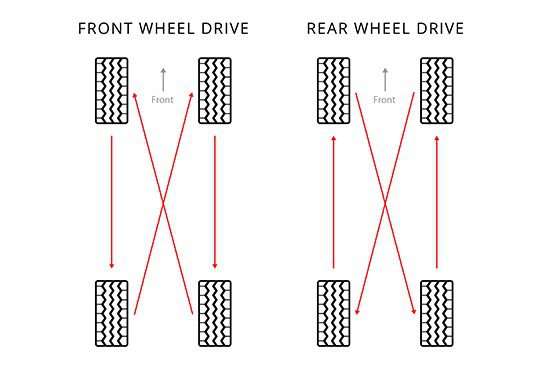
Front-wheel drive cars need regular tire rotations. This helps tires last longer. The standard pattern is easy to follow. Move the front tires to the back. Switch the left and right back tires when moving them. The right front tire goes to the left rear. The left front tire goes to the right rear. This pattern helps tires wear evenly. It makes driving safer.
Sometimes, the standard pattern is not enough. Alternative patterns can help. Use a cross pattern for even wear. Move the front tires to the back. But cross them. The left front tire goes to the right rear. The right front tire goes to the left rear. This pattern works well for many cars. Always check the car manual. It shows the best pattern for your car.
Step-by-step Rotation Process
Place the jack under the car. Use it to lift the car until tires are off the ground. Always use jack stands for safety. Make sure the car is stable before starting.
Use a wrench to loosen the nuts. Remove the nuts and take off the tire. Keep the nuts safe. Repeat for all tires. Be careful when handling heavy tires.
Front tires go to the back. Back tires go to the front. Cross-switch the tires. Right front to left back. Left front to right back. This helps in even wear.
Place the tires on the wheel hub. Tighten the nuts with the wrench. Make sure they are secure. Lower the car using the jack. Check if the tires are firmly attached.
Post-rotation Checks
Ensure balanced wear by rotating tires on a front-wheel-drive (FWD) car. After rotation, check tire pressure and alignment for safety. Examine tread depth and look for damage to maintain optimal driving conditions.
Inspection
Check each tire for cutsor punctures. Look for any uneven wear. Ensure the tire tread is deep enough. This helps the car grip the road. Inspect the sidewallsfor damage. Make sure the tires are securely fastenedto the car. Use a flashlight to see clearly. Check the wheels for any missing lug nuts.
Tire Pressure Adjustment
Use a tire gauge to check each tire’s pressure. Adjust the pressure as needed. Each tire must have the correct amount of air. Too much or too little air can cause problems. Proper tire pressure keeps the car safe. It also helps the car use less fuel. Find the right pressure in the car manual. Check the pressure when tires are cold. This gives the best reading.
Maintenance Tips
Regular Rotation Scheduleis important for tire health. Front-wheel drive cars wear out front tires faster. Rotate tires every 5,000 to 7,000 miles. This keeps them wearing evenly. Check the car’s manual for specific instructions. Following a schedule prevents uneven tire wear. It also improves car performance. Your car will drive smoother.
Monitoring Tire Wearis simple but important. Check tires for signs of damage. Look for bald spots or uneven wear. Use a penny test to check tread depth. Place a penny in the tread groove. If Lincoln’s head is visible, tires need replacing. Inspect tires regularly to spot problems early. Proper care makes tires last longer.

Credit: www.aa1car.com
Frequently Asked Questions
What Is The Correct Tire Rotation Pattern For FWD Cars?
For front-wheel-drive (FWD) cars, the correct tire rotation pattern is typically front-to-rear. Move the front tires straight to the rear and crisscross the rear tires to the front. This pattern helps ensure even tire wear, enhancing the longevity and performance of your tires.
How Often Should I Rotate Tires On FWD Cars?
Tire rotation on FWD cars is recommended every 5,000 to 7,500 miles. Regular rotation helps maintain even tread wear and prolongs tire life. Check your vehicle’s manual for specific guidelines. Regular maintenance ensures optimal performance and safety on the road.
Can I Rotate Tires Myself On FWD Cars?
Yes, you can rotate tires yourself on FWD cars. You’ll need a jack, lug wrench, and jack stands. Follow the correct rotation pattern and ensure all tires are securely fastened. Regular tire maintenance helps maintain vehicle stability and safety.
Why Is Tire Rotation Important For FWD Cars?
Tire rotation is crucial for FWD cars because the front tires wear out faster. Regular rotation balances tire wear, improving handling and extending tire life. It also enhances fuel efficiency and ensures a safer driving experience by maintaining optimal traction.
Conclusion
Rotating tires on a FWD car is crucial for even wear. It extends tire life and improves safety. Follow the steps carefully to ensure proper rotation. Remember to check your tire pressure regularly. This keeps your drive smooth and efficient.
Regular rotation also helps maintain fuel efficiency. It’s a simple yet important task. Don’t overlook it. Doing it yourself saves money and time. Plus, it gives you peace of mind. Always consult your car’s manual for specific guidance. Happy driving with well-maintained tires!