How to Run Wire From Battery Into Your Car Without Problems
Figuring out How to Run Wire From Battery Into Your Car Safely can seem tricky if you’re just starting out. It’s something many people want to do for things like adding a new stereo or extra lights. Don’t worry, it’s totally manageable. We’ll break down the process step-by-step, making it easy to do right. Get ready to learn everything you need, from picking the right wires to making sure everything is connected correctly, so you can do the job yourself. Let’s get started!
Choosing the Right Wires and Tools
Before you even think about connecting anything, you need to gather the right materials. This will help you succeed with your project, whether it’s for powering a new car stereo or a set of auxiliary lights. It might appear overwhelming at first, but with the correct tools, everything goes smoothly. We’ll look at the right wire gauges, fuses, and other essential items. Each part plays a vital role in protecting your car and ensuring everything runs properly. Let’s explore these important details.
Selecting the Proper Wire Gauge
Choosing the correct wire gauge is the first step. The wire gauge determines how much current a wire can safely carry. If you use a wire that’s too small, it can overheat and cause a fire. Conversely, a wire that is too big can work fine, but you’ll spend more money than necessary. The gauge is often measured using the American Wire Gauge (AWG) system. This system uses numbers. The smaller the number, the thicker the wire, and the more current it can handle. For instance, a 10 AWG wire can handle more current than a 14 AWG wire. When you decide to add electrical items to your car, you must consider the current draw of those items.
- Understanding Ampere (Amps): Amps are the units for measuring electrical current. They show how much electricity is flowing through a wire. The more powerful the device, the more amps it needs.
- Calculating the Total Current: Add up the amp draw of all the devices you plan to connect. This total will tell you how much current your wiring system needs to handle.
- Using a Wire Gauge Chart: Use a wire gauge chart to choose the correct wire. These charts help you match the amp draw to the correct AWG wire size. Always select a wire that can handle more current than your total calculated needs. This provides a safety margin.
- Considering Wire Length: The length of the wire impacts its ability to carry current. The longer the wire, the more resistance it has. Increase your wire gauge if the wire run is long to account for resistance.
For example, if you’re installing a car amplifier that draws 30 amps, you’ll need at least a 10 AWG wire. It is always wise to consult a wire gauge chart to make sure the wire you choose is appropriate for the job. You can find these charts online or in any automotive store. Remember that choosing the right gauge wire is a key step to How to Run Wire From Battery Into Your Car Safely. The proper choice avoids potential hazards and makes certain everything works correctly.
Essential Tools and Supplies
Having the right tools and supplies is as important as the wire gauge. These tools help you make secure, reliable connections. They keep you safe during the whole process. Gathering the right items before starting the work saves time and minimizes the chance of errors. Make a list of everything you need, and find them before starting the project. This preparation helps to create a safe and successful outcome.
- Wire Strippers: These tools remove the insulation from wires without damaging them. This is critical for making clean connections. There are several wire strippers available in different sizes, from automatic to manual versions. Choose a model that works best for the wire gauges you’re using.
- Crimping Tool: A crimping tool is used to attach connectors to the ends of wires. These connectors create a solid, dependable connection. Crimping ensures that wires remain attached. Without it, you might face loose connections, which can create electrical problems.
- Multimeter: A multimeter tests voltage, current, and resistance. It is critical to confirm that your connections are working, and the circuit is flowing as expected. Use the multimeter to check for short circuits or breaks in the wire.
- Fuses and Fuse Holders: Fuses are important safety devices that protect your car’s electrical system. They break the circuit if too much current flows through it. Choose a fuse rated for the current your device needs. Place it in a fuse holder close to the battery to protect the wiring.
- Wire Connectors: You’ll need connectors like ring terminals, spade connectors, and butt connectors. These allow you to connect wires to devices and other wires. Make sure the connectors match the wire gauge and are appropriate for your application.
Always inspect your tools. Make sure they are in good working condition before starting any electrical work. Using the correct tools and supplies helps to make a project safer and more effective. It also makes a big difference in the job quality. With the proper materials, you can safely complete the task of How to Run Wire From Battery Into Your Car Safely.
Planning Your Wiring Route and Connections
The next important stage involves careful planning. This is where you decide where to place the wires. Planning includes thinking about the best route for the wires, where you’ll make connections, and what safety steps to take. Proper planning helps you stay away from potential problems. This also helps you get the best outcome for your project. This approach is key to How to Run Wire From Battery Into Your Car Safely.
Mapping the Wire Path
Before you begin, think about the path the wires will take from the battery to your device. Look at your car’s layout to determine the best and safest route. Pick a path that keeps wires away from any moving parts, such as steering or suspension. It should also stay away from heat sources like the engine or exhaust. Check the car’s interior. Look for areas where wires can be hidden from view. This often involves running wires under the carpet, along the door sills, or behind the dashboard. Using these routes also protects the wires from physical damage.
- Inspect for Obstacles: Examine the chosen path for any obstacles. These can include sharp edges, or areas where the wires might rub against metal. If you find these obstacles, consider using protective covering. This adds an extra layer of protection for the wires.
- Secure the Wires: Use cable ties, wire loom, or clips to secure the wires along their path. This prevents them from moving around and potentially getting damaged. Proper securing also keeps the wires neat and organized, making it easier to troubleshoot problems later.
- Protect Wires in High-Risk Areas: When wires need to pass through areas like the firewall, use grommets to protect them. Grommets are rubber or plastic inserts that go around the wires. They protect the wires from abrasion.
- Consider Future Needs: Think ahead. If you anticipate adding other electrical devices later, plan for extra space. It will be helpful to leave some extra wire length. This provides flexibility for future changes.
By carefully planning the wire path, you can keep the wiring system neat, hidden, and safe. A well-planned path also makes sure the wires are out of the way, helping to avoid issues. Taking the time to plan will make the wiring easier and safer.
Creating Secure Connections
Making secure connections is critical to How to Run Wire From Battery Into Your Car Safely. The connections need to be reliable. They have to prevent shorts, and ensure that the electrical current flows correctly. When working with your car’s electrical system, take extra care with the connections. Properly created connections prevent issues and maintain the integrity of your car’s electrical system. Using good techniques and the right tools creates reliable connections.
- Crimping Technique: Use a crimping tool to attach connectors. Make sure the crimp is tight and secure. Pull on the wire gently to make sure the connection will not come loose.
- Soldering Connections: Soldering is an option for more permanent and secure connections. Use a soldering iron and solder to fuse the wires and connectors together. Make sure the solder joint is clean and smooth. Always use heat shrink tubing. This keeps the connection dry and free of corrosion.
- Using Butt Connectors: Butt connectors connect two wires end-to-end. Strip the insulation off both wires. Insert the wires into the connector and crimp them securely.
- Using Ring Terminals and Spade Connectors: Ring terminals attach to bolts. Spade connectors connect to terminals on devices. Crimp these connectors onto the wires, and attach them to the appropriate terminals.
Always double-check all connections to ensure they are secure and correctly made. Making sure that connections are reliable will prevent electrical issues and ensure the proper functioning of your electrical project. Taking the extra time to create solid connections is key. This also helps to ensure the safety of your vehicle.
Steps to Run the Wire and Connect to the Battery
Now, let’s explore the practical steps of running the wire and connecting it to the battery. This involves working with the car’s electrical system. It’s a key part of the process, and safety should always come first. Remember to stay organized and follow each step carefully. From connecting to the battery to testing your setup, we’ll guide you through each part. This will enable you to successfully finish the project, ensuring everything functions correctly. Following this method will help you to run wires successfully and safely.
Connecting to the Battery
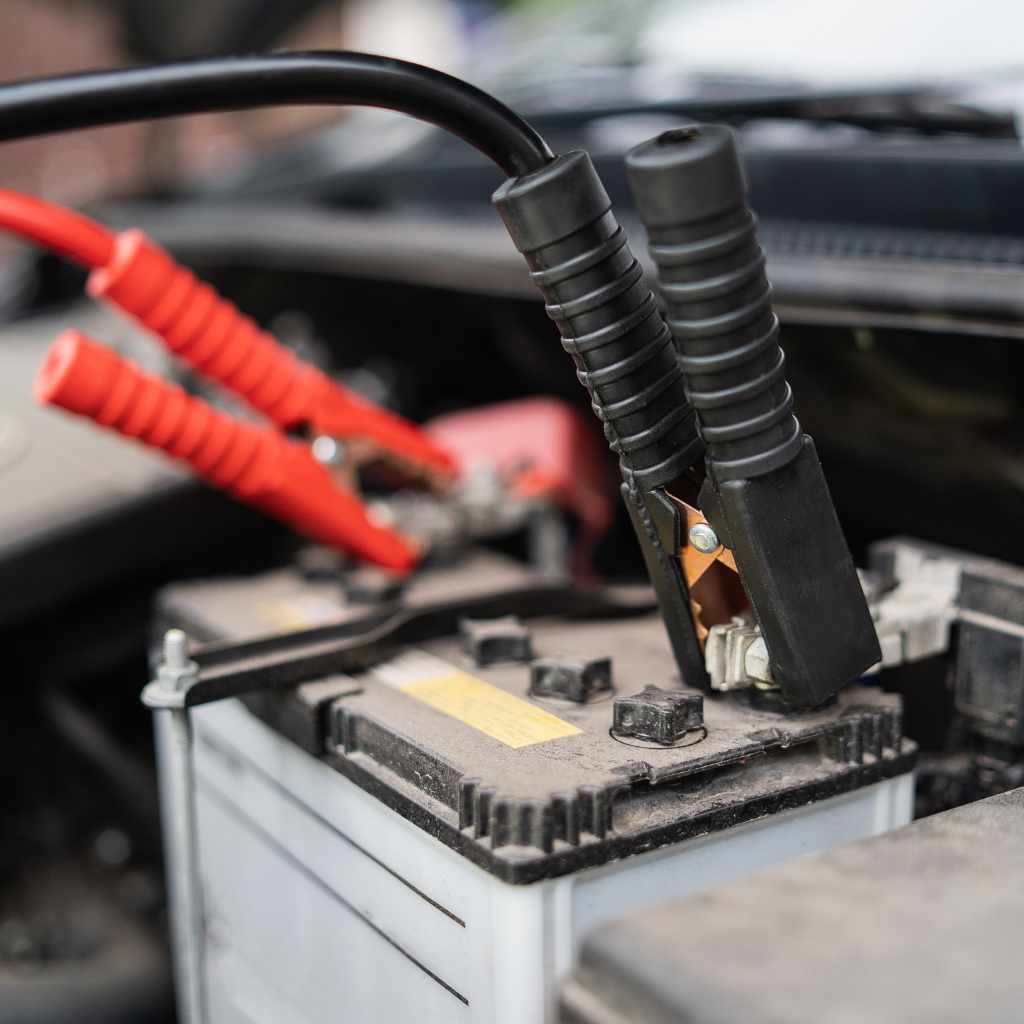
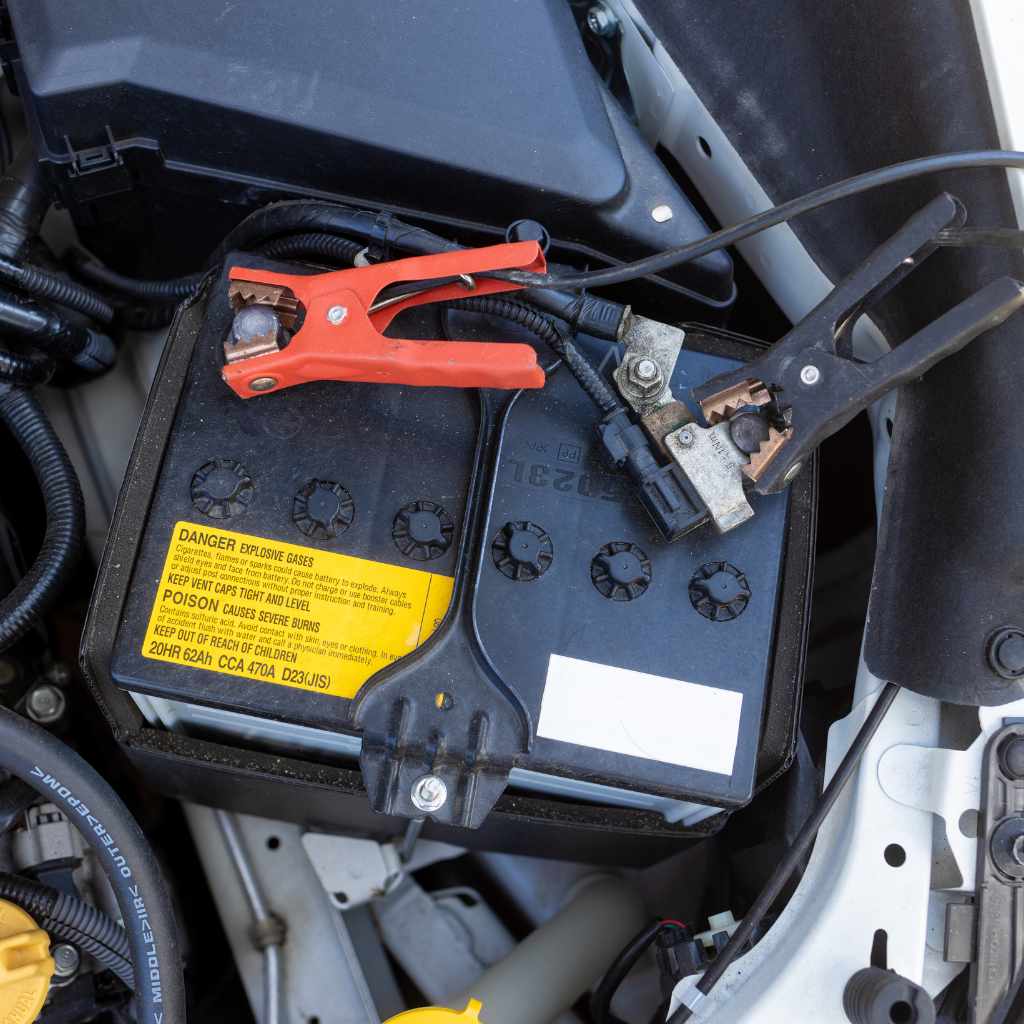
The battery is the power source for your vehicle’s electrical system. The best thing is to disconnect the negative terminal before beginning any electrical work. This keeps you safe from accidental shorts. Once the negative terminal is disconnected, you can then focus on how to connect your new wire to the battery. Make sure to use the correct connectors and fuses. This will protect your car and all the electrical components. This step is a key aspect of How to Run Wire From Battery Into Your Car Safely. Here’s a detailed guide to get it done right.
- Disconnecting the Negative Terminal: Use a wrench to loosen the nut on the negative (-) battery terminal. Remove the cable from the terminal. Set the cable aside. This will prevent any accidental electrical current flow while you’re working.
- Installing the Fuse Holder: Install the fuse holder close to the battery. Use a ring terminal on the wire going to the battery. Connect the ring terminal to the positive (+) terminal of the battery. Make sure the connection is secure.
- Running the Wire: Run the wire from the fuse holder along the path you planned. Take care to keep the wire away from sharp edges and heat sources. Secure the wire using cable ties or wire loom.
- Connecting to the Device: Connect the other end of the wire to the device you’re powering. Make sure the connection is secure. If the device has a ground wire, connect it to a suitable ground point on the car’s chassis.
- Final Checks: After making all connections, recheck the connections. Make sure that all are secure and correctly connected. Replace the fuse in the fuse holder. Reconnect the negative terminal to the battery.
It’s important to remember to always connect the positive wire to the battery with a fuse near the battery. This protects the wiring from shorts and overload. By taking this step, you are helping to protect your car’s electrical system. Also, follow these steps to connect to the battery safely and correctly. This can significantly improve the safety and performance of your electrical project.
Testing the System
After you have wired everything, you must test the system. Testing confirms that everything is working as designed. It makes certain that the electrical components are functioning correctly. Testing helps you to identify and fix any problems before they cause further damage. This makes certain the project is safe. These tests will provide you with confidence in your wiring setup. This is a crucial step in the process of How to Run Wire From Battery Into Your Car Safely.
- Visual Inspection: Start by looking at all connections. Verify that the wires are properly connected, and the fuse is in place. Look for any loose connections or exposed wires that might cause a short.
- Using a Multimeter: Use a multimeter to test for voltage. Set the multimeter to DC voltage. Check the voltage at the device. Confirm that the voltage matches what the device needs.
- Testing for Continuity: Use the multimeter’s continuity setting. This will test for the wires’ path. If there’s a short, the multimeter will beep. You should also check for a lack of continuity, which could mean a break in the wire.
- Testing the Device: Turn on the device you’re powering. Test that it works. If it does not, review the connections. Make sure the fuse is still good, and that the wiring is correct.
If the device works, and all connections are verified, the system is working correctly. If you find any issues, take the time to fix them before using the device. Testing your electrical system ensures that your work is safe and functional. It’s an important step for making sure your project is correct.
Troubleshooting Common Problems
Sometimes, despite your best efforts, problems may appear. Troubleshooting lets you find and fix these issues. This is a common part of any electrical project. It is important to know how to identify problems and take the necessary steps to correct them. Troubleshooting can seem complex, but with the right approach, you can fix issues safely and effectively. This section will look at the common issues you might face. It will also help you figure out how to resolve them to make sure that you know How to Run Wire From Battery Into Your Car Safely.
Identifying and Fixing Electrical Problems
Knowing how to spot common electrical problems is essential. It is also important to know what to do to correct them. Here’s a look at the common issues you might see. This helps you figure out what might be causing them, and gives you a way to correct them. These tips will help you make effective repairs. They will also keep your car’s electrical system safe.
- No Power: If the device does not turn on, check the fuse first. Make sure the fuse is not blown. Also, verify that the battery connections are secure. Use a multimeter to test for voltage at the device. There might be a break in the wire if there is no voltage.
- Device is Not Working Properly: Check the wiring connections. Make sure there are no loose wires. Inspect for corrosion. Corrosion can prevent proper electrical contact. Ensure that the device is receiving the correct voltage.
- Short Circuits: Short circuits are dangerous. They happen when a wire with current comes into contact with another wire or a grounded part of the car. Check for any exposed wires that are touching metal parts. Look for wires that might be pinched or damaged. Immediately correct any short circuits to protect the electrical system and prevent fire.
- Overheating: If you smell burning, or the wires or connectors get hot, the system might be overloaded. Confirm that the wire gauge is suitable for the current draw of the device. Reduce the load on the circuit or use a larger gauge wire.
If you discover any issues, take the time to fix them. Ensure that all the connections are secure. Replace any damaged wires or connectors. You can ensure that your electrical project is safe and working by correctly resolving electrical problems.
Safety Measures
Safety is critical whenever you work with electricity. Taking the right safety steps helps you to stay safe and protect your car’s electrical system. Before you start any work, always disconnect the negative terminal of the battery. Wear safety glasses to protect your eyes. Work in a well-ventilated area to avoid fumes. Follow all safety guidelines to help make your project a success. Here’s what you should do.
- Disconnect the Battery: Before working on any electrical components, remove the negative terminal of the battery. This will stop the flow of electricity, reducing the risk of shock.
- Wear Protective Gear: Always wear safety glasses when working with wires. This will protect your eyes from any debris or sparks. Wear gloves to protect your hands, and to improve your grip.
- Work in a Well-Ventilated Area: If you are soldering, make sure you’re in a well-ventilated location to avoid inhaling fumes from the solder or insulation.
- Use the Correct Tools: Use tools that are in good condition. Do not use tools that are damaged or worn. Make sure that your tools are rated for the voltage and current you’re working with.
By taking these safety measures, you can create a safe work environment. This will help you to prevent injuries and protect your car’s electrical system. Working safely will increase the chances of a successful project. Following safety guidelines is key to understanding How to Run Wire From Battery Into Your Car Safely.
Frequently Asked Questions
Question: What size fuse should I use?
Answer: Use a fuse rated for slightly more amps than the device needs. For example, if your device draws 5 amps, use a 7.5 or 10-amp fuse.
Question: What do I do if I accidentally touch a positive wire to ground?
Answer: Immediately stop working and check your connections. A short circuit could occur, and you must resolve it immediately.
Question: Can I run wires through the same hole as other wires?
Answer: It’s best to avoid this to reduce the risk of interference or damage. If you must, make sure to use wire loom or tubing to separate and protect the wires.
Question: What is the purpose of a wire loom?
Answer: Wire loom is a plastic or fabric tube that protects wires from abrasion, heat, and moisture, keeping them safe.
Question: Where should I mount the fuse holder?
Answer: Mount the fuse holder as close to the battery as possible to protect the wiring from the source.
Final Thoughts
You’ve now explored the essential steps to How to Run Wire From Battery Into Your Car Safely. You’ve learned about choosing the right wires and tools, planning your wiring route, and making safe connections. Remember, the key to success lies in careful planning, secure connections, and prioritizing safety at every stage. From choosing the correct wire gauge and using the right tools to safely connecting to the battery and testing your system, we’ve broken down each part. This will give you the knowledge you need. Now that you’ve got the basics, you can handle those electrical projects. Start with a simple project, like adding interior lights, and work your way up. With practice and attention to detail, you will quickly become comfortable with working on your car’s electrical system. You will be able to power new accessories or make electrical improvements. Embrace the task, and enjoy the satisfaction of getting the job done right!