What Does Ceramic Coating Do for a Car? Benefits & Cost
Ceramic coating bonds a hard, glass-like layer to a car’s paint that repels water, UV rays, and everyday grime, so the finish stays glossier and washes cleaner for years instead of weeks.
Unlike wax, which sits on top of the paint and breaks down within a month or two, a cured ceramic coating chemically bonds to the clear coat and fills in its microscopic pores. That single difference is why the coating keeps beading water, resisting stains, and holding its shine long after a coat of wax would have washed away. It is not a substitute for regular washing or a magic shield against every kind of damage, but for owners who want their paint to look better for longer with less effort, it is one of the more effective upgrades available.
What Ceramic Coating Actually Is
BEST FOR DIY CERAMIC PROTECTION
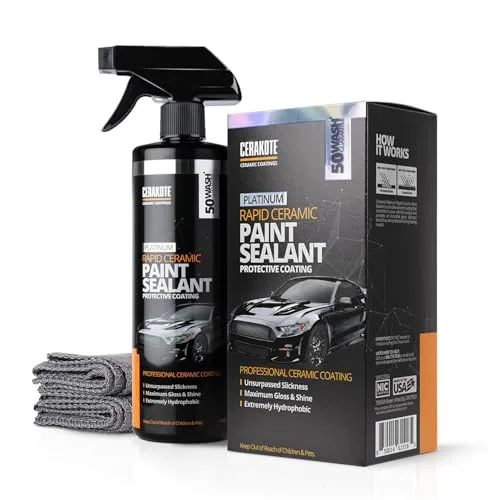 |
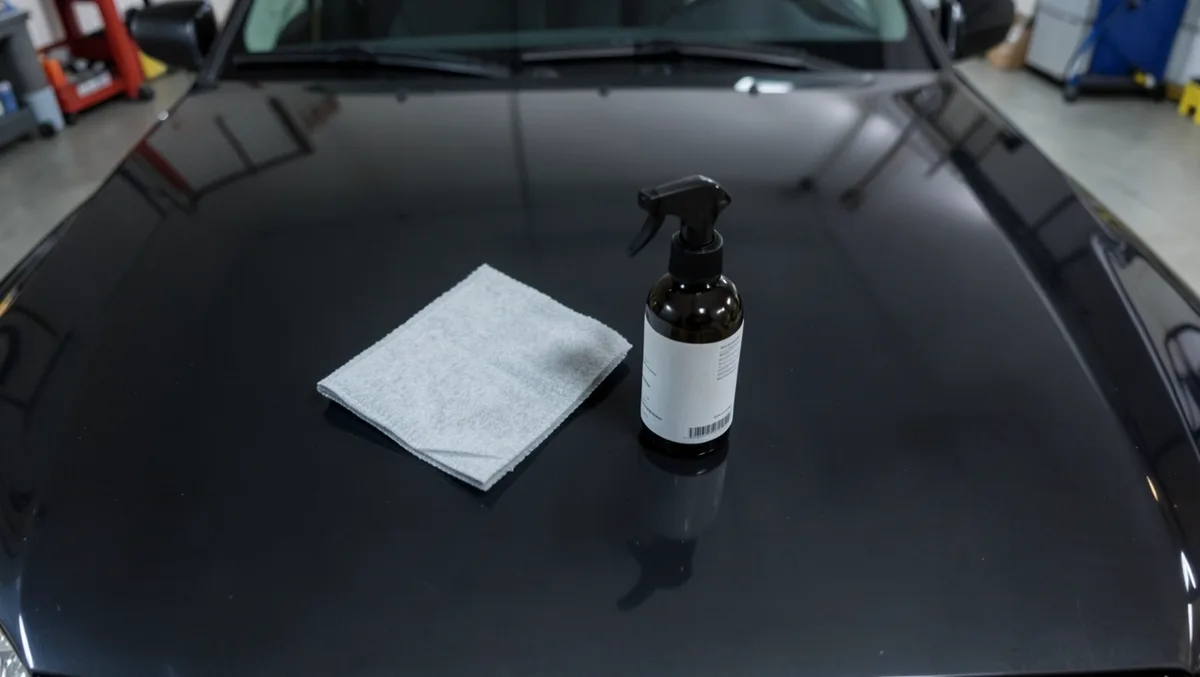
CERAKOTE Rapid Ceramic Paint Sealant, 14 oz – $19.69 A spray-on ceramic sealant you apply yourself in about 15 minutes per panel, rated for roughly 50 washes of hydrophobic protection.
|
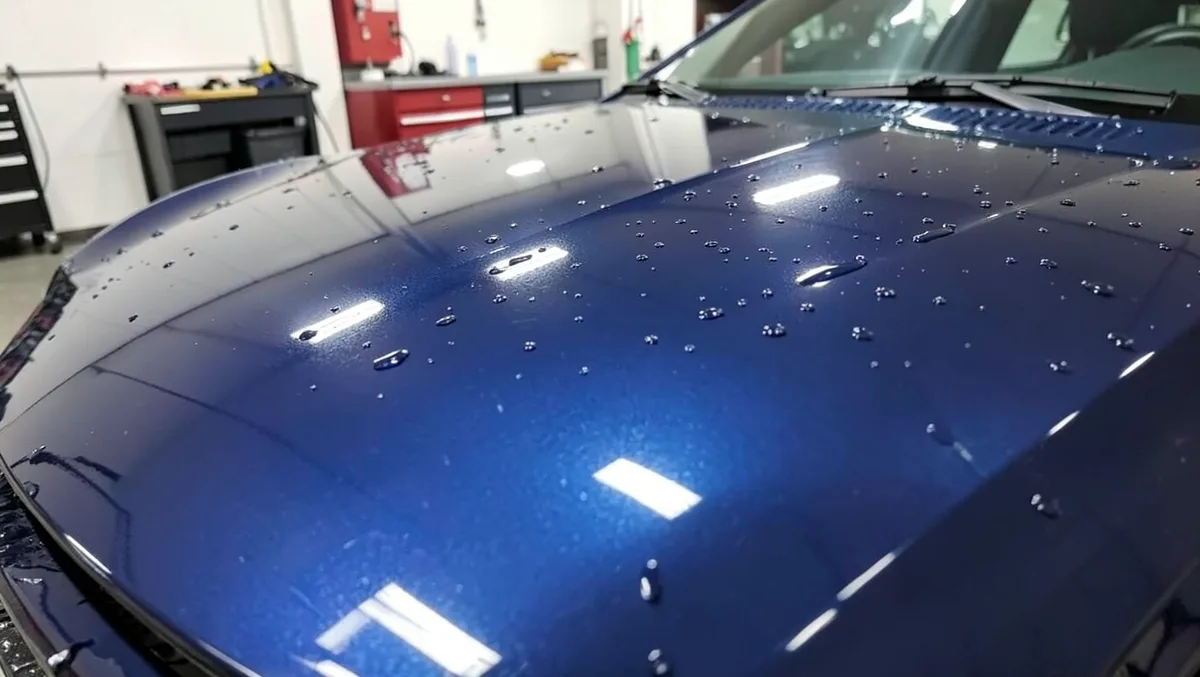
Ceramic coating is a liquid polymer, usually based on silicon dioxide (SiO2) or titanium dioxide, that is applied by hand and then cures into a semi-permanent layer on top of the paint. Once it hardens, that layer behaves nothing like the original clear coat: it is harder, smoother at a microscopic level, and strongly hydrophobic, meaning water forms tight beads and rolls off instead of sheeting or soaking in. Because the surface is so much smoother, dirt and grime have far less to grip onto, which is the main reason coated cars stay cleaner between washes and need less wax maintenance overall.
Protection Against the Elements
Once cured, the coating acts as a sacrificial barrier between the paint and everything the road throws at it. Rain and road spray bead up and slide off instead of sitting on the surface, which cuts down on water spotting. Bird droppings, tree sap, bug splatter, and road salt are all more likely to sit on top of the coating rather than etch into the clear coat, giving you more time to clean them off before they cause real damage.
UV exposure is another major factor in paint fading and oxidation, and this is where a quality ceramic coating earns its keep over time. By blocking a meaningful share of UV rays from reaching the clear coat directly, it slows the gradual dulling and color fade that untreated paint develops after a few years in the sun.
How It Changes the Way Your Car Looks
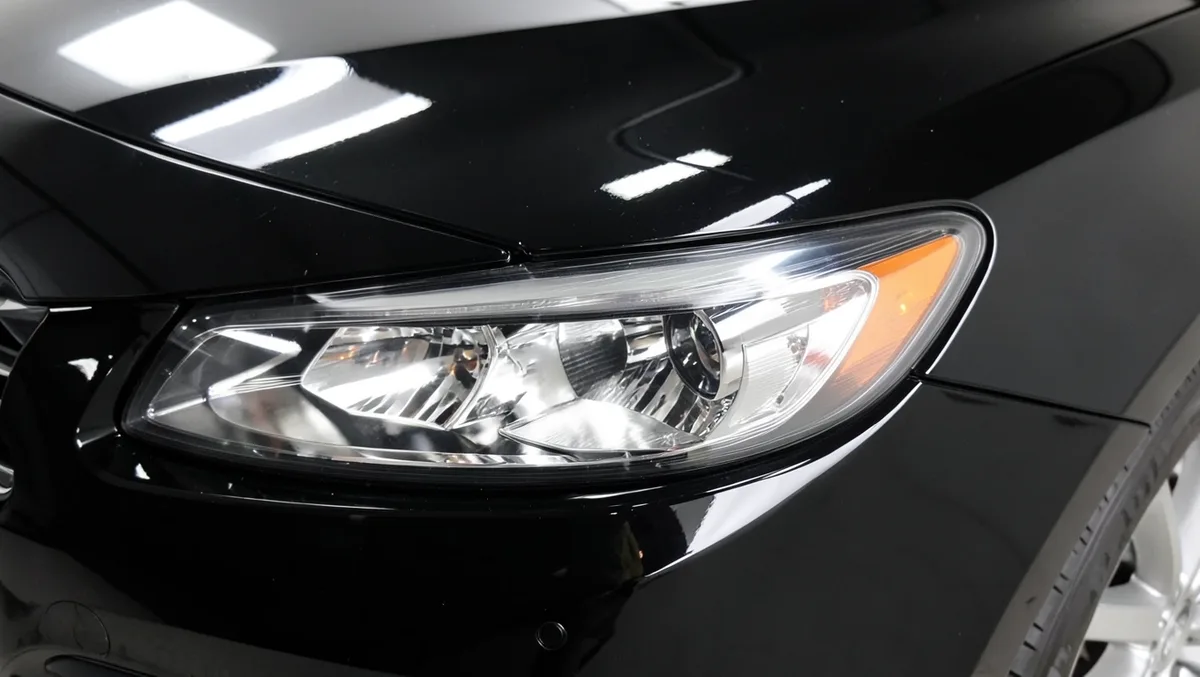
Beyond protection, the biggest reason people pay for ceramic coating is how it changes the way paint looks. The added layer levels out tiny surface imperfections and reflects light more evenly, which gives the paint a deeper, wetter-looking gloss than wax or sealant typically produce. Dark colors tend to show the most dramatic difference, appearing richer and glassier, while lighter colors gain a crisper, more uniform shine. Because the surface stays smoother and cleaner for longer, that improved look also lasts far longer between details than it would on unprotected paint.
Why Washing Gets Easier
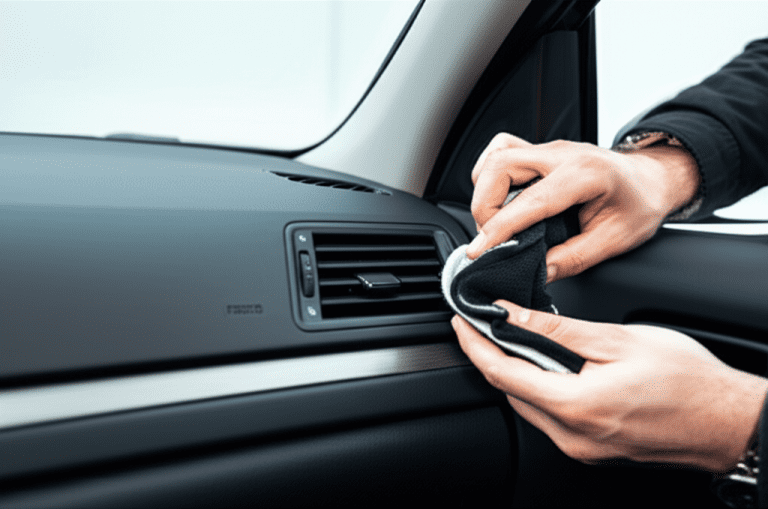
The hydrophobic, low-friction surface is what makes a coated car noticeably easier to wash. Water and soap glide across the panel instead of clinging to it, so most dirt rinses away with far less scrubbing. Because grime does not bond to the surface, a simple rinse or a quick wash with a pH-neutral soap is usually enough to keep the car looking clean, and there is less risk of grinding grit into the paint and creating fine scratches in the process. Regular waxing largely disappears from the maintenance routine too, since the coating is doing that job continuously for years rather than weeks.
How Long a Ceramic Coating Actually Lasts
A properly applied, professional-grade ceramic coating typically lasts 2 to 5 years, and some premium multi-layer packages are rated even longer. In practice, real-world durability depends heavily on how the car is used and cared for: a coating on a car that is garaged, washed gently, and rarely parked outside 24/7 will hold up closer to the top of that range, while one on a daily driver left outside in harsh sun and washed at automatic tunnels will fade faster. Consumer-grade DIY sprays, including the kind sold in a bottle at an auto parts store, are a different category entirely and generally hold up for only a few months to about a year before they need to be reapplied.
Wash technique also matters more than most owners expect. Harsh degreasers, dish soap, and abrasive brushes can strip or scratch a coating well before its rated lifespan is up, while a gentle pH-neutral car soap and a soft mitt let it last as intended. Where the car is parked plays a role too, since constant sun exposure accelerates wear on any protective layer, ceramic or otherwise.
What It Costs
Pricing varies widely depending on whether you go the DIY or professional route. A DIY ceramic spray or kit typically runs $20 to $100 and covers a full-size car for one or more applications, which makes it an easy way to try the technology before committing to a full coating. Professional application is a bigger investment: most shops charge somewhere between $600 and $2,000 for a full-vehicle coating, and that price can climb past $3,000 when the car needs paint correction first to remove swirl marks and light scratches before the coating goes on. Vehicle size, paint condition, and the specific coating brand a shop uses all shift the final number, so it is worth getting a couple of quotes rather than assuming a single flat rate.
The upfront cost is easier to justify once you factor in what it replaces. Fewer trips to the car wash, less frequent waxing, and a lower chance of UV-driven fading or chemical staining all add up over a two-to-five-year window, and a well-maintained coated car also tends to hold its resale value a bit better simply because the paint looks newer.
A Smaller Environmental Footprint
There is a modest environmental upside as well. Because dirt rinses off so easily, coated cars typically need less water and far fewer chemical cleaners to stay clean, which means less detergent runoff going down the storm drain after every wash. Extending the life of the original paint also reduces the odds of an early repaint, which cuts down on paint waste and the solvents that come with a full refinish job.
Choosing the Right Coating for Your Car
Not every ceramic coating is built the same way, so it is worth thinking through a few things before buying one or booking an install.
What to Weigh Before You Buy
Start with your budget, since prices range from a $20 spray bottle to a multi-thousand-dollar professional package, and the gap in durability between those tiers is real. Next, look at how long the coating is actually rated to last: some are marketed as 1-year products, others as 5-year or lifetime coatings, and the difference usually shows up in both price and performance. Stick with established brands that publish real application instructions and have a track record with independent installers, and read reviews from people who have owned the coating for at least a year rather than just the first week. Finally, decide on the finish you want. Most coatings are designed for maximum gloss, but a small number of matte-specific formulas exist for cars with a factory matte or satin finish.
Professional Application vs. DIY
A professional installer brings paint correction equipment, a controlled environment free of dust, and the experience to apply the coating evenly without high spots or streaking, which is why professional coatings tend to carry the longest durability ratings. That expertise comes at a real cost, though, often several times what a DIY kit runs. Doing it yourself is far cheaper and can still give solid results on a car with decent paint, but it takes patience, a clean workspace, and a willingness to accept that a rushed or uneven application will not last as long or look as good. For a daily driver with minor paint imperfections, DIY is often a reasonable middle ground; for a car with swirl marks that need correcting first, or for anyone chasing multi-year durability, professional application is usually worth the extra cost.
Common Misconceptions, Cleared Up
“It’s Not Actually Scratch-Proof”
The most common myth is that ceramic coating makes a car scratch-proof. It does not. The coating adds a hard, sacrificial layer that can help resist light swirl marks and fine scratches from normal washing, but a key, a shopping cart, or a rock chip at highway speed will still cut through it and into the paint underneath, exactly as it would on unprotected paint. Think of it as scratch-resistant, not scratch-immune, and you will not be caught off guard the first time a deeper scratch shows up.
You Still Have to Wash the Car
The other common misconception is that a ceramic coating eliminates the need for maintenance entirely. It reduces how often you need to wash and wax, but it does not remove the need altogether. Dirt, pollen, and grime still land on the surface, and if they are left to sit for weeks, they can eventually build up and dull the coating’s performance. Regular rinses with a gentle, pH-neutral soap keep the coating working as intended and protect the investment you made in it.
Frequently Asked Questions
Is Ceramic Coating Worth It for a Car?
For most owners who plan to keep their car for several years, yes. Ceramic coating adds real gloss, cuts down on washing and waxing, and protects the paint from UV fading and light contamination. It requires an upfront cost and, for the best results, professional application, so the value comes down to how long you will keep the car and how much you value easier upkeep and a better-looking finish.
What Are the Disadvantages of Ceramic Coating?
The main downsides are cost and expectations. Professional application can run into the thousands of dollars, especially if paint correction is needed first, and the coating will not prevent deep scratches, rock chips, or dents. It also still needs regular washing with the right products, since water spots and grime can still affect a coated surface if it is neglected for too long.
How Long Does Ceramic Coating Last on a Car?
Professional-grade ceramic coatings typically last 2 to 5 years, depending on the product, how the car is stored, and how it is washed. Consumer-grade DIY sprays are much shorter-lived, usually lasting a few months to about a year. Regular gentle washing and covered or shaded parking both help a coating reach the longer end of its rated lifespan.
How Much Does It Cost to Ceramic Coat a Car?
DIY ceramic sprays cost roughly $20 to $100 per bottle. Professional application typically runs $600 to $2,000 for a full vehicle, and can exceed $3,000 when the paint needs correction beforehand. The exact price depends on the car’s size, current paint condition, and the specific coating brand or warranty package a shop offers.
Conclusion
Ceramic coating gives a car’s paint a harder, glossier, easier-to-clean surface that resists UV fading, light contamination, and water spotting for years rather than weeks. It is not a substitute for careful washing and it will not stop a deep scratch or a rock chip, but for owners who want their paint to look better for longer with far less regular maintenance, it remains one of the more worthwhile upgrades available for a daily driver or a car you plan to keep. If you are still weighing whether it makes sense for your own car, our full pros, cons, and cost breakdown digs deeper into that decision.
Products related to this article
Sponsored / affiliate links. As an Amazon Associate I earn from qualifying purchases. I may earn additional commission from eligible campaigns.