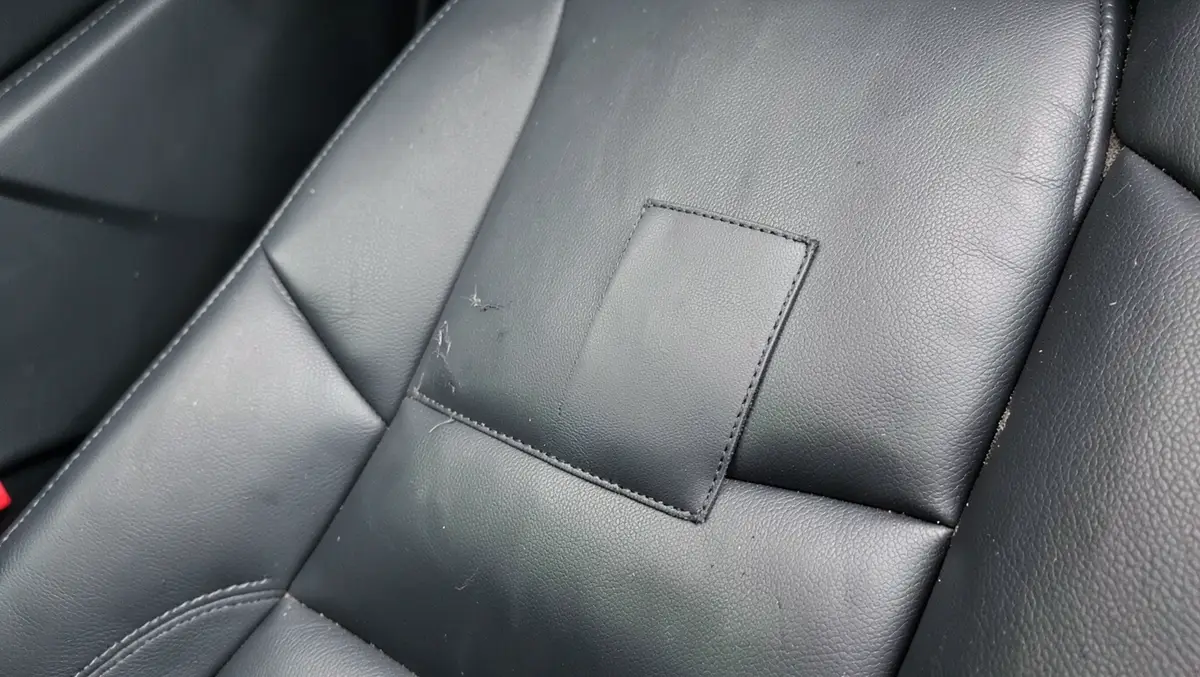
Leather Patch for Car Seats: 3 Top Picks & When to Use One
For small cuts, cracks, and holes under about 2 inches, a color-matched leather patch is a common option. For stretched or curved bolsters, pick a flexible vinyl or leather repair patch. For larger damage, replace the panel. Bad matches peel, stand out, and let the tear spread. This guide covers the three best patch types and how to choose by damage size, seat shape, and material match.
Quick picks for car seats
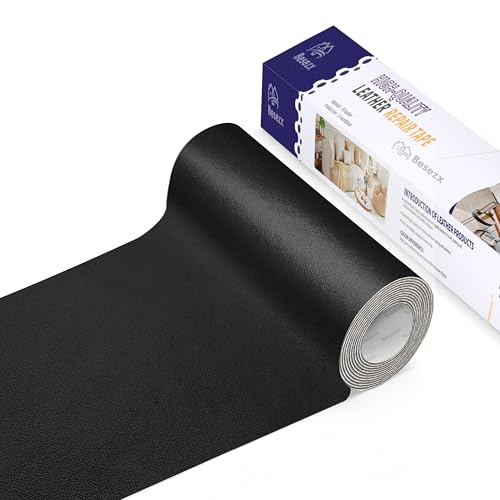
The best overall fit for most small seat repairs is the Besezx self-adhesive leather repair patch, because it uses peel-and-stick backing and is aimed at fresh, clean minor damage. The other two picks make more sense when you need a synthetic leather look or a cut-to-fit roll for wider coverage.
| Pick | Best for | Key detail | Failure risk |
|---|---|---|---|
| Besezx self-adhesive leather repair patch | Small scratches, cracks, scuffs, burns, tears, and holes on clean seats | Peel-and-stick backing; no heat, ironing, tools, or stitching | Higher on dirty, damp, or sharply curved surfaces where edges can lift |
| YGDMD PU leather patch | Owners who want a synthetic leather look with classic leather texture | Two-pack PU leather patch; color and texture matching can vary | Higher when patina is old or grain is hard to match across a visible panel |
| ONine leather repair tape roll | Larger or repeated damage across flat or gently curved sections | Sold in 3 x 60 inches; a larger 12 x 48 patch is also offered | Higher on bolsters, seams, and tight curves where alignment and seam hiding matter |
Self-adhesive leather repair patch
A self-adhesive leather repair patch is often a safe starting point for minor seat damage on a clean, dry surface. It peels on, needs no heat or stitching, and is built for scratches, tears, holes, cracks, burns, and scuffs.
Best use cases
Choose this format when the damage is small, the seat is mostly flat, and you need a quick visual fix more than a full restoration. It works best on leather, vinyl, and faux leather that are free of dust, oils, and loose debris.
Limits on curved seats
Curved or irregular seat surfaces are where peel-and-stick patches fail most often. The edge can telegraph through the repair, and a hard bend at the bolster can leave a visible seam or a lifted corner.
Surface prep before you apply it
Surface prep matters as much as patch choice. Clean the area with a mild interior cleaner, let it dry fully, and remove residue so the adhesive can bond. If the seat still feels tacky or dusty, peeling is more likely.
- Check that the damage is only cosmetic and not tied to foam exposure or broken seat structure.
- Wipe away dirt, body oils, and old dressing.
- Let the area dry completely before placement.
- Press the patch from the center outward so the edges seat evenly.
PU leather patch
A PU leather patch is the better choice when you want a synthetic leather material with a classic leather texture. It can work well on car seats and furniture, but color and grain matching can vary, so it is most convincing when the seat is newer or the repaired area is low on the visual priority list.
When synthetic leather is the better match
Pick PU when the original seat cover reads more like faux leather than natural hide, or when the vehicle interior already uses synthetic materials in adjacent panels. Matching the substrate helps the repair look intentional instead of patched together.
Where seams are most likely to show
Seams show most on worn bolsters, high-gloss seating surfaces, and older seats with uneven patina. If the rest of the seat has faded or polished unevenly, the patch can look newer than the surrounding material even when the color is close.
Color and grain matching
Check the listing for the grain pattern, finish, and exact shade before buying. A close color alone is not enough if the texture is wrong, because the repaired area can still stand out in daylight.
Leather repair tape roll
A leather repair tape roll is the best fit when you need to cut around a shape, span a wider area, or cover more than one damaged spot. ONine’s tape roll comes in 3 x 60 inches, and the larger 12 x 48 patch gives more room for broader seat sections.
Why the cut-to-fit format matters
Cut-to-fit material gives you control over the edge line. That matters when the tear is long, the wear spreads across a seam line, or the damaged area is awkwardly shaped and a square patch would waste too much usable surface.
Best surfaces for tape rolls
Flat panels and gently curved sections are the best candidates. The more the seat wraps around a side bolster or tight contour, the harder it is to keep the tape flat and invisible at the edges.
When a roll beats a square patch
Use a roll when the damage is stretched horizontally, repeated in several spots, or likely to expand. A single wide strip can cover a longer run of wear more cleanly than several small pieces that create extra seams.
Leather patch decision matrix
This decision matrix maps the patch format to damage size, seat shape, and original material. It also flags where the repair is most likely to fail by showing seams or peeling edges.
| Damage type | Damage size | Seat shape | Original material | Right patch format | Failure risk |
|---|---|---|---|---|---|
| Surface scuffs and scratches | Under about 2 inches | Flat panel | Leather, vinyl, or faux leather | Self-adhesive leather repair patch | Low if the seat is clean and dry; higher if residue remains |
| Open tear with intact surrounding surface | Small to moderate | Flat or gently curved | Leather or vinyl | PU leather patch or self-adhesive patch | Moderate if the tear edges are frayed or the grain is hard to match |
| Burn mark or worn spot with exposed backing | Small patch area only | Flat panel | Faux leather or vinyl | PU leather patch | Moderate if the color shifts against older patina |
| Long split or multiple worn spots | Longer than a small square repair | Flat or gently curved | Leather, vinyl, or faux leather | Leather repair tape roll | Higher on tight curves, seams, and bolsters |
| Broad section of visible wear | Larger panel coverage | Broad seat section | Leather or vinyl | Large-format patch, such as 12 x 48 inches | Higher if alignment is off or the edge lands on a contour |
Which patch fits your damage?
The right answer depends on what failed first: the surface finish, the top layer, or the material under it. A patch can hide cosmetic damage, but it cannot rebuild structure, replace foam, or stop a tear that is actively spreading from a stressed seat edge.
Surface scuffs and scratches
For scuffs and shallow scratches, use a self-adhesive leather repair patch when the mark is visible but the seat cover is still intact. That format is usually enough because the problem is visual, not structural.
Open tears and small holes
For a torn car seat, a patch can work if the tear is small and the surrounding material is stable. A common first-timer mistake is choosing a patch that is larger than the flat space around the tear, which makes the edge more visible than the damage.
Suppose the tear is 1.5 inches long on a flat cushion panel. A self-adhesive patch or PU leather patch is often the cleaner choice. If the same tear sits on a curved bolster, the chance of visible seams rises fast.
Burns, cracks, and worn side bolsters
Burn-through and cracked bolsters need more caution. If the wear has reached the foam or the edge of the seat is thin and stretched, patching may only buy time. That is the point where upholstery repair or replacement makes more sense.
Will it work on curved seats?
Yes, but only when the curve is mild. Flat panels are the easiest fit, while bolsters, edges, and irregular contours make seams easier to see and edges easier to lift. On those shapes, trimming and careful placement matter more than the patch brand.
Flat panels versus bolsters
Flat panels give the adhesive a steady bond line. Bolsters force the material to bend in more than one direction, which makes any stiff patch more likely to wrinkle, bridge, or peel at the corners.
Trimming for seams and edges
Trimming helps when the patch would otherwise overlap a seam, but trimming also creates more edge length. More edge length means more chances for lift, so the cut has to be clean and the seat has to be fully dry before application.
When to skip a patch
Skip a patch when the seat is split through a stressed seam, the foam is exposed over a wide area, or the damage sits on a highly contoured edge that cannot hide a straight repair line. In those cases, upholstery work is the better fix.
How do you choose the right color?
Match the patch to the seat’s current tone, not to the original brochure color. Leather, vinyl, and faux leather age differently, so older seats often have a darker, flatter, or more polished finish than the surrounding panels in listing photos.
Matching leather, vinyl, or faux leather
Start with the base material. A synthetic seat usually accepts a synthetic-looking patch more naturally, while a genuine leather seat may need a closer grain and sheen match to avoid a repair that reads as obvious at arm’s length.
Why older seats are harder to match
Older seats fade unevenly. Sun exposure, seat cleaners, and friction from entry and exit can change the color around the repair area, so even a close patch can look slightly different once it is installed.
What to check in the listing before you buy
Check the color name, grain texture, finish description, and whether the patch is aimed at leather, vinyl, faux leather, or microfiber-style fabric. If the listing does not match your seat material closely, expect a more visible repair line.
Are leather patches waterproof and durable? Many listings use waterproof and wear-resistant language, and the Besezx kit is described that way. Treat that as a claim about daily use and moisture exposure, not as a guarantee for heavy abuse, sharp edges, or repeated flexing on a curved bolster.
A patch works best on surfaces free of dust and oils, and on minor cosmetic damage. If the seat cover is badly stretched, the foam is broken down, or the tear keeps opening under load, the better fix is repair by upholstery or replacement of the damaged panel.
How to choose the right patch
Choose by damage size first, then by shape, then by material. That order matters because the wrong format can still look worse than the original damage. A smaller but better-matched patch usually beats a larger patch that lands across a seam or curve.
- Use a self-adhesive leather repair patch for small scuffs, scratches, cracks, and holes on clean, dry seats.
- Use a PU leather patch when the seat is synthetic and the grain match matters more than raw coverage.
- Use a leather repair tape roll when the damage is long, repeated, or easier to cut into shape than cover with a square piece.
- Use a larger-format patch when one broad section needs coverage and you can align it carefully.
Say your driver’s seat has a 1-inch scuff on a flat cushion and the material is vinyl. A peel-and-stick patch is enough. Now suppose the same seat has a 4-inch split on the outside bolster. The repair becomes more visible, and the odds of peeling rise because the surface curves and flexes every time you get in.
Frequently asked questions
What is the best leather patch for car seats?
For the widest range of minor seat damage, a self-adhesive leather repair patch is the most practical first choice. It works for small scratches, cracks, holes, tears, burns, and scuffs, as long as the seat is clean, dry, and not badly contoured. Larger damage needs a different format.
Can I use a leather patch on a torn car seat?
Yes, if the tear is small and the surrounding material is still stable. A patch can cover the visible opening and slow further wear, but it is not a fix for foam exposure, broken seams, or a seat cover that keeps splitting under pressure.
How do I choose the right color leather repair patch?
Match to the seat’s current color, not the original new-car shade. Check the listing for finish, grain, and material type, and expect older seats to be harder to match because fade and polishing change the visible tone. A close texture match matters nearly as much as color.
Will a leather patch work on curved car seats?
Sometimes, but curved seats are harder to hide. Bolsters, seams, and tight edges make peeling and visible seams more likely. If the curve is mild, trimming can help. If the surface bends sharply, a patch is more likely to fail at the edge.
Do leather repair patches need heat or glue?
Not all of them do. Besezx patch kits require no heat, ironing, tools, or stitching, and they use peel-and-stick backing. That makes them easier for quick repairs, but the surface still has to be clean and dry for the adhesive to hold.
When should I replace a seat instead of patching it?
Replace or professionally repair the seat when the damage is large, the foam is exposed, the tear keeps growing, or the seat shape makes the repair line impossible to hide. A patch is for minor cosmetic damage, not for structural failure or heavily worn support areas.
Products related to this article
Sponsored / affiliate links. As an Amazon Associate I earn from qualifying purchases. I may earn additional commission from eligible campaigns.
 Self Adhesive Leather Repair Patch, Leather Patches for Furniture, Leather Repair Tape for Couch Sofa Car Seat Chair Furniture Repair, Leather Repair Kit (Dark Brown-Litchi Grain, 3.5X60 Inch)
 Self Adhesive Leather Repair Patch, Leather Patches for Furniture, Leather Repair Tape for Couch Sofa Car Seat Chair Furniture Repair, Leather Repair Kit (Black-Litchi Grain, 3.5X60 Inch)