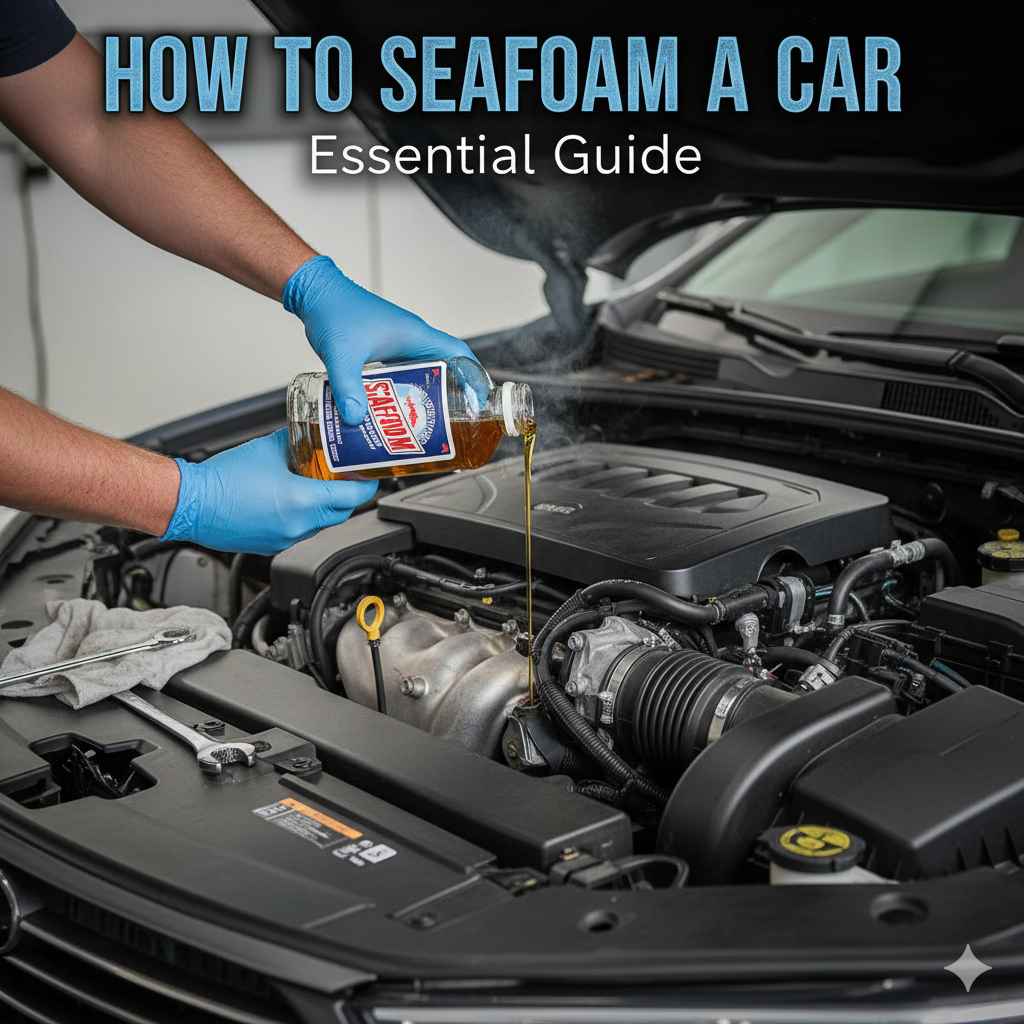
How to Seafoam a Car: Essential Guide
Learn how to seafoam your car with this easy guide! Seafoam treatment is a safe and effective way to clean your engine’s internal parts, improving performance and fuel efficiency. We’ll walk you through the simple steps, what you’ll need, and why it’s a smart DIY maintenance task.
Are you noticing your car isn’t running as smoothly as it used to? Maybe your fuel economy has slipped, or you hear a little hesitation when you press the gas pedal. These signs can often point to a buildup of gunk inside your engine. Don’t worry! There’s a popular and budget-friendly solution that many car enthusiasts swear by: using Sea Foam. This guide will show you exactly how to seafoam your car, making engine cleaning accessible and easy for any car owner.
We’ll break down the process step-by-step, explain what tools you need, and help you understand why this maintenance task is so beneficial. By the end, you’ll feel confident tackling this yourself and giving your engine the refresh it deserves.
What is Sea Foam (Engine Treatment)?
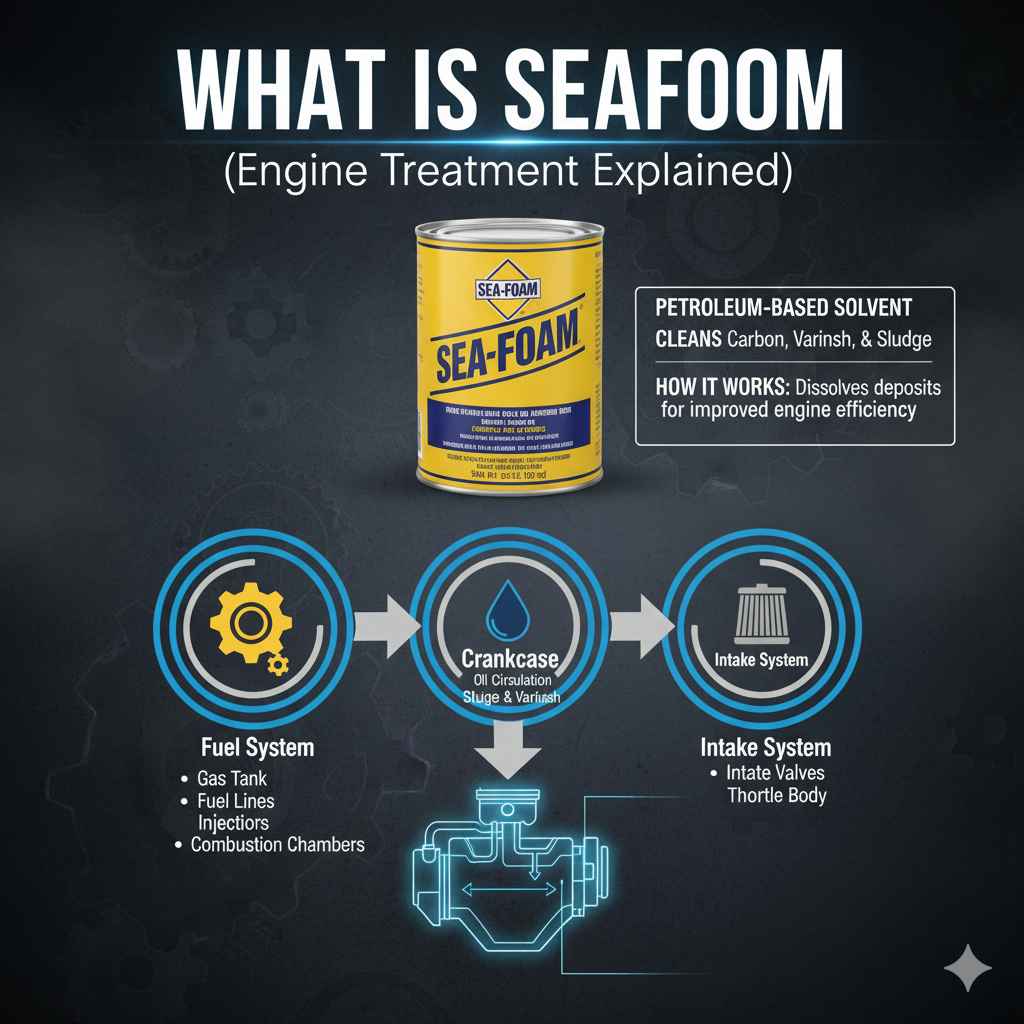
Sea Foam is a brand name for a popular engine treatment product. It’s a petroleum-based solvent designed to clean and lubricate the internal parts of your car’s engine. Think of it as a deep-cleaning bath for your engine’s fuel system, combustion chambers, and crankcase.
Over time, fuel doesn’t always burn completely in the engine. This incomplete combustion leaves behind deposits like carbon, varnish, and sludge. These deposits can clog fuel injectors, coat intake valves, and reduce the efficiency of your engine. Sea Foam works by dissolving these harmful deposits, allowing them to be burned away during normal engine operation or expelled with your exhaust.
It’s a versatile product used to clean a few different areas, primarily the:
- Fuel System: This includes your gas tank, fuel lines, fuel injectors, and the combustion chambers.
- Crankcase: This is the part of the engine where the oil circulates.
- Intake System: This includes the intake valves and throttle body in many engines.
Why Should You Seafoam Your Car?
Regular maintenance is key to keeping your car running its best, and seafoaming can be a fantastic addition to your routine. It’s a proactive step that can prevent bigger problems down the road and restore lost performance. Here are the key benefits:
- Improved Fuel Economy: When your engine is clean, it can burn fuel more efficiently. Less wasted fuel means you’ll be visiting the gas station less often, saving you money.
- Smoother Engine Performance: Deposits can cause rough idling, hesitation, and misfires. By removing these, your engine will run smoother, accelerate better, and feel more responsive.
- Reduced Emissions: A cleaner engine burns fuel more completely, leading to fewer harmful emissions. This is good for your car and the environment.
- Quieter Operation: Sometimes, a build-up of carbon can lead to knocking or pinging sounds. Sea Foam can help quiet these noises by cleaning away the culprits.
- Extended Engine Life: By keeping critical engine components clean and lubricated, you reduce wear and tear, potentially extending the lifespan of your engine.
- Cost-Effective Maintenance: Compared to professional engine cleaning services or the cost of repairs from neglect, seafoaming is a very affordable DIY job.
When is the Best Time to Seafoam Your Car?
There’s no single “perfect” time, but here are some common scenarios and recommendations:
- At regular maintenance intervals: Many people choose to seafoam their car every 10,000 to 30,000 miles, or about once or twice a year.
- When you notice performance issues: If your car starts to feel sluggish, idle roughly, or get worse gas mileage, seafoaming can be a quick fix.
- Before selling your car: Giving your car a clean engine can improve its performance and appeal to potential buyers.
- When changing your oil: It’s convenient to do it in conjunction with an oil change, especially if you’re cleaning the crankcase.
- After a long period of disuse: If a car has been sitting, fuel deposits can form. Seafoam can help get it back into optimal running condition.
What You’ll Need: Tools and Materials
Gathering your supplies before you start makes the process smooth and stress-free. Here’s what you’ll typically need:
- Sea Foam Motor Treatment: One 16 oz can is usually sufficient for most cars.
- Safety Glasses: Always protect your eyes, especially when working with chemicals or under the hood.
- Gloves: To keep your hands clean and protected from chemicals.
- Funnel: A small funnel will be helpful for adding the Sea Foam, depending on the method you choose.
- Shop Rags or Paper Towels: For wiping up any spills.
-
For Induction Cleaning (Optional but Recommended):
- A vacuum cleaner or a shop vac (to create a vacuum source if needed)
- A small hose or tubing (if not using a dedicated intake cleaning kit)
- A way to temporarily remove a vacuum line or the air intake hose.
- For Crankcase Cleaning: You’ll need your car’s standard oil filter and the correct type/amount of engine oil for your vehicle.
- For Fuel Tank Cleaning: You’ll just need the Sea Foam; no other tools are typically required.
How to Seafoam Your Car: Step-by-Step Guide
Sea Foam can be used in three primary ways: through the fuel tank, through the crankcase, and through the intake system. We’ll detail each method. It’s generally recommended to perform these treatments separately, not all at once, unless the product’s specific instructions state otherwise.
Method 1: Adding Sea Foam to Your Fuel Tank
This is the simplest way to use Sea Foam. It targets your entire fuel system, from the tank to the injectors.
- Check Your Fuel Level: It’s best to do this when your fuel tank is about half full or less. This allows the Sea Foam to concentrate better.
- Locate the Fuel Tank Cap: This is usually obvious, but sometimes it may be hidden behind a small door. Ensure the car is turned off.
- Pour in the Sea Foam: Use a funnel if needed and carefully pour the entire 16 oz can of Sea Foam into your fuel tank.
- Replace Fuel Cap: Screw your gas cap back on securely.
- Drive Normally: Drive your car for at least 15-30 miles. The Sea Foam will mix with the fuel and start cleaning as you drive. You can continue to drive your car normally for the next few hundred miles. The longer it circulates, the more cleaning it can do.
Tip: For a more aggressive fuel system clean, you can add a can of Sea Foam to a nearly empty tank, then immediately fill up the tank with gasoline. This helps to thoroughly mix and distribute the cleaner.
Method 2: Adding Sea Foam to the Crankcase (Oil System)
This method cleans out sludge and deposits from your engine’s oil system. It’s best done before an oil change.
- Warm Up the Engine: Drive your car for about 10-15 minutes to bring the engine oil up to normal operating temperature. This helps the Sea Foam flow and work effectively.
- Turn Off the Engine.
- Locate and Remove the Oil Fill Cap: This is the cap you normally use to add oil to your engine.
- Add Sea Foam: Pour about half of the 16 oz can (8 oz) of Sea Foam directly into the engine oil fill hole. Keep the other half for later or another use if you prefer, or use the full can if the product instructions suggest it for your engine size/needs.
- Replace the Oil Fill Cap: Make sure it’s securely fastened.
- Idle the Engine: Start the engine and let it idle for approximately 10-15 minutes. Do NOT drive the car while Sea Foam is in the crankcase. Idling allows the Sea Foam to circulate and break down internal sludge and varnish. You might notice some light smoke from the exhaust during this idling period – this is normal.
- Drain the Oil: Immediately after idling, turn off the engine and drain the old engine oil. The Sea Foam will have helped loosen debris, so it will drain out with the oil.
- Replace the Oil Filter: Unscrew the old oil filter and screw on a new one.
- Refill with New Oil: Fill your crankcase with the correct type and amount of fresh engine oil according to your car’s owner’s manual.
- Start the Engine: Run your engine for a few minutes to ensure oil pressure is normal and there are no leaks.
Important Note on Crankcase Treatment: Sea Foam’s official recommendation is to use up to 1.5 quarts of their product in the crankcase of vehicles with 5-quart oil capacities, and allow it to circulate for a period of time before draining. Always check the latest Sea Foam instructions on their product packaging or website for the most up-to-date guidance regarding maximum amounts and circulation times. The 10-15 minute idling method is a common DIY approach.
Method 3: Adding Sea Foam Through the Intake System (Induction Cleaning)
This method is a more aggressive clean for the intake valves, combustion chambers, and piston tops. It’s often done on a warm engine and results in noticeable visible smoke.
- Warm Up the Engine: Drive your car for about 15-20 minutes to get it to normal operating temperature. This is crucial.
-
Locate an Intake Vacuum Source: With the engine running and idling warmed up, you need to find a vacuum line or a point in the air intake system where you can introduce the Sea Foam. Common spots include a brake booster vacuum line, a PCV (Positive Crankcase Ventilation) valve hose, or directly into the throttle body if accessible.
Safety First: Be careful not to disconnect the wrong hoses or introduce debris into the engine.
- Prepare to Introduce Sea Foam: You can use a small piece of hose attached to the Sea Foam can’s straw to direct the flow. Some DIYers use a small pump or even a squeeze bottle to control the flow.
-
Suck in Sea Foam in Controlled Bursts: With the engine idling, slowly allow the Sea Foam to be sucked into the intake. You want to introduce it in small, controlled amounts so the engine doesn’t stall. Aim to introduce about one-third to one-half of the can this way over several minutes. You will likely see white smoke billowing from your exhaust – this is normal and a sign it’s working.
If the engine starts to sputter or run poorly, reduce or stop the flow of Sea Foam until it smooths out. The goal is a steady, controlled introduction.
- Let the Engine Rest (Optional but Recommended): For even better results, turn off the engine immediately after introducing the Sea Foam and let it sit for 15-30 minutes. This allows the Sea Foam to soak into stubborn carbon deposits.
- Restart and Drive: Restart the engine. It might run rough initially. Drive the car moderately. You may continue to see smoke for a while. Drive at least 15-30 miles to help burn off and expel the loosened deposits.
- Complete with Fuel Tank Treatment: After doing an intake cleaning, many people follow up by adding the remainder of the Sea Foam can to their fuel tank to help flush out any remaining residue and ensure the entire fuel system is addressed.
External Link: For a detailed look at the principles of how fuel injection systems work and why they can get clogged, you can refer to resources like energy.gov’s Guide to Alternative Fuels and Advanced Vehicle Technologies (though this focuses on fuels, it provides context on fuel system importance).
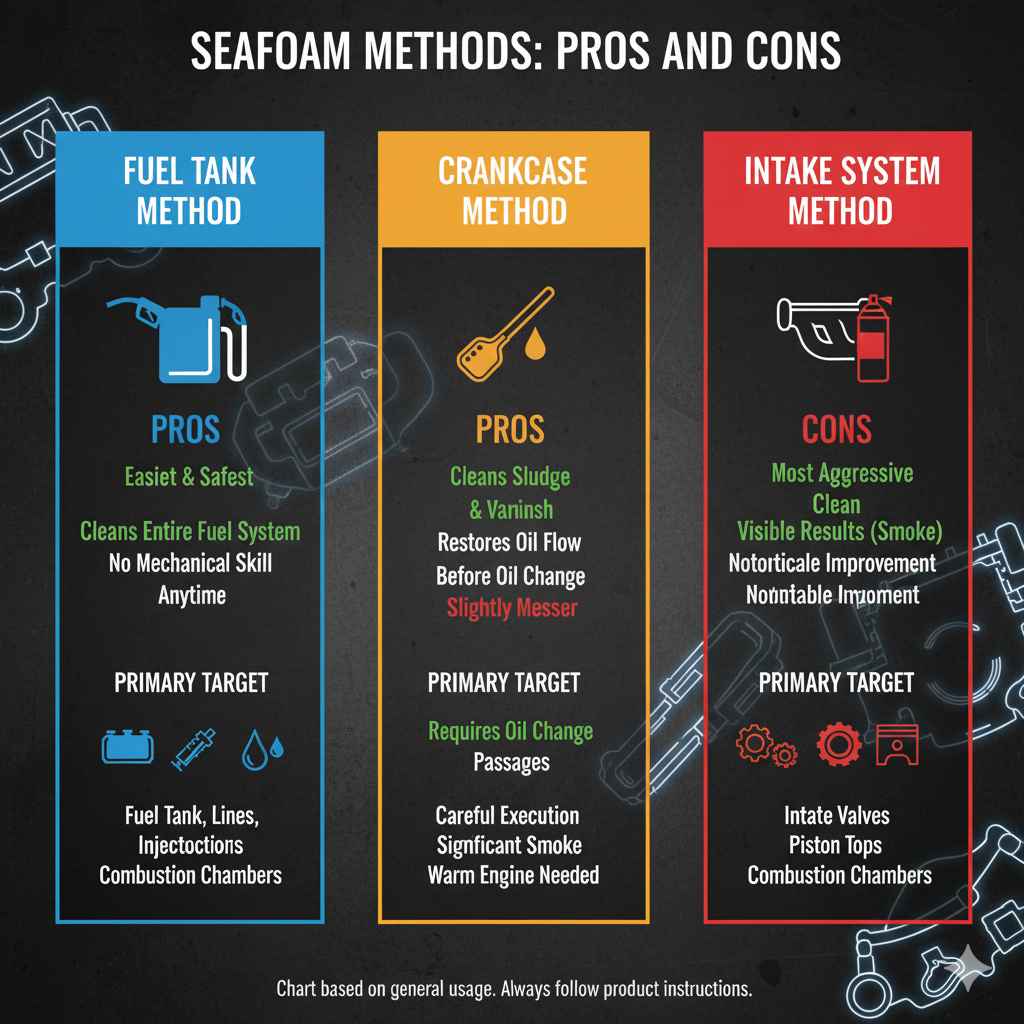
Sea Foam Methods: Pros and Cons
While all methods aim to clean, they have different strengths and target different areas. Here’s a quick comparison:
| Method | Pros | Cons | Primary Target |
|---|---|---|---|
| Fuel Tank | Easiest and safest; cleans entire fuel system; requires no mechanical skill; can be done anytime. | Least aggressive cleaning; takes longer to see results as it works during normal driving. | Fuel tank, fuel lines, fuel injectors, combustion chambers. |
| Crankcase | Cleans sludge and varnish from oil passages; vital before an oil change; can restore oil flow. | Requires an oil change afterward; slightly more involved; potential for minor mess. | Oil pump, oil passages, sump, piston ring lands. |
| Intake System | Most aggressive clean for intake valves and combustion chambers; can provide noticeable performance improvement quickly; visible results (smoke). | Requires careful execution to avoid stalling the engine; can produce significant smoke; requires a warm engine and careful vacuum line manipulation. | Intake valves, piston tops, cylinder heads, combustion chambers. |
Important Safety Precautions
Working on your car can be rewarding, but safety should always be your top priority. Here are some essential precautions when using Sea Foam:
- Read the Product Label Carefully: Always follow the instructions provided by Sea Foam on the product itself. Recommendations can change.
- Wear Safety Gear: Always wear safety glasses and gloves. Sea Foam is a petroleum-based solvent and can irritate skin and eyes.
- Work in a Well-Ventilated Area: Ensure good airflow, especially when the engine is running.
- Engine Temperature: Be cautious of hot engine components. Never work on a freshly driven engine without allowing it to cool slightly, though some steps require a warm engine.
- Engine Off for Fuel Tank/Crankcase: Always ensure the engine is off when pouring Sea Foam into the fuel tank or crankcase.
- Controlled Introduction for Intake: The most critical safety point is for intake cleaning. If you introduce Sea Foam too quickly, you can hydrolock your engine (though rare with Sea Foam and more common with water), or at the very least, stall it, which can be dangerous if it happens while driving.
- No Driving During Crankcase Idling: Never drive your car with Sea Foam in the crankcase. It is designed to be a cleaner and can affect lubrication if driven.
- Dispose of Waste Properly: Dispose of old engine oil and used rags according to your local regulations. Never pour them down a drain or onto the ground.
- Know Your Engine: If you are unsure about locating specific hoses or components, consult your car’s owner’s manual or a trusted mechanic friend.
Frequently Asked Questions (FAQ)
Q1: How much Sea Foam should I use?
A1: For standard fuel tank or crankcase treatments, a single 16 oz can is typical for most passenger cars. For intake cleaning, you’ll use about half a can gradually. Always check the Sea Foam product label for specific recommendations for your vehicle’s size and the application method.
Q2: Can I use Sea Foam in a diesel engine?
A2: Yes, Sea Foam Motor Treatment is safe and effective for use in gasoline and diesel engines. For diesel engines, it can be added to the fuel tank or crankcase following similar procedures. Always check the Sea Foam website or product label for any diesel-specific advice.