How to Sell Your Car on CarGurus in 2026 (Private Listings Are Gone)
You sell a car on CarGurus by entering your license plate or VIN, mileage, and condition into its “Sell My Car” tool, then comparing instant offers from local dealers and picking one to complete the sale — CarGurus retired private, peer-to-peer listings in June 2024, so you can no longer create a public ad and negotiate with individual buyers on the site the way you could a few years ago.
If you’ve sold a car on CarGurus before and are wondering why the old “create a listing” flow disappeared, or you’re a first-time seller trying to follow an outdated guide, this is the source of the confusion: the site’s entire selling model changed. I’m Md Meraj, and this guide walks through exactly how CarGurus works for sellers in 2026 — what the dealer-offer process actually looks like, how to prep your car for it, what to do if you still owe money on your loan, and where to go if you’d rather sell privately somewhere else.
Quick Answer
CarGurus no longer supports private, peer-to-peer car listings — it retired that feature in June 2024. Today, you sell through its “Sell My Car” tool: enter your license plate or VIN, mileage, and condition, then compare instant offers from local dealers. Offers stay valid for 7 days or 250 additional miles, whichever comes first, and payment happens the same day the dealer inspects your car.
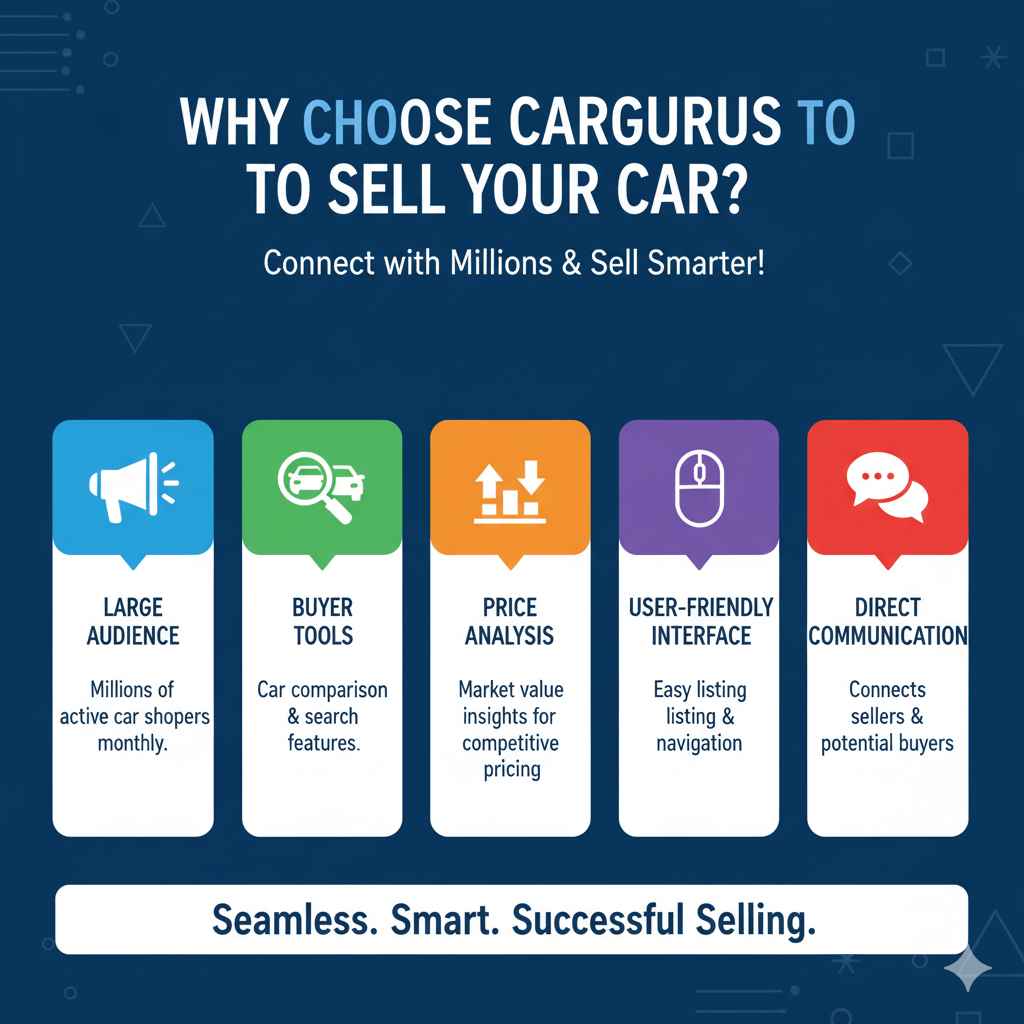
Why Choose CarGurus to Sell Your Car?
CarGurus has become a go-to platform for many car sellers, and there are several good reasons why. It’s known for its transparent pricing and its large audience of interested buyers. When you list your car on CarGurus, you’re connecting with people who are actively looking to buy, which can speed up the selling process. They also provide helpful tools and information to guide you.
Benefits of Selling on CarGurus:
- Large Audience: Millions of car shoppers visit CarGurus every month, increasing your chances of finding a buyer quickly.
- Buyer Tools: CarGurus offers tools that help buyers compare listings, making your car stand out if presented well.
- Price Analysis: They provide helpful insights into your car’s market value, helping you set a competitive price.
- User-Friendly Interface: The platform is designed to be easy to navigate, making listing your car simple.
- Direct Communication: CarGurus facilitates communication between you and potential buyers.
Getting Your Car Ready to Sell
Before you even think about listing your car, preparation is key. A well-prepared car not only looks better but also helps you get a higher price. Think of it as putting your best foot forward. This stage is all about making your car as appealing as possible to potential buyers.
1. Clean It Thoroughly (Inside and Out)
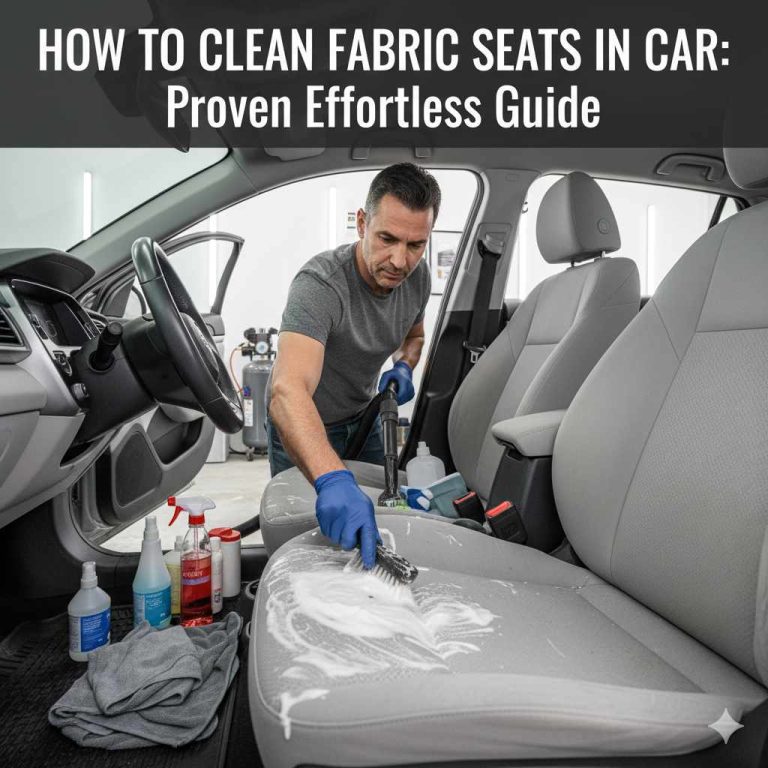
This is probably the most important step and super easy to do! A clean car signals that it’s been well-maintained. Spend time washing and waxing the exterior. Don’t forget the wheels, tires, and windows. Inside, vacuum the carpets and seats, clean the dashboard, and wipe down all surfaces. Remove any personal belongings and clutter. A fresh scent can also make a good impression.
2. Address Minor Repairs
Take a close look at your car. Are there any small, inexpensive fixes you can make? Things like replacing a burnt-out headlight bulb, touching up minor paint chips, or fixing a loose trim piece can make a big difference. These small improvements show a buyer that you’ve taken good care of the vehicle and can prevent them from nitpicking during negotiations. For more significant repairs, consider if the cost of the repair is worth the potential increase in your selling price.
3. Gather Your Paperwork
Having all your documents ready will make the selling process much smoother. Buyers will want to see proof of ownership and maintenance history. Gather:
- Title: This is essential for transferring ownership. Make sure it’s clear of any liens. If you have a loan, you’ll need to pay it off to get a clear title.
- Maintenance Records: A folder with receipts for oil changes, repairs, and other services shows buyers your car has been well cared for.
- Owner’s Manual: This is a helpful extra.
- Bill of Sale: You can often find templates online for this.
You can find information on obtaining a duplicate title from your state’s Department of Motor Vehicles (DMV) or equivalent agency if yours is lost. For example, the Pennsylvania Department of Motor Vehicles lists required forms for vehicle sales and title transfers.
CarGurus Retired Private Listings in June 2024 — Here’s What Changed
If you sold a car on CarGurus a few years ago, you may remember creating your own listing: uploading photos, writing a description, and setting an asking price that buyers could message you about directly. That option is gone. Starting around 7 a.m. on June 27, 2024, CarGurus stopped letting sellers post new private listings, upgrade to featured placement, or renew an existing one. Any listings already live at that point were allowed to run out naturally, with a hard cutoff 30 days later.
CarGurus made this change to focus the site on its dealer network instead of peer-to-peer classifieds. The upside for sellers is that the replacement process is faster — you’re no longer fielding messages from strangers or scheduling test drives with people who never show up. The trade-off is that you’re now selling to a dealer’s wholesale offer rather than negotiating directly with a private buyer, which can mean a lower payout than a well-handled private sale would bring. If getting the absolute highest price matters more to you than convenience, see the alternatives compared later in this guide.
How CarGurus “Sell My Car” Works in 2026 (4 Steps)
The current process replaces the old listing flow with a quick offer-comparison tool. Here’s what actually happens when you use it today:
- Enter your car’s details. Go to CarGurus’ Sell My Car page and enter your license plate number or VIN, current mileage, and condition. This takes about two minutes and doesn’t require creating a listing or uploading photos.
- Get instant offers from local dealers. CarGurus returns real offers from dealers in your area based on the information you entered, without you needing to visit each dealership separately.
- Compare and choose the best offer. Offers are valid for 7 days or 250 additional miles driven, whichever happens first, so you have a real window to compare price against dealership location and convenience before committing.
- Get paid. Bring the car (with your ID and title/loan paperwork) to the chosen dealer for a same-day inspection and payment, or in select states, schedule a home pickup and sell 100% online. Once the dealer verifies the car matches what you reported, you’re paid on the spot — by check, bank transfer, or applied as trade-in credit toward another vehicle.
Because the final number depends on an in-person (or pickup-day) inspection, the amount you’re paid can differ from the initial online offer if the dealer finds mismatched mileage, damage, or condition issues you didn’t disclose — so accuracy in step 1 matters more than it might seem.
How to Tell If a CarGurus Dealer Offer Is Fair
Since you no longer set your own asking price, the question isn’t “what should I list it for” — it’s “is this dealer’s offer reasonable.” CarGurus’ own research tool still helps answer that.
CarGurus Instant Market Value (IMV)
CarGurus analyzes millions of data points to provide an “Instant Market Value” (IMV) for your car. This estimate is based on:
- The specific make, model, year, mileage, and features of your car.
- Current market conditions and demand for that vehicle.
- Pricing of similar vehicles listed on CarGurus and elsewhere.
CarGurus rates listed vehicles against this benchmark using labels like “Great Deal,” “Fair Deal,” or “Overpriced.” As a seller, you can use the same IMV figure as a sanity check — if a dealer’s Sell My Car offer comes in far below what similar cars are showing as IMV on the site, that’s a signal to compare a second or third offer before accepting.
Factors Influencing Your Price
The same factors that used to justify a higher asking price still drive how large a dealer’s offer will be:
- Condition: A car in pristine condition with no mechanical issues and a flawless interior can command a higher price than one with wear and tear.
- Mileage: Lower mileage generally means a higher value.
- Location: Market demand can vary by region.
- Optional Features: Higher trim levels and desirable aftermarket additions (if done professionally) can increase value.
- Maintenance History: A documented service history can justify a higher price.
CarGurus Sell My Car vs. Trade-In vs. Private Sale vs. Instant Buyers
Since CarGurus now works like a dealer-offer aggregator, it’s worth seeing how it actually stacks up against your other options:
| Method | Typical Payout | Speed | Effort Required |
|---|---|---|---|
| CarGurus Sell My Car | Mid-range (competing dealer offers) | Same day once you accept an offer | Low — enter details, compare, show up once |
| Dealership trade-in | Lowest, but offsets sales tax on a new purchase | Same day, tied to a new-car purchase | Low |
| Private sale (Facebook Marketplace, Craigslist) | Highest, if you have time to negotiate | Days to weeks | High — photos, meetups, screening buyers, paperwork yourself |
| Instant online buyers (Carvana, Vroom, CarMax) | Similar to or slightly above CarGurus | 1–7 days including pickup scheduling | Low — fully online, no in-person negotiation |
If maximum payout matters more than convenience, a well-prepared private sale on Facebook Marketplace will typically out-earn a CarGurus dealer offer — you’re trading a few extra days and some buyer-screening effort for a higher final number.
If You Choose to Sell Privately Instead: Managing Inquiries and Showings
None of this applies to a CarGurus dealer offer — there are no buyer messages or in-person showings to manage there. But if the comparison table above convinced you a private sale is worth the extra effort for a higher price, here’s how to handle the buyer-facing side of that process on a site like Facebook Marketplace or Craigslist.
Responding to Buyers
Be prompt and professional when responding to messages or calls. Buyers appreciate quick answers. If they ask questions that are already covered in your description, politely refer them back to the listing. Be honest about all aspects of the car. If a buyer wants to see the car, try to be flexible with scheduling.
Screening Potential Buyers
It’s wise to screen potential buyers. You can start by asking a few questions when they first contact you:
- What is your budget?
- Are you looking to pay cash or finance?
- When would you be available to see the car?
This helps you gauge their seriousness and avoid time-wasters. For security and peace of mind, it’s often best to meet in well-lit, public places during daylight hours for the initial viewing or test drive.
Preparing for Showings
Make sure the car is clean for every showing. Have your paperwork organized and ready to present. Be prepared to answer questions about the car’s history, maintenance, and features.
Test Drives
When a potential buyer wants to test drive your car:
- Accompany Them: Always go along for the test drive.
- Check ID: Ask to see their driver’s license before they drive.
- Stay Safe: Keep your phone handy.
- Define Route: You can suggest a familiar route that covers various road conditions (city streets, some faster roads).
Negotiating a Private Sale (Doesn’t Apply to CarGurus Offers)
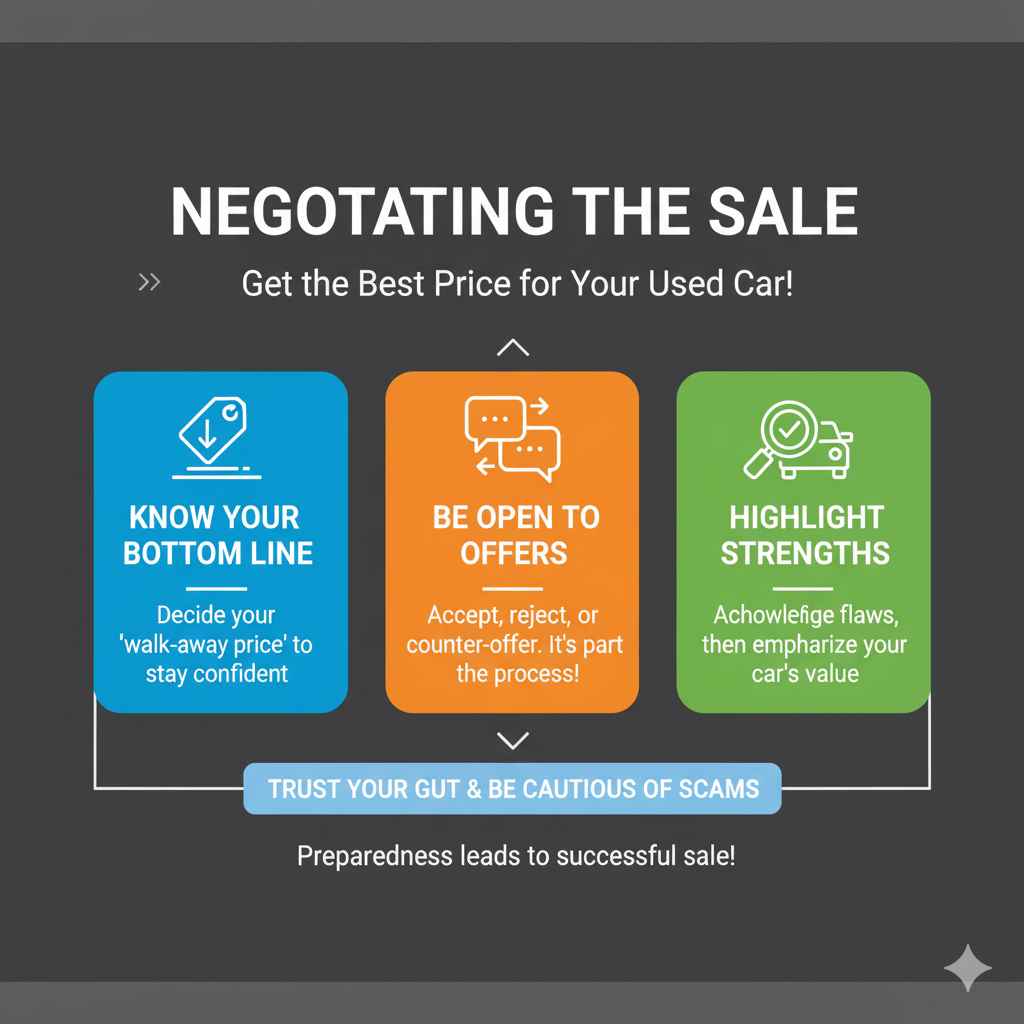
You can’t negotiate a CarGurus Sell My Car offer directly — if it’s too low, your only lever is comparing it against a different dealer’s offer or walking away entirely. Negotiation only comes into play if you’re selling privately, where being prepared can help you get the best possible price without feeling pressured.
Know Your Bottom Line
Before you even start talking to buyers, decide on the lowest price you’re willing to accept. This is your “walk-away price.” Knowing this will give you confidence during negotiations.
Be Open to Offers
Buyers may make offers below your asking price, especially after a test drive or inspection. Don’t be offended! It’s part of the process. You can accept, reject, or make a counter-offer. When countering, you might meet in the middle or come down slightly from your asking or initial offer.
Highlight Your Car’s Strengths
If a buyer points out a flaw, acknowledge it and then steer the conversation back to your car’s positive attributes and its overall value.
A study by the National Highway Traffic Safety Administration (NHTSA) highlights the importance of safe selling practices, which includes being aware of common scams. Always be cautious and trust your gut feeling during negotiations.
Finalizing the Sale and Paperwork
Once you and the buyer agree on a price, it’s time to complete the transaction. This is where careful attention to paperwork is essential to ensure a smooth and legal transfer of ownership.
Choosing a Payment Method
The safest methods for payment involve methods that are guaranteed funds:
- Cash: Be cautious when accepting large amounts of cash. It’s best to meet at a bank where the money can be verified and deposited immediately.
- Cashier’s Check or Bank Draft: These are generally very safe, but it’s wise to verify the check with the issuing bank before handing over the car and title, especially if the meeting is not at a bank. Scammers can sometimes create convincing fake checks.
- Wire Transfer: This is a secure option, especially for larger amounts. Ensure the funds have cleared your bank account before transferring ownership.
Avoid personal checks, as they can bounce. This mainly applies if you go the private-sale route instead of CarGurus — when you sell through CarGurus’ Sell My Car tool, payment is handled directly by the dealer once the car passes inspection, either as a check, a bank transfer, or a trade-in credit, so you don’t need to independently verify a stranger’s funds.
Selling a Car With an Active Loan
You don’t need to pay off your loan before using CarGurus’ Sell My Car tool. If you still owe money on the vehicle, the dealer accepting your offer will factor the loan payoff into the transaction and guide you through settling it as part of the sale, whether you’re selling outright or rolling the deal into a trade-in on another car. If you’re selling privately instead, you’ll need to contact your lender for a payoff quote first, since the buyer’s funds typically need to clear the lien before the title can transfer.
Completing the Title Transfer
This is a critical step. You’ll need to sign over the title to the new owner. The process varies by state, but generally involves:
- Signing the title in the designated “seller” section.
- The buyer signing in the “buyer” section.
- Filling in the date of sale and the agreed-upon sale price.
- Noting the odometer reading.
Often, a Bill of Sale is also required, which is a separate document detailing the transaction. Both parties should sign this. This document serves as proof of the sale. Some states require you to alert the DMV that you’ve sold the vehicle.
Your local DMV or equivalent agency’s website will have specific forms and instructions. For instance, the California DMV provides a comprehensive guide to selling a vehicle, including necessary forms and steps for title transfer.
Removing Your License Plates
In many states, it’s recommended or required to remove your license plates from the car before handing it over to the buyer. The plates typically belong to you, not the car. Check your local regulations regarding license plates after a sale.
What to do After the Sale
Once the transaction is complete and the paperwork is signed:
- Keep Copies: Make copies of the signed title, bill of sale, and any other transfer documents for your records.
- Notify DMV: If required in your state, notify your DMV that you have sold the vehicle. This helps protect you from liability if the buyer incurs parking tickets or is involved in an accident before the title is officially transferred.
- Cancel Insurance: Contact your insurance company to cancel the policy on the sold vehicle.
“The number one mistake I see sellers make is following an old CarGurus how-to guide word for word — they go looking for a ‘create listing’ button that hasn’t existed since June 2024, get confused, and assume the site is broken. Once you understand it’s now a dealer-offer tool instead of a classifieds site, the whole process only takes a few minutes.”
— Md Meraj, The Daily Automotive
Frequently Asked Questions (FAQ)
How much does it cost to sell a car on CarGurus?
Getting dealer offers through CarGurus’ Sell My Car tool is free for you as the seller — there’s no fee to enter your details, no fee to see offers, and no fee to accept one. CarGurus makes its money from the dealers who pay to receive seller leads, not from the seller.
Can I still list my car for sale privately on CarGurus?
No. CarGurus stopped accepting new private, peer-to-peer listings starting June 27, 2024, and phased out existing ones over the following month. The site is now dealer-listing only for buyers browsing, and dealer-offer only for sellers.
How long do CarGurus dealer offers stay valid?
An offer is good for 7 days or up to 250 additional miles driven, whichever happens first. If you don’t sell within that window, you can typically re-run your details to get a fresh set of offers.
Can I sell a car on CarGurus if I still owe money on it?
Yes. The accepting dealer will help you handle the loan payoff as part of the transaction, whether you’re selling the car outright or applying the proceeds toward another vehicle. You don’t need to pay off the loan yourself before starting the process.
Do I have to drive to a dealership, or can someone pick up my car?
Both options exist depending on where you live. In many states you bring the car to the accepting dealer for a same-day inspection and payment. In select states, CarGurus offers a 100% online option with home pickup instead.
Will I get less money selling to a CarGurus dealer than selling privately?
Usually, yes, somewhat — a dealer offer reflects wholesale value since the dealer needs room to resell the car at a profit. A well-handled private sale on a site like Facebook Marketplace typically nets more money, but takes days to weeks longer and requires you to screen buyers and handle the paperwork yourself.
Selling on CarGurus in 2026 is a fast, low-effort way to turn a car into cash without dealing with private buyers — but it’s a dealer-offer tool now, not a place to post your own ad. Compare a couple of offers before accepting, keep your loan payoff and title paperwork ready, and if the numbers come in lower than you’d hoped, a private sale or negotiating with a CarGurus dealer are both still on the table.
Products related to this article
Sponsored / affiliate links. As an Amazon Associate I earn from qualifying purchases. I may earn additional commission from eligible campaigns.