How to Set Mileage of Car: Effortless Guide
Setting your car’s mileage, often referred to as adjusting the odometer, is typically done by professionals for specific legal and practical reasons, like after replacing the entire dashboard or if the original mileage is inaccurate. While DIY adjustments are often illegal and complex, understanding what mileage means is crucial for car value and maintenance.
Have you ever wondered about the numbers ticking away on your car’s dashboard? That’s your odometer, and it tells you how many miles your car has traveled. It’s a really important number for a car’s history, its value, and when it needs updates like oil changes. Sometimes, you might hear about people needing to “set” or “adjust” their car’s mileage. This can sound a bit confusing or even a little mysterious. It’s not something most drivers need to do regularly, but knowing what it involves can be helpful.
The good news is that you don’t need to be a car expert to understand how your odometer works or why someone might need to adjust it. We’re going to break down what setting car mileage really means, why it’s sometimes necessary, and what you need to know. We’ll guide you through it step-by-step, so you can feel confident and informed about this part of your car’s life. Let’s get started on demystifying your car’s mileage!
Understanding Your Car’s Mileage (Odometer)
Your car’s odometer is a gauge that records the total distance a vehicle has been driven. Think of it as a travel log for your car. It’s usually part of the instrument cluster on your dashboard, alongside the speedometer (which shows your current speed). The numbers on the odometer can be digital (a display screen) or analog (spinning numbers). Every mile driven adds to this total, creating a history of your vehicle’s use.
This mileage is incredibly important for several reasons. When you’re looking to buy a used car, the mileage is one of the first things you’ll check. Lower mileage generally means the car has been used less, and potentially has more life left in its parts. Higher mileage might suggest more wear and tear, which could mean more repairs are needed sooner rather than later.
Beyond buying and selling, your car’s mileage is also a key factor in its maintenance schedule. Many car parts and services are due at certain mileage intervals. For example, your car’s owner’s manual will tell you when to change the oil, replace the air filter, or rotate your tires, all based on how many miles you’ve driven. Sticking to these recommendations helps keep your car running smoothly and prevents bigger problems down the road.
So, while “setting” the mileage might sound technical, it essentially means changing the number displayed on this odometer. This isn’t a common task for the average car owner, and there are many things to consider before even thinking about it.

Why Would Someone Need to Set Car Mileage?
The idea of “setting” car mileage, or adjusting the odometer, isn’t about a routine task like checking your tire pressure. It’s usually done in specific, less common situations. Most of the time, you won’t ever need to worry about this. But if you do encounter it, here are the main reasons:
- Dashboard Replacement: The most frequent legitimate reason is when the entire instrument cluster (dashboard) needs to be replaced. If you get a brand-new dashboard, it will likely come with an odometer reading of zero miles. To accurately reflect the actual miles your car has driven, the new odometer needs to be programmed or “set” to match the old one’s reading. This ensures the car’s history remains truthful.
- Odometer Malfunction: Sometimes, the odometer itself can malfunction. It might stop working, start displaying incorrect numbers, or jump erratically. If this happens, and a repair or replacement is needed, the new or repaired odometer will need to be set to the vehicle’s true mileage.
- Restoring a Classic Car: For collectors working on vintage or classic cars, where the original dashboard and odometer might be severely damaged or lost, a replacement unit might be installed. In these cases, the goal is usually to set the mileage to what it was before the restoration or to zero if the car is being rebuilt from the ground up with no prior mileage history.
- Legal Corrections (Rare): In very rare instances, there might be a legal allowance to change an odometer reading if there’s documented proof that the original reading was significantly inaccurate due to a confirmed fault or error. This is highly regulated and requires official documentation.
It’s really important to understand that changing an odometer reading for any reason other than the ones listed above, especially to misrepresent the car’s actual usage, is illegal in most places. Laws are in place to protect buyers from fraud. For instance, in the United States, the Truth in Mileage Act addresses odometer tampering and fraud, making it a serious offense.
Is Setting Car Mileage a DIY Job?
This is a crucial question, and the answer is generally a resounding no for most car owners, especially beginners. While some highly experienced technicians with specialized tools might be able to perform odometer adjustments, it’s far from a simple DIY task. Here’s why:
- Complex Electronics: Modern cars have sophisticated electronic systems. The odometer is integrated into the car’s computer and dashboard. Tampering with it can easily damage these systems, leading to costly repairs for things like your speedometer, fuel gauge, or warning lights.
- Specialized Tools Required: Even for professional adjustments, specific diagnostic tools and software are needed to connect to the car’s computer and safely reprogram the odometer. These tools are expensive and not something the average person would own or know how to use.
- Potential for Damage: Incorrectly attempting to alter the odometer can lead to permanent damage to the dashboard components or the main vehicle computer (ECU). This could render other essential functions of your car inoperable.
- Legal Ramifications: As mentioned, it is illegal in many jurisdictions to tamper with an odometer with the intent to deceive. Even if you don’t intend to deceive, unauthorized manipulation can still fall into a legal gray area or outright violate laws.
Because of these complexities and legal concerns, if you find yourself in a situation where your car’s mileage needs to be set correctly (like after a dashboard replacement), it’s always best to seek out a qualified professional. This might be your car dealership’s service department or a specialized automotive electronics repair shop that is licensed and experienced in odometer calibration.
Who Can Legally Set Car Mileage?
Legally setting a car’s mileage is a task that must be performed by authorized professionals who understand the related laws and possess the correct equipment. This is not a service you’ll find at every mechanic’s shop. Typically, you’ll need to look for:
- Dealership Service Centers: Car dealerships are often equipped to handle odometer programming for their specific brand of vehicles, especially when replacing entire instrument clusters. They have access to manufacturer-specific tools and are aware of legal requirements.
- Specialized Automotive Electronics Repair Shops: There are independent shops that focus specifically on automotive electronics, including repairing and recalibrating instrument clusters and odometers. These shops must adhere to strict legal guidelines.
- Certified Odometer Calibrators: In some regions, there are technicians or companies specifically certified by government bodies to perform odometer calibration or correction services. You can often find them through state motor vehicle agencies or official automotive technician certification boards.
When you seek out such a service, it’s important to ensure you are working with a reputable provider. They should be transparent about the process, explain why the adjustment is necessary, and provide you with proper documentation. This documentation is crucial because it serves as proof of the legitimate reasons for the mileage adjustment. If you are selling the vehicle later, you will need to disclose that the odometer was reset and provide the supporting paperwork.
The key is that the adjustment must be done to reflect the accurate mileage of the vehicle, not to deceive future owners. Laws vary by country and state, so it’s always wise to be aware of your local regulations. For example, in the UK, the Road Traffic Act 1988 covers vehicle and driver matters, and tampering with odometers is illegal.
The Process of Setting Car Mileage (What a Professional Does)
While you won’t be doing this yourself, understanding what a professional does can be helpful. The process varies depending on the car’s age and technology, but here’s a general idea:
Step 1: Diagnosis and Verification
First, the technician will confirm why the mileage needs to be adjusted. This involves checking if the vehicle’s computer system indicates a fault with the odometer or if a new instrument cluster is being installed. They will document the current (or last known accurate) mileage before any adjustments are made.
Step 2: Accessing the Odometer Data
For older cars with mechanical odometers, this might involve physically accessing the odometer mechanism itself. However, for most modern vehicles, the mileage is stored digitally within the instrument cluster’s memory or the car’s main computer (ECU). The technician will need to gain access to this data.
Step 3: Connecting Specialized Tools
A diagnostic tool or a specialized odometer programmer is connected to the car. This is usually done via the car’s On-Board Diagnostics (OBD-II) port, which is a standard connector found in most cars manufactured since 1996. Some older vehicles might require direct connection to the instrument cluster’s circuit board.
Step 4: Reading the Current Mileage (Sometimes)
The tool will read the mileage information currently stored in the car’s system. If the instrument cluster is being replaced, the technician will need to know the exact mileage from the old cluster.
Step 5: Entering and Programming the New Mileage
Using the specialized software, the technician will then carefully enter the correct, verified mileage number. The software then programs this new number into the car’s computer system and/or the new instrument cluster. This step requires precision to avoid errors.
Step 6: Verification and Documentation
After the programming is complete, the technician will restart the car and check the dashboard to ensure the new mileage is displayed correctly. They will then create a detailed report of the adjustment, including the original mileage, the new mileage, the date of adjustment, the reason for the adjustment, and the technician’s details. This report is essential for legal compliance and future vehicle history.
This process highlights why it’s not a job for amateurs. It requires deep knowledge of automotive electronics and specific tools that are not readily available to the public.
Understanding the Legalities and Ethics
The legal and ethical considerations surrounding odometer setting are paramount. Manipulating a car’s odometer to show a lower mileage than it has actually traveled is considered odometer fraud. This is a serious offense with significant penalties, including hefty fines and even jail time, in many countries and states.
The primary goal of odometer laws is to ensure transparency and prevent deception in the used car market. A car’s mileage is a significant indicator of its condition and value. Misrepresenting this can lead to buyers paying more than a vehicle is worth or purchasing a car with untold potential problems.
So, what constitutes legal and ethical odometer adjustment? As we’ve discussed, it’s generally limited to situations where the odometer itself has failed or the entire dashboard unit is replaced, and the adjustment is made to accurately reflect the vehicle’s true mileage. Even in these cases, specific procedures and documentation are usually required.
For example, the U.S. National Highway Traffic Safety Administration (NHTSA) emphasizes that buyers must be informed if an odometer has been replaced or set to a different mileage. Car dealers are required by federal law to disclose the mileage of a vehicle at the time of sale. They must also state whether the mileage is actual, exceeds mechanical limits, or is not the actual mileage.
In the UK, the Department for Transport has strict regulations regarding odometer tampering. It is an offense under the Road Traffic Act 1988 to interfere with an odometer with intent to deceive. The Driver and Vehicle Standards Agency (DVSA) enforces these regulations.
If you are involved in the sale of a vehicle where the odometer has been legally adjusted due to replacement, you must be able to provide documentation proving the necessity for the adjustment and the correct mileage. This protects both the seller and the buyer, ensuring fairness and honesty in the transaction.
Cost of Setting Car Mileage
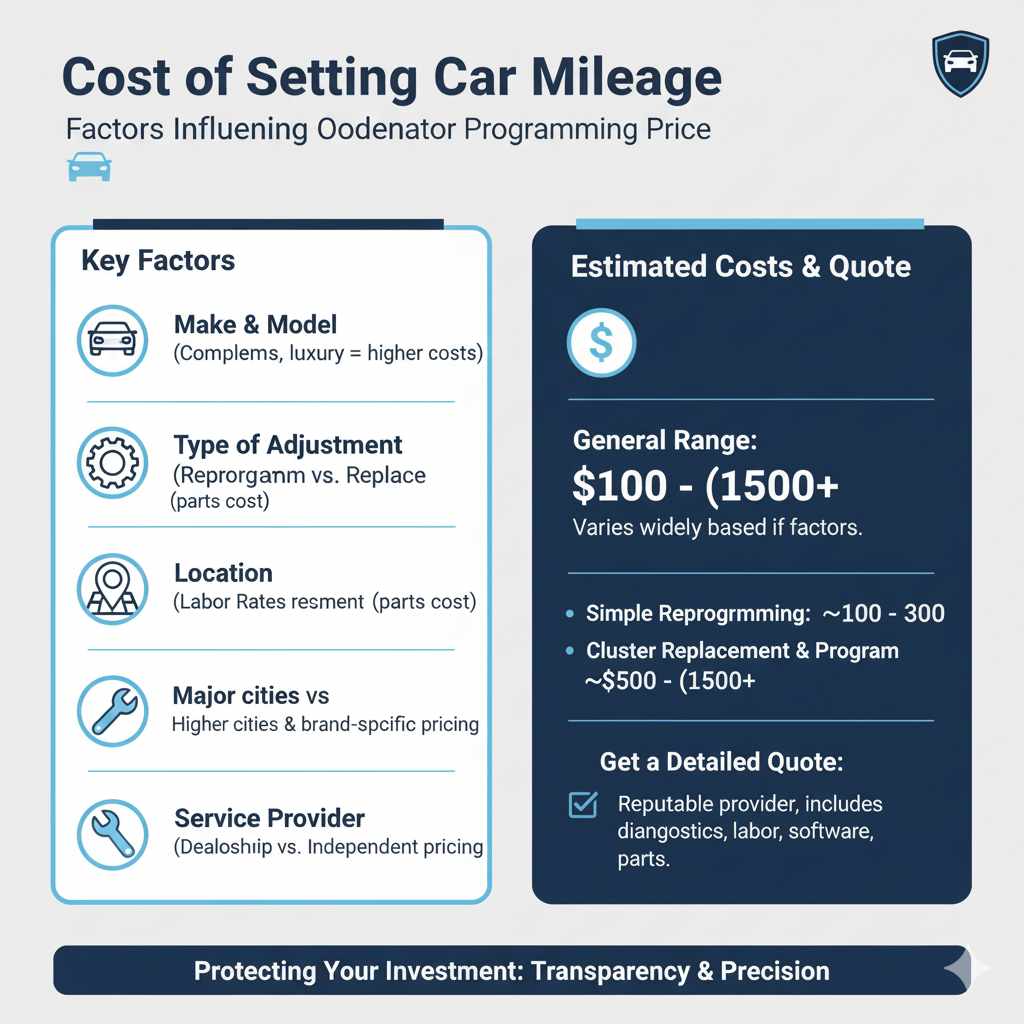
The cost to have a car’s mileage legally and professionally set can vary widely. Several factors influence the price:
- Make and Model of the Car: Some car manufacturers use more complex systems that require specialized tools or more time to program, leading to higher costs. Luxury or performance vehicles might command a higher service fee.
- Type of Adjustment: If it’s a simple reprogramming of an existing cluster versus replacing and reprogramming a new cluster, the cost will differ. Replacing a whole dashboard unit will naturally be more expensive due to the part cost itself.
- Location: Labor rates vary significantly depending on where you live. Major metropolitan areas typically have higher service costs than rural areas.
- Service Provider: Dealerships usually charge more than independent specialized repair shops due to their overheads and brand-specific pricing structures.
Generally, you can expect the cost for professional odometer programming to range from a few hundred dollars to potentially over a thousand dollars, especially if it involves replacing an entire instrument cluster. For example, a simple reprogramming to correct an odometer after a known issue might cost in the range of $100 to $300. However, replacing a complex digital instrument cluster and then programming it could push the costs towards $500 to $1500 or even more, depending on the vehicle.
It’s always best to get a detailed quote from a reputable service provider before agreeing to any work. Make sure the quote clearly outlines what services are included, such as diagnostic fees, labor, software programming, and any parts if a replacement is needed.
Alternatives to Setting Mileage
For most drivers, the concept of “setting” mileage is irrelevant to their daily car care. However, if you’re facing a situation where the mileage seems incorrect or the odometer is malfunctioning, and you’re looking for solutions other than attempting a potentially illegal or complex manual adjustment, consider these:
- Documenting and Disclosing: If your odometer stops working or is known to be inaccurate, the most ethical and legally sound approach is to keep meticulous records of your car’s service history and mileage estimates. When selling the car, you must disclose the issue and provide all available documentation about its actual usage. This builds trust, even if it affects the resale value. Many jurisdictions have specific forms for disclosing inaccurate mileage.
- Repairing the Odometer: The first step when an odometer malfunctions is usually to try and repair it. A qualified mechanic might be able to fix a mechanical odometer or diagnose a fault in a digital system. If the repair involves replacing the odometer module itself, then the need for a professional “setting” of the new component arises, as detailed previously.
- Ignoring and Tracking Manually: In some very old vehicles where mechanical odometers fail, and replacement is impractical or impossible, owners might choose to disconnect or ignore the odometer. In such cases, it is absolutely vital to record every mile driven manually in a logbook. This logbook becomes the car’s mileage history for any future sale or appraisal.
- Focusing on Maintenance Rather Than Mileage: For many drivers, especially those keeping their cars for a long time, focusing heavily on the odometer reading can be less important than consistent, preventive maintenance. Ensuring your car receives regular oil changes, fluid checks, brake inspections, and other services based on time or manufacturer recommendations (if mileage tracking is an issue) will keep the car in good running order, regardless of the exact number on the odometer.
The core principle here is honesty and compliance. If your car’s mileage is compromised, never try to alter it to mislead. Instead, focus on accurate documentation and professional repair or disclosure.
Frequently Asked Questions (FAQ) About Car Mileage
Q1: Can I reset my car’s mileage myself?
Answer: It is generally not recommended for individuals to attempt to reset or adjust their car’s mileage themselves. Modern cars have complex electronic systems, and tampering with the odometer can lead to significant damage to your car’s computer and other vital systems. Furthermore, altering an odometer is illegal in many places if done with the intent to deceive.
Q2: What happens if my car’s odometer stops working?
Answer: If your odometer stops working, it’s essential to have it repaired by a qualified professional as soon as possible. Driving a vehicle with a non-functional odometer is illegal in many jurisdictions. The repair might involve fixing the existing unit or replacing it, which would then require professional programming to set the correct mileage.