Will A Bad Transmission Interlock Switch Stop Your Car?
A faulty transmission interlock switch can indeed prevent your car from starting or shifting out of park. This switch ensures safety by requiring the brake pedal to be pressed before allowing the transmission to move. If it malfunctions, it can falsely signal that the brake isn’t applied, thus disabling these functions.
Understanding the Transmission Interlock Switch
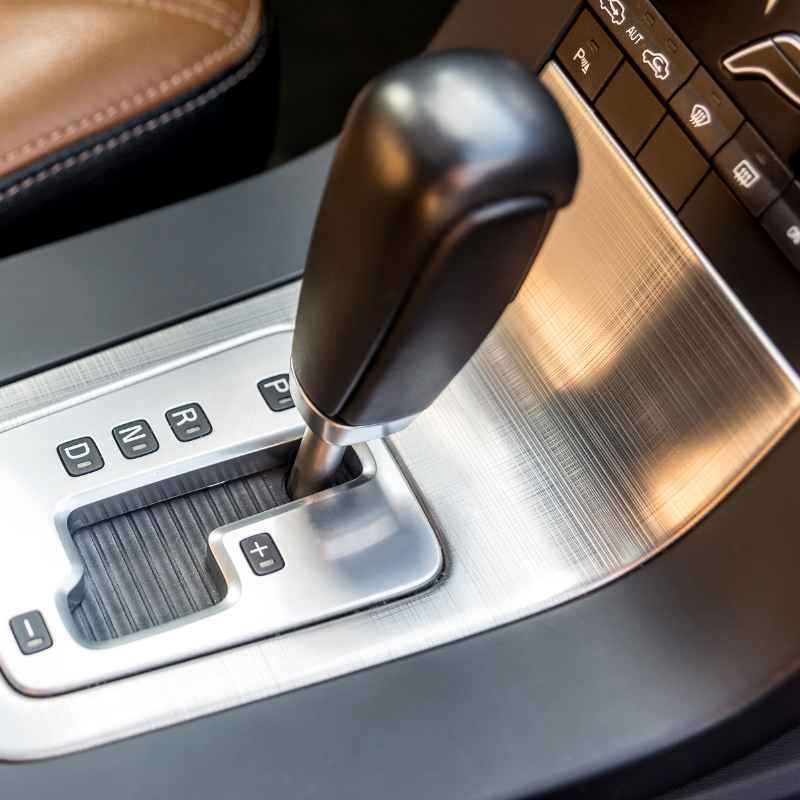
So, what exactly is this transmission interlock switch? Think of it as a small guardian for your car’s safety. Its main job is to make sure you’re pressing the brake pedal before you can shift your car out of park.
This might seem simple, but it’s a really important safety feature. It stops your car from accidentally rolling away when you start it up. It also prevents you from shifting gears when the car isn’t in a safe state.
This switch is part of your car’s transmission control system. It connects your brake pedal to your gear shifter. When you press the brake pedal, it physically or electronically signals the switch.
This signal then tells the car’s computer that it’s safe to move the gear selector. If you don’t press the brake pedal, the switch stays open. It keeps the shifter locked in place, usually in Park.
There are a couple of common types of these switches. Some are purely mechanical. They use a physical lever or plunger that gets pushed when the brake pedal is pressed.
Others are electronic. They use sensors to detect the position of the brake pedal. Regardless of the type, their purpose is the same: safety first.
They prevent unintended movement and ensure you’re in control.
The transmission interlock switch is crucial because it links two critical systems: the brake pedal and the transmission shifter. Without its proper function, the car’s computer doesn’t get the right information. It thinks the brake isn’t being pressed, even if you are pushing it.
This creates a safety lockout. It’s designed to be a one-way street of information – brake pressed equals shift allowed. No brake press equals no shift allowed.
Many modern cars have these systems built into the shifter assembly itself. They are often called the Neutral Safety Switch or Brake-Shift Interlock. The naming can vary slightly between car makes and models.
However, the core function remains identical. It’s a gatekeeper. It checks for the brake pedal signal before allowing the transmission to change its state.
This prevents rolling accidents and protects the transmission from improper engagement.
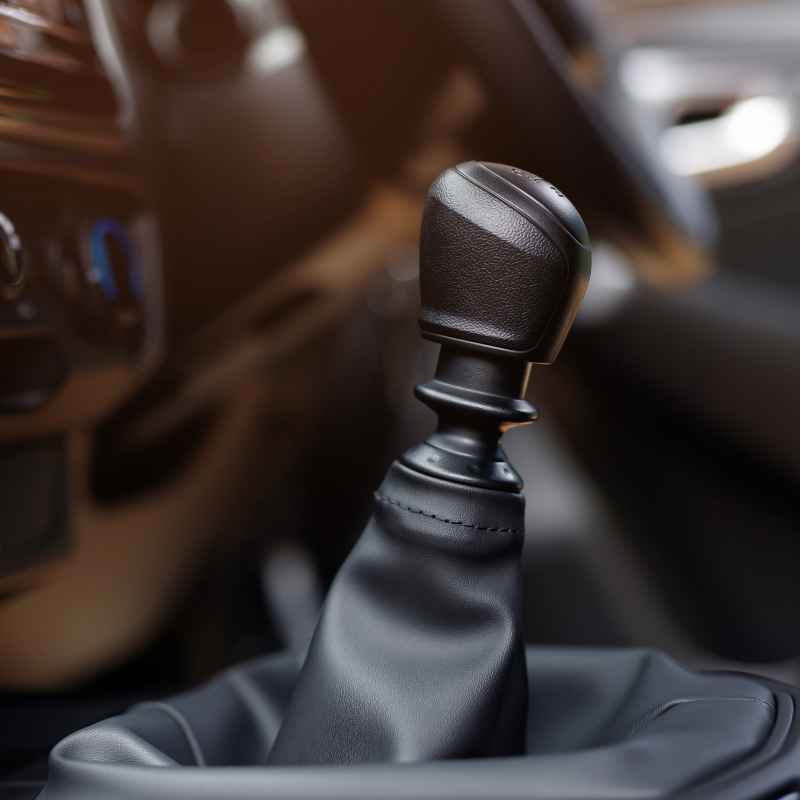
My Own Stumble with a Stubborn Shifter
I remember one particularly chilly Tuesday morning. I was running late for a client meeting, coffee in hand, keys in the ignition. I turned the key, the engine roared to life, sounding perfectly normal.
So far, so good, right? I pushed the brake pedal, ready to slide the gear shifter from Park into Drive. But the shifter wouldn’t budge.
It felt like it was glued in place.
My first thought was, “Oh no, the transmission is shot.” That’s a scary thought, and it sent a wave of panic through me. I jiggled the steering wheel, thinking maybe it was a steering lock issue. Nothing.
I tried rocking the car back and forth slightly. Still, the shifter remained stubbornly locked in Park. The clock was ticking, and my frustration grew with every passing second.
I popped the hood, though I have to admit, my mechanical knowledge is pretty basic. I just wanted to do something. I looked at the transmission fluid, checked a few obvious-looking hoses.
Nothing seemed out of place. I was picturing towing bills and days without my car. Then, as I sat there defeated, I vaguely recalled a mechanic mentioning something about a switch related to the brake pedal and shifting.
That’s when a lightbulb went off.
I remembered my neighbor had a similar issue a few months back. He said it turned out to be a small, inexpensive part. I got out of the car, pressed the brake pedal firmly again, and then tried the shifter.
Still no luck. But the memory of that conversation stuck with me. I went inside, did a quick search, and there it was: the brake-shift interlock switch.
It fit the symptoms perfectly. It was a humbling reminder that sometimes the biggest problems come from the smallest parts, and a little bit of knowledge can save you a lot of stress and money.
Signs of a Failing Interlock Switch
When this switch starts to go bad, you’ll often see a few tell-tale signs. They usually point to the car not recognizing that you’re pressing the brake pedal. This is the main trigger for the switch.
- Car won’t start: Even if the engine cranks, it might refuse to turn over. The car thinks it’s not in Park or Neutral.
- Shifter is stuck in Park: This is the classic symptom. You press the brake, but the lever won’t move.
- Dashboard lights flicker or behave strangely: Sometimes, related electrical systems can act up.
- Cruise control won’t engage: The cruise control system also relies on the brake pedal sensor.
- The brake lights don’t turn on: This is a big one. If the brake lights aren’t working, it often means the brake light switch (which is closely related or sometimes the same component) is failing.
Why This Switch Matters So Much
The transmission interlock switch is a silent protector. Its main function is safety. Imagine starting your car in your garage.
If it wasn’t locked in Park, it could roll forward or backward. This could cause damage or, worse, injury. The switch ensures that you are in control and that the car is stable before you change gears.
It’s a simple but effective way to prevent accidents.
This switch connects the brake pedal to the transmission gear selector. When you press the brake, it allows you to move the shifter out of Park. This is often called the brake-shift interlock.
It’s a system designed to be foolproof. It prevents accidental movement of the vehicle when you’re just trying to get it going. It works on the principle that the driver has acknowledged the car’s position.
Beyond just starting the car, this switch also plays a role in how the car operates. For example, many cars have a feature that disengages the cruise control when you tap the brake. This feature relies on the same signal that the interlock switch uses.
If the switch is faulty, your cruise control might not work correctly either. It might not turn on or might disengage unexpectedly.
In essence, the switch acts as a gatekeeper for the transmission. It has to receive the “all clear” signal from the brake pedal before it unlocks the gear shifter. If this signal is interrupted or incorrect, the gate stays closed.
This means you’re stuck in Park, and the car might not even allow the engine to start.
The transmission interlock switch is a key component in preventing what’s known as unintended vehicle motion. This is a serious safety concern in the automotive world. By requiring driver input (pressing the brake), it adds a layer of certainty.
It confirms the driver’s intent to operate the vehicle. Without it, the risk of the car moving when the driver isn’t ready increases significantly.
Contrast: Normal Function vs. Failing Switch
Let’s look at how things should work versus what happens when the switch fails.
| Feature | Normal Operation | Failing Switch |
|---|---|---|
| Starting the Car | Engine starts when key is turned (in Park/Neutral). | Engine may crank but not start. Car thinks it’s not in Park. |
| Shifting out of Park | Shifter moves freely after brake pedal is pressed. | Shifter remains locked in Park, even with brake pedal pressed. |
| Brake Lights | Turn on when brake pedal is pressed. | May not turn on if the switch is also the brake light switch, or related. |
| Cruise Control | Engages and disengages properly. | May not engage or may disengage erratically. |
Common Causes for Failure
Like any part in your car, the transmission interlock switch isn’t invincible. Over time, it can wear out or get damaged. Several things can cause it to stop working correctly.
Understanding these causes can help you spot problems early. It can also help you prevent future issues.
One of the most common reasons for failure is simple wear and tear. The switch is activated every time you press the brake pedal and shift gears. This constant use can cause the internal components to degrade.
After thousands of cycles, the electrical contacts can become worn. This leads to a weak or completely lost signal. It’s like a light switch that’s been flipped on and off millions of times.
Another cause is physical damage. Sometimes, the shifter mechanism itself can be stressed. This might happen if someone tries to force the shifter out of Park.
That kind of stress can put undue pressure on the interlock switch. It can bend or break internal parts. Even a small crack or misalignment can disrupt its function.
This is why it’s important not to force things.
Moisture and corrosion are also big culprits, especially in certain climates. If water or road salt gets into the shifter assembly, it can corrode the electrical connections. This corrosion acts like a barrier.
It prevents the electrical signal from passing through. Over time, this can lead to intermittent problems. Eventually, it can cause a complete failure of the switch.
Electrical issues in the car’s system can also affect the switch. A short circuit or a blown fuse in the related circuits can cut power to the switch. This would prevent it from working.
Sometimes, the problem isn’t the switch itself but the wiring leading to it. Damaged wires or loose connections can cause similar symptoms. This is why diagnosis is important.
Finally, sometimes it’s just a manufacturing defect. While not as common, a switch can fail prematurely if it wasn’t made perfectly. This is more likely on less expensive aftermarket parts.
Using high-quality parts is always recommended. The transmission interlock switch is a critical safety component. It’s not one to cut corners on.
Quick Scan: What to Check First
Before assuming the interlock switch is the sole problem, consider these simple checks:
- Check the Brake Lights: Do they work when you press the pedal? If not, the brake light switch (often integrated or related) is likely the issue.
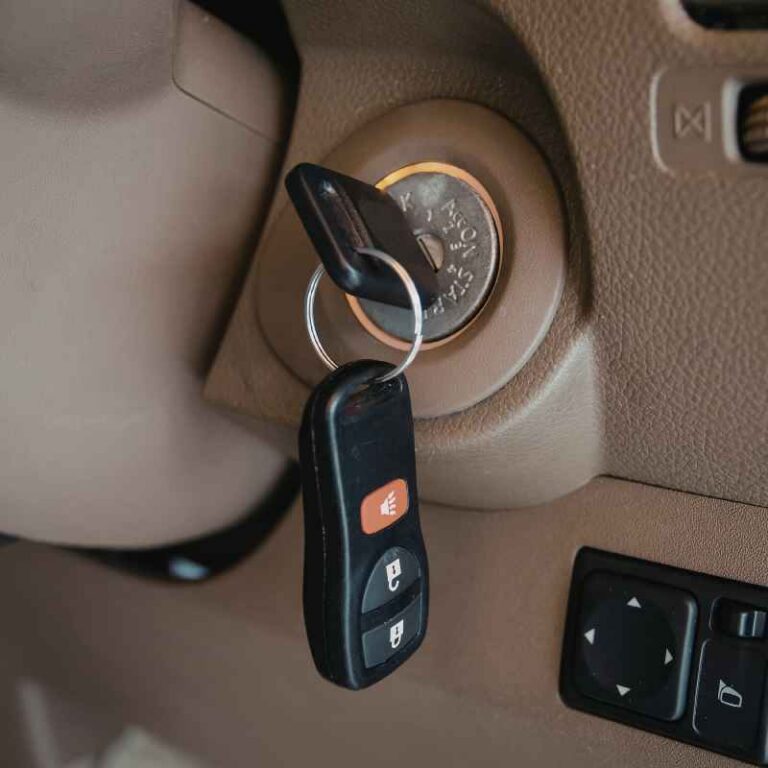
- Ensure the Key is Fully In: Sometimes, the car won’t allow shifting if the ignition key isn’t fully engaged.
- Try a Different Key Fob: If your car uses a keyless entry system, a dead battery in the fob could cause issues.
- Check Fuses: Consult your owner’s manual to find the fuse for the brake-shift interlock system. A blown fuse will obviously stop it from working.
When a Bad Switch Stops Your Car
Yes, a bad transmission interlock switch can absolutely stop your car from starting or shifting. This is its primary failure mode when it breaks down. The car’s computer is programmed to detect the state of the brake pedal through this switch.
If the switch fails in a way that signals “brake not pressed,” the computer will enforce safety protocols.
One of the most common scenarios is the car refusing to start. Many vehicles have a safety feature that prevents them from starting unless the gear selector is in Park or Neutral. The transmission interlock switch tells the car’s computer that the selector is indeed in Park.
If the switch is bad and signals “not in Park” (or rather, “brake not pressed,” which is a prerequisite for shifting out of Park), the computer will prevent the starter motor from engaging. The engine might crank, but it won’t fire up. You’ll hear the starter whirring, but nothing else happens.
Another major symptom is the inability to shift out of Park. This is the most direct consequence. When the switch is functioning, pressing the brake pedal releases a lock on the shifter.
This allows you to move it to Reverse, Neutral, or Drive. If the switch is faulty, it will not send the signal to release this lock. The shifter will feel completely stuck in Park, no matter how hard you press the brake pedal.
This stuck-in-Park situation is incredibly inconvenient. It leaves you stranded. You can’t drive your car anywhere.
It’s a clear indicator that the interlock system is compromised. The car’s safety systems are doing their job, but the faulty switch is preventing normal operation. It’s designed to keep you safe, but in doing so, it stops the car dead in its tracks.
Sometimes, the switch might fail intermittently. This means it works sometimes and not others. You might be able to shift gears one minute, and then the next, the shifter is locked again.
This can be even more confusing and frustrating. It makes diagnosis harder. But it’s a strong sign that the transmission interlock switch is on its way out.
You can’t rely on it anymore.
The failure of this switch is a direct link to the car’s ability to become mobile. Without the correct signal, the car remains in a static, safe state. It cannot proceed to its operational modes of driving.
This is the intended outcome of a faulty interlock switch from a safety perspective. It prevents potential issues, but it stops your daily routine.
Personal Experience: The “Park Lockout” Moment
I once helped a friend whose car wouldn’t shift out of Park. He was convinced it was a major transmission problem. He’d already called a tow truck.
I asked him to try something simple first. I had him press the brake pedal very hard, then try to shift. He did.
Nothing. I then asked him to pump the brake pedal a few times. On the third pump, the shifter clicked and moved freely!
Turns out, his brake light switch was failing. This switch is often part of, or directly connected to, the brake-shift interlock system. A few firm pumps sometimes create enough pressure or movement to temporarily bridge a weak connection.
It was a classic case of a failing switch causing a total lockout, but in his case, it was intermittent and sensitive to pressure.
What This Means for Your Vehicle
When your transmission interlock switch fails, it’s more than just an annoyance. It signifies a problem with a critical safety system in your car. The immediate implication is that your car is undrivable in its current state.
You can’t move it from Park, and often, you can’t even start the engine.
For your vehicle, it means a component responsible for safety has malfunctioned. This component is designed to prevent accidental movement. When it fails, it locks the vehicle into a safe, stationary mode.
This is a protective measure. It prevents you from putting the car into gear when it’s unsafe to do so. Think of it as the car refusing to let you make a mistake.
This situation also highlights the interconnectedness of your car’s systems. The transmission interlock switch isn’t an isolated part. It’s linked to the brake pedal, the gear shifter, and the car’s main computer (ECU).
It often works in tandem with the brake light switch. A problem with one can sometimes indicate an issue with a related system. For instance, if your brake lights aren’t working, it’s highly likely that the interlock switch is also affected or is the root cause.
The practical meaning for you is that the car needs repair before it can be used. You cannot simply ignore a faulty interlock switch. Driving without functioning brake lights, or with a stuck shifter, is not an option.
The car is effectively immobilized until the switch is replaced. This often requires accessing the shifter assembly, which can be somewhat involved.
It’s also important to consider the long-term implications if left unaddressed. While a failed switch itself doesn’t usually cause cascading mechanical damage to the transmission, it leaves your car vulnerable in other ways. For example, if the brake lights aren’t working due to a related switch failure, you risk rear-end collisions if you were to ever get the car moving again.
So, addressing this issue promptly is key for both safety and usability.
The transmission interlock switch is a small part with a big job. Its failure means your car is temporarily out of commission. It’s a sign that a safety mechanism has broken down.
This means you need to get it fixed to regain the ability to drive your vehicle safely. It’s a clear signal that something needs attention.
Stacked Micro-Sections: Interlock Switch vs. Other Issues
Stuck Shifter: If your shifter is stuck, the interlock switch is a prime suspect. However, it could also be a low battery, a failing shifter cable, or even a problem with the transmission itself (though less common for just being stuck in Park).
No Start: Many things can cause a no-start. A dead battery, a bad starter motor, faulty ignition switch, or fuel pump issues are more common. The interlock switch is a less frequent, but still possible, cause.
Dashboard Lights: Random electrical gremlins can cause dashboard lights to act up. However, if it’s specifically related to brake pedal input, the interlock or brake light switch is a strong contender.
Quick Fixes and Tips
While a direct “fix” for a faulty transmission interlock switch is usually replacement, there are a few temporary workarounds and tips that can help in a pinch. These are not permanent solutions but can sometimes get you out of a jam. Always remember that these are emergency measures.
One common trick is to try shifting the car while the brake pedal is depressed with significant force. Sometimes, a weak or slightly misaligned switch can be coaxed into releasing the shifter with a very firm brake pedal application. Pump the brake pedal a few times to build up pressure.
Then, try to shift. This sometimes helps bridge a connection that’s about to fail.
Another method, used by many mechanics, involves bypassing the interlock switch. This is done by physically disengaging the shifter lock mechanism. On most cars, there is a small access slot or button near the shifter.
You can often this is and how to use it. This should only be done temporarily to move the car to a safe location or to a repair shop.
If your brake lights are not working along with the shifter issue, focus on that first. The brake light switch is often integrated with or very close to the interlock switch. Replacing the brake light switch might resolve both problems.
Check your owner’s manual to locate the brake light switch and see if it’s an easily accessible part.
For newer cars with electronic shifters, the process might be different. Some cars have an electronic parking brake release as well. Always consult your owner’s manual for specific instructions on how to override the shifter lock.
It’s designed as a safety feature for precisely these kinds of situations.
The best tip is to prevent future issues. Avoid trying to force the shifter. If you notice any stiffness or strange behavior, get it checked out sooner rather than later.
A failing transmission interlock switch is often a precursor to a complete failure. Addressing it early can save you from being stranded unexpectedly.
Emergency Shift Override Procedures
Most vehicles have a manual override for the shift lock. Here’s a general guide, but always consult your owner’s manual for specific instructions for your car model.
- Locate the Override Slot: It’s usually found on the center console around the gear shifter. Look for a small slot, cover, or button.
- Remove the Cover (if any): You might need a small flathead screwdriver to gently pry off a cover.
- Insert Tool: Use a screwdriver, pen, or even your key to insert into the slot.
- Press Brake and Engage Tool: While pressing the brake pedal firmly, push the tool into the slot. You should feel or hear a click as the lock disengages.
- Shift Gears: You should now be able to move the shifter out of Park. Remember, this is temporary.
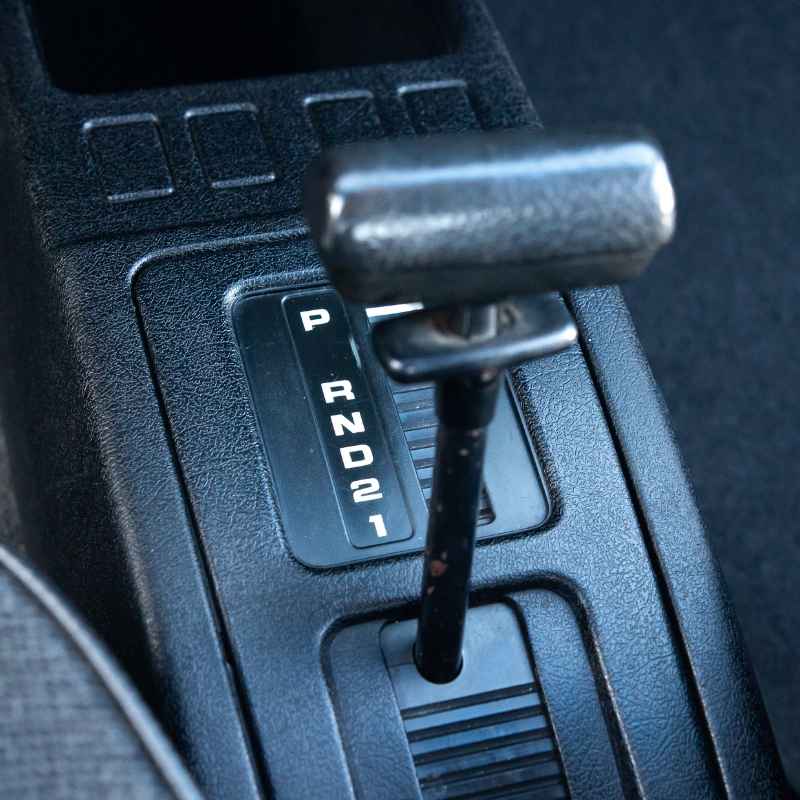
Frequent Questions
Can a bad transmission interlock switch prevent my car from starting?
Yes, absolutely. Many cars will not allow the engine to crank or start if the transmission interlock switch signals that the gear selector is not in Park or Neutral. This is a safety feature.
If the switch fails, the car thinks it’s not safe to start.
My shifter is stuck in Park. Is it definitely the interlock switch?
While the transmission interlock switch is the most common cause for a shifter stuck in Park, it’s not the only possibility. Other issues like a low battery, a faulty shift cable, or internal transmission problems could also cause this. However, if your brake lights also aren’t working, the interlock/brake light switch is a very strong suspect.
How much does it cost to fix a transmission interlock switch?
The cost can vary. The switch itself is usually an inexpensive part, often costing between $10 and $50. However, labor costs can add to this.
The complexity of accessing the switch can range from 30 minutes to a couple of hours of work for a mechanic. So, you might expect to pay anywhere from $100 to $300 or more, depending on your car and where you get it fixed.
Can I drive my car if the interlock switch is bad?
No, you cannot drive your car if the transmission interlock switch has failed in a way that locks the shifter in Park or prevents the car from starting. The car is immobilized for safety reasons. Attempting to force the shifter or bypass safety systems is not recommended and can cause further damage.
Is the transmission interlock switch the same as the brake light switch?
Often, they are closely related or even the same component, especially in older vehicles. The brake light switch is activated when you press the brake pedal, and it turns on your brake lights. The transmission interlock switch also uses the brake pedal input to allow shifting.
If one fails, it’s common for the other to be affected as well, or for both to be part of the same switch unit.
What happens if I try to force the shifter out of Park?
Trying to force the shifter out of Park can damage the shift mechanism, the interlock switch, or even the transmission itself. It’s important to use the proper manual override procedure if you need to move the car when the interlock switch is faulty. Forcing it can lead to more expensive repairs.
Conclusion
It’s clear that a faulty transmission interlock switch can indeed stop your car. This small but mighty part is a critical safety feature. It prevents your car from moving when you don’t intend it to.
When it fails, it can leave you stranded, unable to start your engine or shift out of Park. Understanding its role is key. Knowing the signs of failure can save you stress.
If you suspect this switch is the problem, it’s best to get it checked by a professional to ensure your car is safe and drivable again.
Products related to this article
Sponsored / affiliate links. As an Amazon Associate I earn from qualifying purchases. I may earn additional commission from eligible campaigns.