How to Stop a Car From Burning Oil and Save on Expenses
Figuring out How to Stop a Car From Burning Oil can feel tricky, especially if you’re new to car maintenance. It’s a common problem that can worry many drivers. Don’t stress, though! This guide will break down the issue into easy-to-follow steps. We’ll explore the causes, how to spot the signs, and what you can do to fix it. Get ready for a simple, step-by-step solution to keep your car running smoothly and avoid costly repairs. Let’s get started and learn how to keep your engine in top shape.
Recognizing the Signs: Is Your Car Burning Oil?
Spotting the signs your car is burning oil is the first step toward finding a solution. It’s important to catch the issue early before it leads to serious engine damage. Burning oil often results in visible symptoms and noticeable changes in your car’s performance. Knowing what to look for can save you time, money, and headaches. This includes paying attention to the exhaust, checking your oil levels, and noticing any changes in engine behavior.
Exhaust Smoke and Oil Burning
One of the most obvious indicators that your car is burning oil is the exhaust smoke. The color and smell of the smoke can tell you a lot about the problem. Blue or gray smoke coming from your exhaust usually means oil is being burned. This color comes from the oil mixing with the fuel in the combustion chamber. The smell is usually a distinct, acrid odor, different from normal exhaust fumes. The intensity of the smoke can vary depending on the severity of the problem. If you notice thick, blue smoke, particularly when starting your engine or accelerating, it’s a clear sign you should investigate further. In some cases, you may only see smoke under certain conditions, like when going downhill or after idling for a while. It’s not always constant, so keep a close watch.
-
Blue Smoke: Blue smoke is the clearest visual sign your car burns oil. It indicates that oil is getting into the combustion chamber and being burned along with the fuel. This typically happens because of worn valve seals or piston rings.
When oil seeps into the combustion chamber, it gets vaporized during the combustion process, leading to the blue hue. The amount of blue smoke can help gauge how serious the problem is; more smoke often means more oil is being burned.
-
Gray Smoke: Gray smoke could be a combination of oil and coolant burning.
This can happen when the head gasket is damaged. The gray color comes from a mixture of oil, coolant, and fuel burning together. If gray smoke appears along with other symptoms, it’s crucial to get a mechanic’s evaluation.
-
Black Smoke: Black smoke often means too much fuel is being burned.
This may be caused by a problem with the fuel injectors or the air-fuel mixture. While black smoke isn’t directly related to oil burning, it shows something is off. Problems with fuel can lead to other issues, so don’t ignore it.
-
Checking Smoke Under Different Conditions: Observing exhaust under varied conditions gives you more information.
For instance, smoke during startup suggests valve seals could be the problem. Smoke during acceleration can mean worn piston rings. Smoke when going downhill can point to problems with valve stem seals. This is a simple test, but it tells a lot about your car’s internal condition.
Oil Level Checks
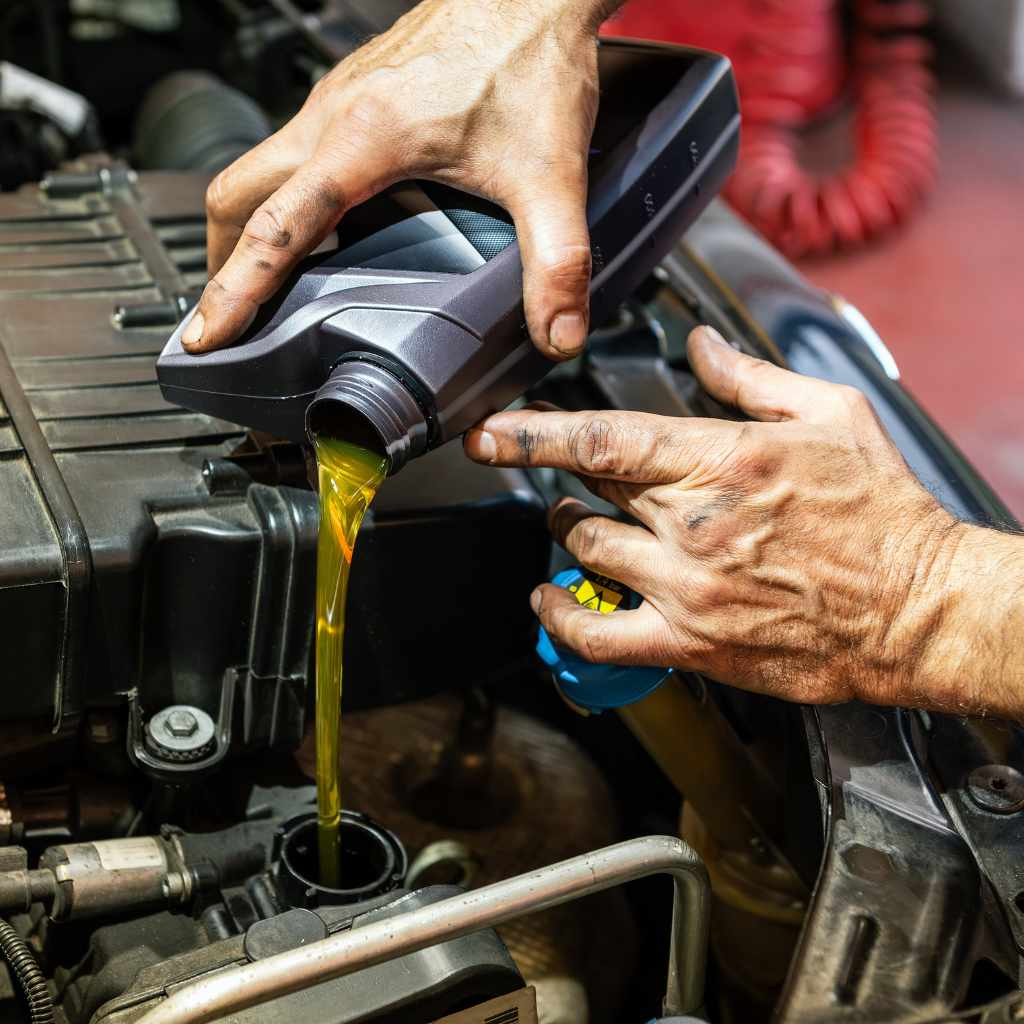
Regularly checking your oil level is a simple but important task. This habit helps you catch problems before they become big issues. If your car is burning oil, the level will drop faster than normal. You’ll need to add oil more frequently. Keep a record of when you check and add oil. This record can show you how fast your car is using oil. If you notice a sudden increase in oil consumption, it’s a clear indication something is wrong. Knowing how to check the oil correctly is key.
-
Frequency of Oil Checks: Checking your oil once a month, or every few times you fill the gas tank, is a good habit.
For cars that are older or have higher mileage, checking more often, such as every week or every other gas fill-up, can be helpful. This habit lets you notice changes in your oil consumption quickly. Regular checks are like a regular health checkup for your engine.
-
The Dipstick Method: Most cars have a dipstick to check the oil level.
Pull out the dipstick, wipe it clean, and reinsert it completely. Then, pull it out again. The oil should be between the “MIN” and “MAX” marks. If it’s below the “MIN” mark, you need to add oil. Make sure the car is on a level surface when you check the oil.
-
Oil Consumption Rate: Track how much oil you add and how often.
For example, if you add a quart of oil every 500 miles, that’s a high consumption rate. Normal oil consumption varies by car, but if you’re adding oil frequently between oil changes, there may be a problem. Keep a small notebook or use your phone to track these details.
-
Color and Consistency: As you check your oil level, also look at the color and consistency of the oil.
Oil that is too dark, thick, or contains metal particles could mean there are internal engine problems. Milky oil could mean coolant is mixing with the oil. These clues can suggest other problems and help you diagnose the burning oil.
Changes in Engine Performance
Besides smoke and low oil levels, changes in engine performance can also signal oil burning. These can be more subtle but still important to recognize. If your car is burning oil, it will often lead to problems like reduced power, rough idling, or misfires. These problems occur because oil can disrupt the combustion process. It can also cause other parts of the engine to wear down. Recognizing these changes can help you spot the problem early.
-
Reduced Engine Power: A car burning oil may feel less powerful than usual.
This can happen because oil coats the spark plugs, preventing them from firing correctly. It can also reduce the efficiency of the combustion process. You might notice slower acceleration, especially when trying to merge onto a highway.
-
Rough Idling: A car burning oil often has a rough or unstable idle.
This can feel like the engine is shaking or running unevenly when you’re stopped at a traffic light. Oil in the combustion chamber can interfere with the spark plugs, resulting in an uneven burn. This can cause the engine to misfire.
-
Misfires: Misfires happen when one or more cylinders in your engine don’t fire properly.
Burning oil can cause this by fouling the spark plugs. When the spark plugs become coated with oil, they can’t create the spark needed to ignite the fuel-air mixture. You may feel a jerk or shake as you drive.
-
Oil in the Air Intake: Sometimes, oil can get into the air intake system.
This can come from worn valve seals or a faulty PCV (Positive Crankcase Ventilation) valve. Check the air filter for oil residue. This can indicate where the oil is entering the combustion system.
Common Causes of Oil Burning
Several things can cause your car to burn oil. Sometimes, it is due to normal wear and tear over time. Other times, it’s caused by faulty parts. Understanding these causes helps you find the right solution. The engine’s internal parts work hard, and some wear is inevitable. Things like the valve stem seals, piston rings, and the PCV valve are often the main culprits. Knowing where these components are and how they work helps you understand the problem better.
Worn Valve Stem Seals
Valve stem seals are small rubber seals that sit around the valve stems in the engine’s cylinder head. Their job is to keep oil from seeping down the valve stems and into the combustion chambers. Over time, these seals can harden, crack, or deteriorate due to heat and age. When this happens, oil can leak past the seals and enter the cylinders, where it gets burned during the combustion process. Replacing valve stem seals often fixes oil burning problems.
-
Function and Location: Valve stem seals are found at the top of the cylinder head, around the valves.
They are small but critical in keeping oil out of the combustion chamber. When these seals fail, oil goes where it shouldn’t. They work constantly with the valve stems moving up and down.
-
Symptoms of Worn Seals: The most common symptom is blue smoke from the exhaust, especially upon startup or after the car has been idling for a while.
You might also notice a drop in your oil level. These seals are only working while the car is running, so it is often noticeable during specific situations.
-
Repairing the Seals: Replacing valve stem seals involves removing the cylinder head and taking apart the valves.
You can often
-
Preventive Measures: To make your seals last longer, use high-quality oil and follow your car’s maintenance schedule.
Avoiding extreme temperatures and harsh driving habits also helps. Regular oil changes and using the right oil can keep the seals in good shape. These steps will reduce wear and tear and extend seal life.
Worn Piston Rings
Piston rings are small metal rings that fit around the pistons in your engine. They form a seal between the pistons and the cylinder walls. The main job of piston rings is to keep the combustion gases sealed within the cylinders and to prevent oil from getting into the combustion chamber. Like other parts, piston rings can wear out over time. This wear leads to oil leaking past the rings and being burned during combustion. Worn piston rings often show up as oil burning and reduced engine performance.
-
Role and Position: Piston rings sit in grooves on the pistons.
There are usually three rings on each piston: a compression ring, a scraper ring, and an oil control ring. The oil control ring is the most crucial in keeping oil from entering the combustion chamber. These rings constantly move up and down in the cylinders.
-
Symptoms of Worn Rings: The main symptom is continuous blue smoke from the exhaust while the engine is running.
You will likely see a significant drop in oil level and reduced engine power. The oil consumption rate is higher than normal. The oil can contaminate the spark plugs, resulting in misfires.
-
Fixing Worn Rings: Replacing piston rings is a more extensive job.
It usually requires removing the engine from the car and taking it apart. This repair is best done by an experienced mechanic. Along with the rings, you may need to replace the cylinder walls, depending on the damage.
-
Maintenance Tips: Regular oil changes and using the right grade of oil can help reduce wear on the piston rings.
Avoid letting your engine overheat, as this can damage the rings. Proper warm-up procedures and not overworking the engine will help keep the rings in good shape. Following recommended maintenance schedules extends the engine life.
Faulty PCV Valve
The PCV (Positive Crankcase Ventilation) valve is a small but important component of your car’s engine. It helps remove harmful gases from the crankcase. The crankcase is the enclosed space within your engine where the crankshaft and connecting rods operate. These gases can cause pressure to build up inside the engine. The PCV valve helps to regulate this pressure. If the PCV valve gets stuck or clogged, it can increase oil consumption. A blocked valve can cause oil to be pushed past the seals and into the combustion chamber. Replacing a faulty PCV valve is often a simple, cost-effective fix.
-
Purpose and Operation: The PCV valve draws crankcase fumes out of the engine.
It uses engine vacuum to pull gases and vapors into the intake manifold, where they are burned in the combustion process. The PCV valve regulates the flow. This helps maintain proper engine pressure.
-
Symptoms of a Faulty Valve: You might notice increased oil consumption and blue smoke.
The engine might also have a rough idle or experience oil leaks around seals and gaskets. In some cases, you could hear a whistling noise. These are all signs the PCV valve isn’t working right.
-
Replacing the PCV Valve: Replacing the PCV valve is a straightforward repair.
In most cases, you can find the valve easily and remove it with simple tools. It’s often located on the valve cover or near the intake manifold. Check your car’s repair manual for the valve’s exact location.
-
Checking and Maintenance: You should check the PCV valve periodically as part of your car’s routine maintenance.
A quick test is to remove the valve and shake it. You should hear a rattle. If it’s stuck or doesn’t rattle, it probably needs replacing. Regularly replacing your PCV valve helps prevent many engine problems.
Ways to Stop Your Car From Burning Oil
There are many steps you can take to stop your car from burning oil. Some solutions involve simple maintenance tasks. Other fixes may require professional help. The best approach depends on what is causing the problem. Getting a proper diagnosis from a mechanic will help determine the best course of action. This will help you take the right steps to reduce or eliminate the oil consumption and save money in the long run.
Oil Additives and Thicker Oil
Oil additives and using thicker oil can sometimes help reduce oil burning. They won’t always fix the problem completely. However, they can help in mild cases. Oil additives are made to improve the oil’s ability to seal gaps and reduce leaks. These can be particularly helpful for older engines. While they are a temporary solution, they might help postpone the need for more major repairs. Switching to a thicker oil can also help reduce oil consumption.
-
Benefits of Oil Additives: Certain additives are designed to swell the rubber seals and reduce leaks.
They can also improve oil viscosity, which can help reduce the amount of oil getting into the combustion chamber. Some additives contain friction modifiers. These steps can lead to an improvement in oil consumption and overall engine performance.
-
Selecting the Right Additive: Choose an additive designed for oil burning or seal rejuvenation.
Read reviews and research the different options. Follow the instructions on the additive bottle carefully. Adding too much can cause problems. Keep in mind that additives are not a cure-all, especially for serious problems.
-
Thicker Oil’s Role: Using a slightly thicker oil grade can help reduce oil consumption.
For example, if your car uses 5W-30, you might try 10W-30. The thicker oil fills small gaps and reduces leakage. Always follow the manufacturer’s oil recommendations. If you’re unsure, ask a mechanic.
-
Precautions and Considerations: Oil additives and thicker oil are not for all cars.
Always check your owner’s manual for recommendations and warnings. Overuse or using the wrong type of oil can lead to more engine damage. If your car is burning oil seriously, these methods are often a temporary fix.
Mechanical Repairs
Mechanical repairs are often needed when oil burning is a result of worn or damaged engine parts. These repairs can involve replacing seals, rings, or other components. While these repairs might be more expensive than simple fixes, they are usually the best long-term solution. They directly address the root cause of the oil burning problem. Deciding which mechanical repairs are needed involves getting a proper assessment from a mechanic. A qualified mechanic will inspect your car and recommend the right solutions. This helps to prevent further damage and keeps your car running correctly.
-
Valve Seal Replacement: Replacing valve stem seals is a common and effective repair.
This involves removing the cylinder head and replacing the seals around the valves. This often resolves oil burning caused by worn or damaged seals. This repair can stop oil from leaking into the combustion chamber.
-
Piston Ring Replacement: If the piston rings are worn, replacing them is important.
This is a bigger job, often requiring removing the engine. The mechanic removes the pistons, replaces the rings, and reassembles the engine. Replacing the rings will restore the engine’s compression and stop oil consumption.
-
PCV Valve Replacement: Replacing a faulty PCV valve is a quick and affordable fix.
A blocked or damaged PCV valve can cause increased oil consumption and engine leaks. This will restore the proper pressure and ventilation within the engine. It’s a simple, cost-effective way to address many oil burning problems.
-
Professional Diagnosis: Always get a professional assessment from a mechanic before beginning any mechanical repairs.
A mechanic will run diagnostic tests to determine the exact cause of oil burning. They can then recommend the right repairs. This prevents unnecessary work and makes sure the problem is addressed correctly.
Regular Maintenance Habits
Following regular maintenance habits is key to preventing oil burning. These habits involve proper care of your car’s engine. Good maintenance helps extend the life of your car and avoid costly repairs. Regular oil changes, using the correct oil, and monitoring fluid levels will keep your engine working well. Consistent maintenance practices help keep your engine in good condition. These efforts also help you catch potential problems before they become major issues. Proper upkeep ensures that your car operates smoothly and efficiently.
-
Oil Change Frequency: Change your oil and filter based on your car’s manual instructions.
Most cars need an oil change every 3,000 to 5,000 miles. Some newer cars can go longer, like 7,500 to 10,000 miles. Using the correct oil grade for your car is key. Frequent oil changes ensure your engine is properly lubricated and free of contaminants.
-
Oil Type and Grade: Always use the type and grade of oil recommended by your car manufacturer.
The recommended oil is often printed on the oil filler cap. Using the wrong oil can cause engine damage. Follow the recommended specifications to make sure your engine is properly protected.
-
Fluid Level Checks: Regularly check the oil level, coolant level, and other fluids in your car.
Check your oil every month. Check other fluids, such as coolant and brake fluid, as well. Maintaining the right levels can help prevent engine issues. This habit ensures everything works as it should.
-
Other Maintenance Tasks: Other maintenance tasks include checking and replacing the air filter and fuel filter.
Also, inspect your belts, hoses, and spark plugs for wear and tear. Regular maintenance helps to catch and solve problems early. These tasks ensure your engine is clean, protected, and running at its best.
Preventive Measures for the Future
Taking preventive steps can help reduce your chances of oil burning and extend your engine’s life. These steps often involve lifestyle changes, such as modifying driving habits. It also involves selecting high-quality parts and fluids for your car. By taking these steps, you can help protect your car’s engine. Following these practices makes sure your engine will operate properly for years. This will help you save money on repairs. This will make your car last longer.
Proper Driving Habits
Your driving habits have a big effect on your car’s engine. Aggressive driving and sudden acceleration can put more strain on your engine. This extra stress can cause parts to wear out faster. Avoid speeding and sudden braking to reduce wear and tear. Use gentle acceleration and maintain steady speeds to give your engine a break. You can also prevent damage by avoiding long periods of idling and not over-revving your engine. These changes reduce the stress on the engine and prolong its life.
-
Avoid Aggressive Driving: Aggressive driving involves fast acceleration, hard braking, and high speeds.
These habits put extra stress on the engine, causing it to work harder and wear out more quickly. Avoiding these habits will extend your car’s life. Be gentle with your car, and it will be gentle with you.
-
Warm Up Your Engine: Allow your engine to warm up before you drive at high speeds.
This is especially important in cold weather. Letting the engine reach its normal operating temperature before you drive ensures that the oil circulates correctly. It keeps the parts lubricated and reduces wear.
-
Avoid Long Idling Periods: Long idling periods can cause your engine to burn more oil.
Extended idling can also cause problems, such as fuel dilution of the oil. Turn off the engine if you’re going to be stopped for a long period. This keeps your engine running smoothly.
-
Regularly Inspect Your Car: Routine inspections help you catch small problems early before they turn into big ones.
Check your oil levels and look for leaks. Listen to how your engine sounds while it runs. Get your car checked by a mechanic regularly. Early detection is often the best defense against engine problems.
Using Quality Products
The quality of the fluids and parts you put in your car has a big impact on its health. Always use high-quality oil, filters, and other fluids recommended by your car’s manufacturer. Cheap or low-quality products might seem like they save money. However, they may not offer the protection your engine needs. They can also cause premature wear and lead to expensive repairs. Investing in quality products can save you money in the long run. They keep your engine running efficiently and for a longer time.
-
Choosing the Right Oil: Use the oil type and grade specified in your car’s owner’s manual.
Consider using synthetic oil, which can offer better protection and performance. High-quality oil will keep your engine clean and well-lubricated. It also reduces wear and helps to prevent oil burning.
-
High-Quality Filters: Use high-quality oil filters, air filters, and fuel filters.
These filters remove impurities and contaminants from your engine. Good-quality filters keep your engine running at its best. They also extend the life of your engine.
-
Buying Replacement Parts: When you need to replace parts like spark plugs or valve stem seals, choose quality parts from a trusted brand.
Low-quality parts might not last long. They can also damage your engine. Using quality parts will ensure that your car runs smoothly and efficiently.
-
Professional Advice: Consult your mechanic for recommendations on the best products for your car.
Mechanics know which brands and types of products work best. They can also help you avoid products that could cause problems. Following their advice makes sure your car gets the best care.
Regular Inspections
Regular inspections are an important part of car maintenance and can catch potential problems early on. A trained mechanic can assess your car’s engine condition and look for any signs of wear or damage. This includes checking for oil leaks, inspecting the valve stem seals, and testing the PCV valve. Early detection of problems means they can be fixed before they become costly. This protects your engine and helps to keep your car running efficiently. Regular inspections are a great way to save money.
-
Oil Leak Detection: Regular checks for oil leaks can prevent small problems from becoming bigger issues.
Oil leaks can be a sign of worn seals or damaged gaskets. These leaks lead to low oil levels and reduced engine performance. Catching them early will prevent major engine damage.
-
Checking Valve Stem Seals: Mechanics inspect valve stem seals during regular checkups.
They can recognize early signs of wear or damage. If they notice any issues, they can recommend replacing the seals. This will prevent oil from leaking into the combustion chamber.
-
Testing the PCV Valve: A mechanic will test your PCV valve.
They can also determine if it is working properly. A faulty PCV valve can cause oil burning. Regular testing will catch the problem early.
-
Preventative Maintenance: Regular inspections also include general preventative maintenance.
This may involve changing oil and filters, checking other fluids, and inspecting belts and hoses. Following these steps helps keep your car in top shape. It will also help you avoid costly repairs.
Comparison of Oil Burning Solutions
Many solutions can help with oil burning. The best approach depends on the problem. Some fixes are easy, while others are more complicated. You may need to compare different solutions to determine what will work best. This comparison helps you to understand the different options. It also helps you see the benefits and drawbacks of each approach. This makes it easier to make an informed decision for your specific situation.
| Solution | Description | Cost | Effectiveness | Pros | Cons |
|---|---|---|---|---|---|
| Oil Additives | Products designed to improve oil’s sealing ability | Low | Moderate, temporary | Easy to apply, can reduce leaks | Temporary fix, not effective for severe problems |
| Thicker Oil | Using a higher viscosity oil | Low | Moderate | Simple and inexpensive | Not a cure, may not be suitable for all cars |
| Valve Stem Seal Replacement | Replacing the seals in the cylinder head | Moderate to High | High | Addresses the root cause, usually effective | Requires professional work |
| Piston Ring Replacement | Replacing rings around the pistons | High | High | Permanent solution | Most expensive, involves engine removal |
| PCV Valve Replacement | Replacing the Positive Crankcase Ventilation valve | Low | Moderate | Inexpensive, easy to replace | May not be effective if other problems exist |
Frequently Asked Questions
Question: What does it mean when my car burns oil?
Answer: Burning oil happens when oil enters the combustion chamber and is burned along with fuel. This often leads to blue exhaust smoke, a drop in your oil level, and reduced engine power.
Question: Is it bad if my car is burning oil?
Answer: Yes, burning oil is not good. It can lead to engine damage. Early detection and fixing the problem can help prevent expensive repairs down the road.
Question: How do I know if my car is burning oil?
Answer: Look for blue or gray exhaust smoke, check your oil level regularly, and see if your engine is running rough or misfiring. These are key signs.
Question: What can cause a car to burn oil?
Answer: Common causes include worn valve stem seals, worn piston rings, or a faulty PCV valve. Over time, these parts wear down and allow oil to enter the combustion chamber.
Question: How can I stop my car from burning oil?
Answer: You can try oil additives or thicker oil, but mechanical repairs like replacing seals or rings are often needed. Regular maintenance and proper driving habits also help.
Final Thoughts
Addressing the issue of How to Stop a Car From Burning Oil means understanding its causes and the steps you can take to fix it. We’ve explored the various signs, including blue smoke and low oil levels. We’ve discussed the most common causes, such as worn valve seals and piston rings, along with their solutions. Remember that simple fixes such as oil additives can help. More serious problems will require mechanical repairs or other actions. Keeping up with regular maintenance, using quality products, and practicing good driving habits are great preventive measures. When you notice these signs, take action and consult a professional. Acting promptly will prevent bigger problems and help you keep your car running well for years. By knowing what to look for and the steps to take, you can keep your engine healthy and avoid costly repairs. Your car will thank you for the care.