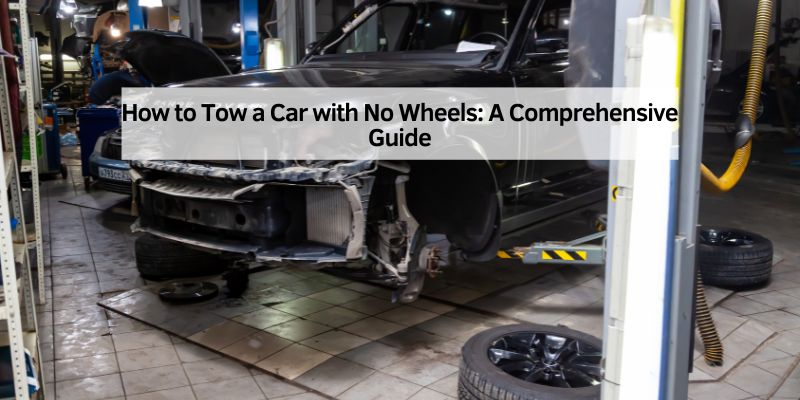
How to Tow a Car with No Wheels: A Comprehensive Guide
Hey there! So, you’re wondering how to tow a car with no wheels? I get it—it’s not something you think about every day, but when you’re stuck with a vehicle that’s missing its wheels, it can feel like a real puzzle. Maybe your car’s wheels were stolen, or it’s a project car sitting on blocks. Whatever the reason, I’ve been there, and I’ve learned a thing or two about getting a wheel-less car from point A to point B without a hitch (pun intended!).
In this guide, I’m going to walk you through everything you need to know, step by step, like we’re chatting over a cup of coffee. My goal is to make this process clear, safe, and maybe even a little less stressful. Let’s dive in!
Why Would a Car Have No Wheels?
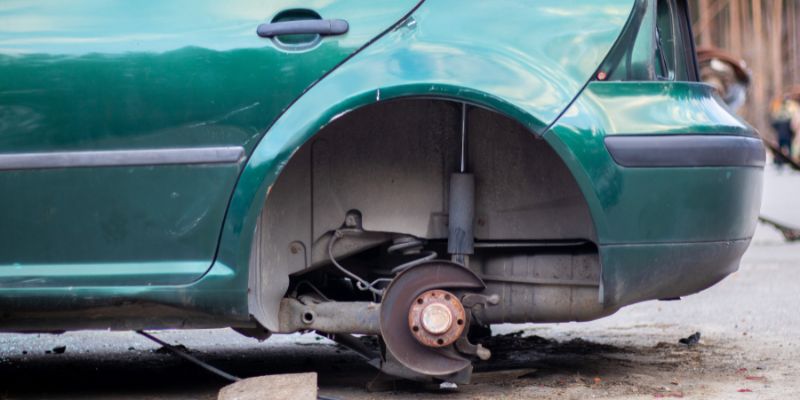
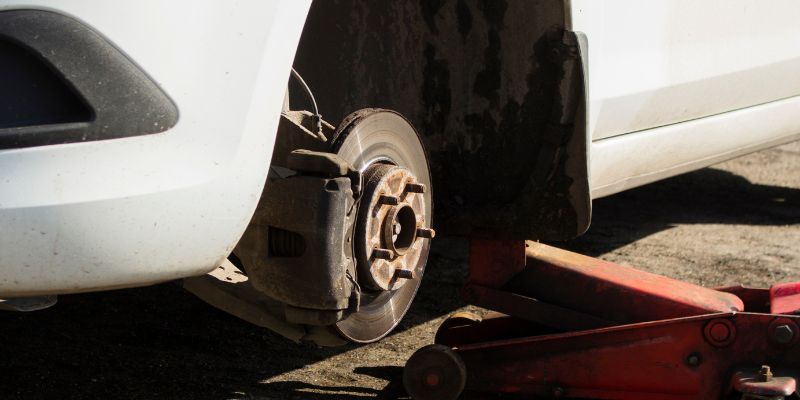
Before we get into the nitty-gritty, let’s talk about why a car might be missing its wheels. It’s not as rare as you might think! I’ve seen this happen in a few scenarios, and understanding the situation helps you plan the tow. Maybe vandals stole the tires, leaving your car sitting on its rotors. Or perhaps you’re working on a classic car restoration, and the wheels are off while you rebuild the suspension. Sometimes, a car gets abandoned, and the wheels are gone by the time you find it. In any case, a car without wheels can’t roll, which makes towing tricky. You can’t just hook it up and drag it along—trust me, I learned that the hard way! You need the right tools and techniques to avoid damaging the car or the surface it’s sitting on.
The Challenges of Towing a Car Without Wheels
Towing a car with no wheels isn’t like towing a regular vehicle. I remember the first time I tried to help a friend move a wheel-less car—it was a mess until we figured out the right approach. Here’s what makes it tough:
- No Rolling Ability: Without wheels, the car can’t roll naturally. Dragging it risks scratching the undercarriage or damaging the brake rotors.
- Low Ground Clearance: A car sitting on its rotors or blocks is much lower than usual, making it hard to get a tow hook or lift underneath.
- Weight Distribution: The car’s weight isn’t evenly distributed without wheels, which can make it unstable during towing.
- Surface Damage: Dragging a car can gouge driveways, parking lots, or roads, which nobody wants to deal with.
These challenges mean you need specialized equipment and a careful plan. Don’t worry, though—I’ve got you covered with practical solutions.
Tools and Equipment You’ll Need
When I first tackled towing a car without wheels, I underestimated the importance of having the right gear. Big mistake! Here’s a rundown of the tools that make this job possible. I’ve used most of these myself, and they’re lifesavers.
| Tool/Equipment | Purpose | Why It’s Essential |
|---|---|---|
| Flatbed Tow Truck | Lifts and transports the entire vehicle | Keeps the car off the ground, preventing damage to the undercarriage or rotors. |
| Winch | Pulls the car onto the flatbed | Essential for moving a heavy, non-rolling vehicle onto the truck. |
| Tow Dollies | Temporary wheel replacements | Allows the car to roll if only some wheels are missing. |
| GUNIWHEELS™ or Skates | Universal wheels for wheel-less cars | Fits most vehicles and lets you roll the car short distances without damage. |
| Jack and Jack Stands | Lifts the car for equipment setup | Helps you get under the car to attach dollies or skates. |
| Tow Straps or Chains | Secures the car to the tow truck | Keeps the car stable during transport. |
| Wooden Blocks or Plywood | Protects rotors and surfaces | Prevents damage when lifting or sliding the car. |
Having these tools on hand makes all the difference. If you don’t own them, a professional towing service will have everything you need. I learned that calling in the pros is often the best move, especially if you’re not equipped.
Method 1: Using a Flatbed Tow Truck
If I had to pick the safest and easiest way to tow a car with no wheels, I’d go with a flatbed tow truck every time. I’ve seen this method work like a charm, even for cars in rough shape. Here’s how it works and why it’s my top choice.
A flatbed tow truck has a large, flat platform where the entire car sits during transport. Since the car doesn’t touch the ground, there’s no risk of scraping the undercarriage or damaging the rotors. The process is straightforward:
- Position the Truck: The tow truck driver backs the flatbed up to the car, tilting the bed to create a ramp.
- Lift the Car: Using a winch, the driver pulls the car onto the flatbed. If the car is too low, they might use a jack or wooden blocks to lift it slightly.
- Secure the Car: Once on the flatbed, the car is strapped down tightly with heavy-duty straps or chains.
- Transport: The truck drives to your destination, and the car is unloaded carefully, often with the help of a spotter to avoid damage.
I’ve watched tow truck drivers do this with such precision—it’s like an art form. The key is to hire a reputable towing company with experience handling wheel-less cars. They’ll have the right equipment, like winches and straps, to make it smooth and safe.
Method 2: Using Tow Dollies or Skates
Sometimes, a flatbed tow truck isn’t available, or you’re trying to move the car a short distance. That’s where tow dollies or skates come in. I used dollies once to move a project car across a lot, and it was a game-changer. Here’s how they work.
Tow dollies are small platforms with wheels that lift the front or rear of the car off the ground. Skates, like GUNIWHEELS™, are temporary wheels that attach directly to the car’s hubs. Both let the car roll, even without its own wheels. Here’s the step-by-step:
- Jack Up the Car: Use a floor jack to lift each corner of the car. Place jack stands for safety.
- Attach Dollies or Skates: For dollies, slide them under the car’s front or rear axle. For skates, bolt them onto the wheel hubs where the tires would go.
- Lower the Car: Carefully lower the car onto the dollies or skates, ensuring they’re secure.
- Tow Carefully: Attach a tow strap or chain to a tow vehicle and pull slowly. Keep speeds low (under 5 mph for skates) to avoid damage.
- Monitor Stability: Check that the dollies or skates stay in place, and stop frequently to inspect.
I found that skates are great for short moves, like getting a car into a garage. Dollies work better for longer tows, but you’ll need a tow vehicle with enough power. Always check the car’s manual to ensure you’re not damaging the drivetrain.
Method 3: Using a Forklift or Crane
Now, this one’s a bit more extreme, but I’ve seen it done for cars that are completely immobile. If you have access to a forklift or crane—maybe at a shop or junkyard—this can be a solid option. Here’s how it goes.
A forklift or crane lifts the entire car off the ground and places it onto a flatbed trailer or truck. It’s like picking up a giant toy and setting it down gently. Here’s what you need to know:
- Requires Heavy Equipment: You’ll need a forklift or crane with enough lifting capacity for your car’s weight (usually 3,000–5,000 pounds for most cars).
- Professional Operator: This isn’t a DIY job. I watched a crane operator lift a wheel-less Mustang onto a trailer, and it took serious skill to avoid swinging or dropping the car.
- Secure the Load: Once the car is on the trailer, strap it down tightly to prevent shifting.
- Check Accessibility: Make sure the pickup and drop-off locations can accommodate heavy machinery.
I don’t recommend this unless you’re working with a professional crew. It’s expensive and requires coordination, but it’s a great last resort for cars that can’t be moved any other way.
Safety Tips for Towing a Car Without Wheels
Towing a car without wheels can be risky if you’re not careful. I’ve made a few mistakes in my time, like not securing the car properly, and let me tell you—it’s not fun to see a car shift on a trailer! Here are my top safety tips to keep everything smooth:
- Always Use a Professional When Possible: Towing companies have the experience and equipment to do this safely. I’ve learned it’s worth the cost to avoid damage.
- Check Weight Limits: Make sure your tow vehicle and equipment can handle the car’s weight. Overloading can cause accidents.
- Secure the Car Tightly: Use high-quality straps or chains, and double-check them before moving.
- Protect the Car’s Underbody: Place plywood or blocks under the car to prevent scraping if it’s being winched or dragged.
- Drive Slowly: Keep speeds low, especially with dollies or skates, to maintain control.
- Follow Manufacturer Guidelines: Check the car’s manual for towing instructions, especially for automatic transmissions, to avoid drivetrain damage.
I can’t stress enough how important it is to take your time. Rushing leads to mistakes, and mistakes can be costly—or dangerous.
Common Mistakes to Avoid
I’ve seen plenty of towing mishaps, and most of them could’ve been avoided with a little know-how. Here are some common pitfalls and how to steer clear:
- Dragging the Car: Dragging a wheel-less car without protection damages the rotors, suspension, and pavement. Always lift or use skates.
- Using Weak Straps or Chains: Cheap straps can snap, letting the car roll off the trailer. I’ve seen this happen, and it’s a nightmare.
- Ignoring Transmission Type: Towing an automatic transmission car with the drive wheels on the ground can ruin the transmission. Always check the manual.
- Not Securing the Steering: If the car’s steering isn’t locked or disengaged, it can veer during towing. Turn the ignition to “on” to unlock the steering wheel.
- Skipping Professional Help: DIY towing sounds tempting, but without the right gear, you’re asking for trouble. I tried it once and ended up with a scratched-up car.
Learning from these mistakes saved me a lot of headaches. Hopefully, my experience helps you avoid them too!
When to Call a Professional Towing Service
Sometimes, the best thing you can do is pick up the phone and call a pro. I’ve been in situations where I thought I could handle it myself, only to realize I was in over my head. Here’s when you should call a towing company:
- No Equipment: If you don’t have a flatbed, dollies, or skates, a towing service will have everything you need.
- Complex Situations: If the car is in a tight spot, like a narrow driveway, pros have the skills to maneuver it out.
- Long Distances: For tows over a few miles, a flatbed tow truck is the safest bet.
- Safety Concerns: If you’re unsure about securing the car or driving safely, let an expert take over.
I recommend looking for a company with experience towing wheel-less cars. Ask if they use tools like GUNIWHEELS™ or have flatbed trucks. A good towing service will make the process stress-free and protect your car.
Cost of Towing a Car Without Wheels
Let’s talk money. Towing a car with no wheels isn’t cheap, but it’s not astronomical either. Based on my experience, here’s what you can expect:
- Local Towing (within 10 miles): $75–$150, depending on the company and equipment needed.
- Long-Distance Towing (50+ miles): $2–$7 per mile, averaging $300–$600 for cross-state moves.
- Additional Fees: Winching, after-hours service, or special equipment like skates can add $50–$100.
I always get quotes from a couple of companies to compare prices. Make sure to ask about any extra charges upfront so there are no surprises. If you’re on a budget, local tows with dollies or skates can be more affordable than a flatbed for short distances.
Legal Considerations
Towing a car without wheels comes with some legal stuff to keep in mind. I learned this when I helped a friend tow a car across state lines—rules can vary! Here are the basics:
- Permits and Regulations: Some states require permits for towing non-standard vehicles. Check with your local DMV.
- Tow Vehicle Requirements: The tow vehicle must be rated to handle the car’s weight. Check your vehicle’s towing capacity in the owner’s manual.
- Safety Equipment: Use proper tow straps, chains, and warning signs (like an “On Tow” sign) to comply with road laws.
- Insurance: Make sure your insurance covers towing, especially if the car is damaged or non-operational.
I always double-check local laws before towing, especially for long trips. It’s a small step that can save you from fines or impoundment.
My Personal Experience: A Lesson Learned
Let me share a quick story. A few years back, I helped a buddy move a beat-up old Camaro that was missing all four wheels. We thought we could just drag it onto a trailer with a rope. Big mistake! We scratched the undercarriage, gouged his driveway, and spent hours fixing the mess. That’s when I learned the value of proper equipment and planning. The next time, we called a flatbed tow truck, and it was smooth sailing. The driver used a winch and some wooden blocks, and the car was on its way in no time. That experience taught me to respect the process and invest in the right tools—or the right professionals.
Conclusion
Towing a car with no wheels might seem like a daunting task, but with the right approach, it’s totally manageable. Whether you’re using a flatbed tow truck, tow dollies, or even a forklift, the key is to plan carefully, use the proper equipment, and prioritize safety. I’ve been through this process a few times, and each time, I’ve learned something new—mostly that preparation and patience are your best friends. If you’re feeling unsure, don’t hesitate to call a professional towing service. They’ll save you time, stress, and potentially a lot of money in repairs. Hopefully, this guide has given you the confidence to tackle this challenge or at least know what to ask for when you hire help. Got a wheel-less car to move? You’ve got this!
FAQs
Can I tow a car with no wheels by myself?
You can, but it’s risky without the right equipment. I’ve tried it, and it’s tough! You’ll need tools like tow dollies, skates, or a flatbed trailer. For safety and ease, I recommend calling a professional towing service unless you’re experienced and have the gear.
What’s the safest way to tow a car with no wheels?
From my experience, a flatbed tow truck is the safest option. It lifts the entire car off the ground, so there’s no risk of damage to the undercarriage or rotors. It’s what I’d choose every time for a wheel-less car.
How much does it cost to tow a car with no wheels?
Costs vary, but I’ve found local tows (under 10 miles) run $75–$150. Long-distance tows can cost $2–$7 per mile, so expect $300–$600 for cross-state trips. Extra services like winching might add $50–$100.
Can I use a regular tow truck for a car with no wheels?
A regular tow truck with a wheel lift isn’t ideal. I’ve seen it cause damage to the car or pavement. A flatbed tow truck or one with dollies/skates is much better for a wheel-less car.
Will towing a car with no wheels damage it?
If done wrong, yes—dragging can harm the rotors, suspension, or undercarriage. I learned this the hard way! Use a flatbed, dollies, or skates, and secure the car properly to avoid damage.