How to Transport a Bike in a Car: Your Ultimate Guide to Hassle-Free Travel
Hey there, friend! So, you’re wondering how to transport a bike in a car without turning your vehicle into a chaotic mess or scratching up your prized ride. I get it—figuring out how to get your bike from point A to point B can feel like solving a puzzle. I’ve been there, wrestling with my road bike in the back of my compact SUV, trying to avoid a scratched frame or a torn seat. Over the years, I’ve hauled bikes for trail rides, races, and even cross-country moves, learning what works and what doesn’t. Whether you’ve got a sedan, an SUV, or a tiny hatchback, I’m here to share everything I’ve figured out about transporting a bike safely and easily. From folding seats to choosing the right rack, I’ll walk you through it all. By the end, you’ll be ready to hit the road with your bike secure and your stress level at zero. Let’s get started!
Why You’d Want to Transport a Bike
Let’s start with why you’re even doing this. For me, it’s all about adventure. I love hitting new trails or joining friends for a group ride, but I’m not biking 50 miles to get there! Transporting a bike in your car opens up so many possibilities—weekend getaways, races, or just taking your bike to the shop for a tune-up. It’s also a lifesaver if you’re moving or selling your bike.
The trick is doing it without damaging your bike or car. I’ve had my share of mishaps, like when I tossed my bike in the trunk without padding and ended up with a scratched frame. There are a few ways to transport a bike, and each has its perks. Let’s figure out what’ll work best for you.
Know Your Car and Bike
Before you start, take a good look at your car and bike. I learned this lesson when I tried to cram my mountain bike into a tiny sedan—it was like trying to fit a square peg in a round hole. Your car’s size and setup make a big difference. Sedans have trunks and foldable seats, SUVs offer cargo space, and minivans are like bike-hauling heaven.
Measure your bike first. My road bike is about 5 feet long and 3 feet tall with the wheels on. Compare that to your car’s interior—check the trunk, back seat, or cargo area. I always open my hatchback to see how much room I’ve got. If you’ve got a hatchback or SUV, you’re in good shape. Sedans can work, but they’re trickier.
Your bike type matters too. Road bikes are slim and light, while mountain bikes or e-bikes are bulkier and heavier. My hybrid bike is somewhere in the middle, but it still needs some prep to fit. Knowing your car and bike helps you pick the right method.
Getting Your Bike Ready for Transport
Prepping your bike is a must to avoid damage. I made the mistake of throwing my bike in the back seat once, and it left grease marks on my upholstery. Here’s what I do now to get my bike ready:
- Clean it up: Dirt and grime can rub off on your car. I wipe down the frame and tires with a damp cloth before loading.
- Remove accessories: Take off water bottles, lights, or saddlebags. I lost a bike computer once because I forgot this step.
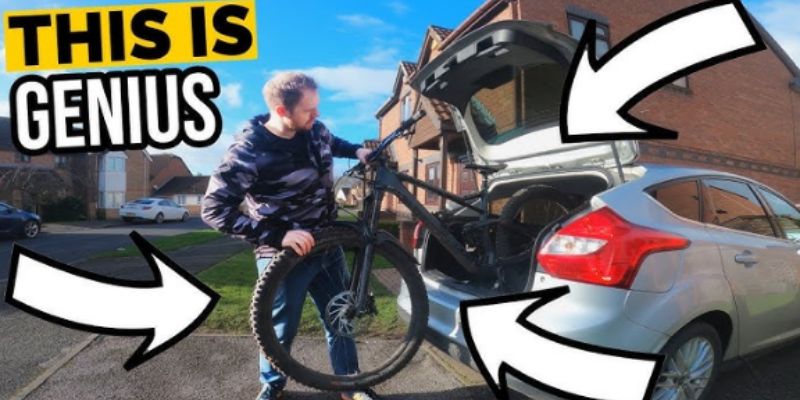
- Take off the front wheel: This makes the bike narrower and easier to fit. My bike has a quick-release skewer, so it’s a 30-second job.
- Lower the saddle: Dropping the seat post saves space. I keep an Allen wrench handy for this.
- Protect the frame: I wrap the frame in old towels or foam pipe insulation to prevent scratches.
Prepping takes about 10-15 minutes, but it saves your bike and car from damage. If you’re new to removing wheels, practice at home first. I scratched my rim the first time because I rushed it.
Transporting a Bike Inside Your Car
If you don’t have a bike rack, putting your bike inside the car is the easiest and cheapest option. I’ve done this countless times with my hatchback and sedan. Here’s how I make it work:
- Fold down the seats: Most cars have back seats that fold flat. I check my car’s manual to do it right and create a long cargo area.
- Lay down protection: I spread an old blanket or tarp to catch dirt and prevent scratches. It’s saved my seats from chain grease.
- Remove the front wheel: This makes the bike fit better. I tuck the wheel in the trunk or strap it to the frame with a bungee cord.
- Load the bike: Slide the bike in carefully, chain side up to keep grease off your interior. I angle mine diagonally to fit.
- Secure it: I use bungee cords or rope to tie the bike to headrest posts or cargo hooks so it doesn’t slide around.
This method is great for short trips or if you’re on a budget. I’ve fit two bikes in my hatchback for a group ride, but it took some creative arranging. Just make sure the bike doesn’t block your rearview mirror for safety.
Using a Trunk-Mounted Bike Rack
If your car’s too small or you want the bike outside, a trunk-mounted rack is a solid choice. I bought one for $60, and it’s been a lifesaver for longer trips. These racks strap onto your car’s trunk or hatch and can hold 1-3 bikes.
Here’s my process:
- Pick the right rack: I use an Allen Sports rack that fits my sedan and SUV. Check that it’s compatible with your car model.
- Install it securely: Follow the manual to strap it on tightly. I tug the straps to make sure they’re snug.
- Load the bike: Hang the bike on the rack’s arms by the frame. I secure it with the rack’s straps and add a bungee cord for extra hold.
- Double-check everything: I shake the bike gently to ensure it’s stable. Once, I didn’t tighten a strap, and my bike wobbled the whole drive.
Trunk racks are affordable and easy to store in your trunk when not in use. But they can block your license plate or taillights, so I check my state’s laws—some require a visible plate. Also, remove the rack when you’re not using it to avoid scratching your car’s paint.
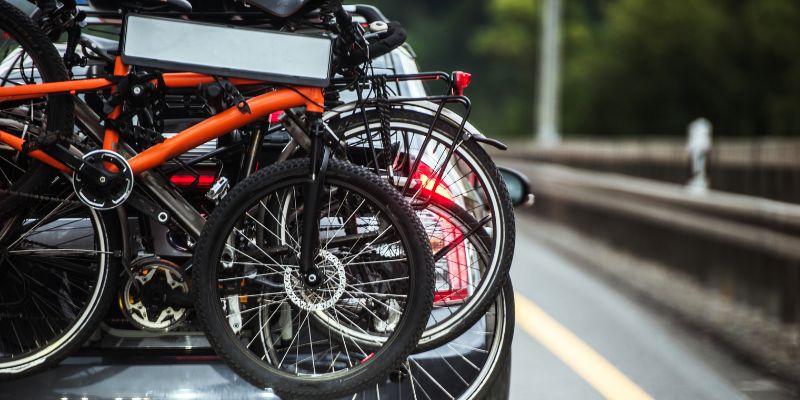
Trying a Hitch-Mounted Bike Rack
Hitch-mounted racks are pricier but super sturdy. I got one for my SUV when I started hauling my bike and my friend’s e-bike for group rides. You’ll need a hitch receiver on your car—mine cost $120 to install.
Here’s how I use it:
- Choose a rack: I have a Kuat platform rack that holds two bikes. Platform racks are easier to load than hanging ones, especially for heavy bikes.
- Attach the rack: Slide it into the hitch and lock it with a pin. I make sure it’s tight to avoid rattling.
- Load the bikes: Place the bike on the platform and secure the wheels and frame with straps. I double-check the straps for tightness.
- Stability test: I drive a short distance to check for wobbling. A loose rack taught me to always do this.
Hitch racks are awesome for heavy bikes or carrying multiple bikes. They’re stable but cost $200-$600, plus the hitch installation. I store mine in the garage, as it’s bulky. If you bike a lot, it’s worth the investment.
Considering a Roof-Mounted Bike Rack
Roof racks are another option, though I’ve only used them a few times. They attach to your car’s roof rails or crossbars and hold bikes upright. My SUV has roof rails, but my sedan didn’t, so I had to borrow a friend’s setup.
Here’s the deal:
- Get the right rack: I used a Thule roof rack. Make sure it fits your car and bike type.
- Install it: Secure the rack to your roof rails or crossbars. I check that it’s locked in to avoid movement.
- Lift the bike: This is the hard part—lifting a bike overhead takes strength. I removed the front wheel to make it lighter.
- Secure it: Clamp the bike’s frame or fork to the rack. I add extra straps for safety.
Roof racks keep your trunk free, but they’re tough to load if you’re not tall or strong. They also reduce gas mileage and won’t fit in low-clearance areas like some parking garages. I only use them when I need to carry bikes and other gear.
Securing Your Bike Properly
No matter the method, securing your bike is critical. I’ve had bikes shift and scratch my car because I didn’t tie them down well. Here’s what I do:
- Use straps or cords: I use bungee cords or rope to keep the bike in place, whether inside or on a rack.
- Check for movement: I shake the bike to make sure it’s secure before driving.
- Protect surfaces: I wrap the frame in foam padding or towels to avoid scratches on the bike or car.
- Lock it up: For external racks, I use a bike lock to prevent theft. A friend had a bike stolen off a rack, so I’m extra careful.
A quick check before you drive can save you a lot of trouble. I always stop after a few miles to make sure everything’s still tight.
Driving Safely with a Bike
Driving a bike takes some extra care. I was nervous the first time I used a trunk rack, worried it’d fall off. Here’s what I’ve learned:
- Go easy: Avoid sudden stops or sharp turns. I drive smoothly to keep the bike steady.
- Mind clearance: Roof racks make your car taller. I steer clear of low bridges or drive-thrus.
- Check the bike: I glance in my mirrors to make sure the bike’s secure. A quick stop after 10 minutes lets me double-check.
- Stick to speed limits: Some racks have a max speed (usually 70 mph). I keep it conservative to be safe.
I hit a pothole too fast once with a trunk rack, and my bike nearly slipped. Slow and steady is the way to go.
Legal Stuff You Need to Know
In the USA, there are a few laws to keep in mind when transporting a bike. I got pulled over once because my trunk rack covered my license plate. Here’s what to watch for:
- License plate visibility: Most states require your rear plate to be visible. I use a rack with a plate holder, or temporarily move my plate.
- Taillight access: Your brake lights and taillights need to be seen. Some racks have light extenders for this.
- State rules: Regulations vary by state. I check my state’s DMV website before a long trip to avoid fines.
If you’re unsure, a quick call to your local DMV can clarify things. It’s better than a ticket!
Costs of Transporting a Bike
The cost depends on your method. Here’s a breakdown based on my experience:
| Method | Estimated Cost | Notes |
|---|---|---|
| Inside Car | $0-$25 | Just need blankets, bungee cords, or padding |
| Trunk-Mounted Rack | $50-$200 | Plus $100-$200 for a hitch if your car doesn’t have one |
| Hitch-Mounted Rack | $200-$600 | Plus $100-$200 for hitch if your car doesn’t have one |
| Roof-Mounted Rack | $150-$500 | May need crossbars ($100) if no roof rails |
I started with the inside-car method to save cash, then got a trunk rack for convenience. If you bike often, a rack is a smart investment.
Mistakes to Avoid
I’ve made plenty of blunders transporting bikes, so let me save you some grief. Don’t skip cleaning your bike—mud on your seats is a pain to clean. I learned this after a muddy trail ride left my car a mess.
Don’t forget to secure the bike. I had a bike slide around in my trunk because I didn’t tie it down. Avoid overloading your rack—check the weight limit. I tried three bikes on a two-bike rack once, and it was a disaster waiting to happen.
Don’t ignore clearance with a roof rack. I nearly hit a garage ceiling because I forgot how tall my car was. And don’t leave accessories on the bike—I broke a light by forgetting to remove it.
Picking the Best Method for You
The right method depends on your car, bike, and needs. I use the in-car method for short trips because it’s free and quick. For longer drives or multiple bikes, my trunk rack is perfect. Hitch racks are great for heavy bikes like e-bikes or if you have an SUV. Roof racks work if you need trunk space but can lift the bike.
Think about how often you’ll transport your bike and your budget. I started cheap and upgraded as I needed. Try one method, and if it’s not working, switch it up.
The Freedom of Taking Your Bike Anywhere
There’s nothing like the freedom of taking your bike wherever you want. I love loading mine up for a trail ride or a weekend getaway. Once you nail the transport process, it’s like opening a door to new adventures. Whether it’s a local park or a mountain trail hours away, your bike can come along. Plus, it’s satisfying to know you’re keeping your bike and car safe while you’re at it.
Conclusion
So, how do you transport a bike in a car? It’s not as hard as it seems, whether you’re tucking it inside your car or strapping it to a rack. I’ve gone from stressing over scratched frames to confidently hauling my bike on long trips, and you can too. Prep your bike, pick the right method for your car, and secure everything tightly. With a little planning, you’ll be ready to take your bike anywhere—trails, races, or just across town. So grab your bike, load it up, and hit the road. Your next adventure is waiting, and it’s going to be an awesome ride!
FAQs
Can I fit a bike in a small sedan?
Yes, it’s possible. I fit my bike in a compact sedan by removing the front wheel and folding the seats. A blanket protects the seats from dirt.
Do I need a bike rack to transport my bike?
No, but racks make it easier. I’ve hauled bikes inside my car for years. Racks are better for long trips or multiple bikes.
How much does a bike rack cost?
It varies. My trunk rack was $60. Hitch racks cost $200-$600, and roof racks run $150-$500. Check for deals online or at auto shops.
Is it okay if my bike rack covers my license plate?
Not in most states. I got a warning once for this. Use a rack with a plate holder or move your plate to stay legal.
Can I transport a heavy e-bike in my car?
Yes, but it’s tricky. I use a hitch rack for e-bikes because they’re heavy. Inside the car works if you remove the battery and have space.