How To Unclog An Ac Drain Line In Your Car Fast
A clogged AC drain line in your car can lead to water backing up and potentially causing water damage inside your vehicle. The main issue is that the condensation from your AC system can’t escape. This guide explains how to clear that blockage using simple tools and steps to restore proper function and prevent future problems.
Understanding Your Car’s AC Drain Line
Your car’s air conditioning system works by cooling hot air. As it cools the air, it also removes moisture. This moisture, or condensation, drips from the evaporator coil. This water then needs a way to get out of your car. That’s where the AC drain line comes in.
It’s a small tube, often made of rubber or plastic. This tube runs from the AC evaporator housing. It then empties the condensation underneath your car. You’ve probably seen a small drip of water under your car after using the AC on a hot day. That’s the drain line doing its job.
Why Drain Lines Get Clogged
Several things can cause this important tube to get blocked. One common culprit is dirt and debris. Dust, leaves, and other tiny bits of gunk can get sucked into your car’s air intake. They can then make their way into the AC system. Over time, this buildup can clog the drain line.
Another frequent cause is mold and mildew. The inside of your AC system is a damp place. This can be a perfect spot for mold to grow. As mold and mildew multiply, they form a slimy sludge. This sludge can easily block the narrow opening of the drain line.
Sometimes, insects or small rodents can also be the cause. They might build nests or get stuck in the tube. This creates an obstruction that stops water flow.
The Consequences of a Clog
When the drain line is clogged, the water has nowhere to go. It starts to back up inside the AC system. This can lead to a few unpleasant problems. You might notice a musty smell inside your car. This is often from standing water and mildew growth.
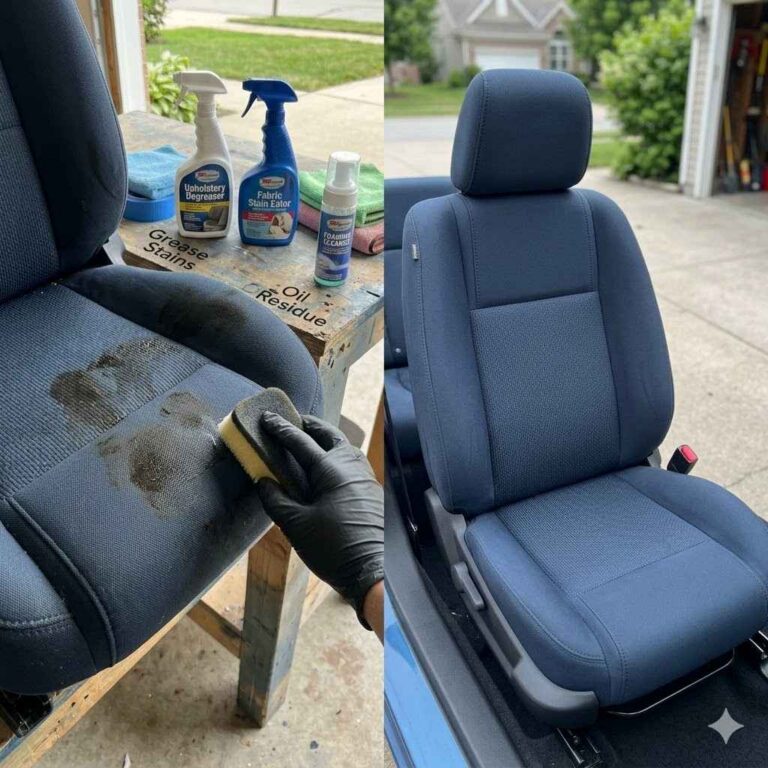
The most obvious sign is water pooling inside the car. This usually shows up on the passenger side floorboard. It’s directly below where the evaporator housing is located. This water can damage your carpets and the car’s interior. It can also lead to rust over time.
In severe cases, a bad clog can freeze up. This happens if the water backs up into the evaporator case. When it freezes, it can cause the entire system to stop working efficiently. It might even damage parts of the AC system.

My Own Brush with a Soggy Floor
I remember this one time, a few years back, during a brutal heatwave. My trusty old sedan’s AC was my lifeline. I’d drive everywhere with the windows up, blissfully cool. Then, one afternoon, I noticed it. A damp patch on the passenger side floor. My first thought was a spilled water bottle, but I hadn’t had any.
The next day, the patch was bigger. And a faint, earthy smell started to creep in. Panic set in a little. I love my car, and the thought of mold and water damage made me cringe. I searched online, and “clogged AC drain line” kept popping up. It sounded like a daunting fix.
I imagined crawling under my car with weird tools. But the thought of paying a mechanic for something so seemingly simple also bothered me. So, I decided to tackle it myself. Armed with a bit of research and a lot of hope, I went to the garage. It took me about an hour, and honestly, it wasn’t nearly as bad as I’d feared. That cool, dry air returning to my car felt like a major victory.
How to Locate the AC Drain Line
Finding the AC drain line is the first step. It’s usually located on the passenger side of your car. Look underneath the vehicle. You’ll want to find the firewall. This is the metal barrier between the engine bay and the cabin.
The drain tube often protrudes from the firewall. It might be a black rubber hose. Or it could be a stiff plastic pipe. It’s typically pointing downwards. If you can’t see it easily, it might be tucked up a bit higher. You might need to look near the transmission tunnel or the passenger-side floor pan.
In some cars, accessing it might require removing a small panel or splash shield underneath. Check your car’s owner’s manual or search online for your specific make and model. This can often show you diagrams or pictures. Knowing exactly where it is makes the unclogging process much smoother.
Methods for Unclogging the AC Drain Line
There are a few ways to clear that pesky clog. The method you choose often depends on how bad the blockage is and what tools you have handy.
Method 1: The Compressed Air Blast
This is often the quickest and easiest fix. It’s great for less stubborn clogs.
What you’ll need:
A can of compressed air (the kind used for cleaning keyboards).
A small adapter or nozzle that fits snugly into the drain tube.
Steps:
1. Locate the end of the drain line under your car.
2. Insert the compressed air nozzle firmly into the drain tube opening.
3. Give it a short, strong burst of air. You might hear a pop or gurgling sound. This means the clog is breaking free.
4. If the first blast doesn’t work, try a few more.
This method works by forcing air pressure through the tube. It pushes the blockage out the other end. It’s important to use short bursts. You don’t want to force air into your AC system itself.
Method 2: Using a Flexible Wire or Tubing
If compressed air doesn’t do the trick, you might need a bit more physical persuasion. A flexible tool can help dislodge tougher blockages.
What you’ll need:
A flexible piece of wire, a straightened coat hanger, or a small diameter plumbing snake.
Pliers (to straighten the hanger, if used).
Gloves (it can get messy).
Steps:
1. Locate the drain line again.
2. Carefully insert your flexible wire or snake into the drain tube.
3. Gently push and twist the wire. Try to feel for resistance.
4. When you hit a clog, wiggle and push. Try to break it up. Be gentle to avoid damaging the tube.
5. Once you think it’s clear, you can try flushing it with water.
This manual method allows you to physically break down the clog. It’s like using a tiny plunger. Always be careful not to force the wire too hard. You don’t want to puncture the drain line.
Method 3: Flushing with Water or Vinegar
Sometimes, the clog is a sticky, slimy buildup. Flushing can help wash it away.
What you’ll need:
A garden hose with a nozzle attachment.
Or, a large funnel and a pitcher of water.
Optional: White vinegar.
Steps:
1. Find the drain line’s exit point.
2. If using a hose, try to insert the nozzle as far as you can into the tube.
3. Turn on the water gently. Let it flow into the tube. You should see water coming out the other end if it’s clear.
4. If using a funnel, place it into the drain tube opening. Slowly pour water down the funnel.
5. For tougher clogs, you can try using a mixture of half water and half white vinegar. Vinegar can help break down slime and mildew. Let it sit for a bit before flushing.
Flushing is a great follow-up step after using compressed air or a wire. It washes away any remaining debris. It also helps to rinse out the system.
Quick Scan: Unclogging Tools
For quick bursts.
For physical dislodging.
For flushing and rinsing.
When to Access the Drain Line from Above
Sometimes, the clog is too far up the line. Or you can’t easily reach the exit point under the car. In these cases, you might need to access the drain line from the engine bay. This is usually where the AC system’s evaporator case is located.
The drain line often connects to the bottom of this case. You might see a small rubber tube sticking out. This is the point where the water exits.
What you’ll need:
Tools to remove any necessary panels in the engine bay (screwdrivers, wrenches).
Compressed air, flexible wire, or a flushing method.
Gloves.
Steps:
1. Consult your car’s manual or online resources to find the evaporator case and the drain line connection.
2. Carefully remove any panels or covers blocking access.
3. Once you locate the drain tube opening at the evaporator case, try to disconnect it if possible. This gives you better access.
4. Use your chosen unclogging method (compressed air, wire, flushing) from this higher point.
5. If you disconnected the tube, reattach it securely. Replace any panels you removed.
Working in the engine bay can be a bit more involved. Take your time. Make sure you know what you’re removing and how to put it back. Safety first!
Preventing Future Clogs
Once you’ve successfully unclogged your AC drain line, you’ll want to keep it that way. Prevention is key to avoiding future headaches and messy interiors.
Regular Cabin Air Filter Replacement
Your cabin air filter is your first line of defense. It filters the air that comes into your car’s cabin. It also catches dust, pollen, and other debris before they can enter the AC system.
When your cabin air filter gets old and dirty, it can’t do its job well. It can also restrict airflow. This can make your AC work harder. Replacing your cabin air filter regularly is crucial. Check your car’s manual for the recommended replacement interval. Usually, it’s every 12,000 to 15,000 miles. Or once a year.
Keep the Exterior Around the AC Intake Clean
The air intake for your car’s AC system is usually near the windshield wipers. Keeping this area clear of leaves, twigs, and other debris is important. These items can easily be sucked into the system and end up causing clogs. A quick sweep or rinse of this area can make a big difference.
Occasional Flushing
Even with regular maintenance, a little preventative flushing can help. You can do this yourself a couple of times a year. Especially before the hot summer season.
Use the flushing method described earlier. A simple flush with water or a diluted vinegar solution can help wash away any early signs of buildup. This is a great way to keep the line clear and prevent mold growth.
Contrast: Clogged vs. Clear Drain Line
| Feature | Clogged Drain Line | Clear Drain Line |
|---|---|---|
| Water Drainage | None or minimal | Steady dripping under car |
| Interior Moisture | Water on floorboards, damp carpets | Dry interior |
| Odor | Musty, mildew smell | Fresh or neutral smell |
| AC Performance | Reduced cooling efficiency | Optimal cooling |
When to Call a Professional
While most AC drain line clogs are DIY-friendly, there are times when you should call a mechanic. If you’ve tried multiple methods and still can’t clear the blockage, it might be time to get professional help.
Some cars have drain lines that are very difficult to access. They might be routed in complex ways. Or they could be integrated into other systems. If you’re uncomfortable working under your car or in the engine bay, don’t hesitate to seek expert advice.
Also, if you suspect other AC system issues, like a refrigerant leak or a damaged evaporator coil, a professional diagnosis is needed. Persistent musty smells even after unclogging can also indicate a larger problem within the AC housing.
Real-World Scenarios
Let’s think about common situations where you might encounter this issue.
The Summer Road Trip
You’re packed and ready for a long drive. The AC is blasting, keeping everyone cool. Halfway to your destination, you notice a dampness on the passenger’s feet. You might dismiss it at first, but the longer you drive, the wetter it gets. This is a classic clogged drain line scenario, inconveniently timed.
The Rainy Season Surprise
You live in an area with lots of rain. You might not use your AC much, but you still run it periodically to keep seals healthy. After a few days of heavy rain, you start to smell that familiar musty odor. Water might be backing up because the drain line couldn’t handle the excess moisture or debris from the rain.
The Older Vehicle’s Quirks
Older cars can sometimes develop more stubborn clogs. The rubber hoses might become brittle and crack, leading to leaks or internal collapse. Debris might have had more time to accumulate over the years. Finding and clearing the line in an older car can sometimes be trickier.
What This Means for You
Knowing how to deal with a clogged AC drain line can save you a lot of trouble. It means:
Avoiding water damage: You can prevent mold growth and damage to your car’s interior.
Saving money: Basic unclogging is often free or very inexpensive. It can prevent costly repairs from water damage or AC system issues.
Comfort: You get back to enjoying cool, dry air in your car.
Peace of mind: You know how to handle a common car maintenance problem.
It’s a straightforward issue that can be fixed with a little patience and the right approach.
Quick Fixes and Tips
Run your AC regularly: Even in cooler weather, run your AC for a few minutes each week. This helps keep the system lubricated and can prevent some buildup.
Use a shop vac: If you can access both ends of the drain line, a shop vac can sometimes help suck out debris.
Inspect the drain tube: When you’re under the car for other reasons, take a quick look at the drain tube. Make sure it’s not cracked or damaged.
Consider a drain tube cleaning kit: Auto parts stores sell specialized kits for cleaning AC drains. These often come with flexible wires and flushing solutions.
Frequent Questions About Car AC Drain Lines
How often should I clean my car’s AC drain line?
It’s a good idea to check and potentially clean your car’s AC drain line at least once a year, especially before the hot season. If you notice any signs of a clog, address it immediately.
What does a clogged AC drain line smell like?
A clogged AC drain line usually causes a musty, mildewy, or damp earth-like smell inside your car. This is due to standing water and the growth of mold and bacteria in the AC system.
Can a clogged AC drain line cause my AC to stop blowing cold air?
Yes, indirectly. While the clog itself doesn’t stop the cooling process, the water backup can freeze inside the evaporator case. This ice can block airflow, making your AC blow less cold air or no cold air at all.
It can also cause the system to work less efficiently.
Is it safe to put bleach in my AC drain line?
It’s generally not recommended to use harsh chemicals like bleach in your AC drain line. Bleach can corrode some rubber and plastic components over time, potentially causing more damage. Diluted white vinegar is a safer, effective alternative for breaking down mildew.
Where is the AC drain line located on most cars?
The AC drain line typically exits under the passenger side of your car, near the firewall. You’ll often see a small rubber or plastic tube pointing downwards. Sometimes, accessing the connection point where it leaves the AC evaporator case is done from the engine bay.
What if water keeps pooling inside my car after I unclog the drain line?
If water continues to pool after you’ve cleared the drain line, there might be a more serious issue. This could involve a leak in the AC system itself, a damaged evaporator case, or a blocked internal AC component. In this situation, it’s best to consult a qualified mechanic.
Conclusion
Dealing with a clogged AC drain line might seem daunting, but it’s a manageable task. By understanding how it works and the simple methods available, you can quickly resolve the issue. Keeping your cabin air filter clean and performing occasional preventative checks will help avoid future problems. Enjoy that cool, fresh air!
Products related to this article
Sponsored / affiliate links. As an Amazon Associate I earn from qualifying purchases. I may earn additional commission from eligible campaigns.