Is 2 Stepping Bad for Your Car? Essential Guide
Is 2-stepping bad for your car? Generally, yes, prolonged or aggressive 2-stepping can cause significant wear and tear on critical engine and exhaust components, potentially leading to expensive repairs. This guide explores why and offers safer alternatives.
Ever heard those thrilling pops and bangs coming from a car’s exhaust? That’s often called “2-stepping” or a “launch control” effect. It’s a sound that many car enthusiasts love, but it can leave everyday drivers wondering: “Is this actually bad for my car?” If you’ve ever been curious or concerned about this loud, attention-grabbing exhaust noise, you’re in the right place. It’s a common question, and understanding it can save you from potential costly damage down the road. Keep reading, and we’ll break down exactly what 2-stepping is, why it can hurt your car, and what you can do if you still enjoy that unique sound without harming your vehicle.
Understanding “2-Stepping”
So, what exactly is “2-stepping”? Essentially, it’s a way to keep your engine running at a high RPM (revolutions per minute) while you’re stopped, typically before launching a car quickly. It’s often associated with performance vehicles and drag racing.
How it Works
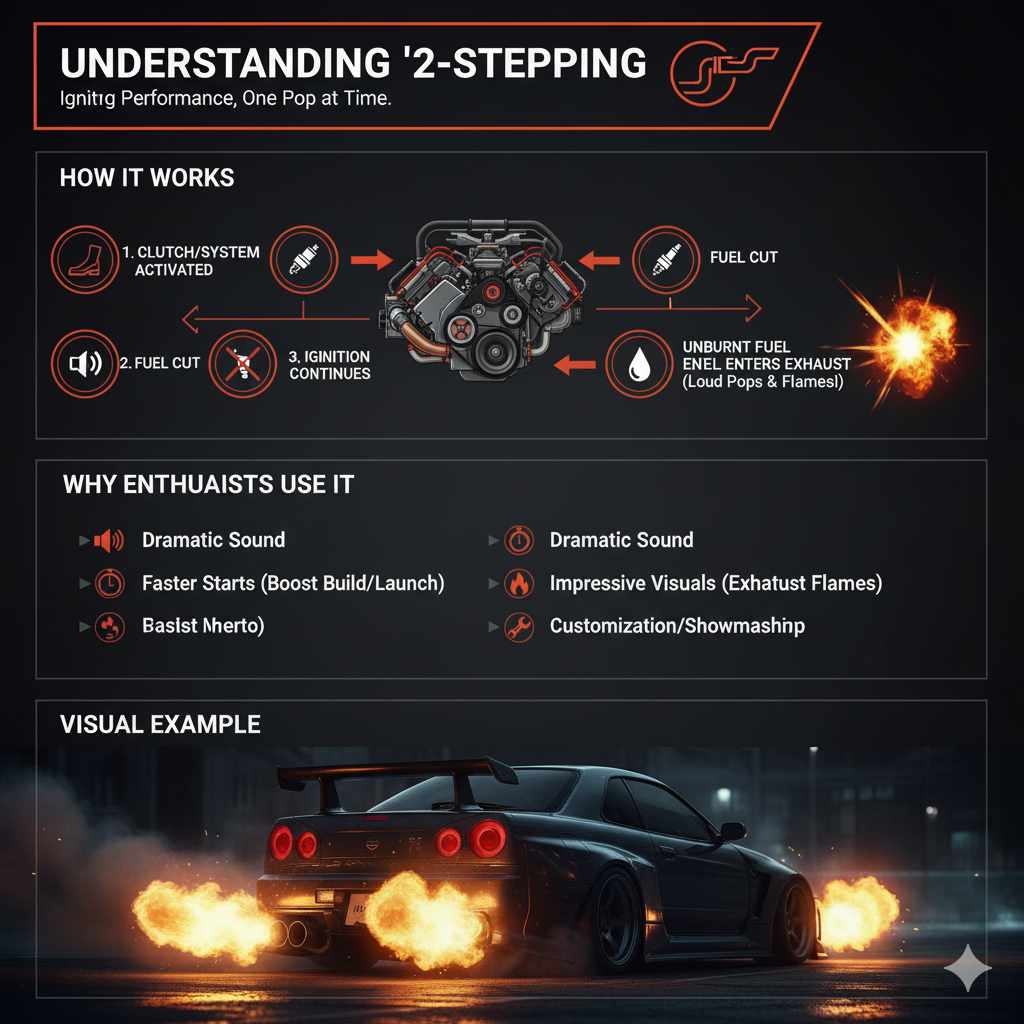
The core idea behind 2-stepping is to build boost pressure in turbocharged engines or simply hold the engine at a high RPM for a rapid start. Here’s a simplified look at what happens:
- Fuel Cut: When you press the clutch pedal (or activate the system in an automatic transmission), the car’s computer is programmed to cut fuel delivery to some of the cylinders.
- Ignition Continues: However, the ignition system continues to spark.
- Unburnt Fuel: This means that unburnt fuel is still being injected into the cylinders, but it’s not igniting there.
- Exhaust System Magic: Instead, this raw fuel travels into the hot exhaust manifold and catalytic converter. When it mixes with the hot exhaust gases and oxygen, it ignites explosively.
- The Pop! This rapid combustion creates the characteristic loud popping, banging, and sometimes even flames that people associate with 2-stepping.
Many modern performance cars come with a built-in “launch control” system that mimics or includes 2-stepping functionality. For older cars or those without factory systems, it often requires aftermarket modifications to the engine’s computer (ECU) or the addition of special devices.
Why Enthusiasts Use It
The appeal of 2-stepping is primarily auditory and performance-based:
- Dramatic Sound: The aggressive pops and bangs are exciting to hear and create a powerful presence.
- Faster Starts: For racing applications, it allows drivers to pre-load the drivetrain and achieve maximum acceleration from a standstill.
- Impressive Visuals: In some cases, the uncontrolled combustion can even produce visible flames from the exhaust, which is a spectacle for many.
- Customization: It’s part of the broader trend of customizing vehicle sounds and performance characteristics.
Is 2-Stepping Bad for Your Car? The Potential Downsides
While 2-stepping produces an exciting sound, the way it achieves that sound can put a significant strain on several parts of your car. Let’s look at the main areas of concern.
1. Damage to the Catalytic Converter
This is often the biggest culprit when it comes to 2-stepping related damage. Your catalytic converter is a crucial part of your exhaust system designed to reduce harmful emissions. It contains a honeycomb structure coated with precious metals like platinum, palladium, and rhodium.
- Overheating: The unburnt fuel igniting within the exhaust system (especially inside the catalytic converter) generates immense heat. Catalytic converters are designed to handle high temperatures, but the sustained, intense heat from frequent 2-stepping can cause the internal honeycomb structure to overheat, melt, or crack.
- Clogging: The excessive and uncontrolled combustion can also lead to a buildup of soot and carbon deposits within the converter, effectively clogging it.
- Precious Metal Loss: In extreme cases, the high heat can even vaporize some of the precious metals used in the catalyst.
A damaged or clogged catalytic converter is a serious issue. It can lead to decreased engine performance, increased fuel consumption, and expensive replacement costs. In many regions, it’s also illegal to drive without a functional catalytic converter. For more information on how catalytic converters work and how to maintain them, the U.S. Environmental Protection Agency (EPA) provides valuable resources on emission control systems.
2. Strain on the Exhaust System
Beyond the catalytic converter, the entire exhaust system can suffer. The explosive nature of the ignitions creates pressure spikes that are much more violent than normal exhaust pulses.
- Component Stress: This can stress exhaust pipes, mufflers, and resonators, potentially leading to cracks, leaks, or premature wear.
- Welds and Joints: Welds and joints in the exhaust system are particularly vulnerable to these pressure surges.
- Sensor Damage: Oxygen sensors and other exhaust gas sensors can also be exposed to excessive heat and unburnt fuel, leading to early failure.
3. Engine Wear and Tear
While the direct damage is often to the exhaust, the engine itself isn’t entirely immune.
- High RPM Stress: Holding an engine at very high RPMs, especially for extended periods, naturally puts more stress on internal components like pistons, connecting rods, and the crankshaft.
- Lubrication Issues: In some setups, the fuel cut strategy might not perfectly manage lubrication, potentially leading to increased friction and wear over time, although this is less common with well-designed systems compared to the exhaust damage.
- Spark Plug Fouling: The repeated exposure to unburnt fuel can also lead to spark plugs getting fouled more quickly, requiring more frequent replacement.
4. Turbocharger Stress (for Turbocharged Engines)
If your car is turbocharged, 2-stepping can put extra stress on the turbocharger as well.
- Heat Soak: The process of building and releasing boost can lead to “heat soak,” where components get excessively hot and then cool down rapidly.
- Bearing Wear: Repeatedly holding high boost while stationary can contribute to wear on the turbocharger’s bearings over time.
5. Increased Fuel Consumption
Let’s be honest, 2-stepping isn’t about efficiency. The act of injecting fuel that isn’t meant to be burned efficiently, holding high RPMs, and repeated explosions naturally leads to a significant increase in fuel consumption. This is more of an economic downside than a mechanical one, but it’s worth noting.
Safer Alternatives and Responsible Enjoyment
If you love the idea of a custom exhaust sound or the thrill of a quick start but want to avoid damaging your car, there are more responsible ways to achieve similar effects.
1. Aftermarket Exhaust Systems
A well-designed aftermarket exhaust system can dramatically change your car’s sound without the harmful side effects of aggressive 2-stepping.
- Louder, Deeper Tones: Many systems offer a more aggressive, louder, or deeper exhaust note that is satisfying without being damaging.
- Performance Gains: Some performance exhausts can even offer slight improvements in engine breathing and power.
- Variety: You can choose from different types of mufflers and resonance chambers to get the specific sound you prefer.
When looking for an aftermarket exhaust, be sure to research reputable brands and ensure the system is designed for your specific vehicle model. Websites like Hot Rod often have excellent guides on exhaust principles and component choices.
2. Resonator Deletes or Muffler Deletes (with Caution)
For a more raw sound, some people opt to remove mufflers or resonators.
- Increased Volume: This will make the exhaust significantly louder.
- Potential Drone: However, it can also lead to an annoying “drone” at certain RPMs, especially on the highway, and might not sound as refined as a performance exhaust system.
- Legality: Always check local regulations regarding exhaust noise levels before making such modifications.
3. Tunable Exhaust Valves
A more sophisticated solution involves exhaust systems with electronically controlled valves.
- Variable Sound Control: These valves can be opened or closed via a remote or a switch inside the cabin, allowing you to switch between a quiet, civilized sound and a much more aggressive, loud one.
- On-Demand Sound: This gives you the best of both worlds – discretion when you need it and aggression when you want it, without the damaging effects of sustained fuel cut ignition.
4. Proper Launch Control Usage (if equipped)
If your car came with factory-installed launch control, it’s generally designed to be used within specified parameters.
- Manufacturer Design: Manufacturers design these systems to minimize the risk of damage when used correctly.
- Consult Your Manual: Always refer to your car’s owner’s manual for instructions on how to use launch control and any recommended operating conditions or intervals.
- Avoid Abuse: Even factory systems can be pushed beyond their intended limits, so avoid constant, prolonged use.
5. Focus on Performance Driving Skills
If the appeal of 2-stepping is the rapid start, consider honing your driving skills or exploring track days at a dedicated facility.
- Manual Transmission: Learning to master the clutch and throttle for a quick, smooth start in a manual car is a rewarding skill.
- Track Events: Participating in autocross or track days allows you to safely explore your car’s performance limits under controlled conditions.
Factors That Influence Damage Severity
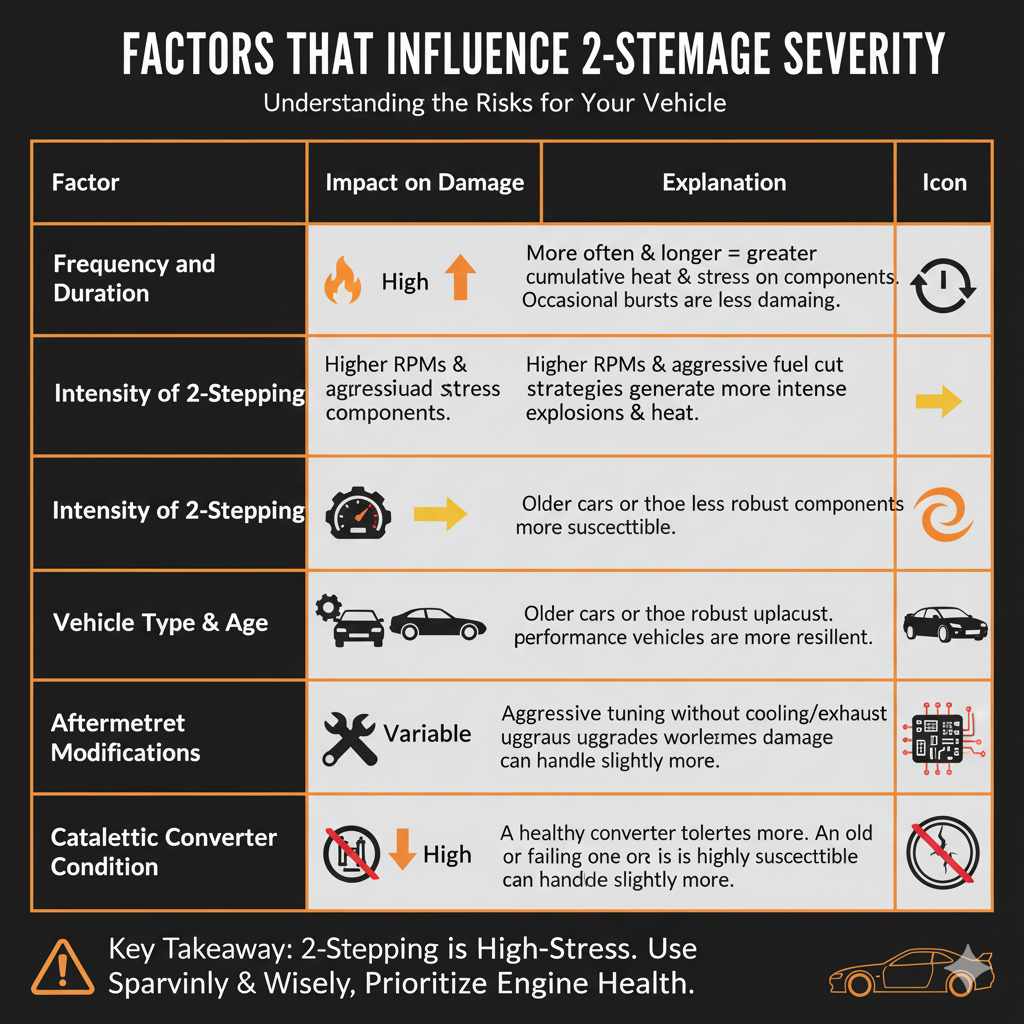
Not all 2-stepping is created equal, and the amount of damage depends on several factors:
| Factor | Impact on Damage | Explanation |
|---|---|---|
| Frequency and Duration | High | The more often and longer you 2-step, the greater the cumulative heat and stress on components. Occasional, short bursts are less damaging than prolonged use. |
| Intensity of 2-Stepping | Medium | Higher RPMs and more aggressive fuel cut strategies generate more intense explosions and heat. |
| Vehicle Type and Age | Medium | Older cars or those with less robust exhaust and engine components are more susceptible. Performance vehicles may have more resilient systems but can still be overloaded. |
| Aftermarket Modifications | Variable | Aggressive tuning for 2-stepping, especially without considering cooling and exhaust flow, can exacerbate damage. Conversely, some high-performance exhausts might handle it slightly better but are still not immune. |
| Catalytic Converter Condition | High | A healthy catalytic converter can withstand more abuse than one that is already old or starting to fail. |
When to Seek Professional Help
If you’ve been 2-stepping and notice any of the following symptoms, it’s a good idea to have your car looked at by a qualified mechanic:
- Check Engine Light: Modern cars have sophisticated systems that can detect issues with emissions or engine performance.
- Reduced Power or Acceleration: This is a classic sign of a clogged catalytic converter or exhaust leak.
- Strange Noises: Hissing, rattling, or a much louder-than-usual exhaust note (beyond the intentional pops) can indicate leaks or damage.
- Fuel Smell: If you frequently smell unburnt fuel, it could indicate an issue with the fuel system or exhaust.
- Failed Emissions Test: A non-functional catalytic converter will almost certainly cause you to fail an emissions test.
A professional mechanic can diagnose issues with your exhaust system, catalytic converter, and engine to identify any damage caused by 2-stepping and recommend the best course of action for repairs.
Frequently Asked Questions (FAQ)
What exactly is 2-stepping?
2-stepping is a technique often used by performance vehicle enthusiasts to hold the engine at a high RPM while stopped, typically before launching. It involves cutting fuel to some cylinders while continuing ignition, causing unburnt fuel to ignite explosively in the exhaust system, producing loud pops and bangs.
Does 2-stepping damage my car’s engine?
While the primary damage is usually to the exhaust system, prolonged or aggressive 2-stepping can put extra stress on engine components due to high RPMs and potential lubrication or spark plug issues. It’s not ideal for long-term engine health.
Is it illegal to 2-step?
2-stepping itself might not be specifically illegal, but the loud noises it produces can violate local noise ordinances. Furthermore, any damage it causes to your catalytic converter could lead to failing emissions tests, which is illegal to drive without passing.
How can I make my exhaust sound aggressive without 2-stepping?
You can achieve a more aggressive exhaust sound through aftermarket exhaust systems, resonator deletes, or tunable exhaust valves. These options offer a modified sound profile without the damaging process of uncontrolled ignition in the exhaust.
What is the most common part of the car damaged by 2-stepping?
The catalytic converter is the most commonly and severely damaged component. The intense heat and explosive ignitions can cause it to overheat, melt, crack, or clog, leading to expensive repairs.
Can a factory launch control system damage my car?
Factory launch control systems are generally designed by the manufacturer to be safe and reliable when used as intended. However, excessive or improper use can still lead to accelerated wear on various components over time. Always consult your owner’s manual for proper usage instructions.
How much does it cost to repair damage from 2-stepping?
Repair costs can vary widely depending on the extent of the damage. Replacing a catalytic converter can cost anywhere from a few hundred to over a thousand dollars, not including labor. Other exhaust components or engine repairs would add to this cost.
Conclusion
As we’ve explored, that thrilling “2-step” sound, while exciting, comes with significant risks for your vehicle. The explosive combustion it relies upon puts a tremendous amount of stress on your exhaust system, particularly the highly sensitive catalytic converter, leading to potential overheating, clogging, and costly repairs. Beyond the exhaust, there’s increased wear on engine components and reduced fuel efficiency to consider.
The good news is that you don’t have to sacrifice an engaging driving experience or a satisfying car sound. By opting for well-designed aftermarket exhaust systems, tunable valves, or simply enjoying the performance your car offers within its engineered limits, you can have a car that sounds great and performs reliably without the inherent damage associated with aggressive 2-stepping. Understanding these risks empowers you to make informed choices, ensuring your car remains a source of joy and reliable transportation for years to come. So, enjoy the drive, keep your car healthy, and explore the many ways to enhance its sound and performance responsibly.