Is A Bus A Car: Essential Facts
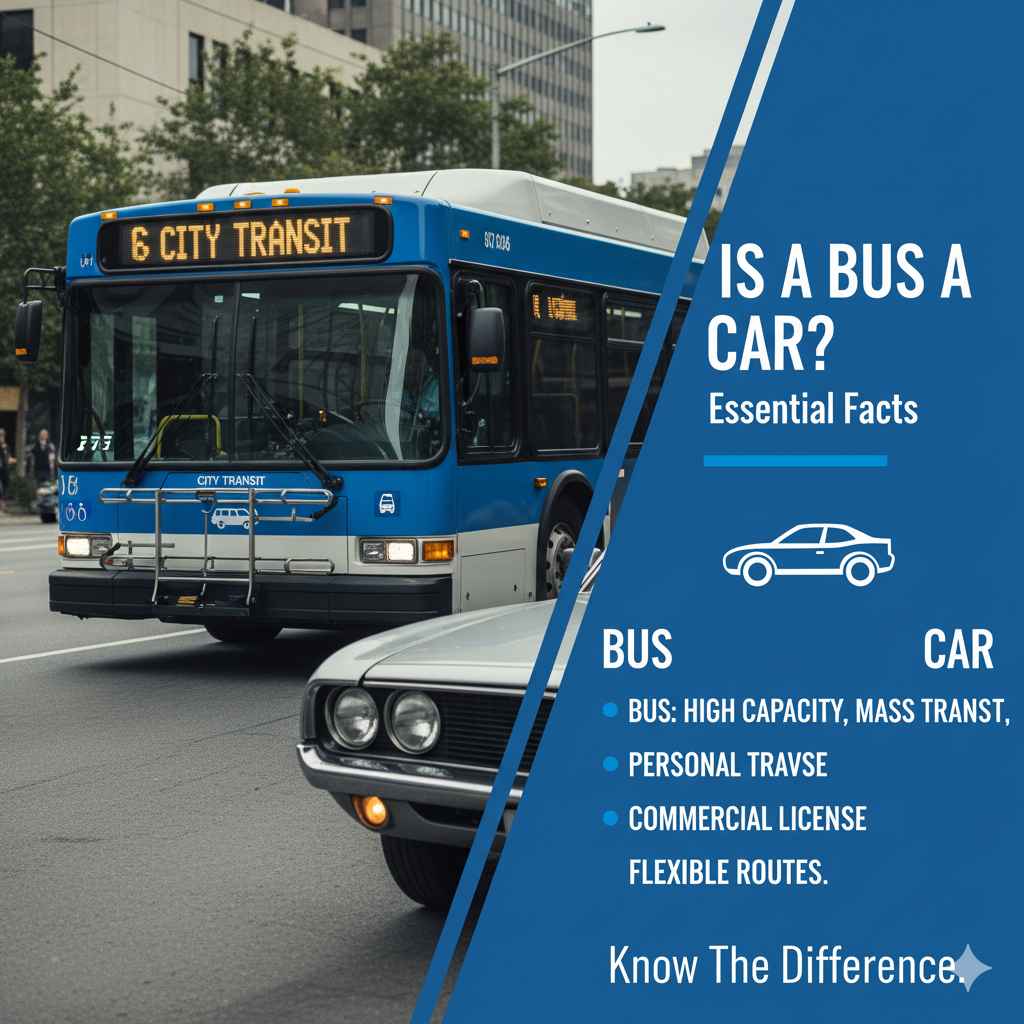
No, a bus is not a car. While both are vehicles that use roads, a bus is designed to carry many passengers, unlike a car which typically carries a few. Buses are larger, have different engines, and are regulated differently. Understanding these distinctions is key for drivers and transportation enthusiasts.
Hey there! As your friendly automotive guide, Md Meraj, I know cars can seem a bit mysterious. You see them everywhere, and sometimes, you might wonder about different types of vehicles. One question that pops up is: “Is a bus a car?” It’s a fair question, and the answer might surprise you because they share the road but are built for very different jobs. Let’s clear this up together, without any confusing jargon. We’ll break down exactly what makes a bus a bus and not a car. Stick with me, and by the end, you’ll know the essential facts and feel more confident about vehicles!
Understanding the Basics: What Makes a Vehicle a “Car”?
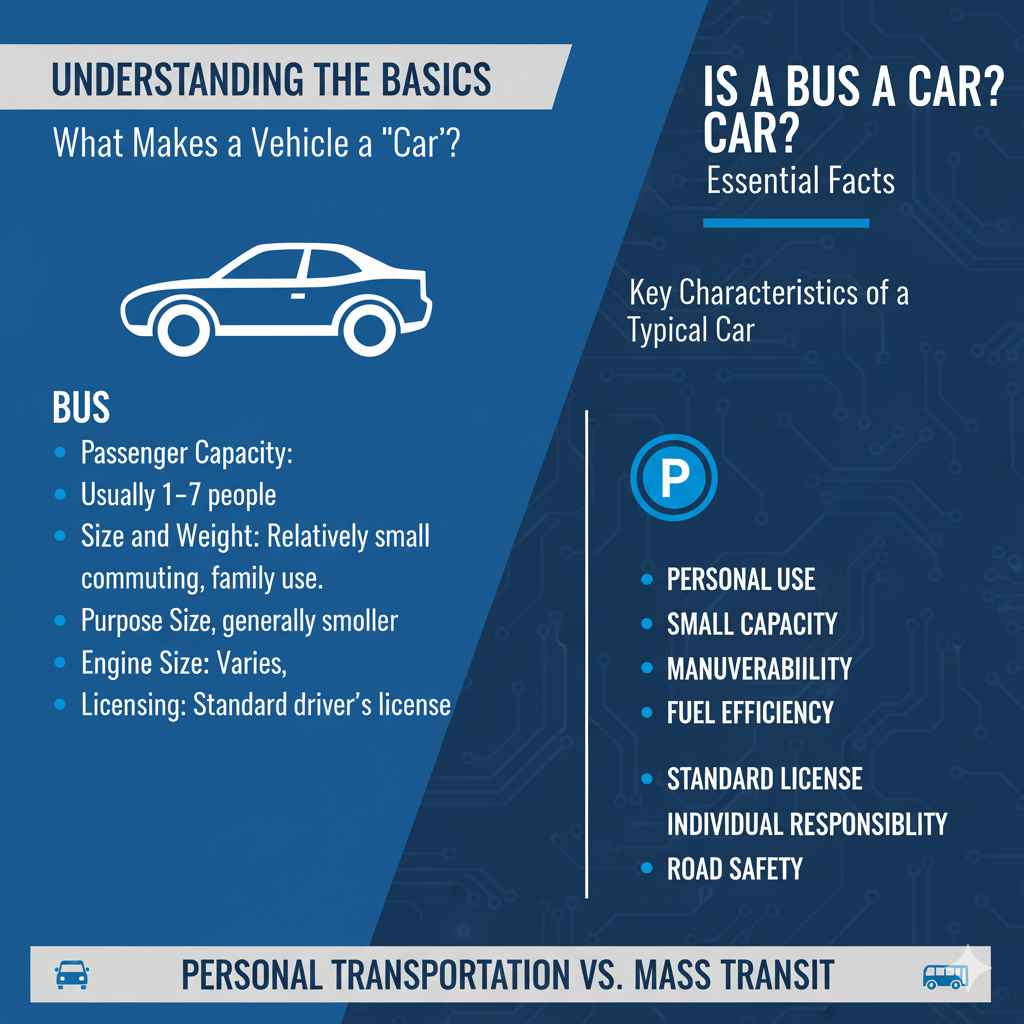
When we say “car,” most of us picture a standard passenger vehicle. Think of the sedan you drive to work, the SUV you take on family trips, or the small hatchback you zip around town in. These are designed primarily for personal use, typically carrying a small number of people—usually between two and seven. They are built for a balance of comfort, fuel efficiency, and maneuverability on public roads.
Technically, a “car” often refers to a “passenger automobile.” This means it’s a wheeled motor vehicle used for transporting people or goods. More specifically, it’s generally understood to be a smaller, lighter vehicle compared to trucks or buses. They have a specific number of wheels and a certain engine size or power that categorizes them within personal transport. The laws that govern cars also tend to focus on individual driver responsibility and standard road safety for smaller vehicles.
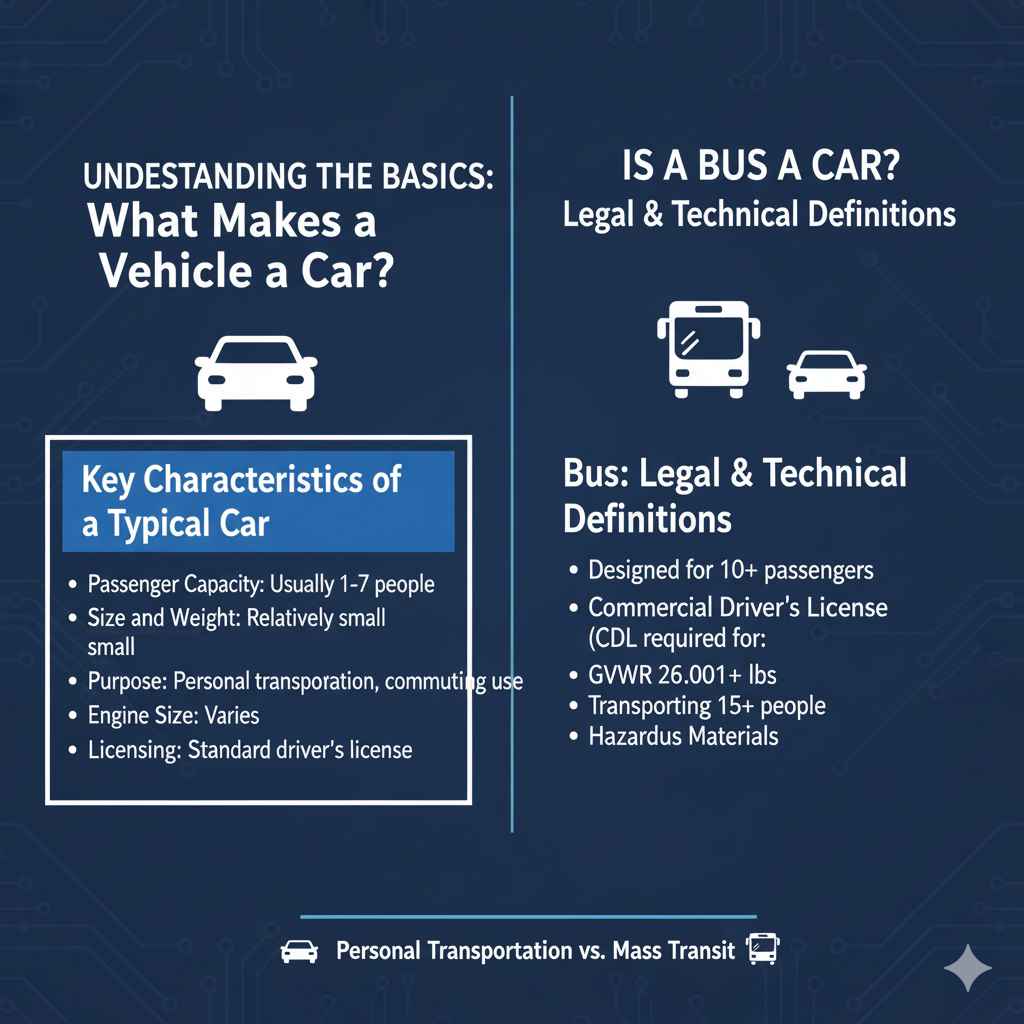
Key Characteristics of a Typical Car:
- Passenger Capacity: Usually 1-7 people.
- Size and Weight: Relatively small and lightweight.
- Purpose: Personal transportation, commuting, family use.
- Engine Size: Varies, but generally smaller than heavy-duty vehicles.
- Licensing: Requires a standard driver’s license.
So, What Exactly is a Bus?
Now, let’s switch gears and talk about buses. A bus is a large motor vehicle designed to carry a significant number of passengers. Unlike a car, its primary function is public or group transportation. You see them in cities, on highways for long-distance travel, and as school buses. They are built with capacity and safety for many people as the top priority.
Buses come in many shapes and sizes, from small shuttle buses to massive double-decker public transit vehicles. They often have a distinct shape and structure tailored for easy boarding and disembarking, with multiple rows of seats and stand-up space for passengers. Their design emphasizes functionality for mass transit over personal convenience or speed, though some express buses can be quite swift.
Key Characteristics of a Typical Bus:
- Passenger Capacity: Varies widely, but typically from 15 to over 80 passengers.
- Size and Weight: Large and heavy, requiring more robust build and components.
- Purpose: Public transport, school transportation, long-distance travel, group excursions.
- Engine Size: Often larger and more powerful, designed for carrying heavy loads.
- Licensing: Requires a special commercial driver’s license (CDL) for the operator.
The Big Differences: Car vs. Bus
When we put a car and a bus side-by-side, their differences become very clear. It’s not just about size; it’s about their entire purpose, design, and how they operate within our transportation systems. Think of it like comparing a bicycle to a train – both transport people, but in fundamentally different ways.
One of the most significant distinctions lies in their construction and engineering. Buses are built with heavy-duty frames, suspension systems, and engines that can handle the sustained weight of many passengers. Cars, on the other hand, are engineered for lighter loads and a more agile driving experience for individual users. The braking systems, steering mechanisms, and even the fuel efficiency calculations are vastly different due to these differing demands.
Passenger Capacity and Purpose
The most obvious difference is how many people they can carry. A car is meant for a few, while a bus is a people-mover. This core difference dictates almost every other aspect of their design and function.
Size and Maneuverability
Buses are significantly larger and heavier than cars. This means they require more space to turn, stop, and navigate. Drivers need specialized training to handle them safely. Cars are designed for agility and ease of parking in tight spots.
Engine and Power Requirements
To move dozens of people and their luggage, buses need powerful engines. These are often diesel engines designed for torque and longevity, rather than the gasoline engines commonly found in cars prioritizing quick acceleration or fuel economy for lighter loads. The transmission systems in buses are also built to handle massive amounts of weight and stress.
Driver’s License and Regulations
Driving a bus is a professional job that requires a specific license. In the United States, this is typically a Commercial Driver’s License (CDL), often with endorsements for passenger transport and air brakes. Regular car drivers only need a standard driver’s license. This highlights the different skill sets and responsibilities involved.
A Look at Vehicle Classification
Vehicle classification systems exist to categorize vehicles for legal, insurance, and manufacturing purposes. These systems make it clear that cars and buses belong to different classes. For instance, in many places, a “car” falls under the passenger vehicle category, while a “bus” is classified as a “heavy-duty vehicle” or “commercial vehicle” specifically designed for transporting multiple passengers.
Government agencies often set these definitions. For example, the Federal Motor Carrier Safety Administration (FMCSA) in the U.S. defines what constitutes a commercial motor vehicle, which includes most buses. This ensures that the vehicles operating on our roads meet specific safety standards appropriate for their size and purpose. These regulations are crucial for road safety and fair insurance practices.
Table: Key Differences Summarized
| Feature | Typical Car | Typical Bus |
|---|---|---|
| Primary Purpose | Personal transport of a few people | Mass public or group transport |
| Passenger Capacity | 1-7 | 15-80+ |
| Size | Smaller, lighter | Larger, heavier |
| Engine | Gasoline, smaller | Often Diesel, larger/more powerful |
| Driver’s License | Standard Driver’s License | Commercial Driver’s License (CDL) |
| Maneuverability | High | Low |
| Regulation Focus | Individual operation, smaller vehicle safety | Commercial operation, mass transit safety |
Types of Buses: Not All Buses Are the Same!
It’s also helpful to know that “bus” isn’t just one type of vehicle. There are many variations, each with its own specific design and use. Understanding these types can further highlight how distinct they are from cars.
- City Buses (Transit Buses): These are the workhorses of urban public transportation. They are designed for frequent stops, standees, and easy boarding. They often have low floors and wide doors.
- School Buses: Easily recognized by their yellow color and flashing lights, these are specifically designed for the safe transport of children to and from school. They have features like high-backed seats and reinforced frames.
- Intercity Buses (Coaches): These are built for longer distances. They typically have comfortable seating, onboard restrooms, luggage compartments, and smoother rides for extended travel.
- Shuttle Buses: Smaller than city buses, these are often used for specific routes, like airport transfers, hotel shuttles, or campus transportation.
- Charter Buses: Hired for private groups for trips and tours. They offer comfort and amenities for a group traveling together.
Each of these bus types, while different from each other, shares the fundamental characteristic of being a vehicle built to carry many people, distinguishing them clearly from personal automobiles.
Why Does This Distinction Matter?
You might be thinking, “Okay, Md Meraj, I get it, they’re different. But why is it important to know?” This distinction matters for several reasons, especially if you’re involved with vehicles in any capacity:
- Safety: Understanding the capabilities and limitations of different vehicles is crucial for road safety. A bus driver needs different training than a car driver because the physics of stopping and maneuvering a large vehicle are different. The National Highway Traffic Safety Administration (NHTSA) emphasizes vehicle safety for all types, but road rules and practices are tailored to vehicle size and function.
- Licensing and Regulations: As mentioned, operating a bus requires a special license and adherence to commercial vehicle regulations. This is to ensure drivers are properly trained and vehicles are maintained to high standards for the safety of numerous passengers.
- Insurance: Insurance policies for buses are different from those for cars. They are priced based on the risk associated with carrying many passengers and the higher value of the vehicles.
- Maintenance: Buses require specialized maintenance. They have larger, more complex engines and systems that need regular attention from mechanics experienced with heavy-duty vehicles.
- Understanding Transportation: Knowing the difference helps us understand public transportation systems, city planning, and the logistics of moving people efficiently and safely.
For instance, if you’re ever thinking about driving a large vehicle for work or recreation, you know you’ll need to go through a different licensing process than just getting your standard driver’s license. Similarly, if you’re a driver, knowing how to safely share the road with buses—understanding their turning radius, braking distance, and blind spots—is vital.
Common Misconceptions and Clarifications
Sometimes, the lines can seem blurred, especially with smaller vehicles that might resemble buses. Let’s tackle some common thoughts:
What about RVs or camper vans?
Recreational Vehicles (RVs) are a unique category. While some large RVs can carry many people and goods, they are typically classified as motorhomes. Their primary purpose is personal travel and accommodation, distinguishing them from public transport buses. They are generally driven with a standard license unless they exceed certain weight or length limits, which might require a special endorsement in some regions.
Are minibuses/shuttles cars?
Minibuses and shuttle buses, while smaller than full-sized buses, are still generally classified as buses because their primary purpose is to transport multiple passengers (typically 10 or more) and they often require commercial licensing and operate under different regulations than standard passenger cars.
Is a delivery van a car or a bus?
A delivery van is a type of truck or commercial vehicle, designed for carrying goods, not primarily for transporting passengers. It’s a different category altogether, distinct from both cars and buses.
The key takeaway is to look at the primary function and design intent of the vehicle. Is it built for personal use by a few, or for carrying many people efficiently and safely?
The Legal and Technical Definitions
Legally and technically, the definition often comes down to the vehicle’s gross vehicle weight rating (GVWR) and its intended use. Many jurisdictions define a bus as a vehicle designed to carry 10 or more passengers, including the driver. This is a common threshold in driver licensing and vehicle regulation.
For example, in many U.S. states, a Commercial Driver’s License (CDL) is required for anyone driving a vehicle that:
- Has a gross vehicle weight rating (GVWR) of 26,001 pounds or more;
- Transports 15 or more people, including the driver;
- Is of any GVWR when transporting hazardous materials requiring placards.
Therefore, a vehicle designed to carry 15 or more people, even if it’s smaller than a typical city bus, will fall under bus regulations and require a CDL. This legal framework is critical for maintaining safety on public roads.
Frequently Asked Questions
Q1: Can a bus be considered a car if it’s small?
No, even small buses, often called minibuses or shuttle buses, are not cars. Their design and intended use for carrying multiple passengers (usually 10 or more) place them in a different vehicle category with different operational requirements and regulations.
Q2: What license do I need to drive a bus?
You typically need a special Commercial Driver’s License (CDL), often with a passenger endorsement, to drive a bus. This is because buses are larger, heavier, and carry more people than standard vehicles, requiring advanced driving skills and knowledge.
Q3: Are buses more fuel-efficient than cars?
Generally, no. While buses are designed to carry many people, making them efficient per passenger, individual large buses consume significantly more fuel than a single car due to their size, weight, and powerful engines.
Q4: Why are buses so much bigger than cars?
Buses are bigger because they are designed to carry a large number of passengers. This requires more seating space, standing room, and often luggage compartments, leading to their extended length and height. Their larger engines and sturdy frames are also necessary to handle the substantial weight of passengers and the vehicle itself.
Q5: Do buses have the same safety features as cars?
Buses have safety features, but they are designed for their specific purpose. While cars focus on airbags, crumple zones, and ABS for a few occupants, buses often prioritize sturdy construction, emergency exits, seat belts for all passengers (where required by law), and robust braking systems designed for heavy loads. The type of safety features can vary significantly between different bus types (e.g., city bus vs. school bus vs. coach).
Q6: Is it legal to park a bus in a residential area like a car?
Parking regulations vary greatly by location. Most residential areas have restrictions on parking large vehicles like buses, trucks, and RVs due to their size, potential obstruction of views, and impact on traffic flow. It’s usually not permitted to park a bus in the same way you would a car.
Conclusion
So, to wrap things up with confidence: a bus is definitely not a car. They are two distinct types of vehicles, built for different purposes, with different designs, and operated under different rules. A car is your personal ride for a few people, focusing on agility and individual convenience. A bus is a public or group transport vehicle, optimized for carrying many passengers safely and efficiently.
Understanding these essential facts—from passenger capacity and engine power to driver licensing and legal classifications—helps us navigate the world of vehicles with more clarity. It’s all about recognizing what a vehicle is built for. Whether you’re a driver, a commuter, or just someone curious about the vehicles on our roads, knowing the difference between a car and a bus is a fundamental piece of automotive knowledge. Keep exploring, stay safe, and remember, understanding your vehicle, no matter what type, is the first step to smarter driving and maintenance. Until next time, keep those wheels turning smoothly!