What Does a Fuel Pump Do on a Car?
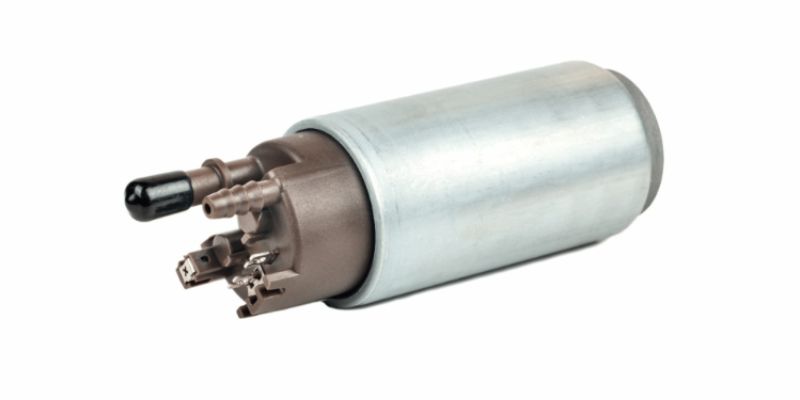
A fuel pump moves gasoline from the tank to the engine at the pressure and volume the engine needs to start, idle, and accelerate. Most modern cars use an electric pump submerged inside the fuel tank, delivering roughly 40 to 60 PSI to the fuel injectors, while direct-injection engines add a second high-pressure pump that can push past 2,000 PSI. Older carbureted engines instead use a low-pressure mechanical pump, running off the camshaft at just 4 to 10 PSI. Here is how each type works, the warning signs of a failing pump, and what a real replacement job costs.
What Is a Fuel Pump?
BEST FOR DIY FUEL PUMP DIAGNOSIS
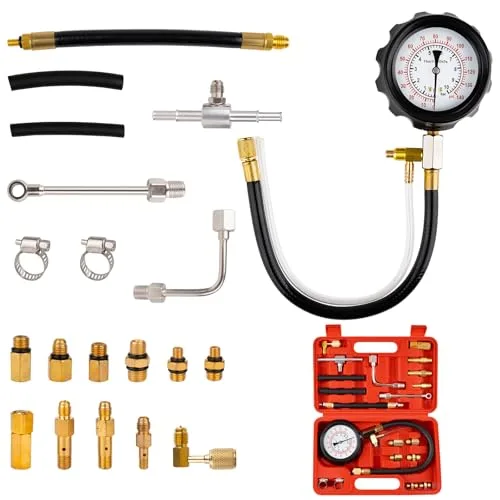 |
0-140 PSI Fuel Pressure Tester Kit – $21.99 Before you pay for a new fuel pump, this gauge lets you check the actual fuel pressure at the rail yourself and confirm the pump is really the problem.
|
A fuel pump is the component that pulls gasoline out of the tank and pushes it through the fuel lines to the engine. Without it, fuel would just sit in the tank and the engine would never get the fuel it needs to run.
Why It Matters
An engine burns a precise mix of fuel and air to make power, and that mix falls apart if fuel arrives too slowly or at the wrong pressure. The fuel pump’s job is to keep that supply steady no matter how hard the engine is working, from idling at a red light to accelerating onto a highway.
Where It Lives
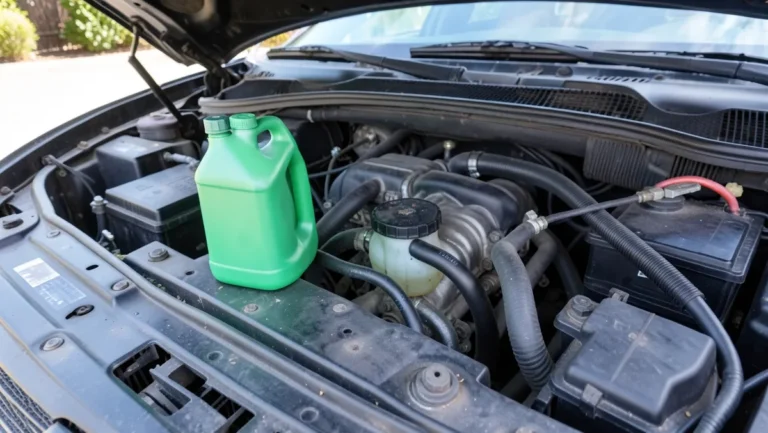
On nearly every car built since the 1990s, the fuel pump sits inside the gas tank, submerged in fuel. That placement isn’t an accident: the surrounding fuel keeps the pump’s electric motor cool and quiet, and it also reduces the risk of vapor lock. Older carbureted vehicles instead mount a mechanical pump on or near the engine block. For a closer look at exactly where to find the pump on your specific vehicle, see our guide to fuel pump locations.
How Does a Fuel Pump Work?
The Basic Process
When you turn the key or press the start button, the fuel pump activates before the engine even cranks, building pressure in the fuel lines so the engine gets fuel the instant it starts.
- Draw: The pump pulls fuel from the tank through a strainer or filter that screens out dirt and debris.
- Deliver: It pushes that fuel through the fuel lines and rail to the injectors at a constant, regulated pressure.
- Combust: The injectors spray fuel into the intake or combustion chamber, where it mixes with air and ignites to move the car.
Mechanical vs. Electric Fuel Pumps
The two main pump designs work in very different ways and run at very different pressures.
| Pump Type | How It Works | Typical Pressure | Common In |
|---|---|---|---|
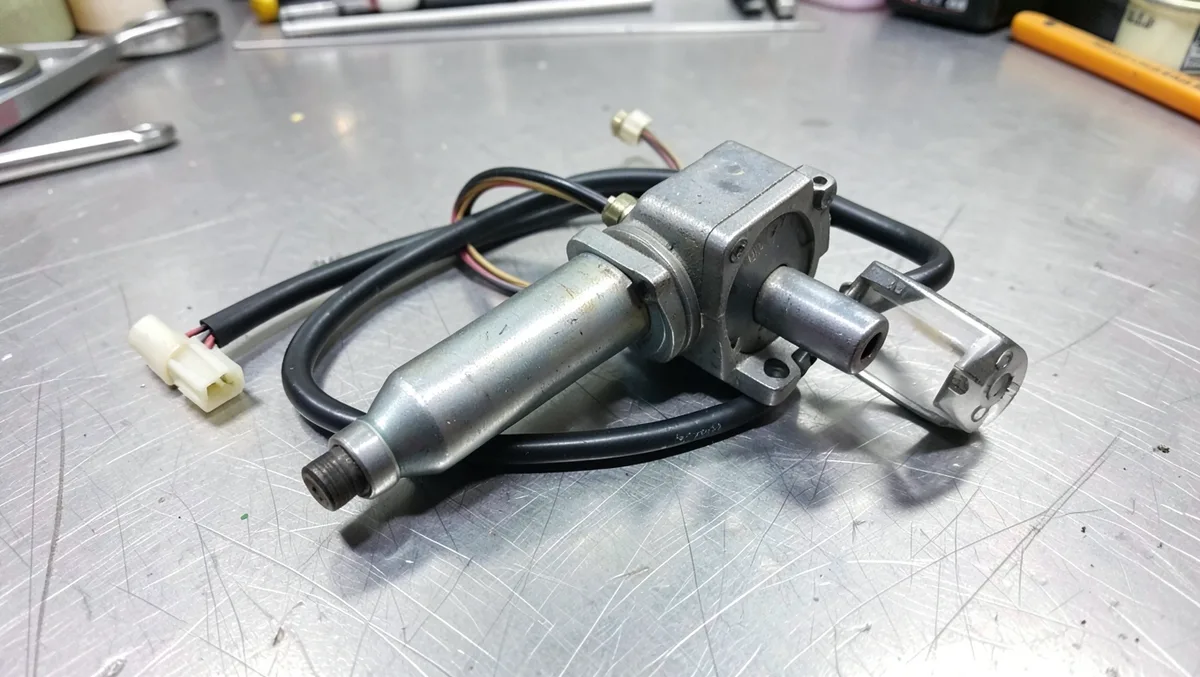
| Mechanical | A lever driven by the camshaft moves a diaphragm to draw and push fuel. | 4-10 PSI | Older carbureted engines |
| Electric (port injection) | An electric motor spins an impeller or gerotor to push pressurized fuel to the injectors. | 35-70 PSI | Most modern fuel-injected cars |
| Electric (direct injection) | A low-pressure in-tank pump feeds a second high-pressure pump at the engine. | 500-3,000+ PSI | Modern GDI/turbo engines |
Electric pumps have largely replaced mechanical ones because fuel injection needs far more pressure than a carburetor ever did, and an electric pump can hold that pressure steady regardless of engine speed.
Benefits and Drawbacks of a Fuel Pump
A working fuel pump does more than just move gasoline; a failing one creates problems that reach far beyond a rough idle.
Benefits
- Consistent power delivery: Supplies the exact fuel volume the engine needs at any speed or load.
- Better efficiency: Modern variable-speed pumps adjust output to demand instead of always running at full flow, which saves fuel.
- Quiet operation: Submerging the pump in the tank muffles its noise almost completely on a healthy unit.
Drawbacks
- Wears out over time: Many pumps last well past 100,000 miles, but running low on fuel or using contaminated gas can shorten that life significantly.
- Hard to access: In-tank pumps usually require dropping or removing the fuel tank to reach, which adds labor time.
- Not cheap to replace: Between the part and the labor to access it, a full replacement is a meaningful repair bill.
Signs of a Failing Fuel Pump
A dying fuel pump rarely fails without warning. Watch for these signs before it leaves you stranded.
Common Symptoms
- Car won’t start: No fuel pressure means the engine can crank but never fire.
- Sputtering at speed: The engine hesitates or loses power under load, especially going uphill or merging onto a highway.
- Loud whining noise: A weakening pump often gets noticeably louder before it fails completely.
- Random stalling: The engine cuts out unexpectedly, then may restart once it cools down.
If you notice any of these, get the fuel system checked before the pump fails completely, since it’s far more convenient to diagnose in your driveway than on the shoulder of a highway.
Check the Fuse and Relay Before You Blame the Pump
A blown fuel pump fuse or a failed fuel pump relay causes the exact same symptoms as a dead pump, no start, no hum, no fuel pressure, but it costs a few dollars instead of several hundred. Before assuming the pump itself is bad, check the fuse box for a blown fuel pump fuse, and try swapping the fuel pump relay with an identical relay elsewhere in the fuse box (many vehicles use the same relay for the horn or air conditioning). If the engine starts after the swap, the original relay was the actual problem.
A Simple Test You Can Try
Checking whether the pump is even running takes less than a minute and needs no tools.
- Turn the key to the “on” position without starting the engine.
- Listen near the fuel filler door or rear seat for a soft 2 to 3 second hum as the pump primes the lines.
- No hum at all, after confirming the fuse and relay are good, points to a dead pump or a wiring/module fault.
A hum alone only tells you the pump is spinning, not that it’s building the correct pressure. A fuel pressure gauge connected to the test port on the fuel rail gives a definitive reading you can compare against your vehicle’s spec, which is a more reliable check than listening alone.
How to Help a Fuel Pump Last Longer
Fuel pump failure is rarely random. A few habits make a real difference in how long the pump lasts.
Maintenance Tips
- Don’t run the tank near empty: Fuel surrounding the pump helps cool it; running low regularly causes it to run hotter than it should.
- Buy fuel from busy, reputable stations: High turnover means less time for sediment and water to settle in underground tanks.
- Replace the fuel filter on schedule: A clogged filter forces the pump to work harder, roughly every 30,000 miles on vehicles with a serviceable filter.
Common Mistakes to Avoid
- Habitually running on empty, which starves the pump of the fuel that keeps it cool.
- Ignoring a new whining noise from the tank, which is often the pump’s last warning before it fails.
- Skipping routine fuel system inspections during regular service visits.
Fuel Pump Replacement Cost
Because in-tank pumps usually require dropping the fuel tank, labor makes up a large share of the bill.
| Vehicle Type | Part Cost | Labor Cost | Total Cost |
|---|---|---|---|
| Sedan | $150-$400 | $150-$400 | $300-$800 |
| Truck/SUV | $250-$500 | $250-$500 | $500-$1,000 |
| Luxury vehicle | $400-$800 | $400-$700 | $800-$1,500 |
Prices vary by vehicle, region, and whether the shop needs to drop the tank or can access the pump through an under-seat service panel, which is common on many newer models.
Fuel Delivery Without an Electric Pump
Not every engine relies on an electric fuel pump. A few designs move fuel a different way.
Gravity-Feed Systems
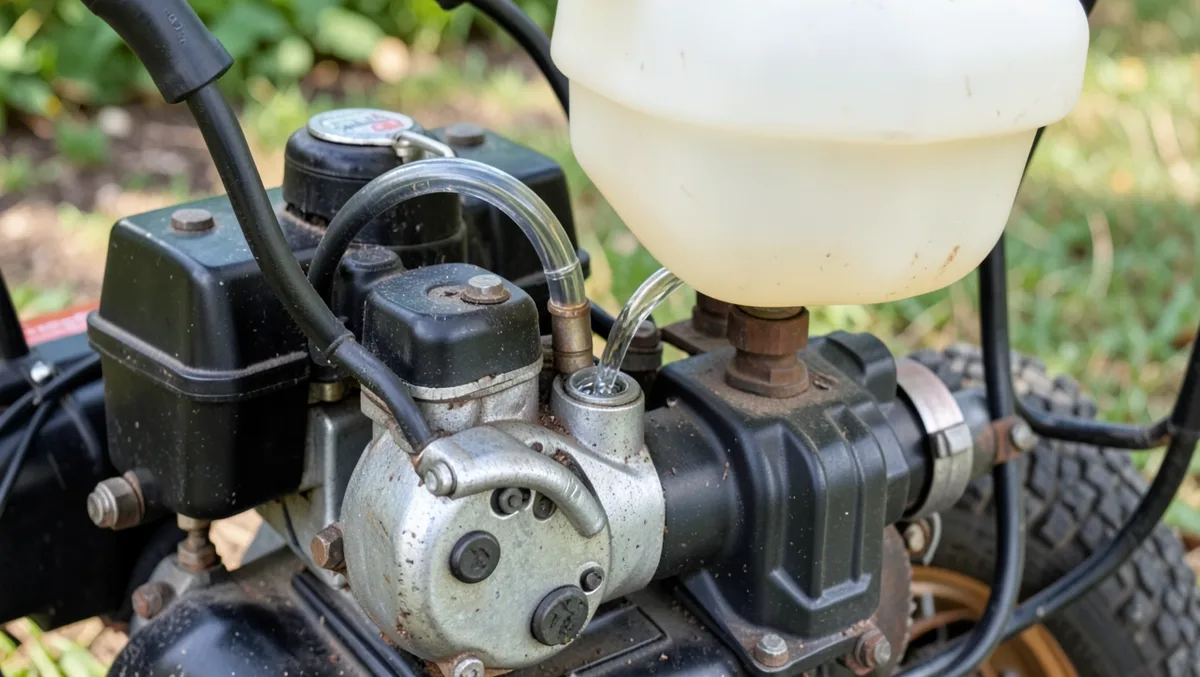
Many small engines, older motorcycles, and lawn equipment mount the fuel tank above the carburetor and let gravity do the work. Gas simply flows downhill through the line into the carburetor, no pump required. It’s a simple, reliable setup, but it only works when the engine and tank are small and light enough to arrange that way.
Dual High-Pressure Systems
Modern direct-injection and many turbocharged engines actually use two pumps instead of skipping one: a low-pressure electric pump in the tank feeds a second, engine-mounted high-pressure pump that can push fuel to 2,000 PSI or more, directly into the combustion chamber. It’s a more complex system with more parts that can fail, but it’s what allows today’s smaller turbocharged engines to make more power while burning less fuel.
Quick Fuel Pump Care Checklist
- Listen early: A new whining noise from the tank is worth investigating before it strands you.
- DIY with caution: Replacing a fuel pump is a doable weekend job for an experienced DIYer, but it means working around a full tank of gasoline, so review the procedure and safety precautions before starting.
- Ask a professional when unsure: Shops like NAPA or roadside services like AAA can diagnose a suspected fuel pump issue if you’re not comfortable testing it yourself.
Conclusion
The fuel pump is a small part with an outsized job: without it, fuel never reaches the engine and the car simply won’t run. Knowing how it works, what its warning signs sound like, and that a blown fuse or relay can mimic the same symptoms, can save you from an unnecessary repair bill or a breakdown on the road.
Frequently Asked Questions
What Does a Fuel Pump Do on a Car?
It pulls fuel from the tank and delivers it to the engine at the pressure the fuel system needs. The engine burns that fuel to make power, so without a working pump the car cannot start or run.
How Long Does a Fuel Pump Last?
Most electric fuel pumps last well over 100,000 miles, and many run for the life of the vehicle. Habitually driving on low fuel or using contaminated gas is the most common reason a pump fails early.
Can I Drive with a Bad Fuel Pump?
It isn’t safe to keep driving on a failing fuel pump. A weak pump can cause the engine to stall or lose power without warning, which is dangerous in traffic or on a highway.
How Much Does a Fuel Pump Cost to Replace?
A full replacement typically runs $300 to $1,500 including parts and labor, depending on the vehicle and whether the shop has to drop the fuel tank to reach the pump.
What’s the Difference Between Mechanical and Electric Fuel Pumps?
A mechanical pump uses a lever driven by the camshaft and runs at only 4 to 10 PSI, suited to older carbureted engines. An electric pump uses a motor to deliver 35 to 70 PSI or more, which fuel injection requires.
How Do I Know If My Fuel Pump Is Bad?
Common signs include the engine not starting, sputtering under load, a loud whine from the fuel tank, or random stalling. Confirm the fuel pump fuse and relay are good before assuming the pump itself has failed.
Is It Always the Fuel Pump, or Could It Be the Relay or Fuse?
Not always. A blown fuel pump fuse or a bad relay produces the same no-start symptoms as a dead pump but costs only a few dollars to fix. Check both before paying for a full pump replacement.
Can I Replace a Fuel Pump Myself?
Yes, for a mechanically inclined DIYer with the right tools, though in-tank pumps often mean removing the fuel tank and working safely around gasoline. Watching a model-specific tutorial first is worth the time.
Products related to this article
Sponsored / affiliate links. As an Amazon Associate I earn from qualifying purchases. I may earn additional commission from eligible campaigns.