Is A Car A Liquid Asset? Proven Essential
A car is generally NOT considered a liquid asset. While you can sell it for cash, the process takes time and its value often drops quickly, making it an illiquid asset. True liquid assets—like cash in the bank—are available instantly without losing significant value.
Have you ever needed fast money and wondered if you could just sell your car right away? It’s a common question for everyday drivers. Many people mix up selling something they own with having cash ready immediately. This confusion often leads to financial surprises. Don’t worry! We are going to clear up exactly what a “liquid asset” means versus what your dependable car truly is. By the end of this easy-to-read guide, you will understand the difference and know how to value your vehicle when you might need emergency funds. Let’s get started making sense of your car’s true financial worth!
What Exactly is a Liquid Asset? The Simple Definition
When financial experts talk about assets, they sort them into different groups. The most important group for quick needs is the “liquid asset” category. Think of liquid like water—it flows easily and immediately.
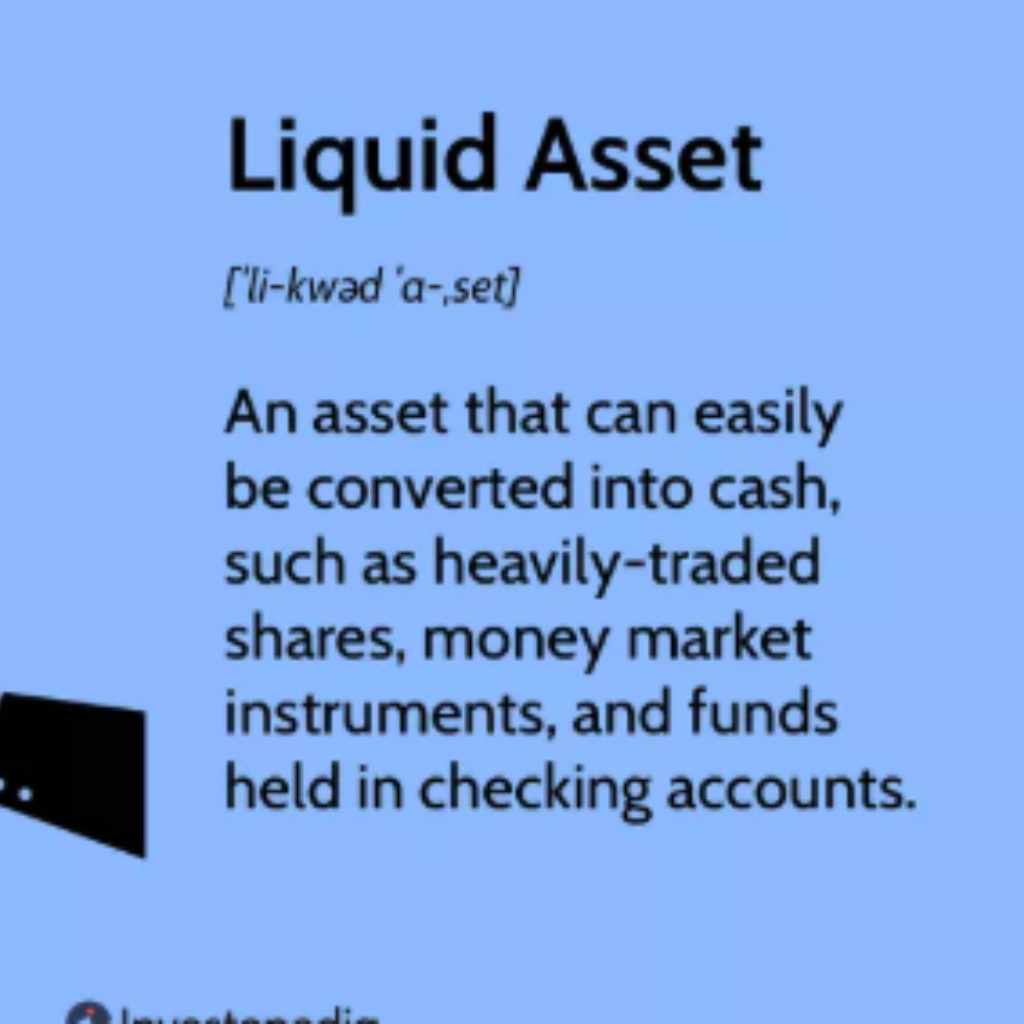
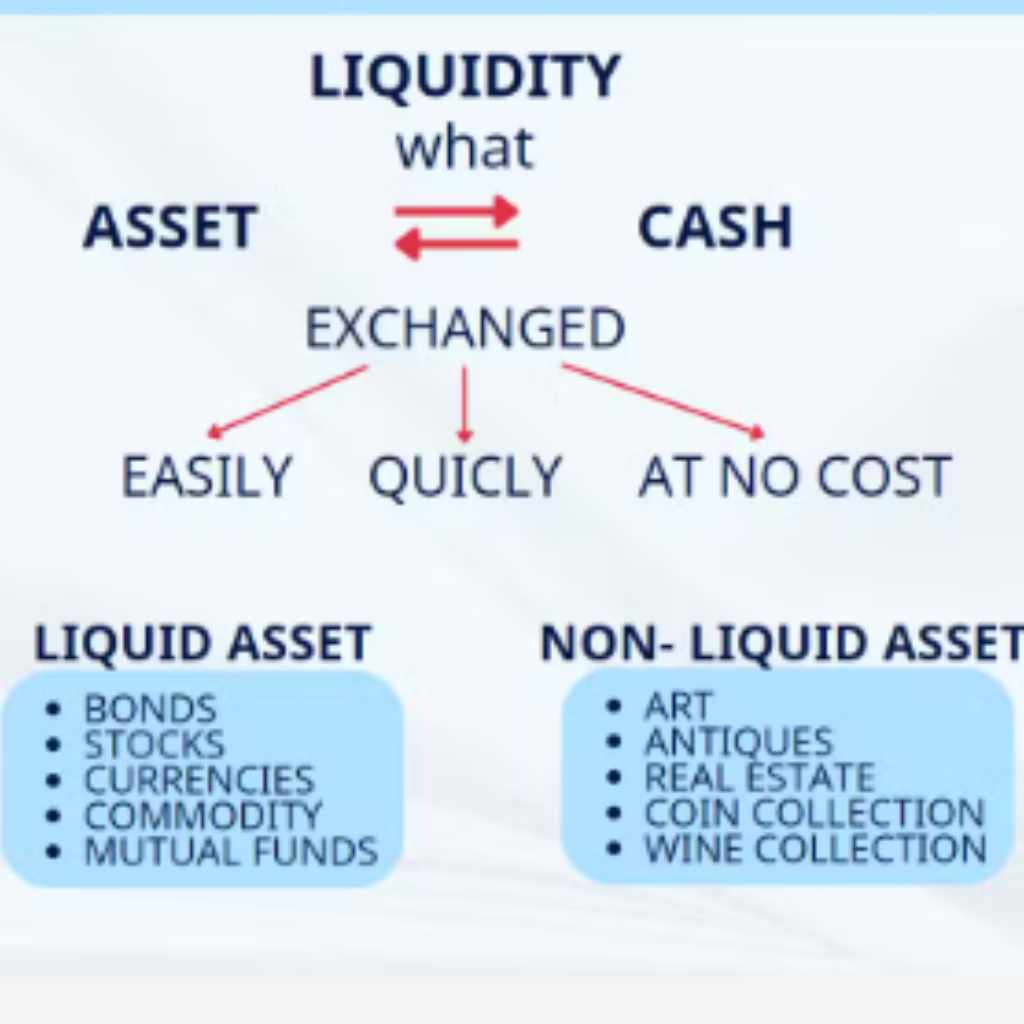
A liquid asset is anything you own that can be converted into cash quickly—usually within a few days or even minutes—without losing much of its original value.
Instant Access is Key
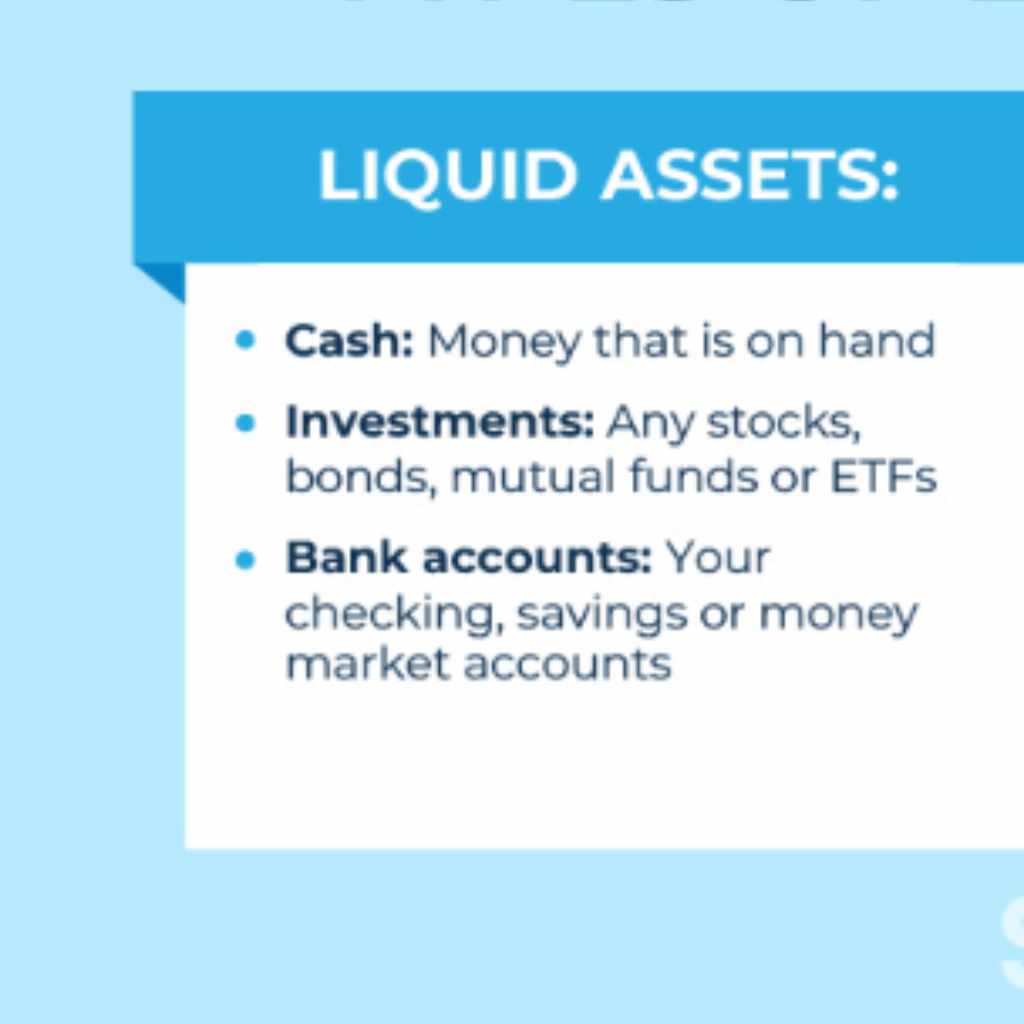
The main feature of a liquid asset is speed and stability of price. If you need $1,000 tomorrow, you want to be sure whatever you sell gives you close to $1,000. This is why things like cash in your checking account, savings accounts, or money market funds are top-tier liquid assets.
Why is this term important for you, the car owner? Because understanding this helps you plan for real emergencies where you need money now, not next month after you find a buyer for your vehicle.
- Cash/Checking Accounts: 100% liquid.
- Stocks/Bonds (publicly traded): Highly liquid (can sell in seconds).
- Your Car: Not highly liquid.
Why Your Car Doesn’t Meet the “Liquid” Standard
Now for the big question: Is a car a liquid asset? The short answer, for practical and financial planning purposes, is no. While a car is certainly an asset (it has value), it is considered an illiquid asset or a depreciating asset.
Let’s break down the two main reasons why your vehicle falls short of the “liquid” label, using simple terms.
Reason 1: Time to Conversion
How fast can you turn your car title into actual spending money? If you walked into a dealership today and said, “I need cash for this car right now,” they would offer you a wholesale or trade-in price. This process takes paperwork, inspections, and maybe a few hours. If you sell it privately, you have to advertise, meet strangers, negotiate, and wait for the paperwork to clear.
Compare this to selling a stock on an online trading app, which takes seconds, or withdrawing money from an ATM, which takes seconds. A car transaction usually takes days or weeks to complete successfully at a fair price.
Reason 2: Loss of Value (Depreciation)
Liquidity isn’t just about speed; it’s about getting the expected price. Imagine your car is worth $15,000 on the open market (private sale price). If you need cash in 48 hours, you might have to sell it to a car buying service for $12,000 or less. That $3,000 difference is a direct loss caused by the pressure of needing quick cash.
True liquid assets rarely lose value just because you need the money fast. Cash is still $1,000 whether you take it out today or next week.
| Asset Type | Conversion Speed | Value Stability |
|---|---|---|
| Cash in Bank | Immediate (Seconds) | Very High |
| Public Stocks/ETFs | Fast (Minutes/Hours) | High (but market dependent) |
| Your Car | Slow (Days/Weeks) | Low (Rapid Depreciation) |
| Real Estate | Very Slow (Months) | Moderate to High (Long-term) |
How to Estimate Your Car’s “Quick Cash Value”
Since your car isn’t liquid, you need a realistic expectation of what you could get for it if you were forced to sell it quickly. This is often called the wholesale value or trade-in value, and it’s always lower than the private party price you see advertised.
As your automotive guide, Md Meraj recommends using reliable resources to estimate this value. You need data, not just a hopeful guess!
Step-by-Step Guide to Getting a Realistic Car Value
- Gather Your Paperwork: Find your car’s exact year, make, model, trim level (like LX, EX, Sport), engine size, and mileage. Ensure you have the clean title ready.
- Check Reputable Valuation Sites: Use trusted sources that track market sales. Good starting points include Kelley Blue Book (KBB) and Edmunds.
- Select the Right Selling Method: When using these sites, look specifically for the “Instant Cash Offer” price or the “Trade-In Value.” Do not look at the “Private Party Value.”
- Be Honest About Condition: A car with a check engine light, bad tires, or minor body damage will drastically reduce this quick-sale number—often by hundreds or thousands of dollars.
- Compare Offers: Get a few online cash offers from places like CarMax or online buyers. This gives you a target “floor” price—the least you should expect for a truly urgent sale.
Remember, these resources provide averages. A highly sought-after truck in perfect condition might sell faster than a common sedan, but the principle remains: quick sales mean lower prices.
Depreciation: The Silent Killer of Liquidity
The biggest hurdle for a car being a liquid asset is depreciation. Depreciation is simply the process where your car loses value the moment you drive it off the lot—and it keeps losing value every year.
For context, a new car can lose 20% of its value in the first year alone! This rapid loss means that the longer you wait to sell, the more money you might lose compared to holding other types of assets.
Factors That Accelerate Depreciation (Making it Less Liquid)
If you are trying to sell fast, these issues will drive your quick-sale price down even further:
- High Mileage: Wear and tear scares off quick buyers.
- Accident History: A CARFAX report showing damage immediately lowers the quick valuation.
- Customizations: Aftermarket sound systems or extreme modifications appeal to very few buyers, narrowing your quick market.
- Lack of Service Records: If you cannot prove routine maintenance (like oil changes or transmission flush records), buyers assume the worst and offer less cash upfront. For reliable vehicle history, make sure to keep records documented, referencing advice from organizations like the Department of Education on vehicle maintenance standards can be helpful for understanding best practices.
The Other Side: Understanding Truly Liquid Automotive Assets
While your standard car isn’t liquid, are there any vehicle-related items that are? Not really, in the traditional sense, but it’s helpful to see the spectrum of asset liquidity in the automotive world.
Example Comparison Table
| Asset Type | Liquidity Level | Why? |
|---|---|---|
| Cash in Hand | Maximum | Instantly spendable. |
| Classic Car (Rare/High Demand Auction Item) | Medium-High (Specific Niche) | Sells fast if the right collector is present, but the market is small. |
| Standard Used Car | Low | Requires marketing, inspection, and negotiation time. |
| Car Parts (High-Demand, Brand New) | Medium | Easier to sell online quickly than the whole car, but still requires listing effort. |
Notice that even for classic cars, liquidity depends heavily on the specific market. If you own a very rare collectible, you might find a buyer fast, but if you own a common economy car, you have to wait for the right local buyer or accept a low wholesale offer.
The Takeaway: Practical Financial Planning for Car Owners
As someone who loves cars and understands how they fit into our daily lives, I want you to be smart about your finances. Never rely on your car as your emergency liquid fund.
Actionable Steps for Financial Confidence
- Maintain True Liquidity: Keep an emergency fund in a dedicated, easily accessible savings account instead of relying on selling your vehicle. Aim for 3-6 months of living expenses, just like experts suggest.
- Know Your Sale Price vs. Quick Price: Always know the difference between what your car could fetch in a perfect private sale (30 days) and what you could realistically get from a dealer today (24 hours).
- Budget for Maintenance, Not Liquidity: View the cost of keeping your car running (oil changes, tires, insurance) as an expense, not an investment that guarantees quick returns. Taking good care helps retain value, but it doesn’t make it liquid.
- Review Other Assets: If you need fast cash, first look at assets that genuinely are liquid: your checking account balance, credit union savings, or perhaps easily sold small electronics or jewelry before even thinking about selling your car.
When you plan your finances, treat your vehicle as a necessary tool that loses value over time. This frees up your actual liquid money for real emergencies.
Frequently Asked Questions (FAQ) About Car Value and Liquidity
Q1: If I owe money on my car loan, can it still be considered an asset?
A: Yes, the full value of the car is still an asset, but your loan is a liability (a debt). You only have equity (the true asset value you own) if the market value is higher than what you owe the bank. If you sell it, the loan must be paid off first.
Q2: Does selling my car privately make it more liquid than selling to a dealer?
A: In terms of price, yes, you get closer to the true market value. However, in terms of time, a private sale is usually slower because you have to handle all the marketing, meeting, and paperwork yourself.
Q3: Are brand-new cars more liquid than used cars?
A: No. Brand-new cars often have the worst immediate liquidity because they suffer the biggest immediate drop in value (depreciation) the second they are titled and driven off the lot.
Q4: What about renting out my car on an app? Does that make it liquid?
A: Renting turns the car into an income-producing asset, but it does not make the vehicle itself liquid. If you need the cash instantly, you still have to stop renting, clean the car, find a buyer, and complete the sale process.
Q5: If the stock market crashes, is my car suddenly more “liquid” by comparison?
A: In a general financial crisis, your car remains illiquid because the time required to sell it remains the same, and the demand for used cars might even drop. Only assets like physical gold or the US Dollar itself maintain true liquidity during extreme panic.
Q6: What financial term best describes a car that is hard to sell quickly?
A: The best term is an illiquid asset or a non-current asset if you consider it in a long-term business accounting sense, because turning it into cash takes significant time.
Final Thoughts from Md Meraj
I hope this deep dive has removed the confusion around whether your trusty vehicle is a liquid asset. My goal is always to equip you, the everyday driver, with clear, practical knowledge. While your car serves you daily and holds significant value, financially speaking, it needs to be treated separately from your emergency cash reserves.
Think of your car as a long-term, depreciating possession that eventually converts to cash when you decide it’s time—not when an emergency demands it. By maintaining a healthy savings account for true liquidity, you let your car serve its purpose efficiently without putting unnecessary financial stress or heavy depreciation losses on your shoulders when you need help most. Keep learning, keep driving safely, and keep that emergency fund topped up. You’ve got this!