Is AC Covered Under Warranty On A Car? Find Out Here
It’s a real headache when your car’s air conditioning stops working. You expect cool air, especially on a hot day. You might also wonder if your car’s warranty will help fix it.
This can be a confusing topic for many car owners. We’ll walk through what car warranties usually cover for AC systems.
Car warranties often cover AC system repairs, but coverage varies greatly. Most standard warranties cover specific components like the compressor, condenser, and evaporator, especially if they fail due to a defect. However, wear-and-tear issues or damage from lack of maintenance are typically not covered. Extended warranties may offer broader coverage.
Understanding Car Warranties and AC Systems
Car warranties are like a safety net for unexpected repairs. They come in different types. The most common is the manufacturer’s warranty.
This is what the car company provides when you buy a new car. It covers defects in parts or workmanship.
There are also extended warranties. You buy these separately. They can add more coverage after the original warranty ends.
Sometimes, a dealership offers its own special warranty. It’s super important to know which warranty you have. Each one has its own rules.
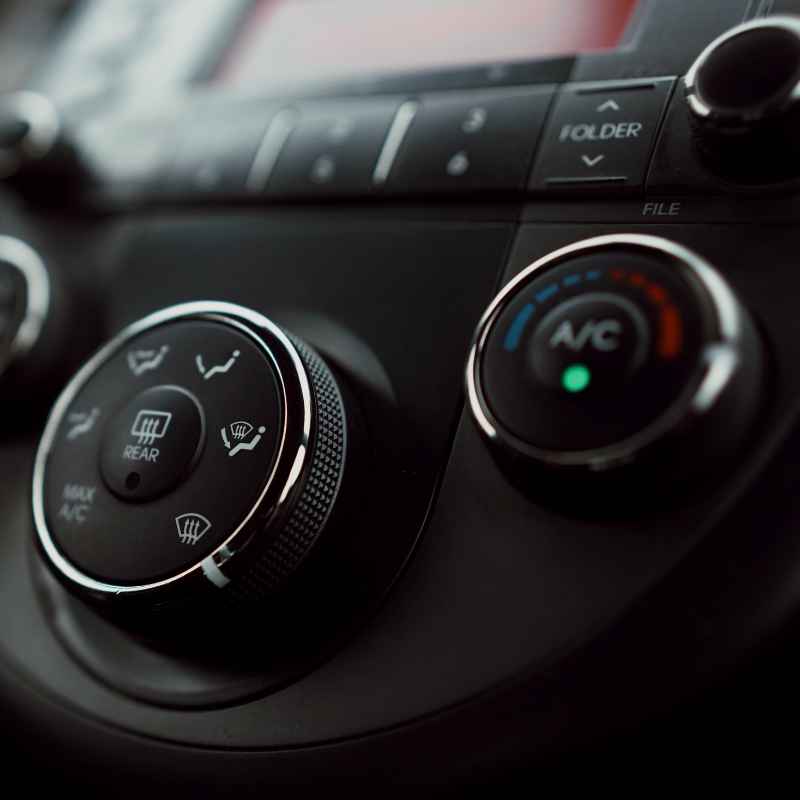
The air conditioning system in your car is complex. It has many parts. These include the compressor, condenser, evaporator, expansion valve, and refrigerant lines.
It also uses refrigerant, which is a special gas. All these parts need to work together smoothly to make cold air.
When something goes wrong with your AC, it’s often one of these parts. It could be a leak. It could be a part that just stops working.
Knowing which part failed helps understand if the warranty will cover it. Most warranties look for a manufacturing defect. They don’t usually cover normal wear and tear.
My Own AC Nightmare: A True Story
I remember one summer. It was sweltering hot. I was driving my three-year-old sedan.
Suddenly, the AC just stopped blowing cold air. It only blew warm air. I started to panic.
The heat in the car was getting unbearable. I thought, “Surely, this is covered by my warranty!”
I took it to the dealership. They hooked it up to their fancy computers. The mechanic came out with a long face.
He said, “The compressor is shot.” My heart sank. He explained that while the compressor itself might be covered, there was a small leak in one of the AC lines. That leak caused the compressor to fail.
Because the leak wasn’t a “manufacturing defect” but more like an issue with a seal wearing out, it wasn’t covered by the bumper-to-bumper warranty. They said it was due to “environmental factors” or “normal wear.” I ended up paying a hefty sum to fix it. It was a big lesson for me.
Types of Car Warranties and What They Mean for Your AC
Let’s break down the main types of warranties. This will help you see what might apply to your AC.
Manufacturer’s Bumper-to-Bumper Warranty
This is usually the most comprehensive warranty. It covers almost everything in the car. This includes electrical systems, engine parts, and yes, usually major AC components.
Think of the compressor, condenser, and evaporator. This warranty is typically for the first 3 years or 36,000 miles, whichever comes first. If your AC fails due to a part defect within this time, it’s very likely covered.
This warranty is strong for AC issues.
Powertrain Warranty
This warranty is more limited. It focuses on the engine, transmission, and drivetrain. Major AC parts like the compressor are often driven by the engine.
But, the AC system itself isn’t usually considered part of the “powertrain.” So, if only the compressor fails, it might not be covered under a powertrain warranty. This is a key difference to remember.
Emissions Warranty
This warranty covers parts that help your car meet emissions standards. Some AC components can indirectly affect emissions. For example, if an AC leak causes a sensor to malfunction, that might be covered.
But, it’s not a direct AC warranty. It’s unlikely to cover a simple AC cooling problem.
Extended Warranties (Service Contracts)
These are contracts you buy. They extend coverage beyond the manufacturer’s warranty. The terms vary a lot.
Some are very similar to bumper-to-bumper. Others are more like powertrain warranties. You MUST read the fine print very carefully.
It will list exactly which AC parts are covered and under what conditions. Some might exclude refrigerant or labor costs.
Certified Pre-Owned (CPO) Warranties
If you buy a CPO car, it comes with its own warranty. These are often extensions of the original factory warranty. They usually cover major components, including AC parts.
The dealership inspects the car thoroughly. This gives some confidence. But, again, check the specific CPO warranty details.
AC Components Often Covered by Standard Warranties
Compressor: This is the heart of the AC system. It pumps refrigerant. Most warranties cover this if it fails due to a defect.
Condenser: This part releases heat from the refrigerant. It’s usually covered.
Evaporator: This part absorbs heat inside the car. It’s typically included in warranty coverage.
Expansion Valve/Orifice Tube: These control refrigerant flow. They are often covered.
When AC Problems Are NOT Covered
Warranties are great, but they have limits. There are common reasons why your AC repair might not be covered.
Lack of Maintenance
Most warranties require you to maintain your car properly. This includes regular AC checks. If you never had your AC serviced, or if records show neglect, the warranty company might deny your claim.
They can argue that poor maintenance caused the failure.
Wear and Tear
Parts in your car get older and wear out over time. This is normal. Refrigerant levels can drop slowly.
Seals can age. These are considered wear and tear. Warranties usually don’t cover normal aging of parts.
They focus on manufacturing defects.
Damage from Accidents or External Causes
If your AC system is damaged in a car accident, that’s an insurance issue, not a warranty issue. Damage from road debris hitting parts like the condenser is also often excluded. It’s seen as an external event.
Refrigerant Refills
This is a tricky one. Many warranties do not cover refrigerant refills. This is because refrigerant can escape slowly over time due to small leaks that are considered normal wear.
Some warranties might cover the cost of refrigerant IF it’s needed to complete a covered repair. But, a simple “recharge” service is usually not covered on its own.
Labor Costs
Sometimes, a warranty might cover the cost of a part but not the labor to install it. Or, it might cover a portion of the labor. This depends heavily on the specific warranty contract.
Always ask about labor coverage.
DIY Repairs or Unauthorized Service
If you try to fix the AC yourself or take it to an unapproved repair shop, you could void your warranty. Stick to authorized dealers or certified repair centers that are approved by your warranty provider.
Common AC Issues NOT Typically Covered
Low Refrigerant: Unless caused by a covered component failure, simply needing a recharge is often excluded.
Blocked Condenser Fins: Debris can clog the condenser. Cleaning this is maintenance, not a covered repair.
Mold or Odor Issues: While sometimes linked to AC problems, persistent odors are often considered an environmental or maintenance issue.
Cabin Air Filter Replacement: This is a routine maintenance item, not a warranty repair.
Real-World Scenarios: When AC Coverage Applies
Let’s look at some common situations to see if your AC repair would likely be covered.
Scenario 1: Compressor Failure
The Problem: Your car is 2 years old with 25,000 miles. The AC suddenly stops cooling. The dealership diagnoses a failed compressor.
They find no external damage or leaks.
Warranty Likely Covers: Yes, if the failure appears to be a manufacturing defect, this would likely be covered under a bumper-to-bumper or CPO warranty.
Scenario 2: Refrigerant Leak
The Problem: Your car is 4 years old with 50,000 miles. The AC is blowing slightly cooler, not cold. The mechanic finds a small leak in a rubber AC hose.
Warranty Likely Covers: Probably not. A small leak in a hose due to aging rubber is usually considered normal wear and tear. The refrigerant refill would also likely not be covered unless it’s part of a covered repair.
Scenario 3: Condenser Damage
The Problem: You hit a large piece of road debris. It smashes into the front of your car, damaging the AC condenser. The AC stops working.
Warranty Likely Covers: No. This is damage caused by an external object, not a manufacturing defect. Your auto insurance or out-of-pocket payment would handle this.
Scenario 4: Electrical Fault
The Problem: The AC system’s electrical controls suddenly stop working. The fan won’t turn on, or the temperature settings don’t change. The car is 3 years old with 30,000 miles.
Warranty Likely Covers: Yes. Electrical issues related to the AC controls or sensors are often covered under standard warranties if they are due to faulty wiring or components from the factory.
Quick Scan: AC Warranty Coverage Check
| Issue: | Warranty Likely Covered? | Reason: |
| Defective Compressor | Yes (usually) | Manufacturing defect |
| Refrigerant Leak (normal wear) | No (usually) | Wear and tear |
| Accident Damage to Condenser | No | External damage |
| Faulty AC Control Module | Yes (usually) | Electrical component defect |
| Routine AC Recharge | No (usually) | Maintenance or normal loss |
What This Means for You: Actionable Steps
Understanding your warranty is key. Here’s what you should do when your AC acts up.
Check Your Warranty Booklet
This is the most important step. Find the warranty information that came with your car. Read the sections about the cooling system or air conditioning.
Pay close attention to what is excluded. If you bought an extended warranty, read that contract specifically.
Document Everything
Keep records of all your car’s maintenance. This includes oil changes, filter replacements, and any AC services. If you ever need to make a warranty claim, these records are your proof of proper care.
This helps combat arguments about neglect.
Get a Diagnosis from an Authorized Source
Before agreeing to any expensive repairs, get a diagnosis from the dealership or an authorized repair center for your warranty provider. They can provide a report that might be needed for the warranty claim. This also ensures you’re dealing with professionals who know the warranty process.
Understand the Diagnosis
Ask the mechanic to explain exactly what failed and why. Ask if the failure seems like a defect or normal wear. This information is vital for determining warranty coverage.
Don’t be afraid to ask clarifying questions. The more you understand, the better you can advocate for yourself.
Contact Your Warranty Provider
If you believe the repair should be covered, contact your warranty provider directly. Explain the situation. Provide them with the diagnosis report.
They will guide you through the claims process. Sometimes, the dealership handles this for you, but it’s good to be informed.
Quick Fixes and Tips for AC Longevity
While warranty coverage is important, there are things you can do to keep your AC healthy and potentially avoid issues.
- Run your AC regularly: Even in winter, run your AC for a few minutes every week or two. This keeps the seals lubricated and prevents refrigerant leaks.
- Check cabin air filters: A clogged cabin air filter restricts airflow. This makes your AC work harder. Replace them according to your car’s manual, typically every 10,000-15,000 miles.
- Park in the shade: If possible, park your car in a shaded area. This reduces the initial heat load on the AC system.
- Get regular AC checks: Many mechanics offer AC system checks. These can spot small issues like low refrigerant or minor leaks before they become major problems.
- Listen for strange noises: A squealing or grinding noise from the AC area could indicate a failing compressor or belt. Address it early.
AC Maintenance Timeline
Every 6 Months: Run AC regularly, check for unusual noises.
Every 12 Months: Inspect AC system, check refrigerant levels (if recommended by mechanic).
Every 15,000 Miles (or as per manual): Replace cabin air filter.
Every 2-3 Years: Consider a professional AC system flush and recharge (can extend life).

Frequently Asked Questions About Car AC Warranties
Is the AC compressor covered under a new car warranty?
Yes, the AC compressor is typically covered under a new car’s bumper-to-bumper warranty if it fails due to a manufacturing defect. This coverage usually lasts for the first 3 years or 36,000 miles.
Will my warranty cover an AC refrigerant recharge?
Most car warranties do not cover simple refrigerant recharges. This is often seen as routine maintenance or due to normal refrigerant loss. However, some warranties may cover the refrigerant cost if it’s part of a covered repair, like replacing a faulty AC part.
What if my AC stops working right after the warranty expires?
This can be frustrating. If the failure started before the warranty ended but was diagnosed after, you might still have a case. Contact your warranty provider and the dealership to explain.
Sometimes, goodwill exceptions are made, but it’s not guaranteed.
Are AC leaks always excluded from warranty coverage?
Not always, but often. Small leaks due to aging seals or hoses are usually considered normal wear and tear. However, if a major component failure causes a large, sudden leak that wasn’t related to wear, it might be covered.
Diagnosis is key.
How do I know if I have an extended warranty that covers AC?
You need to read the specific contract for your extended warranty. Look for sections detailing the cooling system or climate control. It will list covered parts and any limitations or deductibles.
Does a CPO warranty cover AC system repairs?
Yes, Certified Pre-Owned (CPO) vehicles usually come with a warranty that covers major components, including the AC system. The exact duration and coverage details will be specific to the manufacturer’s CPO program.
Conclusion: Navigating AC Warranty Coverage
Deciphering car warranty coverage for your AC can feel like a puzzle. The good news is that many common AC failures are covered, especially on newer cars. Always check your specific warranty details.
Keeping up with maintenance is your best defense. This helps ensure your AC stays cool and your warranty claims are smoother.
Products related to this article
Sponsored / affiliate links. As an Amazon Associate I earn from qualifying purchases. I may earn additional commission from eligible campaigns.