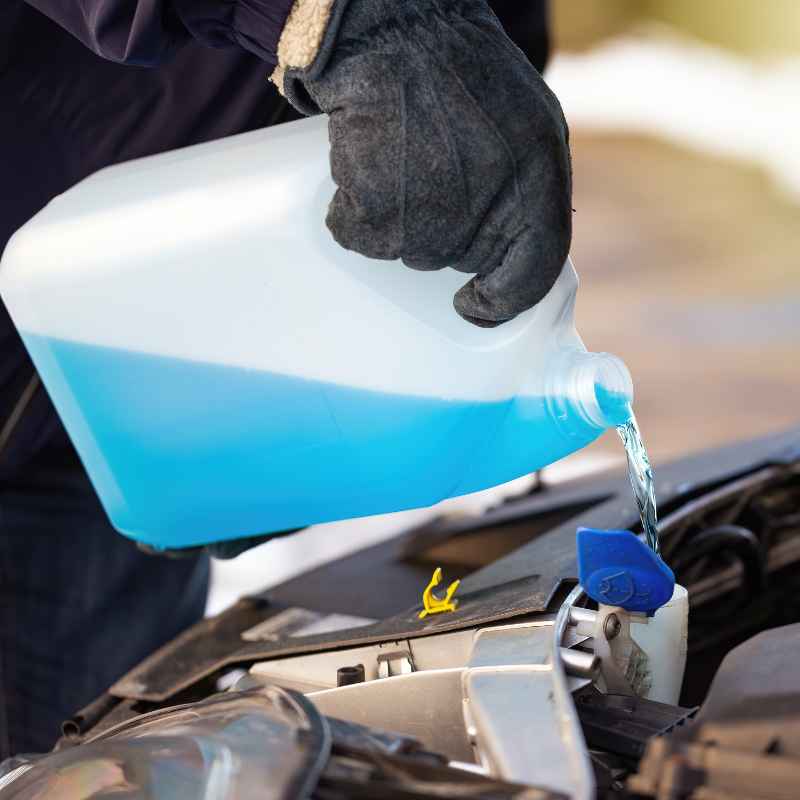
How Much Coolant Should I Put In My Car? Quick Answer
Understanding the right amount of coolant for your car is key to keeping your engine from overheating. Generally, the coolant level should be between the ‘MIN’ and ‘MAX’ marks on the overflow tank when the engine is cold. Check your owner’s manual for specifics. Too little or too much coolant can both cause problems.
What is Car Coolant and Why Does It Matter?
Coolant is like your car’s engine blood. It’s a mix of antifreeze and water. This liquid circulates through your engine.
It soaks up the heat the engine makes. Then, it carries that heat away. It takes this heat to the radiator.
The radiator is at the front of your car. Air blows through the radiator. This cools the coolant down.
Then, the cooled coolant goes back into the engine.
This cycle is super important. Engines get very hot when they run. Without coolant, the engine would get too hot very fast.
It could get damaged. This is called overheating. Overheating can lead to big, expensive repairs.
Coolant also stops the engine from freezing up in cold weather. Antifreeze has special chemicals. These stop the water from freezing.
They also stop it from boiling. So, coolant works in both hot and cold weather.
The right amount of coolant is key. It needs to be enough to do its job. But it shouldn’t be too much.
Both extremes can cause trouble. We’ll look at why this is. We’ll also see how to check it safely.
This is a common car care task. Knowing it helps you avoid breakdowns. It also saves you money on repairs down the road.
It’s about keeping your car running smoothly.
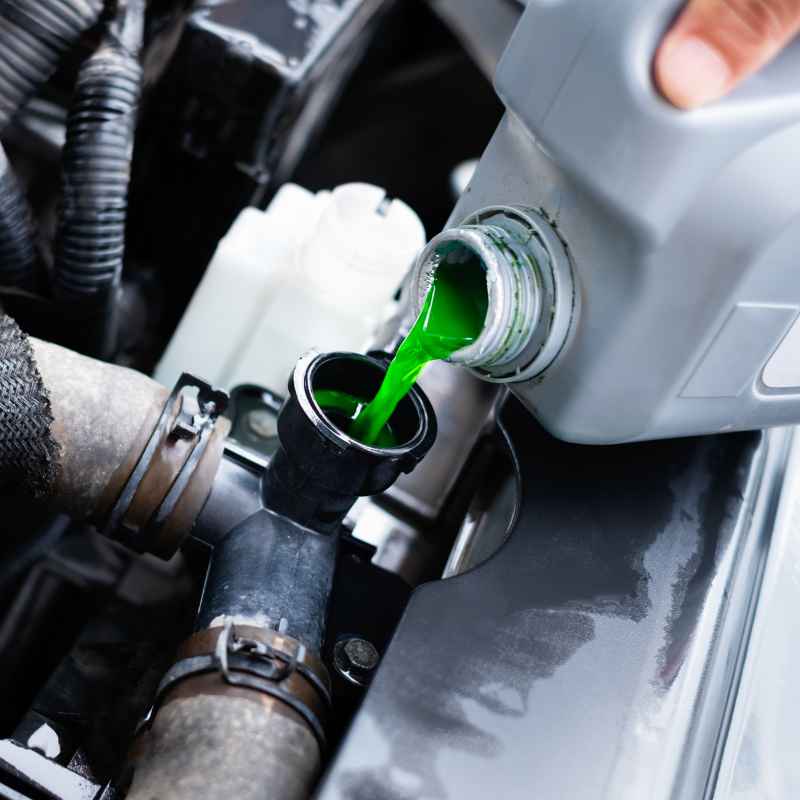
My Own Coolant Scare
I remember one sweltering August afternoon. I was driving back from visiting family. The heat outside was intense.
Suddenly, a bright red light flashed on my dashboard. It was the temperature warning light. My heart sank.
I’d been so careful about oil changes and tire pressure. But checking coolant? Honestly, it had slipped my mind for a while.
I felt a wave of panic. Was I going to be stranded?
I immediately pulled over to the side of the highway. I turned off the engine. The car was already running super hot.
I could smell something funny, like sweet burnt sugar. That’s a classic sign of a coolant leak. I waited for a good 20 minutes.
The car needed to cool down before I dared open the hood. When I finally did, I looked at the coolant reservoir. It was almost empty.
The markings were way below the minimum line. It was a clear sign that I hadn’t been paying enough attention. That day taught me a valuable lesson about proactive car care.
It’s better to check before a warning light forces you to.
Coolant Basics: What You Need to Know
What it is: A mix of antifreeze and water.
What it does: Keeps the engine from getting too hot or too cold.
Where it lives: In a sealed system, mostly in the engine and radiator.
Key function: Absorbs engine heat and dissipates it.
The Coolant Reservoir: Your Visual Guide
Most cars today have a clear or semi-clear plastic tank. This is the coolant reservoir. It’s usually located near the front of the engine.
You’ll often see a hose going from the radiator to this tank. This tank is where the extra coolant sits. It also collects coolant that expands when the engine gets hot.
When the engine cools down, the coolant contracts. It then gets pulled back into the main system from the reservoir.
Look closely at this reservoir. You will see lines or markings on the side. These are super important.
They usually say ‘MIN’ and ‘MAX’ or ‘COLD’ and ‘HOT’. These lines tell you the correct levels. The ‘MIN’ or ‘COLD’ line is the target.
This is when the engine is cool. The ‘MAX’ or ‘HOT’ line is the upper limit. This is when the engine is fully warmed up and the coolant has expanded.
It’s critical to check the coolant level when the engine is cold. Why? Because when the engine is hot, the coolant expands.
It takes up more space. If you fill it to the ‘MAX’ line when hot, it might be too full when cold. This can cause problems.
Always aim for the ‘MIN’ or ‘COLD’ mark when the car has been sitting for a few hours. This ensures you have the right amount for all operating temperatures.
Checking Your Coolant: A Step-by-Step Approach
- Park on a level surface. This is important for accurate readings.
- Let the engine cool completely. Wait at least 2-3 hours after driving.
- Locate the coolant reservoir. It’s a plastic tank near the radiator.
- Find the MIN/COLD and MAX/HOT lines. These are marked on the tank.
- Observe the coolant level. It should be between the MIN and MAX marks.
- Ideally, it should be near the MIN or COLD line when cold.
The Ideal Coolant Level: What’s “Just Right”?
So, how much coolant should you put in? The answer is simple: enough to reach the proper level mark. For most cars, when the engine is cold, the coolant level in the reservoir should be between the ‘MIN’ and ‘MAX’ lines.
It’s often best if it’s closer to the ‘MIN’ or ‘COLD’ line. This gives the coolant room to expand as the engine heats up.
Think of it like a sealed water bottle. If you fill it to the very top and then leave it in the sun, it can explode or leak. The liquid expands.
The same thing happens in your car’s cooling system. You need a bit of “air space” in the reservoir for expansion. If the coolant is too low, the system can’t effectively cool the engine.
This leads to overheating. If it’s too high, the excess coolant can be forced out. This might lead to leaks or system pressure issues.
The owner’s manual for your specific car is your best friend here. It will tell you exactly where the level should be. It will also tell you what type of coolant to use.
Using the wrong type can cause damage. Many modern cars use a specific color of coolant. This is often orange, pink, or green.
It’s important to match this color or type. Never mix different types of coolant.
Signs of Low Coolant
Your car will often tell you when something is wrong with the coolant level. You just need to know what to look for. The most obvious sign is the temperature gauge on your dashboard.
If it starts creeping up into the red zone, that’s a problem. It means the engine is getting too hot. This is usually due to not enough coolant.
Another common sign is a warning light. This might be a red thermometer symbol. It could also be a message on your display screen.
This light means your engine temperature is too high. Don’t ignore this! Pull over safely as soon as you can.
You might also notice steam coming from under the hood. This is a serious sign of overheating. It means the coolant is extremely hot.
It could even be boiling. If you see steam, turn off the engine immediately. Do not open the hood.
Wait for it to cool down completely. This can take a long time. You might also smell a sweet, syrupy odor.
This is the smell of coolant. It often means there’s a leak somewhere.
What to Do If You Spot Low Coolant
- Pull over safely. Turn off the engine.
- Let it cool down completely. This is very important for safety.
- Check the coolant reservoir. See if the level is below the MIN mark.
- Do NOT open the radiator cap when hot. It’s under pressure.
- Add the correct coolant type. Use a 50/50 mix of antifreeze and distilled water.
- Add it slowly to the reservoir. Aim for the COLD/MIN line.
- Get it checked by a mechanic. Low coolant often means a leak.
What Happens If Coolant is Too Low?
If your car’s coolant level is too low, your engine can’t do its job properly. It can’t get rid of excess heat. This causes the engine temperature to rise quickly.
Overheating is the main danger. An engine that overheats can suffer severe damage. This includes a blown head gasket or warped cylinder heads.
These kinds of repairs are very costly. We’re talking thousands of dollars. A simple check of your coolant level can prevent this.
Low coolant can also lead to rust and corrosion. This can happen inside the engine and radiator. The chemicals in coolant protect these parts.
If there’s not enough coolant, these protective chemicals are spread too thin. They can’t do their job. This means parts can break down faster.
In very cold weather, low coolant is also a big risk. The antifreeze part of the coolant protects the engine from freezing. If the mix is off, or the level is too low, the water in the system can freeze.
When water freezes, it expands. This can crack the engine block or the radiator. That’s a repair you definitely want to avoid.
Can You Put Too Much Coolant In?
Yes, you absolutely can put too much coolant in. While it might seem like “more is better,” it’s not true for coolant. If the reservoir is filled past the ‘MAX’ or ‘HOT’ line, especially when cold, it can cause problems.
When the engine heats up, the coolant expands. If there’s no room for this expansion, the excess pressure has to go somewhere.
This pressure can force coolant out of the system. It might push past seals and gaskets. This can lead to leaks.
You might see puddles of coolant under your car. The system might also build up too much pressure. This can damage hoses or even the radiator itself.
In some cases, a mechanic might need to drain some coolant to get it back to the right level.
It’s also about the mix. Coolant is a 50/50 mix of antifreeze and distilled water. If you add too much pure antifreeze, the mix is too strong.
Pure antifreeze has a higher freezing point than the 50/50 mix. But it doesn’t transfer heat as well. So, a too-strong mix can actually cause the engine to overheat in hot weather.
Always stick to the recommended 50/50 ratio. You can buy pre-mixed coolant. This makes it easy to get the right ratio.
Coolant Mix Matters: Antifreeze vs. Water
Why a mix? Pure water boils too easily and freezes too easily. Pure antifreeze doesn’t transfer heat well and can also freeze at very low temps.
The sweet spot: A 50/50 mix is best for most climates. It provides protection down to about -34°F (-37°C) and up to about 265°F (129°C) when the system is pressurized.
Extreme climates: In very cold areas, a 60/40 or 70/30 antifreeze-to-water ratio might be used. Check your manual.
Using pre-mixed: This is the easiest way to ensure the correct ratio.
How to Add Coolant Safely
Adding coolant is a task many people can do themselves. But safety is the number one priority. Never open the radiator cap when the engine is hot. The cooling system is under high pressure when hot.
Opening the cap can cause scalding hot coolant to spray out. This can cause severe burns.
Always wait for the engine to cool down completely. Once cool, locate the coolant reservoir. You’ll see the ‘MIN’ and ‘MAX’ lines.
If the level is below the ‘MIN’ line, you need to add coolant. Make sure you have the right type of coolant. Check your owner’s manual for this.
If you don’t have the correct type, you might need to get it. Pour the coolant slowly into the reservoir. Don’t overfill it.
Aim to bring the level up to the ‘MIN’ or ‘COLD’ mark.
If you need to mix your own coolant, use distilled water. Tap water can contain minerals. These can clog your cooling system over time.
Use a clean container. Mix equal parts antifreeze and distilled water. Again, if you’re unsure, buy the pre-mixed coolant.
After adding, close the reservoir cap tightly. Start the engine and let it run for a few minutes. Keep an eye on the temperature gauge.
Check the reservoir level again after the engine has cooled. You might need to top it off slightly.
When to Call a Mechanic
While checking and topping off coolant is often DIY-friendly, there are times you should call a mechanic. If you frequently find yourself adding coolant, it’s a sign of a leak. The system is supposed to be sealed.
If you’re adding it often, coolant is escaping somewhere. This could be a cracked hose, a faulty water pump, a bad radiator, or even a leak within the engine itself.
If you see a lot of coolant on the ground under your car, that’s another reason to see a pro. If the temperature gauge consistently runs high, even after you’ve topped off the coolant, there’s likely another issue. This could be a bad thermostat, a clogged radiator, or a problem with the cooling fan.
A mechanic has the tools and expertise to find the exact cause of the leak or overheating issue.
They can pressure-test the cooling system. This helps them find even small leaks. They can also diagnose other components of the cooling system.
Ignoring a slow leak or a persistent overheating problem can lead to much bigger, more expensive repairs down the line. It’s always better to get it checked out sooner rather than later. Your car’s longevity depends on it.
Common Coolant Types to Know
Inorganic Additive Technology (IAT): The older green coolant. Less common in new cars.
Organic Acid Technology (OAT): Often orange or pink. Longer life than IAT.
Hybrid Organic Acid Technology (HOAT): A mix, often yellow or blue. Combines benefits.
Specialty formulas: Some manufacturers use unique colors and formulas (e.g., Asian vehicles often use pink or red).
Always check your manual! Using the wrong type can cause serious damage.
Real-World Scenarios with Coolant Levels
Let’s look at a few everyday situations. Imagine you drive a lot in the summer heat. You might notice your temperature gauge gets a little higher than usual on really hot days.
This is normal expansion. But if it starts to go into the red, that’s not normal. It means your system might be low, or the fan isn’t working correctly.
On the flip side, what about winter? In very cold climates, if your coolant is too diluted, it could freeze. This is rare with modern antifreeze, but possible if it’s old or has been topped off with only water.
A frozen cooling system can cause catastrophic engine damage. That’s why maintaining the right mix is crucial year-round.
Another scenario: You just had some work done on your car. Maybe a hose was replaced. The mechanic should have refilled and bled the cooling system.
But sometimes, air can get trapped. This trapped air can cause the coolant level to drop over time. You might need to top it off a few times as the air works its way out.
But if it keeps dropping, a leak check is needed.
Coolant vs. Water: When is Water Okay?
NEVER use plain tap water long-term. Minerals can build up and clog your system.
For an emergency top-off ONLY: If you have absolutely no coolant and are stranded, a small amount of plain water might get you to a mechanic. But you MUST flush and refill with the correct coolant mix as soon as possible.
Distilled water is key: Always use distilled water if you are mixing your own coolant. It’s pure and won’t add minerals.
What This Coolant Level Means for Your Car’s Health
Understanding your coolant level is a direct window into your engine’s health. A properly filled cooling system means your engine is protected. It’s shielded from extreme temperatures, both hot and cold.
It means the internal parts of your engine are protected from rust and corrosion.
When the coolant level is correct, your engine runs at its optimal temperature. This is good for fuel efficiency. It’s also good for the lifespan of your engine.
It reduces wear and tear. A well-maintained cooling system means fewer unexpected breakdowns. It means you can rely on your car to get you where you need to go.
Conversely, a consistently low or incorrect coolant level is a red flag. It suggests underlying issues. These could be simple leaks, or they could be more serious internal problems.
Paying attention to the coolant level is a simple act of preventative maintenance. It’s one of the easiest ways to ensure your car stays reliable and safe. It’s a small effort for a big payoff in the long run.
Quick Tips for Coolant Management
Keep your owner’s manual handy. It’s your go-to for coolant type and capacity. Check your coolant level regularly.
Once a month is a good habit. Do it when the engine is cold. Make sure your car is on a level surface.
If you need to add coolant, use the correct type and a 50/50 mix with distilled water. If you see any leaks or notice your car overheating, get it checked by a mechanic right away. Don’t wait for small problems to become big ones.
Frequently Asked Questions About Car Coolant Levels
How often should I check my car’s coolant level?
It’s a good habit to check your coolant level at least once a month. You should also check it before long road trips, especially if you’ll be driving in extreme weather. This simple check can prevent many potential issues.
What happens if I mix different types of coolant?
Mixing different types of coolant can cause chemical reactions. These reactions can create sludge. This sludge can clog your cooling system.
It can also damage seals and gaskets. Always use the type of coolant recommended in your owner’s manual. If you’re unsure, consult a mechanic.
Can I use regular water if I’m out of coolant?
In an emergency, a small amount of plain water might get you to a repair shop. However, it’s not a long-term solution. Regular tap water contains minerals that can harm your cooling system.
Pure water also freezes and boils too easily. You must flush the system and refill with the correct coolant mix soon after.
What does the color of the coolant mean?
Coolant colors vary by type and manufacturer. Common colors include green, orange, pink, and yellow. The color is usually tied to the chemical additives used.
It’s crucial to use the correct color/type for your car, as indicated in your owner’s manual, rather than just matching the color.
Is it normal for the coolant level to rise when the engine is hot?
Yes, it’s normal for the coolant level to rise when the engine is hot. This is due to thermal expansion. The coolant is designed to expand into the reservoir.
The ‘MAX’ or ‘HOT’ line on the reservoir indicates the upper limit when the engine is fully warmed up.
How do I know if my car has a coolant leak?
Signs of a coolant leak include puddles of brightly colored liquid (usually green, orange, or pink) under your car, a sweet smell, steam from under the hood, or a constantly dropping coolant level in the reservoir. If you notice any of these, have your car inspected by a mechanic.
Final Thoughts on Coolant Levels
Keeping your car’s coolant at the right level is a fundamental part of car care. It’s not complicated, but it requires attention. Knowing how to check it, what to look for, and when to add more ensures your engine stays protected.
This simple habit saves you from costly repairs and keeps you safely on the road. Be sure to consult your car’s manual for specific details.
Products related to this article
Sponsored / affiliate links. As an Amazon Associate I earn from qualifying purchases. I may earn additional commission from eligible campaigns.