Is It Bad To Leave Your Car Running? What You Should Know
Leaving your car engine running unnecessarily wastes fuel and increases emissions. While modern cars are more robust, prolonged idling can still lead to component wear and higher operating costs. Understanding the nuances helps make informed decisions for your vehicle and the environment.
The Big Why Idling Matters
Leaving your car’s engine running when it’s not moving is called idling. It seems simple enough. The engine stays on.
You can drive off quickly. But there’s more to it than meets the eye. Idling uses fuel.
It also makes your car put out exhaust fumes. This happens even when the car isn’t going anywhere.
Think about it like this. Your car’s engine needs to burn fuel to work. When it’s idling, it’s burning fuel just to keep itself running.
This fuel doesn’t make the car move forward. It just keeps the parts moving. So, you’re spending money on gas for nothing.
This is true for both older cars and newer ones. While modern cars are built better, they still burn fuel when idling. The amount of fuel burned can add up over time.
It’s a small thing per minute. But over many minutes and many trips, it becomes significant.
My First Car Was a Gas Guzzler
I remember my first car. It was a beat-up old sedan. It felt like it took forever to warm up.
In the winter, I’d sit there for five minutes, maybe more. The windows would frost up. I thought leaving it run was the only way to get the heater going properly.
It felt like a necessary evil.
One particularly cold morning, I was in a rush. I had a really important meeting. I left the car running in my driveway.
I ran back inside for my forgotten briefcase. When I came out, the car was still running. But there was a strange smell in the air.
It was faint. But I noticed it.
I felt a pang of worry. Was something wrong? Was I hurting the engine by leaving it on for so long?
I dismissed it then. I had to get to work. But that feeling stuck with me.
It made me start to wonder about the real impact of idling.
Idling vs. Driving: A Quick Look
Idling: Engine runs, car stationary. Uses fuel. Produces emissions.
No distance covered.
Driving: Engine runs, car moves. Uses fuel. Produces emissions.
Covers distance.
The key difference is productive use of fuel. Driving uses fuel to go somewhere. Idling uses fuel to sit still.
Fuel Consumption During Idling
How much fuel does idling actually use? It’s not as much as you might think per minute. But it’s still wasted.
For most cars, idling uses about one-quarter to one-half gallon of fuel per hour. This number changes based on the car’s size and engine. Bigger engines use more.
Let’s do some quick math. If you idle for just 10 minutes a day, that’s about 1.6 gallons of fuel per week. Over a month, that’s nearly 7 gallons.
Over a year, that’s close to 90 gallons! At today’s gas prices, that’s a noticeable chunk of change.
So, even short periods of idling add up. Turning off your engine for a few minutes can save a good amount of gas. It’s a simple habit change with a financial benefit.
It also helps the environment. Less fuel burned means fewer fumes.
Fuel Cost Comparison (Estimated)
Scenario: 10 minutes idling per day, 5 days a week.
Gallons wasted per week: ~1.6 gallons
Gallons wasted per month: ~6.4 gallons
Gallons wasted per year: ~83 gallons
Estimated annual cost (at $3.50/gallon): ~$290
Note: This is a simplified estimate. Actual usage varies.
Emissions and Environmental Impact
When your car idles, it’s still producing exhaust. This exhaust contains pollutants. These include carbon monoxide, nitrogen oxides, and hydrocarbons.
These are not good for the air we breathe. They contribute to smog. They also can harm our health.
Governments and environmental groups often encourage reducing idling. Many places have laws or rules about how long a vehicle can idle. These rules are there for a reason.
Cleaner air benefits everyone. Reducing emissions is a shared goal.
Modern cars have advanced emission control systems. These systems work best when the engine is at its normal operating temperature. When an engine is cold and idling, these systems might not be as effective.
This means more pollutants can be released into the air.
Top Pollutants from Car Exhaust
- Carbon Monoxide (CO): A colorless, odorless gas that can be harmful in high concentrations.
- Nitrogen Oxides (NOx): Contribute to smog and acid rain.
- Hydrocarbons (HC): Unburned fuel that also forms smog.
- Particulate Matter (PM): Tiny particles that can affect respiratory health.
Engine Wear and Tear: The Real Story
This is where many people get concerned. Does idling actually hurt the engine? For most modern cars, the answer is: not significantly, if done in moderation.
However, there are some potential issues, especially with older vehicles or extreme idling habits.
When an engine idles, it runs at a lower temperature. This means it doesn’t reach its optimal operating temperature as quickly. Some moisture can build up inside the engine.
This moisture can mix with oil. It can form a sludge over time.
This sludge can clog small oil passages. It can reduce lubrication. This can lead to increased wear on engine parts.
Components like piston rings and cylinder walls can be affected. This is more of a concern for vehicles that do a lot of short trips with very little driving time.
Also, idling doesn’t allow the catalytic converter to heat up properly. The catalytic converter is a crucial part of the exhaust system. It converts harmful gases into less harmful ones.
It needs to be hot to work efficiently. Prolonged idling can prevent it from reaching this temperature.
Idling Concerns for Engine Health
- Fuel Dilution: Unburned fuel can enter the crankcase, thinning the oil.
- Moisture Buildup: Condensation can form, leading to sludge.
- Catalytic Converter Inefficiency: May not reach optimal temperature to work.
- Spark Plug Fouling: In some cases, excessive idling can lead to fouled spark plugs.
When is Idling Okay (or Necessary)?
While we’ve focused on the downsides, are there times when leaving your car running is fine? Yes, there are a few situations.
Short periods: If you’re just running into a store for a minute or two, turning the engine off and on again is usually best. But if it’s truly seconds, the impact is minimal. Some experts say if you’ll be stopped for less than 10-30 seconds, it might be easier on the car to leave it running.
Warming up in cold weather: This is a big one. Modern engines don’t need long warm-up times. You used to hear about 5-10 minute warm-ups.
Now, most mechanics say just 30 seconds to a minute is enough. This allows oil to circulate. Then, you can drive gently until the engine reaches normal temperature.
Long periods of idling in extreme cold are not ideal. But neither is driving a very cold engine hard. The best approach is a short idle, then gentle driving.
This helps the engine reach operating temp efficiently.
Heavy traffic: Sometimes, you’re stuck in traffic that barely moves. In these situations, it’s often more practical to let the car idle. Constantly stopping and starting can also be hard on a car.
You just have to weigh the fuel cost against the wear and tear from stop-and-go.
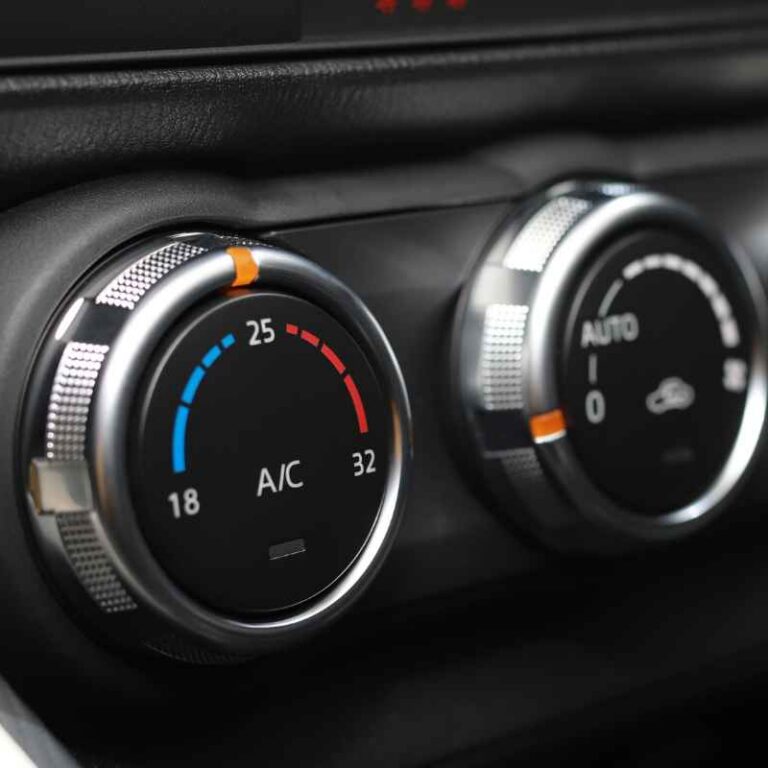
Powering accessories: If you need to run the air conditioning in extreme heat or the heater in extreme cold for a passenger, or if you need to charge a device, idling might be necessary. However, many cars can now power these accessories for a reasonable time with the engine off using battery power.
Situations Where Idling Might Be Acceptable
- Very brief stops (under 30 seconds): Turning off/on may cause more wear than short idle.
- Cold weather warm-up: A brief 30-60 second idle is often enough.
- Extended heavy traffic: When stopping and starting is constant.
- Powering essential accessories for passengers.
The Debate: Turn it Off vs. Leave it On
There are differing opinions on this topic. Some people swear by turning their car off for even a minute. Others say modern cars are built tough enough that it doesn’t matter.
The general consensus from most automotive experts is that for stops longer than 30 seconds to a minute, turning the engine off is better. This saves fuel and reduces emissions. For very short stops, the wear and tear of restarting the engine might be comparable to a brief idle.
However, constantly turning the engine on and off can also cause some wear on the starter motor and battery. It’s a trade-off. But the fuel savings and emission reduction from turning it off for longer periods usually outweigh the minor wear on the starter.
My own experience leans towards turning it off. I found that by making it a habit, it became automatic. Even if I’m just running in for a minute, I reach for the ignition.
It feels like a small victory for my wallet and the planet.
Real-World Habits and Their Impact
Let’s think about common scenarios. You pull up to a drive-thru window. You’re waiting for your food.
Do you turn the car off? Many people don’t. They might be there for 2-5 minutes.
You’re waiting to pick someone up. You’re parked on the side of the road. You’re on your phone.
The engine is running. You might be there for 10-15 minutes. That’s significant idling time.
Consider delivery drivers. They often spend a lot of time in their vehicles, making many short stops. For them, turning the engine off and on repeatedly could add up.
Some might choose to idle to keep the cabin comfortable or for quick access to electronics.
Fleet managers often look at fuel efficiency. They might implement strict anti-idling policies. This is because idling costs them a lot of money.
It also affects their company’s environmental footprint.
Common Idling Habits (and alternatives)
Scenario: Drive-thru pickup (2-5 minutes)
Common Habit: Car idles.
Better Alternative: Turn engine off. Restart when ready.
Scenario: Waiting to pick someone up (10-15 minutes)
Common Habit: Car idles.
Better Alternative: Turn engine off. Consider parking if safe.
Scenario: Cold morning warm-up (5+ minutes)
Common Habit: Long idle to warm car.
Better Alternative: 30-60 second idle, then drive gently.
Impact on Specific Car Parts
While the general engine wear from moderate idling isn’t usually a big issue for newer cars, some parts might be more affected by prolonged idling.
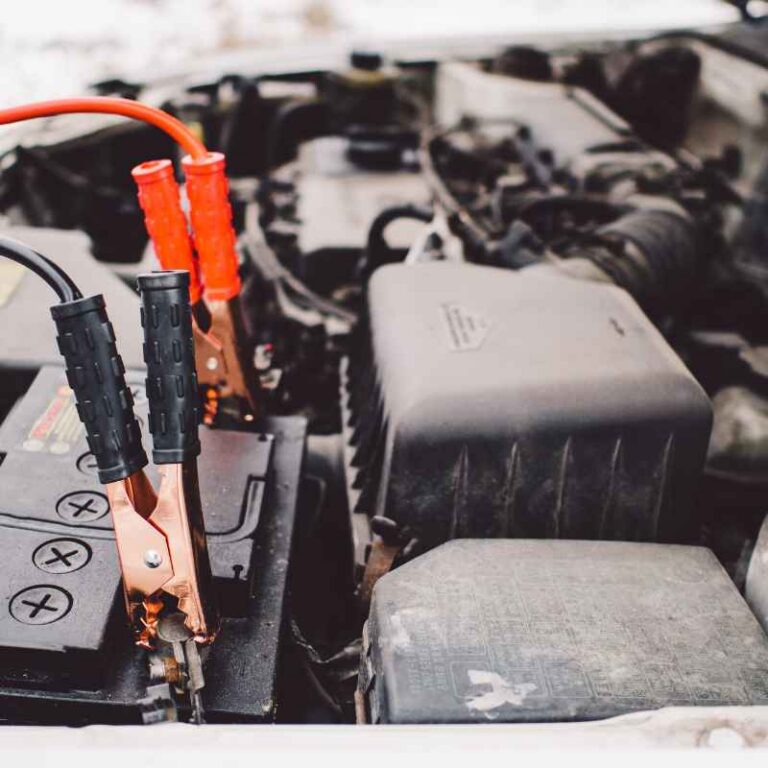
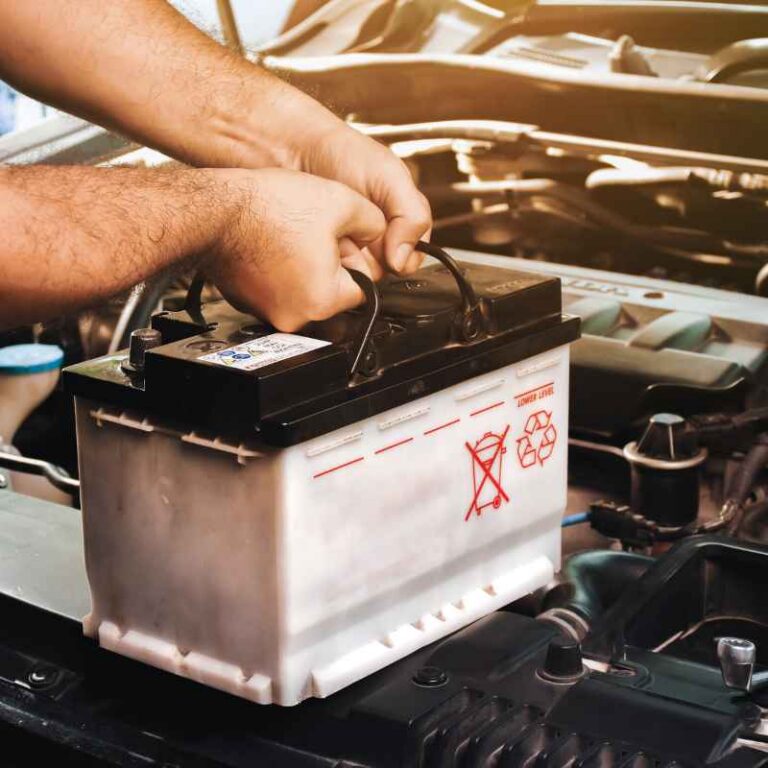
Battery: An idling engine generates less electricity than a driving engine. If you’re running accessories like lights, AC, or a stereo for a long time while idling, you’re draining the battery faster. If the battery isn’t fully recharged, it can shorten its lifespan.
Exhaust System: As mentioned, the catalytic converter needs heat to work. If it’s constantly not getting hot enough, it can become less efficient. Over very long periods, this could potentially lead to issues, though it’s rare for it to cause permanent damage from normal driving habits.
Oil System: Sludge formation is the main concern here. If you have an older car or don’t change your oil regularly, extended idling can make this problem worse. Using the correct type of oil and changing it on schedule is crucial.
Sensors: Modern cars have many sensors that monitor engine performance and emissions. These sensors rely on the engine operating within a specific temperature range. Prolonged idling might provide readings that are outside the ideal range for some sensors, though usually, they’re designed to handle variations.
Myth vs. Reality: Idling Myths
Myth: You must idle your car for 10 minutes to warm it up in winter.
Reality: 30-60 seconds is usually sufficient. Drive gently afterward.
Myth: Leaving your car running prevents engine damage.
Reality: Modern engines are designed for on-off use. Excessive idling can cause issues.
Myth: Idling doesn’t waste much gas.
Reality: It wastes a significant amount over time, adding up to hundreds of dollars a year.
What This Means for You: Making Smart Choices
So, what’s the takeaway? For most drivers, the best practice is to turn off your engine if you’re going to be stopped for more than 30 seconds to a minute.
When it’s normal: A brief idle is fine. For example, if you’re waiting for a traffic light to change, you’re not going to turn the car off. Or if you’re pulling up to a stop sign and expect to be there for only a few seconds.
When to worry: If you consistently leave your car idling for 5, 10, or more minutes at a time, you’re wasting fuel and increasing emissions. If you have an older car, this could also contribute to internal engine issues over the long term.
Simple checks: Pay attention to how long you’re stopped. Make it a habit to turn the engine off if you’re waiting for someone, for a drive-thru order, or for any significant pause. You’ll save money and help the environment.
Consider the climate. In very hot or very cold weather, it can be tempting to leave the car running for comfort. However, a minute or two of idling followed by gentle driving is usually a better compromise than extended idling.
Quick Tips for Reducing Unnecessary Idling
Making a change in habit can be tricky. Here are some ways to help you remember to turn off your engine.
- Set a timer reminder: If you find yourself idling too long, set a quick timer on your phone for 1 minute. When it goes off, turn off the engine.
- Associate it with actions: Link turning off the engine with specific actions. For example, “When I park at the curb to wait, I turn off the engine.” Or, “When I pull up to the ATM, I turn off the engine.”
- Visualize the savings: Imagine the extra money you’ll have in your pocket or the cleaner air you’re contributing to.
- Lead by example: If you have passengers, especially children, explain why you’re turning the car off.
- Maintain your car: Ensure your battery and starter are in good condition. This reduces the worry about wear from frequent restarts.
Frequently Asked Questions
Is it bad to leave your car running overnight?
Yes, it is generally bad and unnecessary to leave your car running overnight. It wastes a large amount of fuel, creates significant emissions, and can lead to carbon monoxide buildup in enclosed spaces like garages. Modern cars do not need to be “warmed up” by running them for extended periods.
How long can I idle my car before it’s bad?
For most modern cars, idling for less than 30 seconds to a minute is generally not harmful. If you plan to be stopped for longer than that, it’s usually better to turn the engine off. Excessive idling for many minutes at a time is not recommended.
Does idling hurt the environment?
Yes, idling significantly hurts the environment. While the engine is running, it’s burning fuel and releasing pollutants into the air. These pollutants contribute to air pollution, smog, and greenhouse gas emissions, which impact climate change and public health.
Will turning my car off and on repeatedly damage the engine?
For modern cars, the wear and tear on the starter and battery from turning the engine off and on repeatedly is usually minimal. The fuel savings and reduced emissions from avoiding unnecessary idling typically outweigh this minor wear. It is generally recommended to turn off the engine for stops longer than a minute.
Does my car need to warm up in cold weather?
Modern cars do not need long warm-up periods. You should let the engine run for about 30 to 60 seconds to allow oil to circulate. After that, drive gently at low speeds until the engine reaches its normal operating temperature.
This is more effective than prolonged idling.
What is the best idle time limit recommended by car experts?
Most automotive experts recommend turning off your engine if you anticipate being stopped for longer than 30 seconds to one minute. This allows for fuel savings and reduced emissions without causing significant wear on the starter or battery.
Conclusion
Deciding whether to leave your car running is more than just a convenience. It’s about making informed choices for your car’s health, your wallet, and the air we all share. By understanding the simple mechanics of idling, you can develop habits that are both practical and responsible.
Turning off your engine for longer stops is a small action with a big impact.
Products related to this article
Sponsored / affiliate links. As an Amazon Associate I earn from qualifying purchases. I may earn additional commission from eligible campaigns.