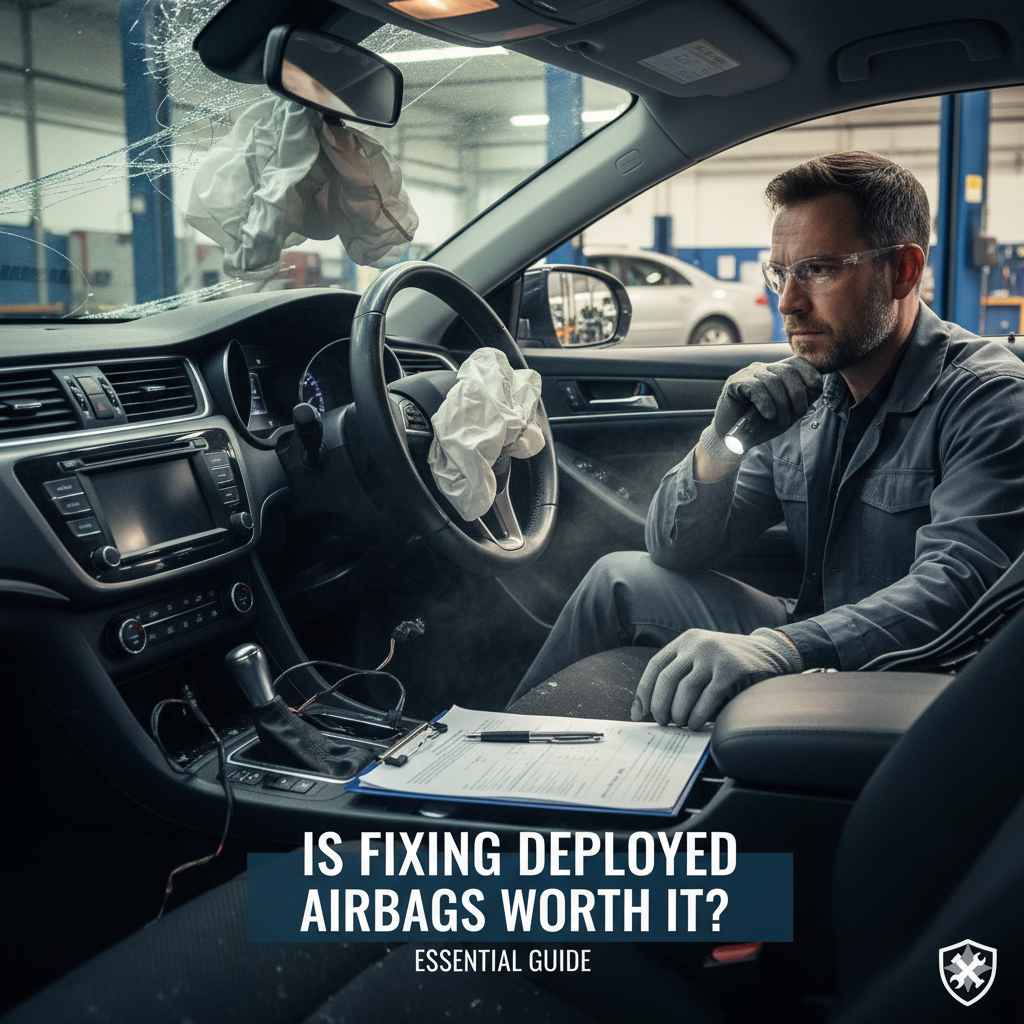
Is Fixing Deployed Airbags Worth It? Essential Guide
Fixing a car with deployed airbags can be a smart financial decision if done correctly, especially for minor deployments. However, it’s not always straightforward and requires careful consideration of safety regulations, repair costs, and vehicle value to ensure it’s worthwhile and safe.
Oh no, did your car’s airbags deploy? Seeing those bags burst out can be startling, and then comes the big question: “Is it worth fixing a car with deployed airbags?” It’s a common worry for many car owners after an accident. You might be tempted to think the car is a write-off, but that’s not always the case. This guide is here to walk you through everything you need to know in simple terms. We’ll help you understand the costs, the safety side of things, and whether it’s a good idea to get your car back in shape.
Understanding Deployed Airbags: What Happens Next?
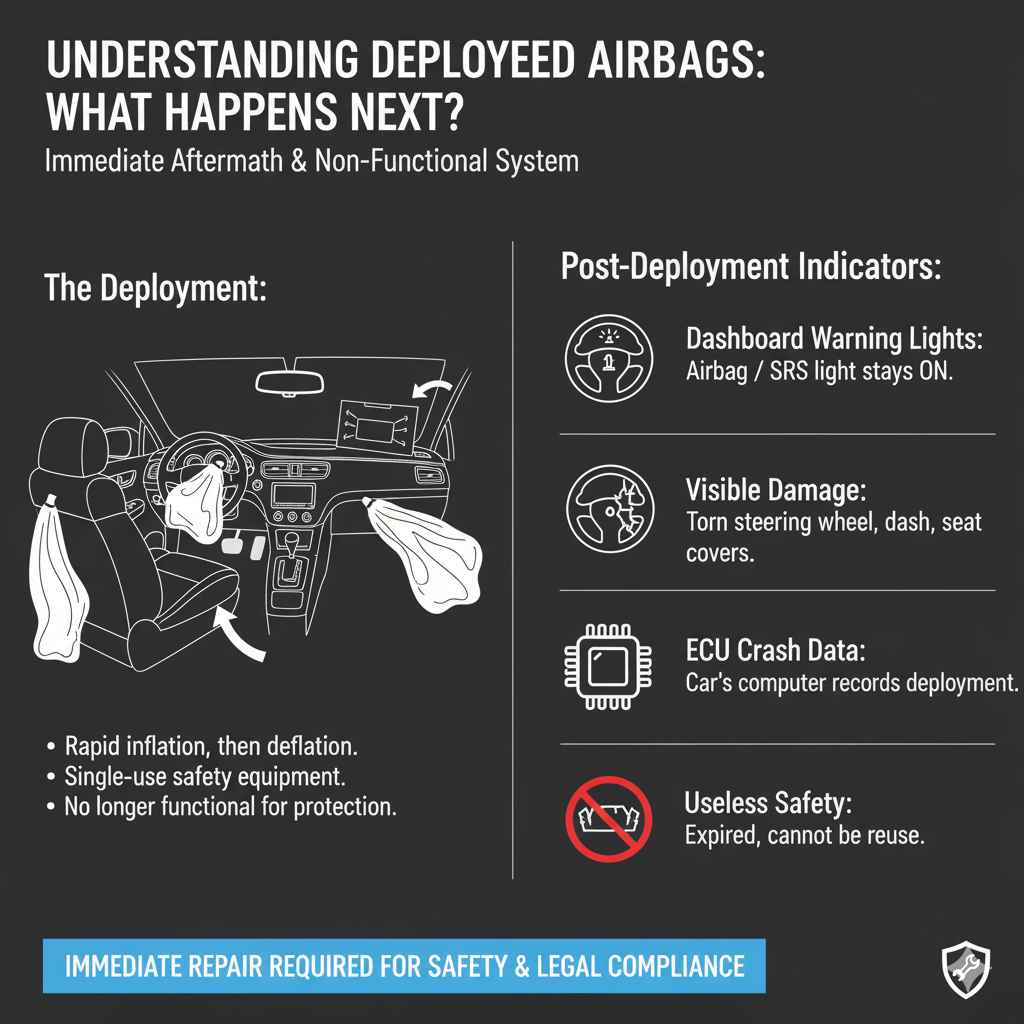
When your car experiences a significant impact, sensors trigger the airbag system. For safety, the airbags inflate rapidly and then deflate just as quickly. This is a one-time event for each airbag. Once deployed, they are no longer functional and essentially become useless safety equipment. Think of them like expired fire extinguishers – they did their job, but they can’t do it again.
After deployment, you’ll notice several things:
- The airbags themselves will be out and deflated.
- Warning lights on your dashboard, like the airbag or SRS (Supplemental Restraint System) light, will illuminate and stay on.
- The steering wheel, dashboard cover, seat covers, or other trim pieces where airbags are housed will likely be damaged or torn.
- The car’s computer (ECU) that controls the airbag system will have recorded the deployment event.
Why Fixing Deployed Airbags Matters
The most obvious reason to fix deployed airbags is safety. Airbags are a critical component of your car’s safety system, designed to protect you and your passengers in a future collision. Driving a car with non-functional airbags is like driving without seatbelts – it significantly increases the risk of serious injury or worse in another accident.
Beyond safety, there are practical considerations:
- Legal Requirements: In many places, driving a vehicle with known safety defects, including undeployed or deployed airbags, can be illegal and may prevent you from passing inspections.
- Vehicle Value: A car with deployed airbags and the associated damage will have a significantly lower resale value. Fixing them can help restore some of that lost value.
- Preventing Future Issues: A faulty airbag system can sometimes affect other vehicle functions or trigger persistent warning lights that can be distracting and annoying.
Is it Worth Fixing a Car with Deployed Airbags? The Key Factors
Deciding whether to fix a car with deployed airbags involves weighing several important factors. It’s rarely a simple yes or no answer. Here are the main things to consider:
1. The Cost of Repair vs. Vehicle Value
This is often the biggest deciding factor for most owners. The cost to replace deployed airbags, repair the associated trim, and reset the airbag control module can be substantial. You need to compare these repair costs against the current market value of your car.
Component Costs:
- Airbag Modules: These are the actual airbags. Prices vary widely depending on the vehicle’s make, model, and the number of airbags deployed (e.g., driver, passenger, side curtain, knee airbags).
- Trim Pieces: The steering wheel cover, dashboard panels, and pillar covers that house the airbags will need replacement or repair.
- Airbag Control Module (ECU): When airbags deploy, the ECU records the incident and often needs to be replaced or reprogrammed.
- Sensors and Wiring: Sometimes, impact sensors or their wiring harnesses can be damaged and require replacement.
- Labor: This is a significant part of the cost. Professional installation and diagnostic testing are crucial for safety.
Estimating Repair Costs:
- DIY vs. Professional: For beginners, tackling airbag replacement is generally not recommended due to safety concerns and the specialized knowledge required. However, if you’re an experienced DIYer with access to the right tools and information, you might save on labor.
- Dealership vs. Independent Shop: Dealerships will typically be the most expensive option but offer OEM (Original Equipment Manufacturer) parts and certified technicians. Independent shops can offer competitive pricing, but ensure they have experience with airbag systems.
- Used Parts: Sourcing used airbags and trim from salvage yards can significantly reduce costs. However, it’s crucial to ensure these parts are from a reputable source and haven’t been damaged or tampered with. Be aware that airbags are considered hazardous materials, and their transport and installation have regulations.
Vehicle’s Market Value:
Use online resources like Kelley Blue Book (KBB), Edmunds, or personal classifieds to get an idea of your car’s value before the accident and its estimated value after repairs. If the repair cost is more than 50-75% of the car’s pre-accident market value, it might be considered a total loss by insurance companies, and fixing it yourself might not be economically sensible.
2. The Extent of Damage
Was it just the driver’s airbag, or were multiple airbags and other components damaged?
- Minor Deployment: If only one or two airbags deployed and other structural or mechanical damage is minimal, fixing the car is more likely to be worthwhile.
- Major Deployment: If the impact was severe enough to deploy many airbags, it’s possible there’s underlying structural damage that wasn’t immediately apparent. This can add significantly to repair costs and compromise the car’s integrity even after airbag replacement.
3. Safety and Reliability Concerns
This is non-negotiable. Airbags are life-saving devices. If they are not replaced correctly, they might not deploy when needed, or worse, deploy erratically.
- Importance of Proper Installation: Replacing an airbag system involves more than just swapping parts. The airbag control module needs to be reset or replaced to clear the fault codes and acknowledge the new components. Incorrect installation can lead to the airbags not working at all, or even deploying unexpectedly.
- Trustworthy Mechanics: It’s vital to use a qualified mechanic or shop with proven experience in airbag repair. They will have the correct diagnostic tools to ensure the system is functioning perfectly. Organizations like NHTSA (National Highway Traffic Safety Administration) provide valuable information on airbag safety and recall information.
- Aftermarket vs. OEM Parts: While aftermarket parts might be cheaper, it’s generally recommended to use OEM or equivalent quality parts for safety-critical systems like airbags to ensure they function as designed.
4. Your DIY Skill Level and Resources
Are you comfortable working on cars? Do you have access to tools and a safe workspace? Airbag replacement can be complex and potentially dangerous if not handled with extreme care. The compressed gas charges in new airbags can cause injury if mishandled.
For beginners: It’s safest to leave airbag replacement to the professionals. The cost of professional repair is an investment in your safety.
For experienced DIYers: If you have the skills, tools, and confidence, you might consider sourcing parts yourself and performing the replacement. However, always research your specific vehicle model thoroughly. Resources like service manuals or reputable online automotive forums can be invaluable. Remember, even experienced DIYers should have the system professionally diagnosed and cleared afterward.
The Process of Fixing Deployed Airbags (Simplified)
If you decide to proceed with fixing your car, here’s a general overview of what’s involved. Remember, if you’re not doing this yourself, your mechanic will handle these steps.
Step 1: Assessment and Diagnosis
A qualified technician will inspect all deployed airbags and related trim. They’ll also connect diagnostic tools to read codes from the airbag control module.
Step 2: Sourcing Replacement Parts
This is where you or your mechanic will find new or used (but certified and reliable) airbags, dashboard covers, steering wheel covers, and any other damaged components. The airbag control module may also need to be replaced or specifically reset.
Step 3: Replacement of Components
- The old, deflated airbag modules are removed.
- Any damaged trim pieces (steering wheel cover, dashboard panels) are replaced.
- New airbag modules are carefully installed.
- New or repaired sensors and wiring harnesses are connected if necessary.
Step 4: Airbag Control Module Reset or Replacement
The airbag control module is a crucial part of the SRS system. Once new components are installed, this module often needs to be reprogrammed or replaced to clear the “deployment event” data. This ensures the system recognizes the new airbags and can function correctly. Diagnostic tools are essential here.
Step 5: Testing and Verification
After all parts are replaced and the module is handled, the system is tested. Diagnostic tools are used to ensure all warning lights are off and that the system is communicating properly with all sensors and deployed components. A test drive might also be part of the verification process.
Costs: Averages and What to Expect
The cost to fix deployed airbags can be quite variable. It depends heavily on the car’s make and model, the number of airbags deployed, and whether you use OEM parts, aftermarket parts, or used parts. Labor rates also differ by location and shop.
Here’s a general idea, but always get specific quotes:
| Repair Item | Estimated Cost Range (USD) | Notes |
|---|---|---|
| Driver’s Airbag Module | $200 – $600 | Can be higher for luxury vehicles. |
| Passenger Airbag Module | $300 – $800 | Often more expensive than the driver’s side. |
| Side/Curtain Airbags (each) | $250 – $700 | Installation can be complex due to headliner access. |
| Steering Wheel Cover / Dashboard Panel | $100 – $500+ | Depends on material and vehicle complexity. |
| Airbag Control Module (ECU) | $300 – $1000+ | For replacement; reprogramming might be less. |
| Labor (per airbag/component) | $100 – $400 | Diagnostic and installation time. |
| Total Estimated Cost (Minor Deployment) | $800 – $2,500 | For 1-2 airbags and basic trim. |
| Total Estimated Cost (Moderate Deployment) | $2,000 – $5,000+ | For multiple airbags, potentially ECU, and trim. |
Important Note: These are rough estimates. Get actual quotes from mechanics. For luxury or high-performance vehicles, these costs can easily double or triple.
DIY vs. Professional Repair: Making the Choice
This is a critical decision point.
When DIY Might Be Considered (with extreme caution):
- You have significant automotive experience: You’re not a beginner and have worked with complex electrical systems before.
- You have the right tools: This includes specialized diagnostic tools capable of interacting with SRS modules.
- You can source reliable parts: This means understanding which salvaged parts are safe and appropriate.
- Your vehicle is older and has low market value: The potential savings from DIY might justify the risk.
- You fully understand the risks: You accept that improper installation could lead to serious injury in a future accident.
When Professional Repair is Essential:
- You are a beginner or have limited mechanical experience.
- Safety is your absolute top priority. Airbags are safety-critical.
- You want peace of mind. A professional guarantees their work.
- Your vehicle is newer or high-value. Protecting your investment is key.
- You lack specialized tools or a proper repair manual for your specific vehicle.
- You are unsure about the extent of the damage. A pro can identify hidden issues.
For most car owners, especially those who aren’t seasoned mechanics, opting for professional airbag repair is the safest and most sensible route. The cost is an investment in your safety and the reliable functioning of your vehicle.
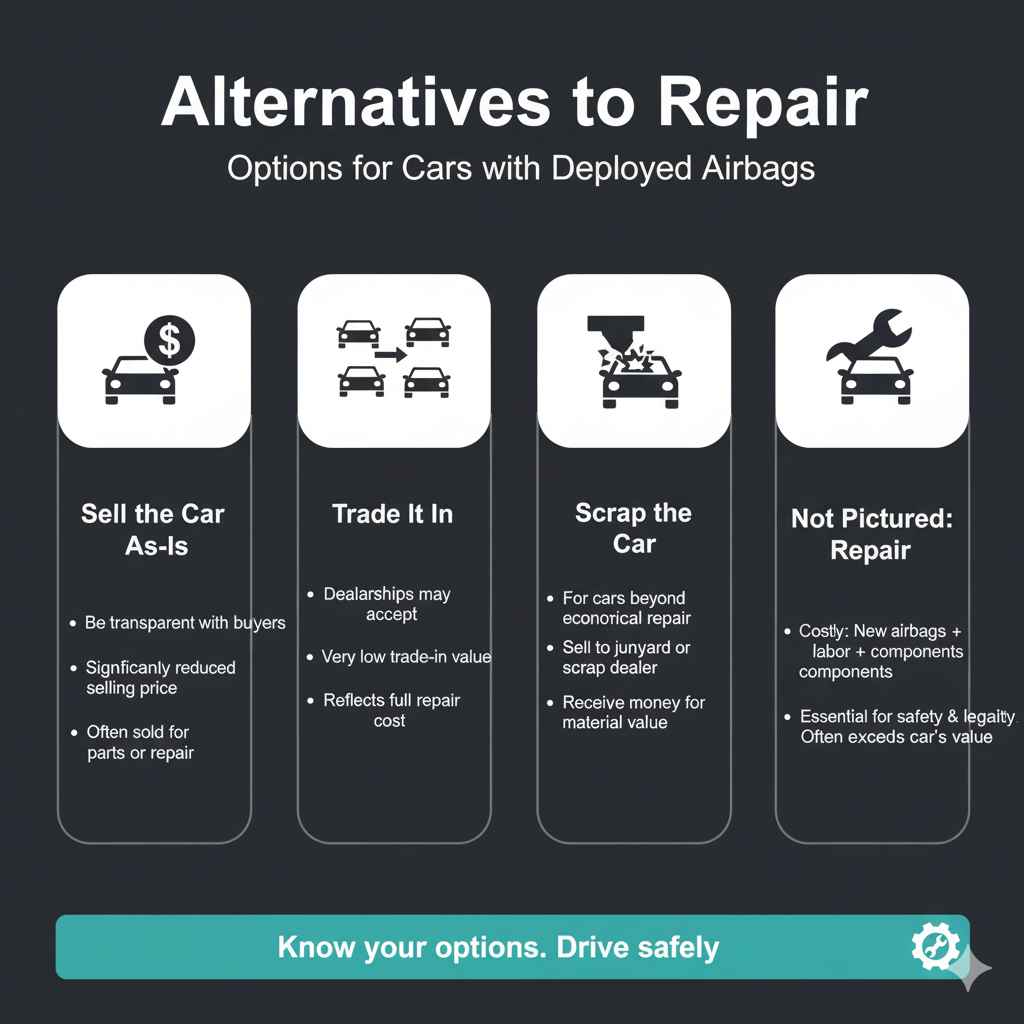
Alternatives to Repair
If the repair costs are too high for your liking or exceed the car’s value, you have a few other options:
- Sell the car as-is: You can sell a car with deployed airbags, but you must be transparent with potential buyers about the condition. This will significantly reduce the selling price. You’ll need to clearly state it’s for parts or repair.
- Trade it in: Some dealerships might accept a car with deployed airbags as a trade-in, but they will offer a very low value, reflecting the cost of repair.
- Scrap the car: If the car is beyond economical repair or you don’t want the hassle of selling it, you can sell it to a junkyard or scrap metal dealer for its material value.
Frequently Asked Questions (FAQ)
Q1: Can I just ignore the deployed airbags and the warning light?
A: No, you absolutely should not. The airbag warning light means your car’s Supplemental Restraint System (SRS) is not functioning correctly. In a future accident, your airbags might not deploy, putting you and your passengers at serious risk. It’s also often illegal to drive with such safety system warnings.
Q2: Are used airbags safe to install?
A: Used airbags can be safe if sourced from a reputable salvage yard that specializes in automotive parts and can certify their condition and origin. However, there’s always a higher risk compared to new OEM parts. They must be handled and installed by trained professionals who understand their specifications and potential hazards.
Q3: How long does it take to fix deployed airbags?
A: The repair time can vary. Replacing the airbags and trim might take a few hours. However, sourcing parts, diagnostic testing, and reprogramming the airbag control module can add significant time. A typical repair might take anywhere from half a day to two full working days, depending on part availability and the shop’s schedule.
Q4: Will fixing deployed airbags affect my car’s inspection?
A: Yes, in most jurisdictions. A functioning airbag system is a safety requirement. If your airbag warning light is on, your car will likely fail a safety inspection or emissions test. Repairing the system is necessary to pass these checks.
Q5: Can I reset the airbag light myself without replacing anything?
A: Generally, no. The airbag light comes on because the system has detected a fault – in this case, a deployed airbag. While some advanced diagnostic tools can clear codes, they will typically reappear if the underlying issue (the deployed airbag) isn’t fixed. Attempting to simply clear the code without replacing the deployed airbags is dangerous and ineffective.
Q6: What is the airbag control module, and why does it need fixing?
A: The airbag control module (or ECU – Electronic Control Unit) is the “brain” of the airbag system. When an accident triggers airbag deployment, the module records this event and stores crucial data. For the system to be fully functional again, this module needs to be reprogrammed with new software or entirely replaced to recognize the new airbags and clear the recorded deployment data.
A Final Word: Safety First, Always
Deciding to fix a car with deployed airbags is a significant decision. It involves weighing repair costs against your vehicle’s value, but the most important factor is always safety. Airbags are not just pieces of fabric; they are vital components designed to save lives.
If the repairs are financially viable and you get them done by reputable professionals using quality parts, fixing your car can be a worthwhile endeavor, giving you a safe and reliable vehicle. However, if the cost is prohibitive or the damage is extensive, exploring other options like selling the car as-is or scrapping it might be the more practical choice. Whatever you decide, prioritize safety. Never compromise on your well-being or the well-being of others by driving a car with a compromised safety system. If you have doubts, always consult with a trusted automotive professional.