3 Best Wiring Harnesses for Car Stereo (2026): We Compared
Pick the best car stereo adapter by matching the radio architecture first: ISO for universal aftermarket units, Android 16-pin for many Android head units, or a vehicle-specific factory plug if you need plug-and-play fitment. The wrong adapter can block power, cut speaker output, or disable amplifier and steering-wheel control functions. This guide compares three adapter types, explains compatibility, and shows which one fits your system and install goals.
Quick comparison
| Product | Badge | Best for | Price | ||
|---|---|---|---|---|---|
 |
8+8Pin Universa ISO Car Radio Wiring Harness, Android CarWildTundra | Our pick | 8+8Pin ISO · $6.99 · Universal | $6.99
Price as of 25 Oct 2026
|
View |
 |
Metra 70-1817 Radio Wiring Harness for Chrysler/JeepMetra | Also great | 8+8Pin · $7.99 · Chrysler/Jeep | $7.99
Price as of 25 Oct 2026
|
View |
 |
Zenoruslky 16PIN to 24PIN Android Stereo Wiring Harness forzenoruslky | Also great | 16-to-24Pin · $12.34 · Ford/Lincoln | $12.34
Price as of 25 Oct 2026
|
View |
 |
KEBAOLER Wire Harness for Alpine Replacement 16pin StereoKEBAOLER | Also great | $9.99
Price as of 25 Oct 2026
|
View |
The key trade-off is simple: the connector style matters more than the brand name. Universal ISO works well for many aftermarket radios, Android 16-pin matches the socket on many Android head units, and vehicle-specific plugs fit factory systems with the least trimming and guesswork.
Start with the system architecture, then check amplifier, antenna, and steering-wheel control needs. That order avoids the most common failure cases: no sound, dead buttons, or a radio that powers on but cannot talk to the vehicle correctly.
How we chose
Compatibility came first. The buying guide centers on make, model, year, connector type, and audio system, with 8-pin versus 16-pin checks called out explicitly.
We also weighed amplifier retention, steering-wheel control needs, and the extra parts that often get missed, especially antenna adapters. Install difficulty mattered too, because a simple connector swap is not the same as a system with data lines or a factory amp.
Finally, we separated three distinct harness paths instead of treating all universal looms as interchangeable. That split is the difference between a clean install and a radio that powers up but does not behave correctly.
Universal ISO harness: best for aftermarket head units
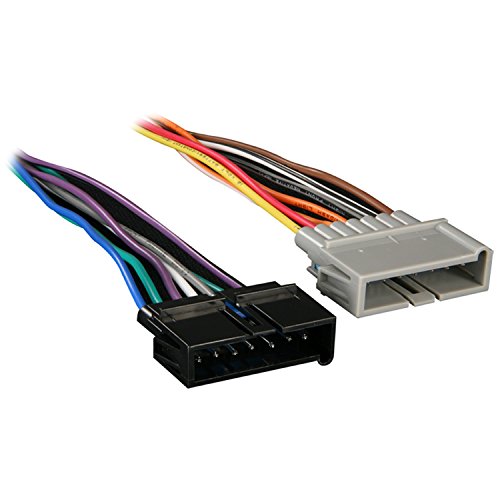
WildTundra’s 8+8Pin universal ISO harness is the right starting point when your aftermarket radio uses standard ISO power and speaker plugs. It is aimed at universal aftermarket installs, including Android car stereos, and it matches power and speaker wires without requiring a vehicle-specific factory adapter.
This style works when the head unit already expects ISO wiring and you want a simpler bench-to-dash connection. The pre-stripped, color-coded leads and included butt connectors can shorten the prep work, and the included steering-wheel control leads may help in some systems.
The drawback is also its strength: it is universal, not a fix for every layout. If your car uses a factory-specific plug, an amplified system, or a data-based audio layout, you may still need extra interfaces, and the harness alone will not preserve every factory feature.
When ISO fits cleanly
ISO is the cleaner match when the aftermarket radio and the car side both speak the same language. That usually means standard power, ground, ACC, and speaker lines with no special factory amp or data module in the way.
It is a practical fit for many DIY installs because the connector logic is straightforward. It also works well when you are replacing an older unit and do not need to keep advanced factory functions.
Where ISO falls short
ISO can miss the mark on vehicles with factory amplification, non-ISO plugs, or data-driven integration. In those cases, the radio may power up but produce no sound, partial sound, or incorrect speaker pairing.
It is also the wrong first choice if your vehicle requires a specific factory connector shape. Connector count alone does not guarantee compatibility.
Android head unit harness: best for 16-pin installs
KEBAOLER’s 16-pin stereo plug is the better fit when the head unit uses a 16-pin socket and you want a direct replacement lead. That makes it a sensible choice for many Android head units and in-dash navigation units that depend on a 16-pin wiring block rather than ISO.
The main advantage is socket match. A true Android head unit harness typically gives you pre-stripped cables for power, ground, ACC, and speaker lines, which reduces confusion when the radio harness is built around its own connector family.
The drawback is that 16-pin compatibility does not solve vehicle-side compatibility by itself. If the car side still needs a factory plug adapter, an antenna lead, or a steering-wheel control interface, the 16-pin harness is only one part of the install.
16-pin socket compatibility
Use a 16-pin harness only when the head unit’s socket calls for it. A 16-pin plug does not replace the need to match the vehicle side correctly.
This is where many buyers get tripped up: the radio end and the car end are separate problems. Both must fit.
Pre-stripped leads and wire functions
Android harnesses often rely on labeled, pre-stripped leads for the basic circuits: power, ground, ACC, and speaker lines. That makes them easier to terminate cleanly, especially when the head unit ships with a specific harness block.
Keep in mind that a neat wire bundle is not the same as full vehicle integration. Factory amp control, steering-wheel buttons, and antenna control may still need separate parts.
Vehicle-specific factory plug: best for plug-and-play replacements

Metra 70-1817 is a vehicle-specific plug for Chrysler and Jeep applications from 1984 to 2006. It is designed to connect an aftermarket stereo adapter to the factory plug, so it is the closest thing to a straightforward replacement when the dash expects a matching connector.
Its color-coded leads and plug-and-play layout are the big appeal. That makes it easier to keep the install tidy without cutting or splicing factory wires, which is exactly what many DIY buyers want from a factory-style adapter.
The drawback is fitment scope. It is not a universal solution, and it only helps where the factory connector family matches the vehicle it is built for.
Metra 70-1761 for Toyota fitment
Metra 70-1761 is positioned for Toyota vehicles from 1987 and up. It supports four speakers and sits in the under-$20 price band, commonly listed around $15 to $20, which makes it a practical factory-fit option for older Toyota installs.
Its strength is the same as any good vehicle-specific harness: the plug shape and wire map are already aligned to the car family. That cuts down on guesswork when you want an aftermarket radio to behave like a clean replacement.
Scosche FDK11B for amplified Ford applications
Scosche FDK11B fits select 2003 to 2012 Ford, Lincoln, and Mercury vehicles and is designed for amplified systems. That matters because amplified factory audio is where a generic harness often falls short first.
This harness uses pre-terminated butt connectors and color-coded wires, which simplifies the physical splice points. One comparison page lists it at $10.99, but the more important detail is system fit: it is aimed at factory amplified layouts, not generic non-amp vehicles.
Factory plug variants
Factory stereo plugs are not all the same. Some carry only power and speaker wires, while others include power, speaker, and data lines that interact with vehicle modules.
Many vehicle-specific plugs use 8-inch color-coded leads, which gives you enough slack to work cleanly behind the dash. That extra lead length helps during termination, but it does not remove the need to verify the exact vehicle, year, and audio package.
Wiring harness decision matrix
Use this matrix to match connector style to vehicle system before you buy. It is the fastest way to avoid the failure cases that show up after the dash is already apart.
| Harness type | Connector type | Amplifier compatibility | Control retention | Install difficulty | Extra adapters required | Common failure symptoms |
|---|---|---|---|---|---|---|
| Universal ISO | 8-pin, 8+8-pin dual connector, or 16-pin ISO variant depending on the radio | Best for standard aftermarket wiring; can miss factory amplified systems | May need a separate steering wheel control interface | Low to medium | Often antenna adapter; sometimes SWC interface | No sound, reversed speakers, radio powers but audio is wrong |
| Android 16-pin | 16-pin head unit socket | Depends on the vehicle side; radio side is usually direct | Usually requires separate interfaces | Low if the socket matches | Vehicle plug adapter, antenna adapter, possible SWC interface | Intermittent power, dead speakers, no accessory response |
| Vehicle-specific factory plug | Car-specific replacement connector | Can preserve factory amp only when built for that system | More likely to retain factory functions with the right interface | Low when the vehicle match is exact | Often antenna adapter; sometimes SWC interface and amp interface | No sound, dead steering controls, antenna issues, data errors |
Connector type and pin count
Connector count matters, but only after you identify the system family. An 8-pin or 8+8-pin ISO loom is common on standard aftermarket units, while many Android head units rely on a 16-pin socket.
A wrong pin count can create a false sense of fit. The plugs may look close enough to tempt a forced install, and that is where mistakes begin.
Vehicle system match
Vehicle system match is the bigger issue. A factory plug is the right path when the car side needs a specific connector shape, especially on vehicles with amplified audio or data-linked functions.
That is why fitment by make, model, year, and audio package matters more than brand loyalty.
Amplifier and control retention
A harness can connect wires, but it does not automatically retain factory amplifiers or steering-wheel controls. Those features often need separate interfaces, and some vehicles require both an amp adapter and a control module.
If the wrong harness is used on an amplified system, the most common symptom is no sound or only partial sound. Dead steering-wheel buttons point to a missing or incompatible control interface.
Install difficulty and extra adapters
The easiest installs are the ones that match the radio socket and the factory plug on the first try. Once you add antenna adapters, steering-wheel control interfaces, or amp modules, the job becomes more than a simple wire swap.
That is why total cost matters. A low-cost harness can still become a higher-cost project once the extra parts are added.
Which one should you buy?
Choose ISO if you are wiring a standard aftermarket radio and the car side accepts a conventional aftermarket adapter. Choose Android 16-pin if your head unit uses that socket and you want a clean match to its harness block. Choose a vehicle-specific factory plug if you want the closest factory-style fit and need the dash side to line up without guesswork.
Budget for the full install, not just the harness
Do not stop at the harness price. An antenna adapter is often required separately, and steering-wheel control interfaces can be necessary when you want the factory buttons to keep working.
Say your car has a factory amp and the new radio powers on but stays silent. In that case, the harness alone is not enough; the missing amp interface is the real problem, not the connector color.
Check these before checkout
- Confirm the exact make, model, year, and audio package.
- Verify connector type, including 8-pin versus 16-pin.
- Check whether the vehicle has a factory amplifier or data-based audio system.
- Decide whether you need steering-wheel control retention.
- Confirm whether an antenna adapter is required separately.
- Compare the total cost after adding small consumables.
A common first-timer mistake is buying by brand name alone and assuming the plugs will sort themselves out. Suppose the radio side uses 16-pin Android wiring but the vehicle side needs a factory Toyota adapter and antenna lead; the result is a half-finished install that powers up but never functions cleanly.
Frequently asked questions
What is the best wiring harness for a car stereo?
The best wiring harness depends on architecture, not brand name. ISO is the best fit for many standard aftermarket radios, Android 16-pin fits many Android head units, and a vehicle-specific factory plug is best when you need close plug-and-play fitment with the car’s factory connector style.
How do I know if I need an 8-pin or 16-pin wiring harness?
Check the head unit’s socket and the harness listing before you buy. A standard aftermarket radio often uses ISO-style 8-pin or 8+8-pin wiring, while many Android head units and in-dash navigators use 16-pin connectors. The radio side and the car side must both match.
Do I need a vehicle-specific harness or a universal one?
Use a vehicle-specific harness when the factory plug, amp layout, or data system needs a precise match. Use a universal ISO harness only when the radio and vehicle wiring are already compatible in a basic power-and-speaker layout. If the car has a factory amp, vehicle-specific fit becomes more important.
Which wiring harness works with an Android head unit?
Many Android head units work with a 16-pin harness because that is the socket built into the radio. Look for pre-stripped cables that cover power, ground, ACC, and speaker lines. If the car side still uses a factory plug, you may need a second adapter.
Can a wiring harness keep factory speakers and amplifiers working?
Sometimes, but not by itself. A harness can connect the radio to the vehicle wiring, yet factory amplifiers and speakers may need an amp interface or model-specific adapter. If you skip that step on an amplified system, common symptoms are no sound, weak output, or partial speaker operation.
How much does a car stereo wiring harness cost?
Prices vary by type and vehicle fitment. The Metra 70-1761 is commonly around $15 to $20, one comparison page lists Scosche FDK11B at $10.99, and a comparison page lists the Scosche FD16B at $8.99. Budget for antenna and control adapters too.
Do I need an antenna adapter or steering wheel control interface too?
Very often, yes. Antenna adapters are commonly required separately and are vehicle-specific. Steering-wheel control interfaces are also separate parts when you want factory buttons to keep working. A harness alone does not guarantee antenna function or button retention, especially on factory-amplified or data-linked systems.
Products related to this article
Sponsored / affiliate links. As an Amazon Associate I earn from qualifying purchases. I may earn additional commission from eligible campaigns.