
104 Jet Fighter And Car Culture: What’S The Connection?
The connection between jet fighters and car culture is surprisingly deep. It touches on design aesthetics, performance engineering, and a shared spirit of innovation. Both demand speed, precision, and a look that screams power and advanced technology.
This shared DNA makes for some truly exciting developments in both worlds.
The Air and the Road: A Shared Design Philosophy
Jet fighters are built for one thing: extreme performance. Their shapes are not just for looks. Every curve and angle helps them slice through the air.
This focus on function driving form is something car designers love. They study these aircraft. They see how a sharp edge on a wing can inspire a sharp body line on a sports car.
Think about the nose cone of a fighter jet. It’s designed to be super aerodynamic. That idea shows up in the low, pointed fronts of many high-performance cars.
It helps them cut through wind resistance. This makes them go faster and use less fuel.
Fighter jets also have a certain visual language. It’s about power and advanced technology. This often translates into a futuristic look.
Think about the sleek cockpits with all those screens and buttons. This kind of high-tech interior design has made its way into modern cars. The dashboard of a new supercar can look a lot like a pilot’s control panel.
It’s filled with digital displays and intricate controls. This creates an immersive experience for the driver. It makes them feel like they are in command of something special.
The materials used are also a point of connection. Jet fighters use strong, lightweight materials like aluminum alloys and composites. These materials are essential for speed and durability.
Car manufacturers, especially in the performance sector, are always looking for ways to make their vehicles lighter. Lighter cars accelerate faster and handle better. So, they too have adopted advanced alloys and carbon fiber.
You see this in the chassis and body panels of many sports cars and luxury vehicles. It’s a direct transfer of aerospace technology to the automotive world. This helps cars achieve better performance and efficiency.
The idea of a cockpit is another big link. A jet fighter’s cockpit is designed for the pilot. Everything is within easy reach.
The controls are intuitive. The displays are clear and easy to read at high speeds. Car designers aim for a similar feeling in high-performance cars.
They create driver-focused cockpits. The steering wheel, pedals, and gear shifter are all positioned for optimal control. The instrument cluster provides essential information at a glance.
This creates a sense of connection between the driver and the machine. It enhances the driving experience significantly.
Even the paint schemes can be inspired by jets. Military jets often have camouflage patterns or bold, identifying colors. Some car enthusiasts choose similar designs for their vehicles.
They might go for a matte military green or a striking, high-visibility accent color. These choices reflect a shared appreciation for the bold and the functional. It’s about making a statement.
It’s about looking fast even when standing still. The visual impact of a jet fighter is something that resonates with car lovers. They want their cars to have that same presence.
The overall silhouette of a jet fighter is also an inspiration. Think of the swept-back wings or the sharp, aggressive lines of the fuselage. These elements can be translated into the body shape of a car.
A low-slung sports car with a wide stance might mimic the powerful presence of a jet on a runway. The way a jet curves can influence the fender flares or the roofline of a car. It’s all about capturing that sense of speed and agility.
This visual language is a powerful way to connect with the thrill of flight. It appeals to a desire for freedom and high performance.
The concept of thrust vectoring in jet engines is a highly advanced piece of engineering. While not directly copied, the idea of precisely controlling direction and movement at high speeds influences automotive suspension and steering systems. Engineers in both fields constantly push the boundaries of what’s possible.
They seek better control and maneuverability. This shared pursuit of ultimate control in extreme conditions is a fundamental link.
So, you see, the design of a jet fighter isn’t just about getting from point A to point B in the sky. It’s about a carefully crafted blend of form, function, and technology. This philosophy deeply influences how cars are designed and what enthusiasts look for in their vehicles.
It’s a continuous loop of inspiration that benefits both realms.
Aerodynamic Inspiration: From Sky to Street
Sleek Fuselage Lines: The smooth, flowing shapes of a jet’s body inspire car designers. This helps cars cut through the air better.
Wingtip & Spoiler Designs: Features that help jets maneuver are adapted for car spoilers and wings. They improve grip.
Intake & Vent Placement: Strategic air intakes on jets to cool engines are mirrored in car designs for engine cooling and airflow.
Canopy Shape: The bubble-like canopy of a jet informs the glasshouse and windshield design of many sports cars. It improves visibility and adds to the aggressive look.
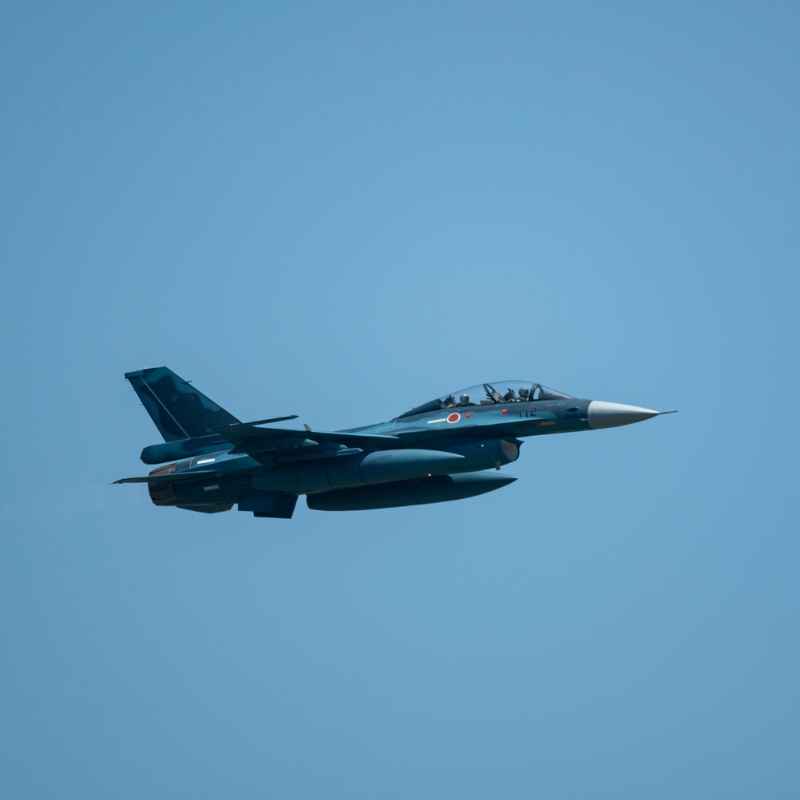
Performance Engineering: The Quest for Speed and Agility
Speed is central to both jet fighters and performance cars. A fighter jet needs to be incredibly fast to perform its mission. This involves powerful engines, strong but light airframes, and advanced aerodynamics.
Car engineers look at these principles. They strive for similar outcomes in their vehicles. The raw power of a jet engine is something many car enthusiasts dream of.
While car engines are different, the goal of maximizing power output is the same.
Think about acceleration. A fighter jet needs to accelerate rapidly. This requires a high thrust-to-weight ratio.
In cars, this translates to powerful engines and lightweight construction. Manufacturers use turbochargers and superchargers to boost engine power. This mirrors the forced induction systems used in jet engines.
The goal is to pack as much power as possible into a given engine size. This makes the vehicle feel incredibly responsive and fast.
Handling is another crucial area. Fighter jets need to make sharp turns and perform complex maneuvers. This requires precise control and stability at high speeds.
The same applies to sports cars. Engineers design sophisticated suspension systems. They use advanced steering mechanisms.
These help drivers maintain control even when pushing the limits. The physics of aerodynamics play a big role here too. Downforce, generated by wings and spoilers on a car, acts like inverted lift.
It pushes the car onto the road, improving grip during cornering.
Braking systems are also critical. Jet fighters have powerful brakes and sometimes speed brakes to slow down quickly. High-performance cars feature large, advanced braking systems.
These are designed to handle the extreme forces generated by high speeds. Carbon-ceramic brakes, for instance, are used in both high-end cars and some aircraft applications. They offer superior stopping power and heat resistance.
The precision required in flight is mirrored in automotive engineering. Every component in a jet fighter is engineered to a high degree of accuracy. There’s no room for error at Mach 2.
Similarly, in performance cars, tolerances are tight. Every bolt, every sensor, every engine part is made with precision. This ensures reliability and optimal performance.
It’s about building a machine that can withstand immense forces and operate flawlessly.
Consider the weight distribution of a jet fighter. It’s carefully balanced for stability. Cars, especially sports cars, pay close attention to weight distribution.
Placing heavy components like the engine and transmission low and centrally helps improve handling. This balance is key to making a car feel agile and predictable. It’s a direct application of aerodynamic and mechanical stability principles.
These are principles well understood in aviation.
The materials science involved is also a shared territory. Jet fighters rely on materials that can withstand incredible stress and heat. This includes titanium, advanced aluminum alloys, and composite materials.
The automotive industry, particularly for performance vehicles, seeks similar characteristics. Carbon fiber composites are increasingly used to build lighter, stronger car bodies. This reduces weight and improves the power-to-weight ratio.
It’s a direct benefit of aerospace research and development trickling down.
The concept of energy management is vital in both fields. A jet pilot manages fuel, speed, and altitude. A race car driver manages throttle, braking, and tire wear.
The underlying principle is optimizing resources for maximum effectiveness. This requires understanding complex systems and making split-second decisions. It’s a testament to the shared engineering mindset focused on peak performance.
The evolution of engines is another parallel. Jet engines have gone from simple turbojets to sophisticated turbofans with complex control systems. Car engines have similarly evolved from basic internal combustion to highly advanced, electronically controlled units with turbocharging and hybrid systems.
The drive for efficiency and power is constant in both.
In essence, the pursuit of speed, agility, and control drives innovation in both jet fighters and performance cars. This shared goal creates a powerful synergy, leading to advancements that benefit both fields. It’s a testament to human ingenuity and our desire to push the limits of technology.
Performance Parallels: Speed & Control
Power-to-Weight Ratio: Like jets, fast cars need high power for their weight. This means strong engines and light bodies.
Aerodynamic Downforce: Wings and spoilers on cars push them down for better grip. This is like how jet wings work for lift, but in reverse.
Advanced Braking: Powerful brakes are vital for both. Some cars use materials like those in aircraft for stopping power.
Precision Handling: Sophisticated suspension and steering allow both jets and cars to make quick, accurate turns.
Material Innovation: Lightweight, strong materials like carbon fiber are used in both jets and high-performance cars.
Technology Transfer: From Avionics to Automotive Electronics
The electronics found in modern jet fighters are incredibly complex. They involve advanced navigation systems, communication arrays, and sophisticated control computers. Many of these technologies find their way into high-end cars.
Think about the GPS systems in your car. They use similar satellite technology that aircraft rely on. The precision required for navigation in the air is now available on our dashboards.
Heads-up displays (HUDs) are a prime example. Pilots have seen critical flight information projected onto their windshields for decades. This allows them to keep their eyes on the sky.
Now, many cars offer HUDs. They project speed, navigation, and other alerts directly into the driver’s line of sight. This enhances safety and convenience.
It’s a direct import of an aviation safety feature. It makes the driving experience feel more intuitive.
The integrated control systems in jets are also an inspiration. Pilots can manage various aircraft functions through a central interface. Modern cars are moving towards this with large touchscreens and voice control systems.
Drivers can adjust climate control, infotainment, and even driving modes through a single interface. This centralizes control and simplifies the user experience, much like an aircraft’s cockpit.
Safety systems in jets are extremely robust. They include redundant systems and advanced warning mechanisms. Cars are increasingly adopting similar multi-layered safety approaches.
Anti-lock braking systems (ABS), electronic stability control (ESC), and traction control are all electronic systems designed to prevent accidents. These technologies have roots in aviation safety principles. They aim to keep the vehicle stable and controllable in challenging situations.
Sensors are another key area. Jets are equipped with a vast array of sensors to monitor engine performance, air pressure, and structural integrity. Cars now use a multitude of sensors.
They monitor everything from tire pressure and engine temperature to the presence of other vehicles and pedestrians. These sensors feed data to the car’s onboard computers. This data is used to manage performance, improve efficiency, and activate safety features.
The development of fly-by-wire systems in aircraft was revolutionary. Instead of mechanical linkages, electronic signals control flight surfaces. Modern cars are also incorporating similar electronic control for steering and braking.
This allows for more precise adjustments and the integration of advanced driver-assistance systems (ADAS). These systems can intervene to help the driver avoid collisions or maintain lane position.
Infotainment systems in cars have also benefited from aerospace innovation. The clarity and responsiveness of aircraft displays have pushed automotive screen technology. High-resolution touchscreens with intuitive interfaces are now standard.
The way information is presented to a pilot, clearly and concisely, influences how car dashboards are designed. It’s about making complex information easy to understand.
Connectivity is another shared theme. Jet fighters are highly networked, sharing data with ground control and other aircraft. Modern cars are becoming increasingly connected.
They can communicate with traffic infrastructure, other vehicles (V2V), and the cloud. This enables features like real-time traffic updates, remote diagnostics, and over-the-air software updates. This connected ecosystem mirrors the sophisticated communication networks used in aviation.
The evolution of artificial intelligence (AI) in avionics also impacts automotive development. AI is being used to improve navigation, optimize flight paths, and even assist pilots. In cars, AI is powering features like adaptive cruise control, autonomous driving capabilities, and predictive maintenance.
The quest for smarter, more capable systems is a common thread.
Ultimately, the electronics and software that control jet fighters represent the pinnacle of integrated systems engineering. This level of sophistication and reliability is what automotive engineers aspire to. The continuous advancements in avionics pave the way for more intelligent, safer, and more capable vehicles on the road.
Tech Showcase: Avionics Meets Automotive
Heads-Up Displays (HUDs): Information projected onto the windshield, originally for pilots, now helps drivers.
Integrated Control Systems: Centralized dashboards and touchscreens simplify managing various car functions.
Advanced Sensor Networks: Cars use many sensors, just like jets, to monitor performance and surroundings.
Fly-by-Wire Principles: Electronic controls for steering and braking enhance precision and enable driver aids.
Connectivity: Cars are becoming like jets, sharing data for real-time updates and advanced features.
Aesthetic Influences: The Jet Look in Car Design
Beyond pure performance, the sheer visual presence of a jet fighter is incredibly influential. There’s an undeniable allure to the aggressive lines, the powerful stance, and the high-tech appearance of military aircraft. Car designers have long drawn inspiration from this.
They aim to capture that same feeling of power and sophistication in their automotive creations.
One of the most obvious aesthetic connections is the use of sharp, angular lines. Fighter jets often feature geometric shapes and hard edges. This design language translates directly into car body styling.
Think of the sharp creases along the side of a sports car or the aggressive angles of a supercar’s front end. These design cues are meant to evoke a sense of speed and dynamism, much like looking at a fighter jet.
The cockpit layout itself is a significant aesthetic influence. The streamlined, often dark interiors of fighter jets, filled with instruments and controls, have inspired automotive interior design. The focus is on creating a driver-centric environment.
This means a wrap-around dashboard, sport seats, and a layout that makes the driver feel immersed in the machine. The materials used, like brushed aluminum or carbon fiber trim, often mimic those found in aircraft cockpits.
Color palettes are another area where influence is seen. Military aircraft often come in bold, utilitarian colors or distinctive camouflage patterns. While not always practical for everyday cars, these colors can appear in special editions or as custom paint jobs for enthusiasts.
Matte finishes, often seen on military vehicles for reduced glare, have become a popular choice for performance cars, adding to a rugged, sophisticated look.
The shape of the canopy in a jet fighter is iconic. The clear, often bubble-like enclosure provides excellent visibility for the pilot. This aesthetic has inspired the design of car greenhouses, particularly for sports cars and coupes.
The large windshields and sleek rooflines that flow towards the rear create a similar visual impression of an enclosed, aerodynamic form.
Lighting design is also influenced. The functional, often powerful lighting systems on aircraft have inspired the intricate and dramatic lighting elements on modern cars. Think of the sharp, aggressive designs of LED headlights or the distinctive patterns of taillights.
These are not just functional; they are designed to enhance the car’s visual identity and give it a distinctive “face” or signature, much like the distinctive look of a jet.
The overall stance of a fighter jet on the ground – low, wide, and ready for action – is a posture that car designers strive for. A car with a wide track, low ride height, and muscular fender flares conveys a similar sense of readiness and power. It’s about creating a visual impression of planted stability and aggressive capability.
Even the names of cars and their specific features can evoke aviation. Terms like “afterburner” for exhaust systems or “jet propulsion” for a powerful engine are common. Manufacturers might name a car model after a famous aircraft or use aviation-themed marketing.
This taps into the aspirational qualities associated with flight and advanced machinery.
The textures and finishes used also play a role. The matte, non-reflective surfaces found on some aircraft parts are echoed in car interiors and exteriors. The contrast between smooth, polished surfaces and textured, functional elements can create a visually interesting and high-tech aesthetic.
It’s about creating a tactile and visual experience that feels premium and performance-oriented.
Ultimately, the aesthetic appeal of jet fighters lies in their blend of raw power, advanced technology, and purposeful design. Car designers leverage these elements to create vehicles that are not only functional but also visually striking. They aim to give drivers a sense of excitement and prestige, much like piloting a state-of-the-art aircraft.
Visual Echoes: Jet Styling on Cars
Angular Body Lines: Sharp edges and geometric shapes from jets inspire aggressive car designs.
Driver-Focused Cockpits: Interior layouts mimic aircraft controls for an immersive feel.
Matte & Military Colors: Non-reflective finishes and utilitarian colors add a rugged, high-tech look.
Canopy-Inspired Rooflines: Sleek, integrated glass structures enhance the aerodynamic profile.
Aggressive Lighting: Distinctive LED headlights and taillights create a signature look.
A Shared Spirit: Innovation and Performance Culture
Beyond the tangible design and engineering links, there’s a shared spirit that connects jet fighter enthusiasts and car culture. Both are driven by a passion for high performance, cutting-edge technology, and the thrill of pushing boundaries. This shared ethos fosters a unique crossover of ideas and appreciation.
The culture around performance cars often mirrors that of aviation. Think of car shows, track days, and enthusiast forums. These are places where people gather to celebrate speed, engineering prowess, and custom modifications.
Similarly, aviation events, airshows, and historical aviation societies bring together people who are passionate about aircraft. In both communities, there’s a deep respect for mastery and innovation.
The concept of “tuning” a car – modifying it to achieve better performance – is very much like how aircraft engineers refine and upgrade their planes. Enthusiasts obsess over engine upgrades, suspension tweaks, and aerodynamic enhancements. They strive to extract every bit of performance from their machines.
This relentless pursuit of improvement is a hallmark of both fields. It’s about making something good, even better.
The history of innovation in both aviation and automotive industries is a source of inspiration. Stories of groundbreaking designs, daring flights, and record-breaking races are celebrated. These narratives fuel the passion of enthusiasts.
They highlight the human drive to explore, to achieve, and to overcome limitations.
There’s also a shared appreciation for precision. A pilot needs to be precise in their maneuvers. A race car driver needs to be precise with their inputs.
This demand for accuracy translates into the engineering of the vehicles themselves. Every component must function perfectly. This appreciation for meticulous engineering is a common trait among enthusiasts.
The dream of flight and the dream of driving a high-performance car are often intertwined. For many, a fast car represents a sense of freedom and control. It’s a way to experience exhilaration and push personal limits.
This desire for freedom and excitement is also a core part of the appeal of aviation. It’s about escaping the ordinary and embracing the extraordinary.
The automotive aftermarket industry, where specialized parts and modifications are created, often draws inspiration from aerospace engineering. Companies that develop high-performance exhaust systems, turbochargers, or aerodynamic body kits are constantly innovating. They are pushing the limits of what’s possible, much like aerospace engineers do.
This creates a vibrant ecosystem of creativity and technical advancement.
The dedication to detail is another common thread. Both jet pilots and dedicated car enthusiasts often have an exceptional eye for detail. They notice the subtle curves of a body panel, the precise placement of a gauge, or the nuanced sound of an engine.
This keen observation is born from a deep passion and understanding of the subject matter.
The evolution of simulation technology also plays a role. Flight simulators and racing simulators allow people to experience high-performance environments virtually. These tools help train pilots and drivers, and they also serve as platforms for enthusiasts to hone their skills and explore different scenarios.
The realism of these simulations is constantly improving, thanks to advancements in computer graphics and physics engines, often borrowed from aerospace simulation.
Ultimately, the connection between jet fighters and car culture is more than just shared technology or aesthetics. It’s about a shared passion for excellence, a drive for innovation, and a deep appreciation for machines that represent the pinnacle of human achievement. This shared spirit ensures that the inspiration will continue to flow between the skies and the roads for years to come.
Shared Passions: Spirit of Innovation
Performance Obsession: Both groups are driven by the pursuit of speed and capability.
Technological Fascination: Cutting-edge engineering and electronics are highly valued.
Culture of Modification: Enthusiasts constantly seek to improve and personalize their machines.
Appreciation for Precision: Meticulous engineering and skilled operation are admired.
Dream of Freedom: Both represent a sense of exhilaration, control, and pushing boundaries.
Real-World Examples: Jets and Cars Side-by-Side
Seeing these connections in action makes them even more compelling. Many car manufacturers have a history or ongoing relationship with aviation. Some companies that build cars also have aerospace divisions.
This creates a natural synergy for technology transfer. Think about how Rolls-Royce makes both luxury cars and jet engines. This close proximity allows for direct sharing of ideas and materials science.
Specific car models often draw direct inspiration from aircraft. For example, the Chevrolet Camaro has had design cues inspired by fighter jets throughout its history. Its aggressive front grille, sharp body lines, and cockpit-like interior often evoke the image of a powerful aircraft.
The Ford Mustang, too, has often incorporated styling elements that suggest speed and aerodynamic efficiency, reminiscent of high-performance planes.
The design of the Lamborghini Aventador is another great example. Its sharp, angular lines, low-slung profile, and aggressive front fascia are highly reminiscent of modern stealth fighter jets. The focus on extreme aerodynamics and a futuristic aesthetic clearly shows an aviation influence.
Even the “scissor doors” on some Lamborghinis give a sense of opening up like aircraft wings.
Beyond specific models, aftermarket companies often create parts explicitly inspired by aviation. Companies that produce carbon fiber body kits for sports cars might use patterns or shapes directly taken from aircraft components. They aim to give cars a more exotic and high-performance look, just like a fighter jet.
The influence can be seen in the naming conventions as well. Some car models, like the Saab Gripen (a car model from the defunct Swedish manufacturer Saab, which also made fighter jets), directly reference aircraft. This highlights the brand’s heritage and the engineering crossover between the two industries.
Even in less obvious areas, the influence is present. The development of advanced paint technologies, like self-healing or heat-resistant coatings, often originates in aerospace and then finds its way into the automotive sector. These technologies enhance durability and appearance, offering benefits that both aircraft and cars can utilize.
Consider the concept of limited-edition supercars. These vehicles often push the boundaries of design and technology, much like prototype aircraft. They showcase the latest innovations in materials, aerodynamics, and electronics.
They serve as rolling billboards for what’s possible, attracting attention and inspiring future developments.
The pursuit of speed records also connects the two. Just as aircraft manufacturers constantly strive to break speed and altitude records, automotive manufacturers and teams push the limits on land speed records and racing circuits. The engineering challenges and the spirit of competition are remarkably similar.
The experience of driving a truly high-performance car can often be compared to the experience of flying. The sense of speed, acceleration, and precise control creates a unique kind of thrill. This is why many aviation enthusiasts are also passionate car lovers, and vice versa.
They appreciate the pinnacle of engineering in both domains.
In essence, the visual, engineering, and cultural connections between jet fighters and cars are not just theoretical. They are evident in the vehicles we see on the road today. These real-world examples demonstrate the enduring impact of aviation on automotive design and enthusiast culture.
Examples in Action: Jet & Car Links
Automotive/Aerospace Companies: Brands like Rolls-Royce build both cars and jet engines, sharing tech.
Design-Inspired Models: Cars like the Camaro and Lamborghini Aventador show clear fighter jet styling.
Aftermarket Parts: Companies create carbon fiber and aerodynamic parts inspired by aircraft.
Naming Conventions: Some car models, like historical Saabs, directly reference aircraft.
Performance Record Chasing: Both industries are driven by setting new speed and capability benchmarks.
When It’s Normal and When to Pay Attention
It’s totally normal for car enthusiasts to be inspired by jet fighters. This inspiration shows up in many ways. You’ll see it in the sleek lines of sports cars.
It’s in the aggressive styling of performance vehicles. It’s in the high-tech dashboards. You’ll even see it in custom paint jobs that mimic military designs.
This is all part of the fun and creativity in car culture. It’s about appreciating advanced engineering and powerful aesthetics.
For example, if you see a car with sharp angles and a low profile, that’s likely drawing from jet fighter design. If the interior has lots of digital screens and a sporty feel, that’s also a common nod to aviation cockpits. Even custom decals or body kits that look like military aircraft parts are just enthusiasts showing their passion.
These things are normal and add character to vehicles.
However, there are times when you might want to pay more attention. This usually relates to how these inspirations affect the car’s functionality and safety. For instance, if extreme aerodynamic modifications, like oversized wings, make the car unstable or difficult to control, that’s a concern.
The goal of aviation-inspired design is usually to improve performance and handling. If it does the opposite, it’s not a good modification.
Another area to watch is the quality of the modifications. If a custom paint job looks rough or unprofessional, it might indicate a lack of attention to detail. In aviation, precision is everything.
So, when looking at car modifications inspired by jets, it’s good to see that same level of care. Poorly fitted body kits or shaky interior electronics aren’t ideal.
When it comes to electronics, some cars have very complex systems. If you notice that these systems are glitchy or unreliable, it’s worth looking into. While inspired by advanced aircraft electronics, car systems need to be robust for everyday use.
Frequent warning lights or system failures could point to a deeper issue. It’s different from a pilot seeing a minor alert in a jet; a car needs to be reliably safe for everyone on the road.
Think about safety features. Many of the electronic aids in cars are inspired by aviation safety. ABS, traction control, and stability control are all good things.
If these systems seem to be malfunctioning or not working as intended, that’s a clear sign to get the car checked. It’s not normal for these critical safety systems to be unreliable.
Fuel efficiency can also be a factor. While jet-inspired designs often aim for better aerodynamics, some extreme modifications might actually harm fuel economy if not done correctly. If a car that should be efficient suddenly starts using a lot more gas, it’s worth investigating.
It could be that the modifications are disrupting the intended airflow.
Basically, the inspiration from jet fighters should enhance a car’s appeal and performance. If it compromises safety, reliability, or everyday usability, then it’s something to address. It’s about finding a balance between the cool aesthetics and the practical realities of driving.
Most enthusiasts aim for this balance, but sometimes, performance or looks can be prioritized over function.
If you’re looking at buying a car with these types of modifications, or if you’re considering them yourself, it’s wise to research. Understand how the changes might affect the car’s handling, safety, and maintenance. Consulting with mechanics who understand performance modifications can be very helpful.
They can help ensure that the aviation-inspired elements are functional and safe, not just cosmetic.
Quick Tips for Appreciating the Connection
Want to see the jet fighter and car culture connection in action? Here are a few simple ways to explore it:
- Visit Airshows: Pay attention to the design of the planes. Notice their shapes, colors, and how they move. Then, think about sports cars you see. Do any share similar lines or a powerful stance?
- Watch Car Documentaries: Many documentaries focus on supercar design and engineering. Look for discussions about aerodynamics, lightweight materials, and cockpit design. You’ll often hear parallels drawn to aviation.
- Browse Automotive Magazines: Features on high-performance cars frequently highlight their design inspiration. Look for mentions of aerospace influence or how specific features are derived from aircraft.
- Explore Online Car Forums: Enthusiasts often discuss their favorite car designs and what inspires them. You’ll find many threads dedicated to aviation-inspired cars and modifications.
- Look at Concept Cars: Manufacturers often use concept cars to showcase futuristic designs. Many concept cars, especially performance models, clearly borrow heavily from aerospace aesthetics.
- Pay Attention to Interior Design: When you get into a modern performance car, look at the dashboard and controls. Does it feel like a cockpit? Notice the placement of screens and buttons.
- Consider Paint and Finish: Think about matte finishes or bold color schemes. These are often chosen to evoke a military or high-performance jet look.
Frequently Asked Questions
What are the main ways jet fighter design influences car culture?
Jet fighter design influences car culture mainly through aesthetics, performance engineering, and technology transfer. This includes sleek aerodynamic shapes, lightweight materials, advanced electronics like heads-up displays, and a general focus on speed and precision. The overall aggressive and high-tech look of fighter jets also inspires car styling.
Can you give an example of a car model heavily influenced by jet fighters?
Yes, the Lamborghini Aventador is often cited as a car with strong jet fighter influences. Its sharp, angular body lines, low stance, and futuristic cockpit design are highly reminiscent of modern stealth aircraft. Many other sports cars also incorporate elements like aggressive front grilles and swept-back rooflines inspired by aviation.
How does the performance engineering of jet fighters compare to that of sports cars?
Both jet fighters and sports cars prioritize high performance, which involves maximizing speed and agility while maintaining control. This leads to a focus on powerful engines, lightweight construction, advanced aerodynamics (like downforce in cars and lift in jets), and sophisticated braking and handling systems. The pursuit of a high thrust-to-weight ratio is crucial for both.
Are there any safety concerns when car designs are inspired by fighter jets?
Generally, the inspiration is positive, enhancing performance and aesthetics. However, extreme aesthetic modifications that compromise a car’s intended handling or safety features are a concern. For example, poorly designed aerodynamic add-ons could negatively impact stability.
It’s important that the inspiration leads to functional improvements, not detriments.
What role do materials like carbon fiber play in connecting aviation and automotive industries?
Carbon fiber and other composite materials are vital. They are strong yet lightweight, essential for both aircraft to achieve flight efficiency and for cars to improve acceleration, handling, and fuel economy. The development and refinement of these materials often occur in aerospace and then find wider application in high-performance vehicles.
What is a heads-up display (HUD) and how is it related to jets?
A heads-up display (HUD) projects important information, such as speed and navigation, onto the windshield in the driver’s line of sight. This technology was pioneered in fighter jets to allow pilots to see critical data without looking down at their instrument panel. Modern cars have adopted HUDs to enhance driver convenience and safety.
The Sky Meets the Road: A Lasting Connection
It’s pretty amazing when you think about it. The incredible machines that fly through our skies have left a definite mark on the cars we drive. From the way they look to how they perform and the technology inside, fighter jets and cars share a lot more than you might first imagine.
This ongoing inspiration keeps pushing innovation forward in both worlds.
Products related to this article
Sponsored / affiliate links. As an Amazon Associate I earn from qualifying purchases. I may earn additional commission from eligible campaigns.