Is It Bad to Fill Gas With Your Car On? Fire Risk Explained
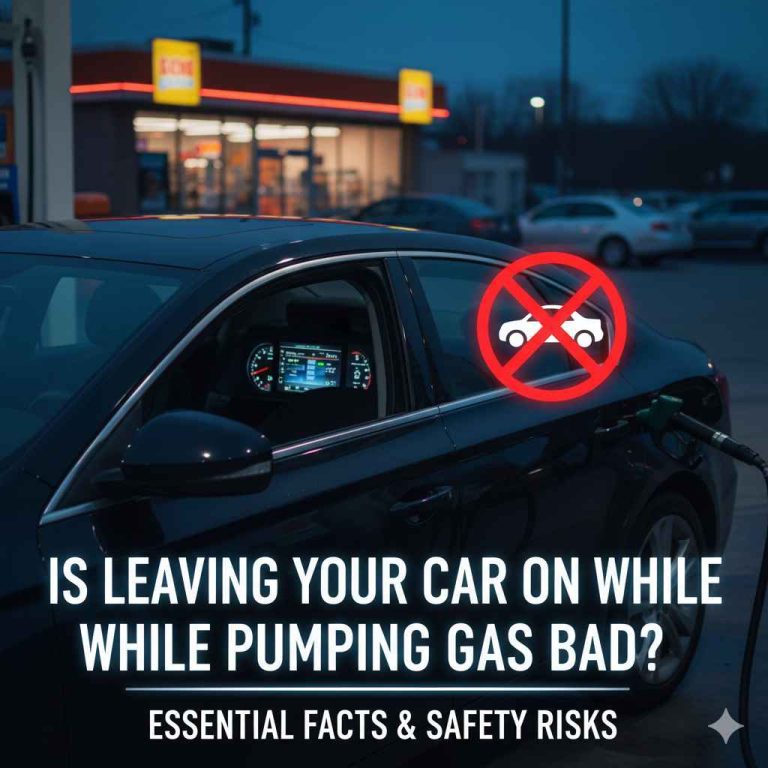
No, it isn’t automatically dangerous to fill gas with your car running, but it isn’t risk-free either.
A running engine adds heat, electrical current, and vibration right next to gasoline vapor, which is exactly the ignition scenario that fire codes are written to prevent. Rules based on NFPA 30A require drivers to shut off the engine, stay at the nozzle, and skip anything that could spark before refueling. Here’s what the real risk looks like, what actually counts as an emergency, and how to refuel safely every time.
Car Refueling Myths
A popular myth says pumping gas next to a running engine will make the pump explode. In reality, a fire caused by nothing more than an idling engine is extremely rare. Cases severe enough to make the news usually involve a static spark, a lit cigarette, or someone starting the engine mid-fill, not just a motor sitting there running. That rarity is exactly why fire codes still treat it as a real hazard rather than a myth: gasoline vapor ignites easily, and the entire point of turning the engine off is to remove every possible spark source before vapor has a chance to build up around the nozzle.
Static electricity is a genuine, if uncommon, cause of pump fires, and it typically comes from sliding across a car seat and then touching the metal nozzle with a charge already built up, not from the engine itself. Touching a metal part of your car before you grab the nozzle discharges that static safely. It’s also true that idling wastes very little fuel over a two- or three-minute fill-up, so shutting the engine off costs you nothing and buys you a real safety margin.
Safety Precautions
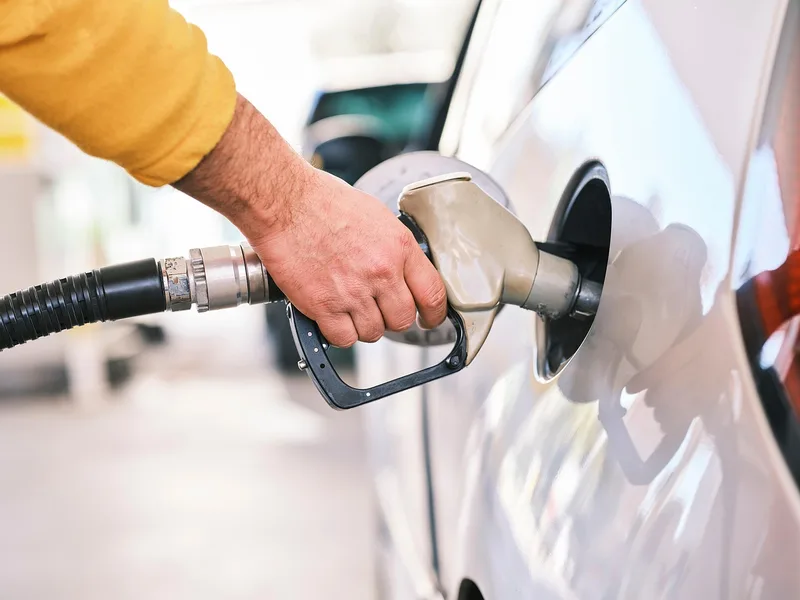
Turn the engine off and take the key or fob away from the ignition before you touch the nozzle. On a keyless-start car, treat that as a real step rather than a formality, since a stray button press can restart the engine while you’re mid-fill. Stay off your phone at the pump; a distracted driver is far more likely to knock the nozzle loose, overfill the tank, or drive off with it still attached than to trigger a fire directly from the phone itself. If you feel a static charge on your clothing, or the weather is cold and dry, touch a metal part of the car’s frame before you handle the nozzle to release it safely.
Stay near the pump for the entire fill instead of wandering into the store or leaving the vehicle unattended with the nozzle running. Keep cigarettes, lighters, and any open flame away from the pump island, and stop as soon as the nozzle clicks off instead of trying to top off the tank. If you notice a spill or a leak around the pump, tell the attendant or call the station’s emergency line, and don’t drive or restart the car until it’s cleaned up.
Potential Hazards
Gasoline vapor is flammable enough that a small spark is all it takes to start a fire, which is why every precaution at the pump is really about controlling ignition sources. Keep the engine off, stay away from open flames, and don’t smoke anywhere near the pump island; vapor can drift further than it looks like it should on a windy day.
Static electricity is the other hazard worth taking seriously. It builds up from friction, most commonly from sliding in and out of the driver’s seat on a dry day, and can discharge as a spark the instant you touch bare metal. Touching the car’s frame before handling the nozzle, and staying outside the vehicle while it fills, keeps that risk low.
Environmental Concerns
Gasoline vapor doesn’t just create a fire risk, it’s also a source of air pollution and can leave people standing nearby with mild headaches or dizziness after only a short exposure. Stations equipped with vapor recovery nozzles, the ones with a rubber boot around the base of the nozzle, capture much of that vapor instead of letting it escape into the air, so using one when it’s available is a small but genuine improvement.
Spills matter too. Even a small amount of spilled gasoline can seep into soil and storm drains, and it doesn’t take much to affect nearby plants or waterways. Stopping the pump as soon as it clicks off, rather than trying to round the total up to an even number, is the single easiest way to avoid an overflow. If you do spill some, let it evaporate rather than hosing it toward a drain, and report a larger spill to station staff.
Handling Emergencies
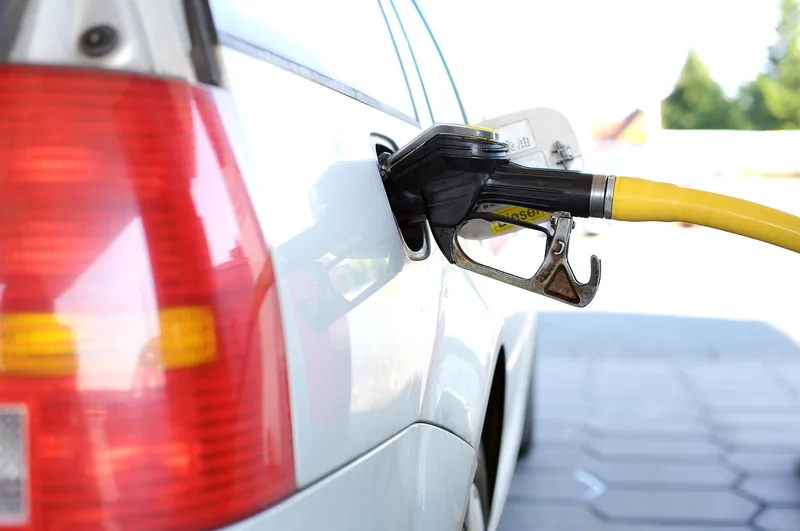
Refueling with the engine running raises the odds of a spark meeting vapor, which is the core reason it’s treated as an emergency-in-waiting rather than a routine convenience. Knowing what to do if something does go wrong matters more than memorizing every rule, so here’s the short version for the two situations you’re most likely to face.
Fire Response
If you see flames at the pump, stop fueling immediately and step away from the pump island rather than trying to finish the fill first. Alert anyone else nearby so they can clear the area, and call 911 right away. Most stations have an emergency shut-off button that cuts power to every pump; use it if you know where it is. Only use a fire extinguisher on a small fire if you’re trained to do so, and never use water on a gasoline fire, since it spreads burning fuel instead of putting it out.
Dealing With Leaks
If you smell gas or notice fuel pooling under the nozzle, stop fueling and back away from the pump rather than trying to reposition the nozzle yourself. Don’t start the engine until you’re sure the leak has stopped and the area is clear of vapor. Tell station staff immediately, since they’re equipped to handle a leak at the pump, and don’t light a match, use a lighter, or let anyone smoke anywhere near it.
Avoid Overfilling: Why Topping Off Costs More Than It Saves
Once the pump clicks off, the tank is full. Continuing to squeeze the handle to round up to an even dollar amount doesn’t add meaningfully more fuel, and it comes with real downsides. Overfilling can send liquid gasoline into the vehicle’s charcoal canister, a component designed to handle vapor rather than liquid, which can trigger a check engine light or damage the canister over time. It also increases the chance of a spill at the exact moment you’re standing closest to the nozzle.
If you’re trying to spend less at the pump overall, timing and fuel grade matter more than topping off ever will. Use whichever octane your owner’s manual recommends rather than paying for premium your engine doesn’t need, and compare prices with a fuel-price app before you commit to a station; a few cents a gallon adds up over a full tank.
Choosing The Right Fuel
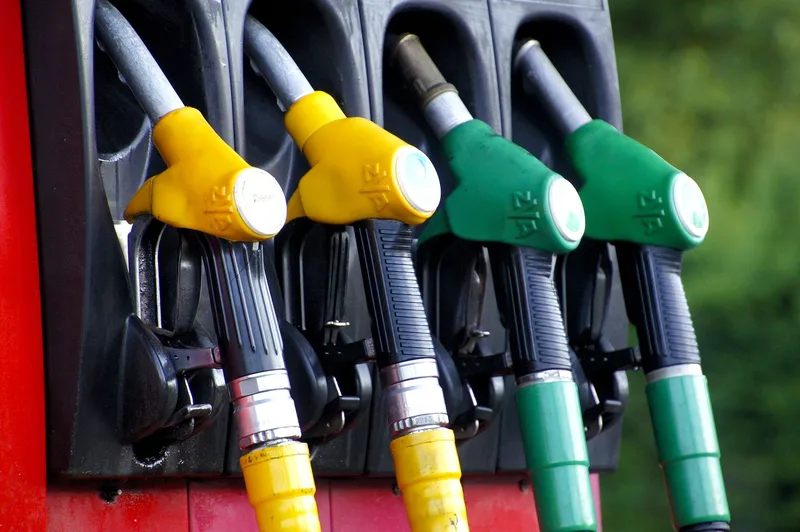
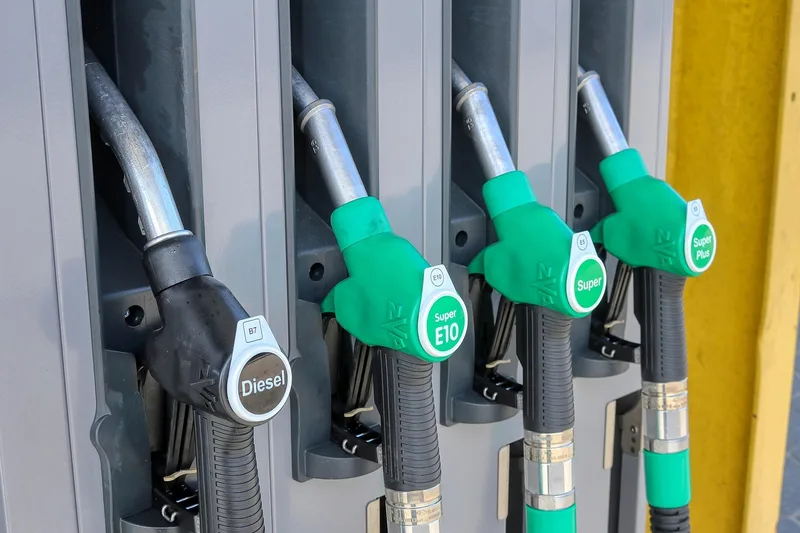
Every fuel pump lists an octane rating, usually 87, 89, and 91 or higher, and that number describes how resistant the fuel is to knocking under compression rather than how much power or cleanliness it delivers. Higher-compression and turbocharged engines are more likely to need or recommend higher octane, while most everyday engines run fine on regular. Using less than what your manufacturer requires can cause knock and reduce performance over time, so check your owner’s manual or the sticker inside the fuel door rather than guessing. If you want to know what actually happens when the wrong fuel goes in, this breakdown covers it in detail.
Fuel type matters just as much as grade. Diesel engines and gasoline engines aren’t interchangeable, and putting the wrong one in a tank is a far more serious and expensive mistake than picking the wrong octane. Electric vehicles skip this decision entirely by charging instead of fueling, which is part of why more stations are starting to offer both pumps and chargers side by side.
Technological Advances
Modern fuel dispensers already do a lot of the safety work for you. Every nozzle has an automatic shut-off valve that senses when fuel reaches the base of the filler neck and stops the flow before it overflows, which is the same mechanism that makes topping off pointless in the first place. Pay-at-the-pump screens, contactless payment, and apps that track nearby prices have also made the whole process faster without changing the underlying safety rules.
The bigger shift is what’s showing up next to the traditional pumps. A growing number of gas stations now install EV chargers alongside their fuel islands, letting drivers charge instead of refuel, and some locations use pump-side diagnostics to flag basics like low tire pressure while you fill up. None of that changes the core rule, though: engine off, stay at the nozzle, and treat the pump island like the flammable environment it is.
Frequently Asked Questions
Can You Put Gas In A Car That Is Running?
Yes, you technically can, but it’s not recommended. Running engines add heat and electrical current right next to gasoline vapor, which is the ignition scenario that fire codes based on NFPA 30A are meant to prevent by requiring the engine off before fueling.
Can You Pump Gas While Your Car Is On?
You can, but most gas stations post fire-code signage telling you not to. Turning off the engine costs you nothing during a two- or three-minute fill and removes one more potential spark source next to the fuel vapor.
What Happens If You Forget To Turn Off The Engine While Filling Gas?
In most cases, nothing happens. Running the engine while filling up doesn’t automatically cause a fire. But every added ignition source, from engine heat to electrical components, raises the odds if vapor does build up around the nozzle, so it’s worth making a habit of shutting the engine off every time rather than only when you remember.
Is It Illegal To Refuel With An Engine Running?
It depends on where you are. A few states, including New Jersey and Oregon, don’t allow self-service fueling at all, so an attendant handles it for you. Elsewhere, many local fire codes are based on NFPA 30A, which calls for the engine to be off during refueling even where it isn’t written into a separate state statute, and pump signage reflects that code rather than just a suggestion.
Conclusion
Filling up with the engine running isn’t automatically dangerous, but it stacks the odds against you for no real benefit. Turning the engine off before you touch the nozzle takes a few seconds, removes a real ignition source, and is exactly what fire codes like NFPA 30A ask drivers to do at every pump. Make it a habit every time you fill up, not just when a warning sign catches your eye.
Always ensure the car is off before refueling. It’s a simple step that makes a real difference, and it costs you nothing to do it every time. For a deeper look at exactly how much fire risk sits behind a running engine at the pump, see our full fire-risk breakdown.
Products related to this article
Sponsored / affiliate links. As an Amazon Associate I earn from qualifying purchases. I may earn additional commission from eligible campaigns.