What Happens If You Put The Wrong Gas In Your Car?
If you put the wrong gas in your car, the engine might run poorly, stall, or not start at all. This is because the fuel system and engine are designed for a specific octane or type of fuel. Damage can range from minor issues to severe problems like piston or valve damage if the car is run extensively on the wrong fuel.
Understanding the Wrong Gas Problem
Cars need the right fuel to run well. This fuel is like food for your engine. There are a few main types of gasoline. These are regular (87 octane), mid-grade (89 or 90 octane), and premium (91 or 93 octane). Some cars also need diesel fuel. Others might use E85, which is a blend of 85% ethanol and 15% gasoline.
Why Fuel Matters
The octane rating of gasoline tells us how well it resists knocking or pinging. This noise happens when the fuel ignites too early in the engine cylinder. High-performance engines often need higher octane fuel. This prevents the fuel from exploding before the spark plug ignites it. Using a lower octane than recommended can cause problems.
Diesel engines work differently than gasoline engines. They use compression to ignite the fuel. Gasoline is much more flammable than diesel. Putting gasoline in a diesel car is a very bad idea. It can cause serious harm to the engine’s fuel system.
Common Fuel Mix-Ups
The most common mix-up is putting regular gasoline in a car that needs premium. Another is accidentally using gasoline in a diesel car. Less common is using E85 in a flex-fuel vehicle not designed for it. Or, putting regular gasoline in a car that requires diesel.
My Own Fuel Fiasco: A True Story
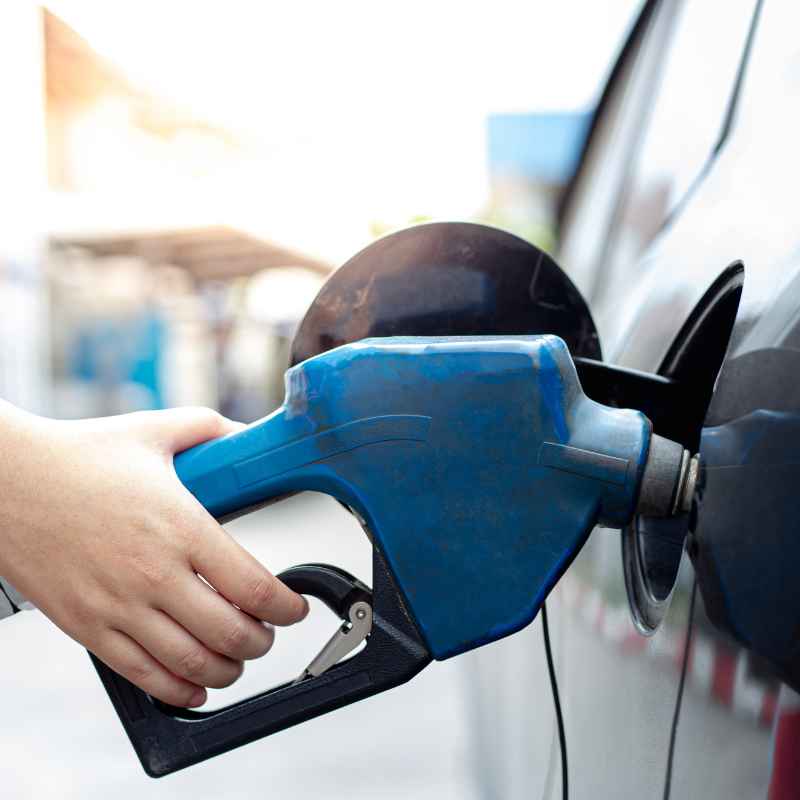
I remember a time I was rushing to get to a friend’s house. It was late, and the gas station lights seemed extra bright. I pulled up to the pump, grabbed the nozzle, and filled up. I paid and drove off, not really paying attention. About ten minutes later, my car started to sputter. It felt like it was losing power. Then, it just died.
Panic set in. I was on a busy road, and cars were whizzing by. I had no idea what was wrong. I called a tow truck, feeling foolish. When the mechanic looked at it, he asked, “Did you put regular in this? It needs premium.” I felt my face get hot. I had indeed grabbed the wrong pump. Luckily, it wasn’t too late. The mechanic drained the tank. It was a simple fix that taught me a big lesson. Always check the pump and your car’s requirements.
What Happens Inside the Engine?
When the wrong fuel enters your car, it can cause a cascade of issues. The engine management system tries to adapt, but it has limits.
Gasoline in a Diesel Engine
This is one of the worst fuel mix-ups. Gasoline is much thinner than diesel. It doesn’t have the same lubricating qualities. Diesel fuel also lubricates the high-pressure fuel pump and injectors.
When gasoline enters a diesel system, it can cause these parts to seize up. The lack of lubrication is the main problem. Gasoline can also cause premature ignition in a diesel engine. This is because diesel engines rely on compression to ignite the fuel. Gasoline is too volatile. It can ignite from the heat of compression before it’s supposed to.
Diesel in a Gasoline Engine
Diesel fuel is heavier and less volatile than gasoline. It does not vaporize easily. If you put diesel in a gasoline car, the engine will likely struggle to start. If it does start, it will run very poorly. It might stall quickly. The fuel injectors for gasoline are not designed to handle diesel.
Wrong Octane Gas in a Gasoline Engine
If your car requires premium fuel but you use regular, the engine computer can often adjust. It might retard the ignition timing. This means the spark plug fires a little later. This helps prevent the knocking sound. However, the engine might lose power. You might also notice worse gas mileage.
If you consistently use lower octane fuel than recommended, especially in a high-compression engine, you risk knocking. This knocking is damaging. It can cause pistons to crack or melt. It can also harm valves.
Fuel Type and Octane Explained
Fuel Type: This refers to whether your car runs on gasoline or diesel. These are fundamentally different fuels with different properties.
Octane Rating: This measures how resistant a fuel is to igniting under pressure. Higher numbers mean more resistance. Cars designed for premium fuel have higher compression engines.
They need that higher octane to prevent knocking.
Warning Signs to Watch For
Your car will often tell you when something is wrong with the fuel. Pay attention to these signs.
Engine Performance Issues
One of the first things you might notice is how the engine runs.
Rough Idling: The car might shake or feel uneven when stopped.
Stalling: The engine might suddenly cut out, especially at low speeds.
Hesitation: When you press the gas pedal, the car might not respond right away.
Loss of Power: It will feel like the car is much weaker than usual.
Strange Noises
Listen to your engine.
Knocking or Pinging: This sounds like small rocks hitting the engine. It’s a sign of pre-ignition.
Clattering Sounds: This might happen if the fuel system is not working smoothly.
Difficulty Starting
The car might crank but not start. Or, it might start for a moment and then die. This is common if you’ve put diesel in a gasoline car.
What to Do Immediately
If you realize you’ve put the wrong fuel in, stop driving immediately. Continuing to drive can cause more damage.
Immediate Action Steps
1. Do NOT start the engine: If you realize your mistake before starting, do not turn the key.
2. Do NOT turn the ignition on: Even turning the key to the “on” position can start the fuel pump.
3. Call for roadside assistance: Get the car towed to a mechanic or a safe place.
4. Inform the mechanic: Tell them exactly what fuel you put in and that you realized the mistake.
If You Already Drove a Little
If you’ve already driven a short distance, it’s still best to stop. The damage can worsen with more use. Call a tow truck. Don’t try to push it.
The Mechanic’s Role: Fixing the Problem
A mechanic is your best friend in this situation. They have the tools and knowledge to fix it.
Draining the Fuel Tank
The first step is usually to drain all the contaminated fuel from the tank. This is done using special equipment. They will carefully remove the wrong fuel.
Flushing the Fuel System
After draining, the mechanic will flush the fuel lines. They will also clean the fuel filter. This ensures no traces of the wrong fuel remain.
Checking for Damage
Depending on how much you drove and the type of fuel mix-up, further checks are needed.
Gasoline in Diesel: The fuel pump and injectors are most at risk. They might need cleaning or replacement.
Diesel in Gasoline: The fuel filter will likely be clogged. The fuel injectors might also need attention.
Wrong Octane: If knocking occurred, spark plugs might be fouled. Valves and pistons could have minor damage. A mechanic will inspect these.
Cost of Repair
Minor Mistake (e.g., wrong octane, minimal driving): This might cost $100-$300 for draining and flushing.
Significant Mistake (e.g., diesel in gasoline, extensive driving): This can range from $500 to $2000 or more. This is if fuel pumps, injectors, or other parts need replacing.
Worst Case (e.g., gasoline in diesel, extensive driving): This is the most expensive. It could cost $2000-$5000+ if the entire fuel system needs a major overhaul.
Preventing Future Fuel Errors
The best way to handle this is to avoid it altogether. Simple habits can save you a lot of trouble.
Read Your Car’s Manual
Your car’s owner manual clearly states the required fuel type and octane. Keep it handy.
Check the Fuel Door or Cap
Many cars have a sticker inside the fuel door or on the gas cap. This sticker shows the correct fuel type. For example, it might say “Unleaded Gasoline Only” or “Premium Unleaded Required.”
Look at the Pump First
Always look at the number on the pump handle. Make sure it matches what your car needs. Most gas stations group their pumps by fuel type and octane.
When in Doubt, Ask
If you’re at a rental car agency or a new gas station, don’t guess. Ask for clarification. It’s better to ask than to make an expensive mistake.
Quick Tip Checklist
- Manual: Know your car’s fuel needs.
- Stickers: Check fuel door/cap for labels.
- Pump Numbers: Always verify the pump display.
- Color Coding: Some stations use colors, but numbers are more reliable.
- Rental Cars: Confirm fuel type with the rental agency.
Real-World Scenarios and Solutions
Let’s look at some common situations.
Scenario 1: The Rental Car Rush
You rent a car for a vacation. You’re eager to get going. You pull into a gas station and choose the cheapest option. You fill up and realize later it wasn’t the right octane.
What happens: If your rental car needs premium and you used regular, it might run rough. You could experience reduced power. The car might have a check engine light come on.
Solution: Stop driving as soon as possible. If you notice issues, return the car to the rental agency. Explain the situation. They might charge you for a fuel system cleaning.
Scenario 2: The Diesel Dilemma
You own a diesel truck but accidentally put a full tank of gasoline in it.
What happens: The engine will likely not start, or it will start and run very poorly for a short time before stalling. The high-pressure fuel pump and injectors are in serious danger.
Solution: Do NOT start the engine. Call a tow truck immediately. Have the entire tank drained and the fuel system flushed. This is a critical situation.
Myth vs. Reality: Fuel Mix-ups
Myth: Putting the wrong gas in once won’t hurt my car.
Reality: Even one mistake can cause damage, especially with diesel in a gasoline engine or vice versa.
Myth: My car will just run badly if I use the wrong fuel.
Reality: While sometimes true for octane, other fuel errors can prevent the car from starting or cause severe internal damage.
Myth: All cars can run on E85 if they have a flex-fuel badge.
Reality: Flex-fuel vehicles are specifically designed for E85. Regular gasoline cars will be damaged by E85.
Scenario 3: The Hybrid Complication
You have a hybrid car. You’re used to filling it up with regular gasoline. One day, you accidentally grab the diesel pump.
What happens: For a hybrid, the gasoline engine is only part of the powertrain. If diesel gets into the gasoline tank, the gasoline engine will likely stall or run very poorly. The electric motor might still work, but the car’s overall performance will be compromised.
Solution: Stop driving. Tow the car. Drain the tank and flush the system. The hybrid system’s complexity means it’s best to let professionals handle it.
What This Means for You: When to Worry
Understanding when a fuel mistake is minor versus major is key.
When It’s Probably Okay (With Caution)
Using a lower octane than recommended: For a short time and if your car doesn’t ping, it might be okay. Your car’s computer likely adjusted. Avoid doing this regularly.
Using regular gas in a premium-required car: If you only did it once and didn’t notice severe performance issues, it might be fine. Check for any warning lights.
When You Should Definitely Worry
Any gasoline in a diesel engine.
Any diesel in a gasoline engine.
Using E85 in a non-flex-fuel vehicle.
Driving the car for more than a mile or two after realizing the mistake.
Hearing knocking or seeing warning lights.
Simple Checks You Can Do
After a potential fuel mix-up, here are simple things to check.
Listen to the Engine
Does it sound normal when you start it? Are there any strange noises?
Watch the Dashboard
Is the check engine light on? Any other warning lights?
Feel the Performance
Does the car accelerate smoothly? Does it feel weak?
If you notice any of these issues, it’s time to stop and get professional help.
Quick Fixes and Tips
While actual “fixes” require a mechanic, here are tips to help.
The “Top-Off” Trick (Use with extreme caution)
If you only put a gallon or two of the wrong fuel in a full tank, and it’s just a slightly lower octane, sometimes topping off with the correct, higher octane fuel can dilute the mixture enough. For example, putting a gallon of regular into a premium-only tank might be less harmful if you then fill it with premium. This is NOT a fix for diesel in gasoline or vice-versa.
Immediate Towing is Best
If you’re unsure, always err on the side of caution. Towing is cheaper than engine repair.
Know Your Car’s Fuel Gauge
Understand how many gallons your tank holds. This helps you estimate how much of the wrong fuel you put in.
Emergency Fuel Drain Kit (DIY – Advanced users only)
What it is: A basic kit with a siphon hose and a safe container.
When to use: ONLY if you realize your mistake immediately at the pump and haven’t started the engine.
Safety first: Ensure proper ventilation. Do NOT smoke. Use only for gasoline/diesel, not other fluids.
Caution: This is a temporary solution. A mechanic should still inspect the system.
Frequent Questions
What is the difference between octane and fuel type?
Octane rating measures a fuel’s ability to resist knocking or premature ignition. Fuel type refers to whether the fuel is gasoline, diesel, or a blend like E85. Your car needs a specific fuel type and often a specific octane rating.
Can I just mix the wrong fuel with the right fuel?
Sometimes, if it’s just a lower octane gasoline, adding the correct higher octane fuel can dilute it. However, mixing gasoline and diesel, or vice versa, is very harmful and cannot be fixed by dilution.
How much damage can putting the wrong gas do?
It depends on the fuel type and how long you drive. Putting gasoline in a diesel engine can destroy the fuel pump and injectors quickly. Using the wrong octane for too long can cause internal engine damage like piston damage.
My car made a knocking sound after I used the wrong gas. What should I do?
Stop driving immediately. The knocking sound indicates pre-ignition, which is harmful. Tow your car to a mechanic to have the fuel system inspected and potentially drained.
What if I put E85 in my regular gasoline car?
E85 has a high ethanol content. It can damage rubber fuel lines and seals in cars not designed for it. This can lead to fuel leaks and engine problems. Drain the tank and flush the system.
Is it safe to drive my car if I used regular gas instead of premium?
If you only did it once and your car didn’t make knocking sounds or lose significant power, it’s likely okay. Your car’s computer probably adjusted. However, avoid doing it again, as long-term use can cause damage.
Conclusion and Final Thoughts
Putting the wrong fuel in your car is a stressful experience. It’s easy to do when you’re distracted. The key takeaway is to always double-check the pump. Know your car’s fuel needs. If you do make a mistake, stop driving immediately. Get professional help to drain the tank and flush the system. This often prevents major, expensive damage. Your car relies on the right fuel to run smoothly and safely. Treat it well, and it will serve you for a long time.
Products related to this article
Sponsored / affiliate links. As an Amazon Associate I earn from qualifying purchases. I may earn additional commission from eligible campaigns.