Is It Bad to Wash Your Car Too Much: Unveiling the Truth
Washing your car often keeps it looking shiny and new. But is it too much of a good thing?
Many car owners love a clean vehicle. They take pride in their car’s appearance. Regular washing can help maintain the car’s value. But can washing too often cause problems? This blog will explore how frequent washing impacts your car. We’ll discuss both benefits and potential downsides.
You’ll learn how to keep your car clean without harming it. Read on to find the right balance for your car care routine.

Credit: www.youtube.com
Impact Of Frequent Car Washing
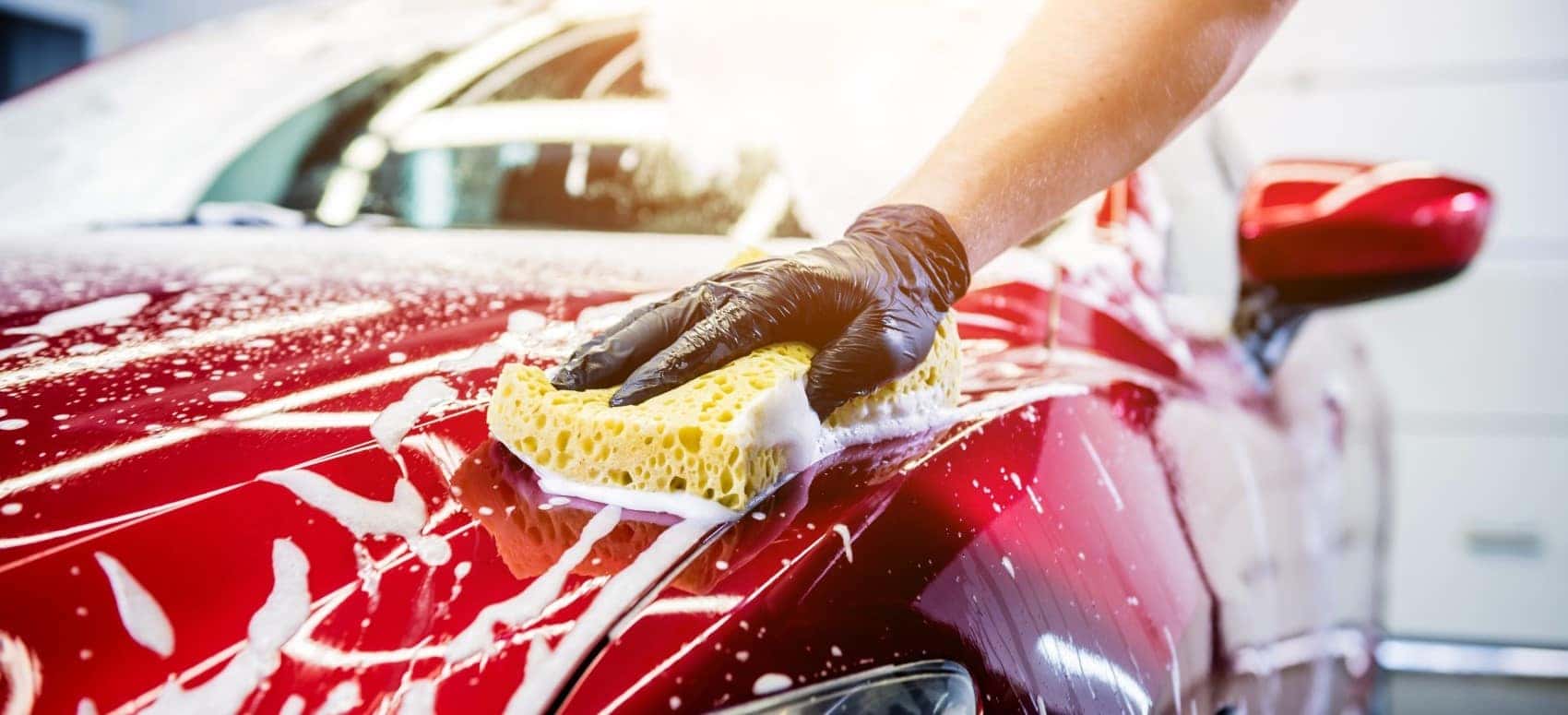
Frequent washing can cause wear and tear on the car’s surface. The paint might get thin. Over time, this can lead to scratches. Using rough cloths adds to this problem. Even soft cloths, if dirty, can scratch. Tiny dirt particles are harmful. They act like sandpaper on your car. Be gentle with your car’s surface.
Washing too much can damage the car’s paint. Some soaps are harsh. They remove the shine. This makes the car look dull. Frequent washing can also cause fading. The sun adds to this damage. Always use car-friendly soap. Protect the paint with wax. This keeps your car looking new.
Benefits Of Regular Car Washing
Keeping your car clean makes it look shiny and new. Dirt can make cars look old. A clean car is nice to see. Friends will notice your clean car. It’s like wearing clean clothes. Everyone likes a clean car.
Regular washing helps protect the car’s paint. Dust and mud can hurt the paint. Salt from roads can cause rust. Bird droppings can stain the surface. Washing removes these harmful substances. It keeps the car safe from damage. It helps the car last longer. Clean cars stay strong.
Signs Of Over-washing
Fading paint can be a big problem. Frequent washing removes the car’s protective layer. The sun’s rays can then harm the paint. Your car’s color might look dull and old. This happens more with dark-colored cars. They absorb more sunlight and heat. Keep an eye on your car’s paint.
Swirl marks and scratches are common too. Using rough cloths can scratch the car. Dirt and dust act like sandpaper. They create tiny scratches on the surface. These scratches can become visible swirls. Always use soft, clean cloths when washing. This helps avoid unwanted marks on your car.

Credit: www.way.com
Choosing The Right Washing Technique
Frequent car washing can lead to paint damage and dull surfaces. It’s crucial to choose gentle techniques to protect your vehicle. Opt for soft cloths and mild detergents for a safer wash.
Hand Wash Vs. Automatic Wash
Hand washing can be gentle on your car. You control the pressure and products. This method is best for delicate paint. Automatic wash is quick. It saves time but can be rough. Brushes may scratch the surface. Automatic wash is often cheaper. Consider your car’s needs before choosing.
Use Of Proper Products
Using the right products is important. Choose cleaners made for cars. Household soap can harm the paint. Wax helps protect the finish. It makes the car shiny. Avoid harsh chemicals. They can damage the car’s surface. Read labels carefully before use.
Environmental Considerations
Water usage concerns are important when washing cars. Using too much water can waste resources. Many people use hundreds of gallons for one wash. This affects the environment. It’s better to use less water. Consider using a bucket instead of a hose. A bucket uses less water. This helps save water for everyone.
Choose eco-friendly washing solutions to protect nature. Regular soaps can harm plants and animals. Eco-friendly soaps are safer. These soaps break down in nature. They don’t harm fish or plants. Look for labels that say “biodegradable.” This means the soap is safe. Many stores sell these soaps. They are good for the earth and your car.
Frequency Guidelines For Car Washing
Washing your car depends on the season. In winter, dirt and salt stick to cars. Wash every week to protect the paint. In summer, wash every two weeks. Dust and pollen can build up. Spring and fall need a wash every ten days. Rain can leave spots.
Each season brings different needs. Winter salt can damage your car. Summer sun can fade the color. Spring pollen can stain the surface. Fall leaves can scratch the paint.
Climate affects how often you wash your car. Dry places need less washing. Wet areas need more care. Cities have more dust. Rural areas have mud and dirt. Coastal places have salt air. Salt can harm your car’s finish. Adjust your washing routine based on your location.
Maintaining Car’s Longevity
Regular washing keeps your car looking new. It removes dirt and dust. These can damage the paint. After washing, waxing is important. Wax protects the paint. It gives the car a shiny look. Over-washing can harm the car’s paint. It can strip away wax too quickly. Balance is key. Wash your car every two weeks. Wax every two months. This routine keeps the car healthy. It prevents rust and fading.
Routine checks are crucial for car health. Check engine oil often. It keeps the engine smooth. Look at the tire pressure. Tires need proper air. This saves fuel. Inspect the brakes too. Brakes ensure safety. Listen for strange sounds. They can mean trouble. Find issues early. Fix them before they grow big. Regular check-ups help the car last longer. They prevent costly repairs.

Credit: www.way.com
Myths And Misconceptions
Many people think washing your car a lot is bad. They fear it will damage the paint. But this is not always true. A clean car lasts longer. Dirt can harm your car’s body. So, washing is good. But it should be done right. Too much washing with harsh tools can scratch. Use soft sponges and good soap.
Some believe using dish soap is okay. But it’s not made for cars. It removes important oils from the paint. This can make your car look dull. Always use soap made for cars. Some also think rinsing is enough. But just water can’t clean well. Soap helps to remove dirt and grime. Drying with a towel is also important. This stops water spots.
Frequently Asked Questions
How Often Is Too Much To Wash Your Car?
Washing your car once every two weeks is ideal. Excessive washing can strip protective wax and damage paint. Consider weather conditions and driving habits to adjust frequency. Regular maintenance keeps your car clean without harming its finish.
How Do You Know If You Are Overwashing Your Car?
Overwashing your car can strip protective wax, cause paint dullness, or lead to rust. Look for faded paint, water spots, or scratches as signs. Reducing wash frequency and using appropriate products can help maintain your car’s finish.
Are Frequent Car Washes Bad?
Frequent car washes are not bad if done correctly. Use gentle products and techniques to protect the paint. Avoid abrasive materials that can scratch the surface. Regular washing helps maintain your car’s appearance and value. Make sure to dry the car properly to prevent water spots.
Is It Okay To Wash Your Car Once A Week?
Yes, washing your car weekly is generally okay. It helps maintain appearance and prevents damage from dirt buildup. Regular cleaning can protect paint and prolong your car’s lifespan. Ensure you use appropriate cleaning products to avoid harm. Always consider weather conditions and environmental factors.
Conclusion
Washing your car often has benefits. But be mindful of frequency. Over-washing can strip wax and protective layers. It may lead to scratches and paint damage. Balance is key for car care. Choose gentle products and methods. Consider weather conditions when planning washes.
Regular cleaning keeps your car looking sharp. But excessive washing might not be ideal. Prioritize quality over quantity. Find a routine that suits your car’s needs. Your car deserves the right care for long-lasting shine.