Is It Cheaper to Own a Motorcycle Or Car: Cost Comparison Revealed
Are you trying to figure out whether owning a motorcycle or a car will save you more money? You’re not alone.
Choosing the right vehicle isn’t just about style or convenience—it’s about what fits your budget best. Imagine cutting your monthly expenses without sacrificing your freedom to travel. This article will break down all the costs you need to consider, helping you make a smart choice that works for your wallet.
Keep reading, and you’ll discover which option really gives you the most bang for your buck.
Initial Purchase Costs
Buying a vehicle starts with the initial purchase cost. This cost can vary a lot between motorcycles and cars. Understanding these costs helps decide which option fits your budget better.
Price Range For Motorcycles
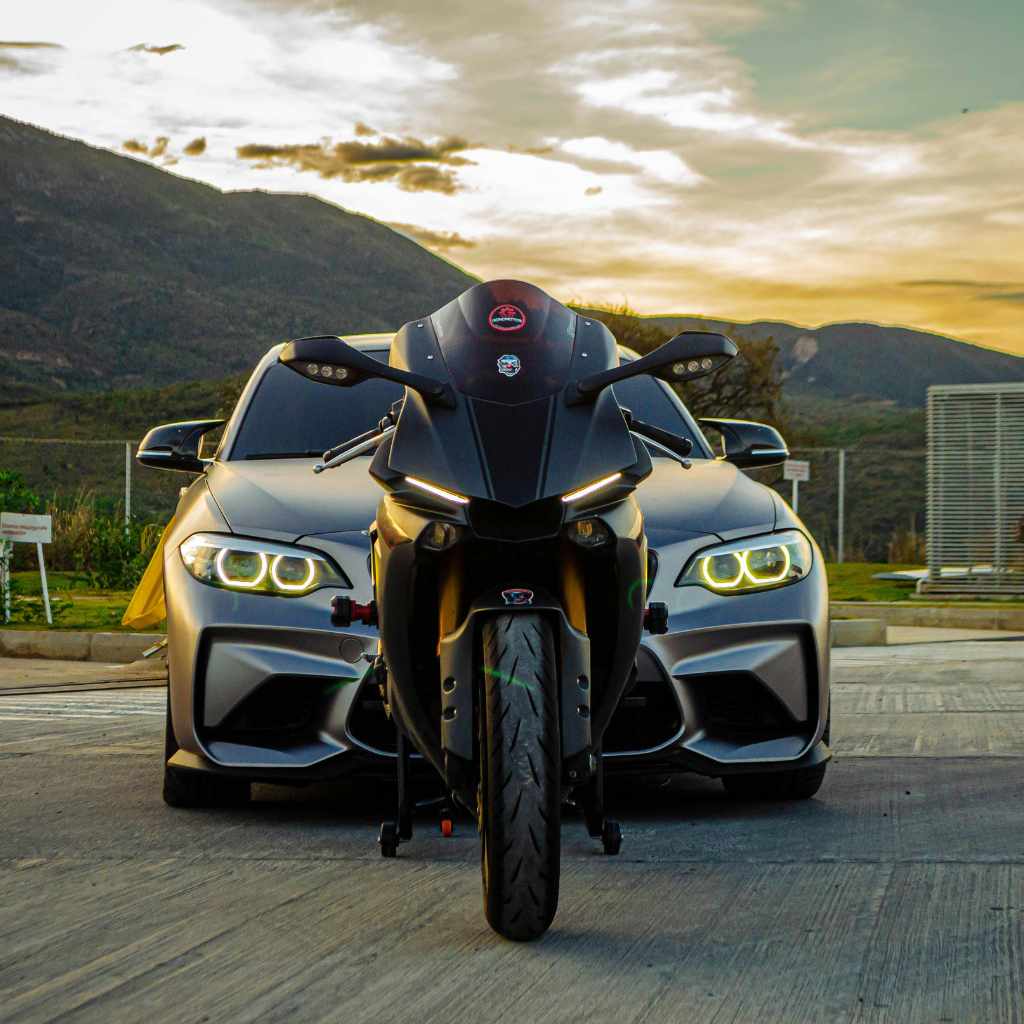
Motorcycles usually cost less than cars. Basic models start around $3,000 to $5,000. Mid-range bikes can go up to $10,000 or more. High-end motorcycles cost $15,000 and above. The price depends on the brand, style, and engine size.
Price Range For Cars
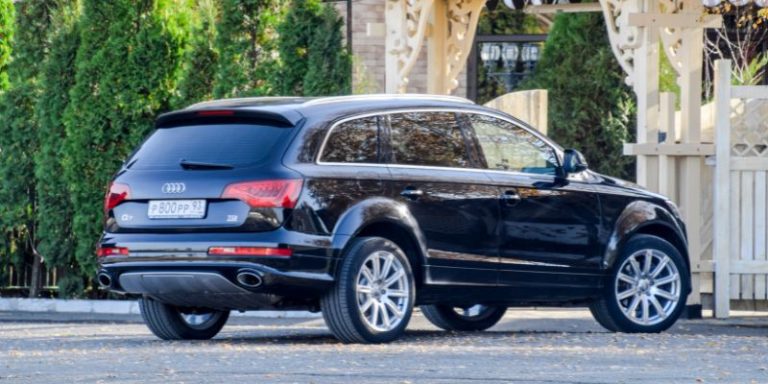
Cars generally have higher starting prices. New economy cars often start near $20,000. Mid-size sedans usually cost between $25,000 and $35,000. Luxury and large SUVs can cost over $50,000. The cost varies with features, fuel type, and safety options.
Financing Options
Both motorcycles and cars can be bought with financing. Loan terms usually range from 24 to 72 months. Interest rates depend on credit score and lender policies. Down payments lower monthly payments. Some dealers offer special financing deals or promotions.
Fuel Efficiency And Expenses
Fuel efficiency plays a big role in deciding between a motorcycle and a car. Fuel costs can add up fast. Choosing the right vehicle can save money every month. Understanding how much fuel each uses helps compare expenses clearly.
Average Mileage Of Motorcycles
Motorcycles usually give better mileage than cars. Most motorcycles run between 40 and 60 miles per gallon (mpg). Some small models even reach 70 mpg. This means they need less fuel to travel the same distance.
Average Mileage Of Cars
Cars generally get lower mileage than motorcycles. The average car gets about 25 to 30 mpg. Larger cars and SUVs often use more fuel. Electric and hybrid cars have different fuel costs but can be pricey upfront.
Fuel Cost Comparison
Fuel costs depend on mileage and fuel price. Motorcycles use less fuel, so they cost less to fill up. Cars need more fuel, which means higher monthly expenses. Over time, motorcycles save more money on fuel. Fuel price changes also affect these savings.
Maintenance And Repair Costs
Maintenance and repair costs play a big role in deciding if a motorcycle or car is cheaper to own. Both need regular care to run well and last long. The costs can add up over time. Understanding these expenses helps you save money and avoid surprises.
Routine Maintenance For Motorcycles
Motorcycles need regular oil changes, usually every 3,000 to 5,000 miles. Tires wear out faster and need frequent checks. Chain lubrication and adjustments are vital for smooth rides. Brake pads need to be checked often due to quick wear. Motorcycles have fewer parts, so some maintenance tasks cost less.
Routine Maintenance For Cars
Cars require oil changes every 5,000 to 7,500 miles. Tire rotations and replacements happen less often than motorcycles. Brake systems last longer but still need regular checks. Cars have complex systems like air conditioning and electronics that require upkeep. Routine maintenance on cars can cost more due to these parts.
Common Repair Expenses
Motorcycle repairs can be cheaper but depend on the model. Fixing the engine or electrical parts may cost less than cars. However, some parts are expensive because they are specialized. Car repairs tend to cost more, especially for engine, transmission, and suspension. Labor costs for cars are usually higher due to complexity.
Insurance Premiums
Insurance premiums play a big role in deciding whether a motorcycle or car is cheaper to own. These costs vary based on many factors. Understanding what affects these premiums helps you make a smart choice.
Factors Affecting Motorcycle Insurance
Insurance for motorcycles depends on the bike’s type and engine size. Sport bikes usually cost more to insure than cruisers. Rider experience and age also matter. New riders or younger drivers pay higher rates. Where you live can change the price too. Urban areas tend to have higher premiums. The coverage level you choose affects the cost. Basic liability insurance is cheaper than full coverage.
Factors Affecting Car Insurance
Car insurance depends on the vehicle’s make and model. Luxury and sports cars cost more to insure. The driver’s history is important. Safe drivers get lower rates. Age and gender also influence premiums. Location matters for cars as well. High traffic or crime areas raise insurance costs. Coverage type and deductible choices impact the final price.
Typical Insurance Costs
Motorcycle insurance often costs less than car insurance. On average, motorcycle premiums are lower by hundreds annually. Basic motorcycle insurance can start around a few hundred dollars. Car insurance usually starts higher, often over a thousand dollars yearly. Costs rise with added coverage or poor driving records. Compare quotes carefully before deciding.
Depreciation And Resale Value
Depreciation and resale value play a big role in the cost of owning a vehicle. They affect how much money you lose or gain over time. Knowing these factors helps you decide if a motorcycle or car is cheaper to own. Both types of vehicles lose value, but at different rates and patterns.
Depreciation Rates For Motorcycles
Motorcycles usually lose value faster in the first few years. The rate can be around 30% to 50% in the first year. After that, the drop slows down. Some bikes hold value better if they are rare or well-maintained. Sports bikes tend to lose value quicker than cruisers or touring motorcycles.
Depreciation Rates For Cars
Cars lose value steadily over time. On average, a new car loses about 20% to 30% of its value in the first year. The value drops around 15% each year after that. Luxury cars lose value faster. Economy cars and popular brands keep value better. Maintenance and mileage also affect depreciation.
Resale Market Trends
The resale market for motorcycles can be strong for certain models. Vintage and limited-edition motorcycles often sell well. Seasonal demand affects motorcycle prices. Cars have a larger resale market and more buyers. Fuel-efficient and reliable cars often keep better resale value. Market trends can shift based on fuel prices and economy.
Parking And Storage Costs
Parking and storage costs are important when choosing between a motorcycle and a car. These expenses affect the total cost of ownership. Parking fees and storage needs differ a lot for motorcycles and cars. Understanding these differences helps you save money every month.
Parking Fees For Motorcycles
Motorcycles usually pay less for parking. Many cities offer free or cheaper motorcycle spots. Motorcycles take less space, so parking areas can fit more bikes. This lowers the cost for riders. Parking a motorcycle is easier in busy places. This convenience saves time and money.
Parking Fees For Cars
Cars often pay higher parking fees. They need larger spaces than motorcycles. Parking lots charge more for car spaces. In busy areas, finding cheap car parking is harder. Monthly parking permits for cars cost more. These fees add up over time.
Storage Considerations
Motorcycles need less storage space at home. A garage or small shed can fit a bike easily. This means lower costs for building or renting storage. Cars require bigger garages or driveways. Renting car storage can be expensive. Weather protection is important for both vehicles. Proper storage can reduce repair costs later.
Safety And Accident Costs
Safety and accident costs play a big role in deciding whether a motorcycle or car is cheaper to own. Accidents can cause serious financial strain. Medical bills and repair costs may add up fast. Understanding the risks helps you plan better.
Risk Factors For Motorcyclists
Motorcyclists face higher risks on the road. Bikes offer less protection than cars. Riders are more exposed to weather and road hazards. Balance is critical; a small mistake can cause a fall. Many accidents happen because motorcycles are less visible to drivers.
Risk Factors For Car Drivers
Car drivers have some safety advantages. Cars have seat belts, airbags, and strong frames. Still, accidents happen due to distractions or bad weather. Speeding and drunk driving increase risks. Collisions with other vehicles or objects can cause injuries and damage.
Potential Medical And Repair Costs
Motorcycle accidents often lead to serious injuries. Medical treatment can be expensive and long-term. Repair costs vary but can be high for motorcycles. Car accidents might cause less severe injuries. Repairing cars can cost more due to complex parts. Insurance may cover some expenses but not all.
Lifestyle And Usage Impact
Choosing between a motorcycle and a car depends a lot on your lifestyle and how you plan to use the vehicle. Costs do not only come from buying or repairing. Daily habits and travel needs also change the total expense. Understanding these factors helps decide which is cheaper and fits your life better.
Daily Commute And Convenience
Motorcycles save time during rush hours. They can move through traffic faster. Parking is easier and often cheaper. Cars offer more comfort and space. They protect you from weather and carry more passengers. If your commute is short, a motorcycle might be cheaper and faster.
Long-distance Travel Expenses
Cars generally cost less for long trips. They hold more fuel and offer better comfort. Motorcycles use less fuel but need more breaks. You might spend on extra gear for safety. Maintenance after long rides may add costs. Think about how often you travel far before choosing.
Weather And Seasonal Costs
Motorcycles expose you to rain, cold, and sun. You may need special clothes and gear. Cars keep you dry and warm all year. They require fuel and maintenance for heating and air conditioning. In winter, motorcycles may be risky or unusable. Weather affects costs and daily use strongly.
Overall Cost Comparison
Choosing between a motorcycle and a car means thinking about costs. Both have different expenses. Understanding these helps in making smart decisions. Let’s compare their overall costs.
Costs vary by time and use. Some pay less at first but more later. Others spend more upfront but save over years. Knowing these details matters.
Short-term Vs Long-term Costs
Motorcycles usually cost less at the start. They need less fuel, saving money daily. Insurance also tends to be cheaper. Maintenance costs can be low if the bike is small.
Cars have higher buying prices. Fuel costs go up because cars use more gas. Repairs may cost more but happen less often. Cars keep value longer but need big investments.
Long-term, motorcycles may need more care. Parts can wear faster. Some riders spend more on safety gear and upgrades. Cars, though costly, often last longer with regular care.
Cost-effectiveness By User Type
Daily commuters who ride alone save more with motorcycles. They pay less for fuel and parking. City riders enjoy easy parking and traffic moves.
Families or people carrying more passengers benefit from cars. Cars offer space and comfort. They also protect better from weather and accidents.
Seasonal users might find motorcycles cheaper. They use bikes only in good weather, lowering yearly costs. People needing year-round travel find cars more practical.
Frequently Asked Questions
Is Owning A Motorcycle Cheaper Than A Car?
Yes, motorcycles generally cost less to buy, insure, and maintain than cars. Fuel efficiency and lower taxes also reduce overall expenses, making motorcycles a budget-friendly choice for many.
What Are The Insurance Cost Differences Between Motorcycles And Cars?
Motorcycle insurance is often cheaper but varies by model and location. Cars typically have higher insurance premiums due to greater repair costs and higher accident rates.
How Do Fuel Costs Compare For Motorcycles And Cars?
Motorcycles usually have better fuel efficiency than cars, lowering fuel expenses. However, the exact savings depend on the engine size and driving habits.
Are Maintenance Costs Lower For Motorcycles Than Cars?
Motorcycles tend to have lower maintenance and repair costs because they have fewer parts. However, specialized servicing and safety gear can add to expenses.
Conclusion
Choosing between a motorcycle and a car depends on your needs and budget. Motorcycles often cost less to buy and maintain. Cars offer more comfort and space but come with higher expenses. Fuel costs, insurance, and repairs vary for each.
Think about where you live and how you travel daily. Your lifestyle should guide your choice. Both vehicles have benefits and costs to consider carefully. The right option fits your personal situation best.