Fuel Types for Cars: Gasoline, Diesel, Electric & More Explained
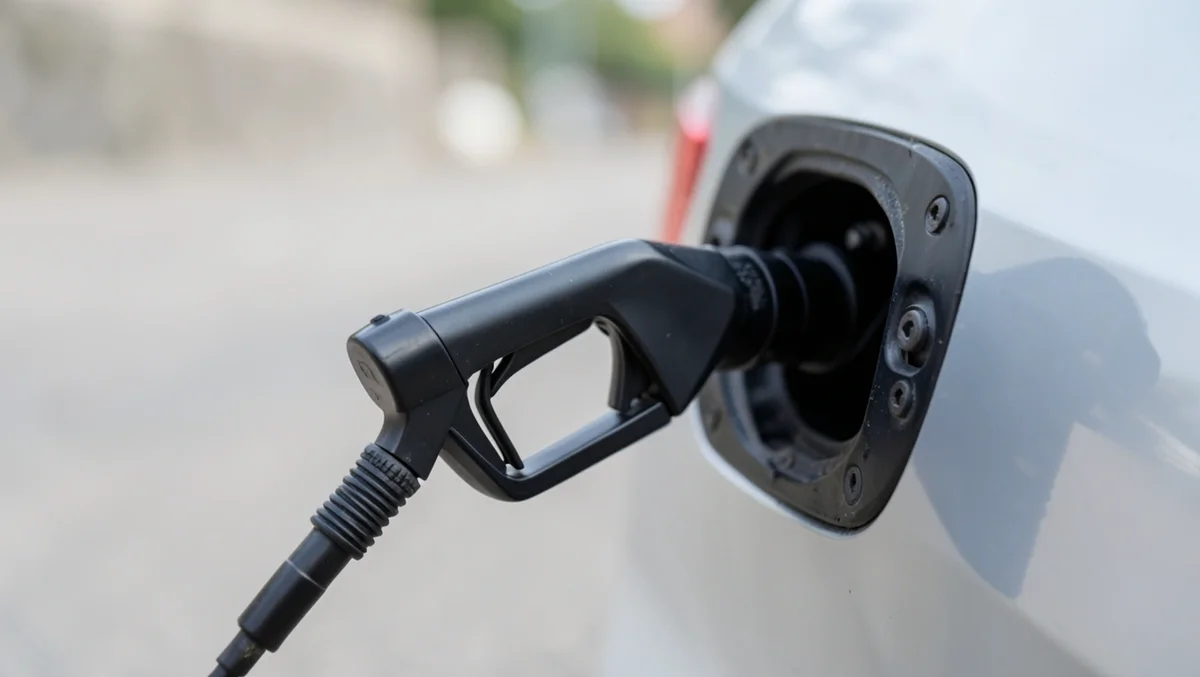
Cars run on eight main fuel types today: gasoline, diesel, electricity, hybrid gasoline-electric power, ethanol blends (E15 and E85), compressed natural gas (CNG), biodiesel, and hydrogen. Gasoline still fuels the vast majority of vehicles on the road, but which option makes sense for you depends on your vehicle, your budget, and what is actually available near you.
Some of these fuels, like gasoline and diesel, are available at almost every gas station. Others, like hydrogen, are limited to a handful of stations in one state. This guide breaks down what each fuel type actually is, how it differs from the others, and what to check before you assume your car can run on it.
The 8 Main Fuel Types for Cars
- Gasoline – the standard fuel for most cars, sold in regular, midgrade, and premium octane grades
- Diesel – more fuel-efficient and torque-heavy, common in trucks and long-distance vehicles
- Electric – battery-powered, zero tailpipe emissions, charged instead of fueled
- Hybrid – combines a gasoline engine with an electric motor for better efficiency
- Ethanol blends (E15, E85) – gasoline mixed with plant-based ethanol, with compatibility limits by vehicle
- Compressed natural gas (CNG) – a cheaper, cleaner-burning gas used mostly in fleet and converted vehicles
- Biodiesel – a renewable diesel blend made from vegetable oils or animal fats
- Hydrogen – a fuel-cell option that emits only water vapor, currently limited almost entirely to California
GAS ENGINE MAINTENANCE PICK
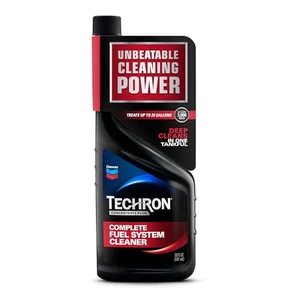 |
Chevron Techron Concentrate Plus Fuel System Cleaner – $16.99 Whichever gasoline grade your car takes — regular, midgrade, or premium — carbon deposits build up in the fuel system over time, and a cleaner like this helps clear them out.
|
Gasoline: Regular, Midgrade, and Premium Explained
Gasoline is the default fuel for most passenger cars, and it comes in three octane grades: regular (87), midgrade (89 to 90), and premium (91 to 94). Octane rating measures how well a fuel resists “knocking,” the uncontrolled early ignition that can happen inside a hot, high-compression engine.
Most everyday engines are designed and tuned for 87-octane regular gas, and paying extra for premium in a car that only requires regular does not improve performance. Premium only matters for engines that specifically call for it — typically turbocharged or high-compression engines found in performance and luxury models. Your owner’s manual will say whether premium is “required” or just “recommended,” and that distinction matters for whether skipping it can cause real damage.
| Grade | Typical Octane | Who Actually Needs It |
|---|---|---|
| Regular | 87 | Most everyday cars, SUVs, and trucks |
| Midgrade | 89–90 | A small number of engines that specify it; otherwise optional |
| Premium | 91–94 | Turbocharged and high-compression performance or luxury engines |
Diesel Fuel
Diesel engines generally deliver better fuel economy and significantly more low-end torque than a comparable gasoline engine, which is why diesel dominates in pickup trucks, heavy-duty vehicles, and long-distance driving. Diesel fuel itself carries more energy per gallon than gasoline, and diesel engines run at a higher compression ratio, both of which contribute to the efficiency advantage.
Modern diesel vehicles run far cleaner than older ones. Ultra-low-sulfur diesel fuel, combined with diesel exhaust fluid (DEF) injected into the exhaust stream, cuts nitrogen oxide and particulate emissions dramatically compared to pre-2010 diesel technology. One real limitation to know about: diesel fuel can gel and thicken in very cold temperatures, which is why gas stations in colder climates switch to a winter-blend diesel during the coldest months.

Ethanol Blends: E15 and E85 (Flex Fuel)
E15 is gasoline blended with up to 15% ethanol. The EPA has allowed year-round E15 sales through a series of waivers since 2021, including a nationwide summer-driving-season waiver issued in March 2026. E15 is approved for gasoline-powered vehicles from model year 2001 onward — you do not need a flex-fuel vehicle to use it.
E85 is a different story. It contains anywhere from 51% to 83% ethanol, with the exact blend adjusted by season and region for reliable cold-weather starting. E85 can only be used safely in a flex-fuel vehicle (FFV), which has an engine and fuel system specifically built to handle high ethanol content. For the 2026 model year, only a handful of automakers — mainly Buick, Chevrolet, and GMC — still build FFVs, so do not assume your car can take E85 without checking your owner’s manual or the fuel door label first.
Electric (Battery Electric Vehicles)
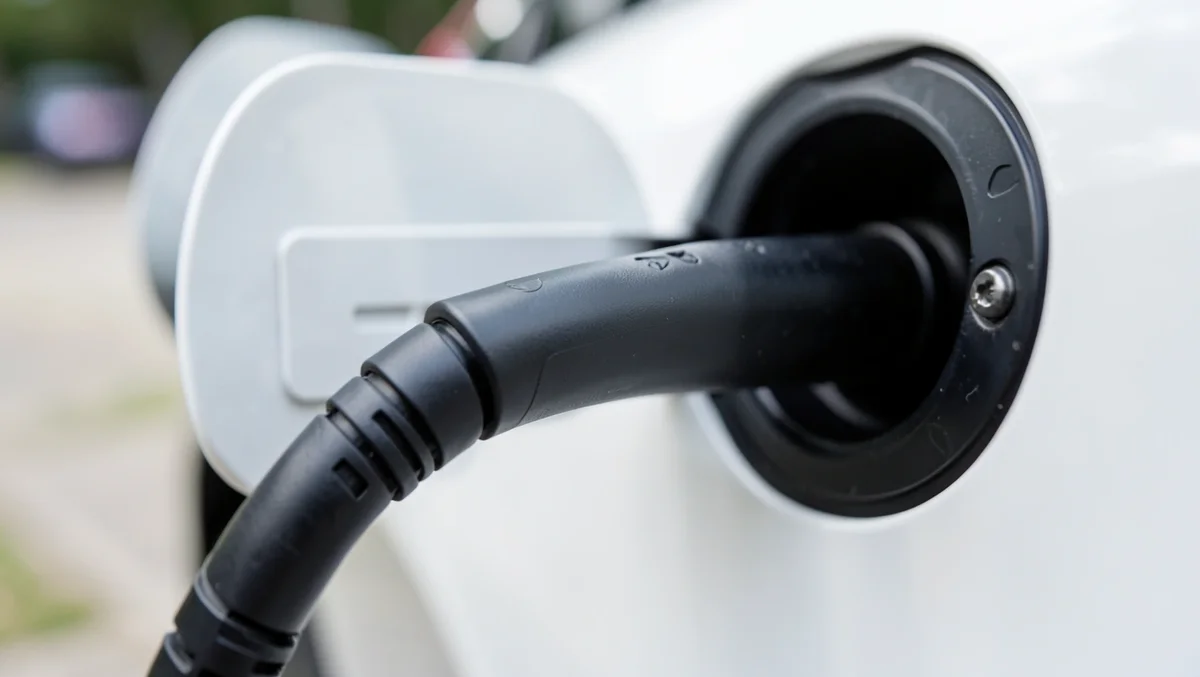
Electric vehicles run entirely on a battery pack instead of burning fuel, which means zero tailpipe emissions. Instead of a fuel grade, EV owners choose a charging speed. Level 1 charging uses a standard 120-volt household outlet and adds roughly 3 to 5 miles of range per hour — slow, but usable overnight. Level 2 charging runs on a dedicated 240-volt circuit (the same voltage as an electric dryer) and adds about 25 to 40 miles of range per hour, which is what most home EV chargers use.
DC fast charging (sometimes called Level 3) uses high-power commercial stations and can take most EVs from 10% to 80% charge in roughly 20 to 40 minutes. A handful of newer 800-volt vehicles can do the same charge in as little as 18 to 22 minutes. For most owners, the practical routine is Level 2 charging at home overnight and DC fast charging only for longer trips — and it helps to understand how those public charging stations actually get their power before you rely on them for a road trip.
Hybrid (HEV) and Plug-In Hybrid (PHEV)
A standard hybrid (HEV) pairs a gasoline engine with an electric motor and a small battery that recharges itself through regenerative braking and the engine — there is nothing to plug in. The car automatically switches between gas and electric power, or blends both, to improve fuel economy over a gas-only engine of the same size — and yes, every hybrid still needs regular trips to the gas pump, since the gasoline engine never fully goes away.
A plug-in hybrid (PHEV) adds a larger battery that you charge like an EV, letting the car drive a limited distance — often 20 to 40 miles — on electric power alone before the gasoline engine takes over. That makes a PHEV a middle option between a regular hybrid and a full EV: shorter daily trips can be all-electric, while longer trips still rely on gasoline with no range anxiety.
Compressed Natural Gas (CNG)
CNG is natural gas compressed and stored in a pressurized tank, and it burns cleaner and typically costs less per gallon-equivalent than gasoline. The catch is infrastructure: the US has roughly 1,385 public CNG stations spread across 47 states and Washington, DC, with California alone accounting for more than 300 of them. That is a fraction of the roughly 145,000 gas stations selling regular gasoline, which is why CNG is used mostly in fleet vehicles, city buses, and converted vehicles rather than everyday commuter cars.
Biodiesel
Biodiesel is a renewable fuel made from vegetable oils, used cooking oil, or animal fats, and it is blended with regular petroleum diesel at different ratios. B5 (up to 5% biodiesel) is approved for use in any diesel engine without modification and is common at the pump without most drivers even noticing. B20 (roughly 6% to 20% biodiesel) is the most widely used higher blend, offering a meaningful emissions reduction while still working reliably in most diesel engines.
Like regular diesel, biodiesel can thicken and gel in very cold weather, and that risk increases as the biodiesel percentage goes up — B20 needs more cold-weather care than B5. Fleets have logged millions of miles running B20 through winter, but it is still worth checking your vehicle manufacturer’s guidance before using a higher blend in a cold climate.
Hydrogen Fuel Cell
Hydrogen fuel cell vehicles, like the Toyota Mirai, Hyundai Nexo, and Honda CR-V e:FCEV, generate their own electricity on board by combining hydrogen with oxygen, producing only water vapor as a byproduct. Refueling takes just a few minutes, similar to gasoline, which is the main advantage hydrogen has over battery EVs.
The practical problem is availability. Public hydrogen stations are concentrated almost entirely in California, and even there, the state’s own projections put the total around 129 stations by 2030 — a very small number next to gasoline’s nationwide footprint. Unless you live in California, hydrogen realistically is not an option yet.
Fuel Type Comparison at a Glance
| Fuel Type | Where to Get It | Refuel or Charge Time | Tailpipe Emissions |
|---|---|---|---|
| Gasoline | Nearly everywhere | 2–5 minutes | Yes |
| Diesel | Most stations | 2–5 minutes | Yes (lower with DEF) |
| Electric | Home or public chargers | 20 min–overnight | None |
| Hybrid | Nearly everywhere (gasoline) | 2–5 minutes | Yes, reduced |
| E15 / E85 | Select stations | 2–5 minutes | Yes, reduced |
| CNG | ~1,385 US stations | 5–10 minutes | Yes, reduced |
| Biodiesel | Select diesel stations | 2–5 minutes | Yes, reduced |
| Hydrogen | Mostly California only | 3–5 minutes | None (water vapor) |
Which Fuel Type Should You Choose?
For most drivers, the choice comes down to three questions: what your vehicle is actually built to run on, what is available near you, and how you use the car day to day. If you drive mostly around town and can charge at home, weighing an EV against a comparable petrol car can cut your fuel costs significantly. If you regularly tow, haul, or drive long distances, diesel’s torque and efficiency are hard to beat. If you just need a reliable daily driver with fuel available everywhere, regular 87-octane gasoline remains the simplest, most flexible option.
Alternative fuels like E85, CNG, biodiesel, and hydrogen can make sense in specific situations, but only if your vehicle is actually built for them and the fuel is realistically available where you live and drive. Always confirm compatibility in your owner’s manual before switching to anything other than what your car shipped with.
Frequently Asked Questions
What Are the Main Fuel Types for Cars?
Cars today run on eight main fuel types: gasoline, diesel, electricity, hybrid gasoline-electric power, ethanol blends like E15 and E85, compressed natural gas (CNG), biodiesel, and hydrogen. Gasoline remains the most common by far, but the mix is shifting as more electric and hybrid models reach the market.
Which Fuel Type Is Most Common in the US?
Gasoline. The vast majority of cars on US roads run on regular 87-octane gasoline, since most everyday engines are not built to need higher-octane premium fuel.
What Is the Difference Between Regular, Midgrade, and Premium Gas?
The difference is octane rating, not quality. Regular gas is 87 octane, midgrade is usually 89 to 90, and premium ranges from 91 to 94. Higher octane resists engine knock better, which only matters for high-compression or turbocharged engines that specifically call for it.
Is Diesel More Fuel-Efficient Than Gasoline?
Yes, in most cases. Diesel engines typically deliver better fuel economy and more low-end torque than comparable gasoline engines, which is why diesel is common in trucks and long-distance vehicles. Modern diesels also run cleaner than older models thanks to ultra-low-sulfur fuel and diesel exhaust fluid (DEF) emissions systems.
Can I Put E15 or E85 in Any Car?
No. E15 (up to 15% ethanol) is EPA-approved for gasoline vehicles model year 2001 and newer, but E85 (51% to 83% ethanol) can only be used in a flex-fuel vehicle (FFV). Check your owner’s manual or the fuel door label to confirm before filling up with either blend.
Are Electric Cars Really Better for the Environment?
Electric cars produce zero tailpipe emissions, which is a real advantage over gasoline or diesel. Their overall environmental impact still depends on how the electricity used to charge them is generated, but even accounting for that, EVs generally produce fewer lifetime emissions than comparable gas-powered cars.
Can Hybrid Cars Run on Gasoline and Electricity at the Same Time?
Yes. A standard hybrid (HEV) automatically blends gasoline and electric power without ever needing to be plugged in. A plug-in hybrid (PHEV) can also run on electric power alone for a limited range before switching over to gasoline.
Is Hydrogen Fuel Available Where I Live?
Almost certainly not, unless you live in California. Hydrogen fuel cell cars are sold in very limited numbers, and public hydrogen stations remain concentrated almost entirely in California, with only a small number of stations elsewhere in the country.
Conclusion
Gasoline is still the default fuel type for cars, and for most drivers it remains the simplest option because it is available everywhere and works in almost any vehicle. Diesel, hybrids, and EVs each offer real advantages for specific driving needs — efficiency, low emissions, or lower running costs — while CNG, biodiesel, and hydrogen stay niche options limited by where you can actually fuel up.
Before switching to anything other than what your car was designed for, check your owner’s manual and confirm the fuel is realistically available where you drive. The right fuel type is the one that matches your vehicle, your budget, and your daily routine — not just whichever one sounds the most efficient on paper.
Products related to this article
Sponsored / affiliate links. As an Amazon Associate I earn from qualifying purchases. I may earn additional commission from eligible campaigns.