What PSI to Wash a Car? Safe Range Is 1,200–1,900 PSI
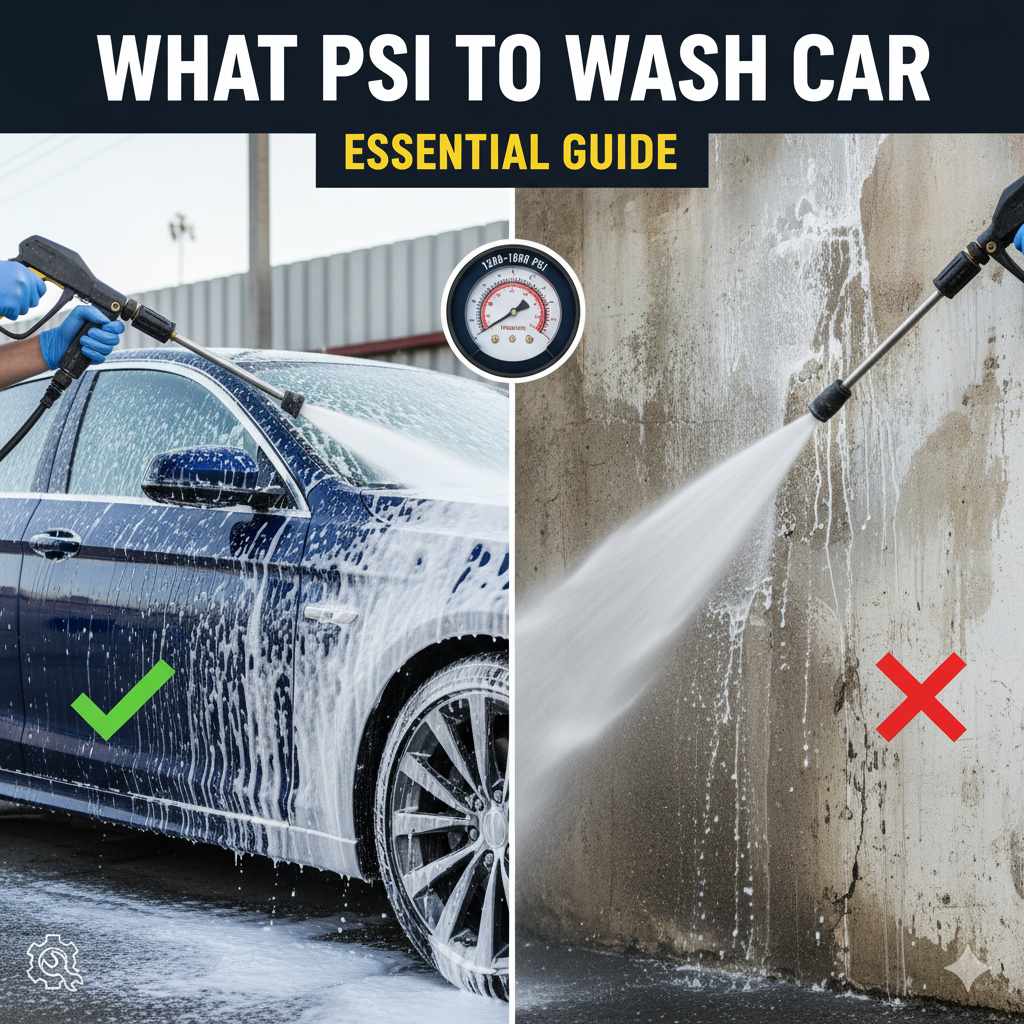
The safe PSI to wash a car is 1,200–1,900 PSI. Any higher risks stripping the clear coat; any lower won’t lift road grime and brake dust effectively. For most home car washing, a 1,400–1,600 PSI electric pressure washer with a 40-degree (white) nozzle held 18–24 inches from the paint hits the sweet spot. This guide covers the exact PSI range for every part of the car, which nozzle to use, safe washing distances, GPM requirements for foam cannons, and how to handle higher-PSI gas washers safely.
Quick Answer
The safe PSI to wash a car is 1,200–1,900 PSI using a 40-degree white nozzle held 18–24 inches from the paint. Electric pressure washers (1,200–1,600 PSI) are the safest choice for home use. Above 2,000 PSI risks chipping or dulling the clear coat. GPM should be 1.4–2.0 for cars; foam cannons need at least 1,100 PSI + 1.5 GPM.
Why Pressure Matters for Car Washing
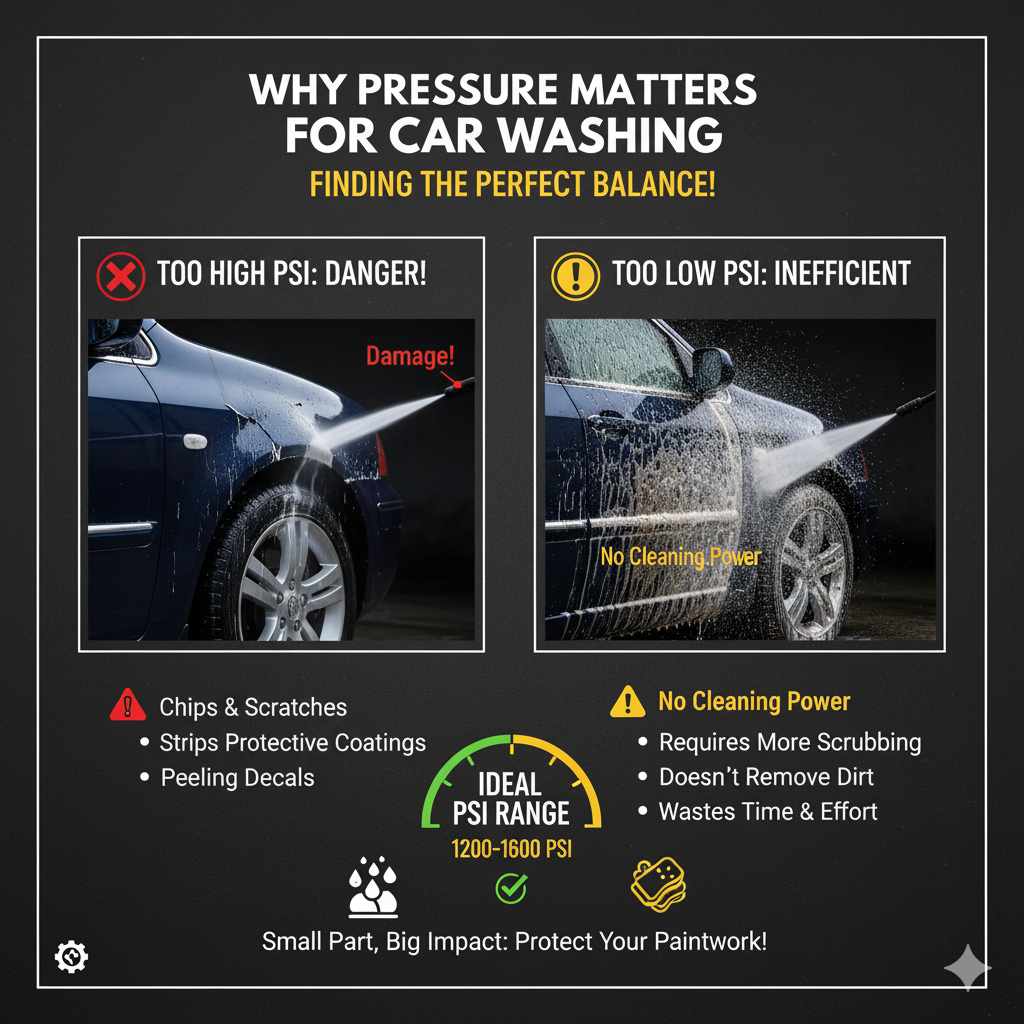
Using a pressure washer can make cleaning your car a breeze, much faster and more effective than a garden hose. But the key is using the right amount of force. Too much pressure can chip, scratch, or strip away protective coatings and decals. The wrong PSI can etch into the clear coat, leaving dull spots or forcing water into tiny cracks — potentially leading to rust. On the other hand, PSI that’s too low won’t remove caked-on dirt, brake dust, or road grime effectively, meaning you’ll have to scrub harder, which risks scratches. It’s about finding that precise balance.
Understanding Pressure Washer PSI
PSI stands for “Pounds per Square Inch” — a measurement of how much force the water is pushed out with. When you look at a pressure washer, you’ll often see two numbers: PSI and GPM (Gallons Per Minute). PSI controls impact force; GPM determines how much water carries dirt away from the surface. For car washing, the ideal PSI is your primary concern, but GPM matters too: 1.4–2.0 GPM is the sweet spot for cars. Higher GPM at lower PSI can clean just as effectively as high PSI at low GPM — with less risk of paint damage. Foam cannons specifically need a minimum of 1,100 PSI and 1.5 GPM to generate proper foam coverage.
How PSI Affects Your Car’s Finish
Your car’s paint is made up of several layers: primer, base coat (the color), and a clear coat on top. The clear coat gives your car its shine and protects the color underneath.
Too High PSI: High pressure can etch into the clear coat, leaving dull spots or removing it entirely. It can force water into cracks, causing rust. Delicate parts like rubber seals, plastic trim, and emblems can be damaged, torn, or dislodged.
Too Low PSI: Pressure that’s too low won’t remove caked-on dirt, brake dust, or road grime. You’ll have to get much closer or scrub harder — which can scratch the paint if you’re not careful.
What PSI is Generally Recommended for Cars?
Most auto detailing professionals suggest a PSI range powerful enough to clean but gentle enough to protect.
General Recommendation: For washing cars, a pressure washer set between 1,200 and 1,900 PSI is considered the safe sweet spot.
This range effectively removes dirt and grime without risking damage to your car’s finish. It’s powerful enough for a thorough clean but far less aggressive than industrial pressure washers used on concrete or driveways.
PSI, Nozzle, and Distance Quick Reference
PSI alone doesn’t determine safety — nozzle angle and distance from the paint work together. A 2,000 PSI washer with a 40-degree nozzle held 3 feet away delivers far less impact than the same PSI with a 15-degree nozzle at 12 inches. Use this table to match your setup to the right technique:
| PSI Range | Nozzle Color | Min. Distance from Paint | Safe For | Avoid On |
|---|---|---|---|---|
| 800–1,200 | Black (soap) | 12 in (30 cm) | Pre-soak, foam application | — |
| 1,200–1,600 | White (40°) | 18 in (45 cm) | Paint, glass, trim, emblems | — |
| 1,600–1,900 | White (40°) | 24 in (60 cm) | Paint, wheels, door jambs | Convertible tops |
| 2,000–2,500 | Green (25°) | 36 in (90 cm) minimum | Wheel wells, undercarriage | Painted panels |
| 2,500+ | Yellow (15°) | 48+ in — never near paint | Concrete, driveways only | All car surfaces |
Choosing the Right Pressure Washer for Your Car
Not all pressure washers are created equal. For most home car washing needs, an electric pressure washer is the best bet.
Electric vs. Gas Pressure Washers
Electric Pressure Washers: Lighter, quieter, and easier to control. They typically operate in the 1,200–1,900 PSI range — perfect for car washing — and are more environmentally friendly.
Gas Pressure Washers: More powerful (often 2,000+ PSI). Great for heavy-duty tasks like cleaning decks or driveways, but too powerful for car washing unless dialed back and used with the right nozzle at maximum safe distance.
For peace of mind when washing your car, an electric pressure washer is the safer and more practical choice for most drivers.
Key Features to Look For
- Adjustable Pressure Settings: Allows you to dial in exact PSI for different surfaces.
- Multiple Nozzle Attachments: Essential — different nozzles spray at different angles and pressures.
- 1.4–2.0 GPM: The ideal flow rate for car washing. Enough to carry dirt away without wasting water or over-pressurizing.
Understanding Pressure Washer Nozzles
The nozzle controls the spray pattern and the impact force of the water. Using the wrong nozzle is one of the fastest ways to damage your car’s paint — even at a safe PSI.
Common Nozzle Types and Their Uses
| Nozzle Color | Spray Angle | PSI Intensity | Best Use For Cars |
|---|---|---|---|
| Red | 0° (pencil jet) | Very High | NEVER use on car paint. Hard surfaces only — far from vehicles. |
| Yellow | 15° | High | Extreme caution. Wheels/undercarriage from distance only. |
| Green | 25° | Medium-High | Wheel wells and engine bay from safe distance. Not for paint. |
| White | 40° | Medium | Go-to nozzle for general car washing. Safe for paint, glass, and trim at 18–24 in. |
| Black | Soap/Detergent | Low | Applying soap or foam. Essential for pre-wash and foam cannon use. |
The Importance of Nozzle Selection for Car Safety
For car washing, avoid the narrow, high-pressure nozzles (red, yellow, and often green). They concentrate all force into a tiny spot, which is a recipe for clear coat damage.
The 40-degree white nozzle is your go-to for rinsing and general washing — it spreads water over a broader area, reducing direct impact. The black soap nozzle applies foam gently, letting it break down dirt without pressure. Always start with the widest-angle nozzle available and test on an inconspicuous area.
Step-by-Step Guide: Washing Your Car with a Pressure Washer
Step 1: Preparation is Key
- Gather supplies: pressure washer, 40° and soap nozzles, car wash soap, two buckets, wash mitt, wheel cleaner, microfiber drying towels.
- Park in shade — direct sun dries soap too fast, leaving spots.
- Pre-rinse with garden hose or soap nozzle to remove loose dirt before contact washing.
Step 2: Apply Car Wash Soap
- Attach the black soap nozzle.
- Fill the reservoir with car wash soap per manufacturer dilution instructions.
- Stand 1–2 feet from the car; spray evenly top to bottom.
- Allow 2–3 minutes dwell time — don’t let soap dry on the surface.
Step 3: Wash the Car (The Gentle Way)
- Switch to the 40-degree (white) nozzle.
- Rinse soap from top to bottom, keeping the wand at least 18–24 inches from the paint at all times.
- Use the two-bucket method for contact wash: one bucket with soap, one with clean rinse water. Rinse the mitt in the clean bucket after every panel.
- Be extra gentle around emblems, badges, and rubber trim — use the wash mitt, not the pressure washer, on these areas.
Step 4: Rinse Thoroughly
- Switch back to the 40-degree white nozzle.
- Rinse the car top to bottom — remove all soap from paint, crevices, windows, and trim.
- Pay attention to door jambs and around the trunk lid where soap pools.
- A final garden hose rinse in “sheeting” mode helps water bead off, making drying easier.
Step 5: Drying the Car
- Use clean, high-quality microfiber drying towels — highly absorbent and scratch-free.
- Lay the towel flat and pull it across the surface; don’t rub or wring.
- Swap towels as they saturate — spreading moisture creates water spots.
- Don’t forget door jambs, mirrors, and wheels.
When NOT to Use a Pressure Washer on Your Car
Areas to Be Very Careful With
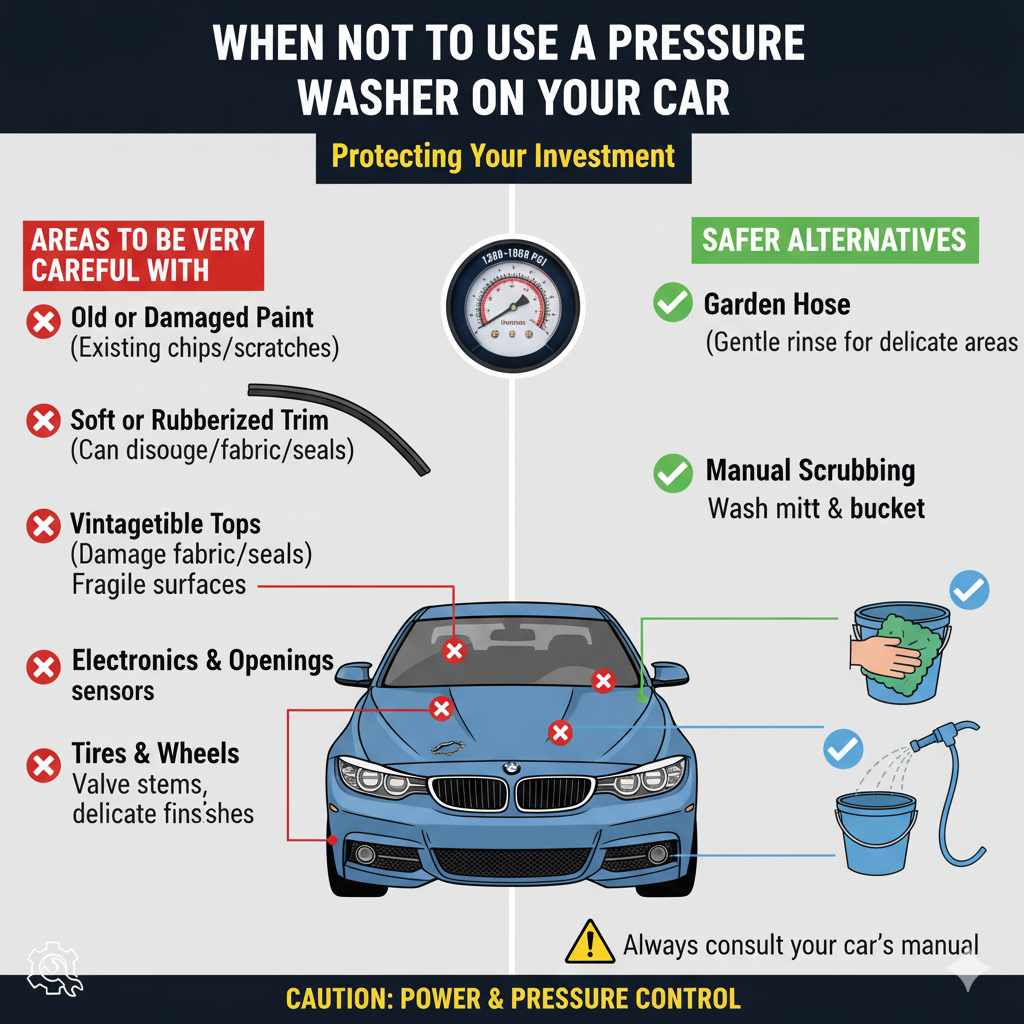
- Old or Damaged Paint: Paint chips, scratches, or peeling clear coat will worsen under pressure — even at safe PSI.
- Soft or Rubberized Trim: High pressure can damage or dislodge plastic trim and rubber molding.
- Convertible Tops: Fabric tops can be damaged by pressure washers. Use a gentle hose or specialized fabric cleaner.
- Vintage or Classic Cars: More fragile paint and trim — stick to traditional hand washing.
- Electronics and Air Intakes: Never spray directly into engine bays at high pressure, near air intakes, or at electrical sensors and fuse boxes.
- Tire Valve Stems and Delicate Wheel Finishes: Avoid direct high-pressure spray from close range.
Alternatives for Sensitive Areas
- Garden Hose: Always a safe fallback for delicate areas.
- Manual Scrubbing: Wash mitt and bucket for heavily soiled wheels or tight trim panels.
How to Safely Use Higher PSI Pressure Washers on Cars
If you only have access to a gas pressure washer above 1,900 PSI, you can still use it safely with the right adjustments.
Adjusting Your Technique for High-PSI Washers
- Use the widest nozzle available (40° or 65° if your washer has one).
- Increase distance to 3–4 feet (1–1.2 meters) from the paint. Pressure dissipates with distance.
- Keep the wand moving constantly — never let it linger on one spot.
- Use low-pressure soap mode to apply soap.
- Consider a pressure washer car wash kit with specialized low-pressure foam cannon tips.
- Test on a small, inconspicuous area first.
- When in doubt, use a garden hose — there’s no shame in it.
Recommended Tools and Accessories for Safe Washing
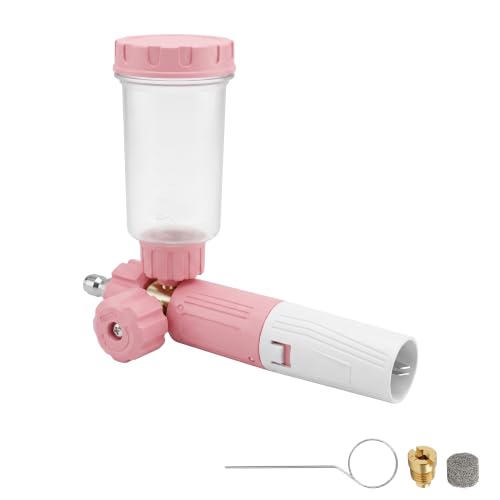
- Foam Cannon: Creates a thick foam layer that encapsulates dirt before contact washing. Needs 1,100+ PSI and 1.5+ GPM. Chemical Guys offers reliable options.
- Pressure Washer Detergent Tanks: Use soap specifically formulated for pressure washers, diluted correctly.
- Undercarriage Sprayer Attachment: Cleans the underside without contorting yourself — avoid sensitive components.
- Surface Cleaner Attachment: Great for driveways, too aggressive for car paint — keep it off the body.
Frequently Asked Questions
What is the safest PSI for washing a new car?
For a new car with factory paint, stay in the 1,200–1,500 PSI range. Use a 40-degree (white) nozzle and maintain at least 18–24 inches from the paint. New factory clear coats are quite durable, but erring lower prevents any risk.
Can a pressure washer damage my car’s paint?
Yes — if you use above 1,900–2,000 PSI, the wrong nozzle (red 0° or yellow 15°), or hold the wand too close. The most common damage is clear coat dulling, etching, or stripping at edges and body lines where the paint layer is thinner.
What nozzle should I use to pressure wash my car?
Use the black soap nozzle for applying foam or soap, and the white 40-degree nozzle for rinsing and general washing. These are the only two nozzles that should touch painted surfaces. Never use red (0°), yellow (15°), or green (25°) nozzles on car paint.
How far should I hold a pressure washer from my car?
At 1,200–1,600 PSI with a 40-degree nozzle, maintain at least 18 inches (45 cm). At 1,600–1,900 PSI, use 24 inches (60 cm). Above 2,000 PSI, stay 3–4 feet (90–120 cm) away. Distance is your best safety margin — pressure dissipates the further the wand is from the surface.
Can I use a foam cannon with any pressure washer?
No — foam cannons require a minimum of 1,100 PSI and 1.5 GPM to generate proper foam. A basic 800 PSI electric washer won’t produce thick foam. If your washer doesn’t meet the minimum, use a foam sprayer bottle instead — it achieves similar pre-soak results without requiring a pressure washer.
Products related to this article
Sponsored / affiliate links. As an Amazon Associate I earn from qualifying purchases. I may earn additional commission from eligible campaigns.