Is It Legal To Drive Someone Else’s Car? Essential Guide
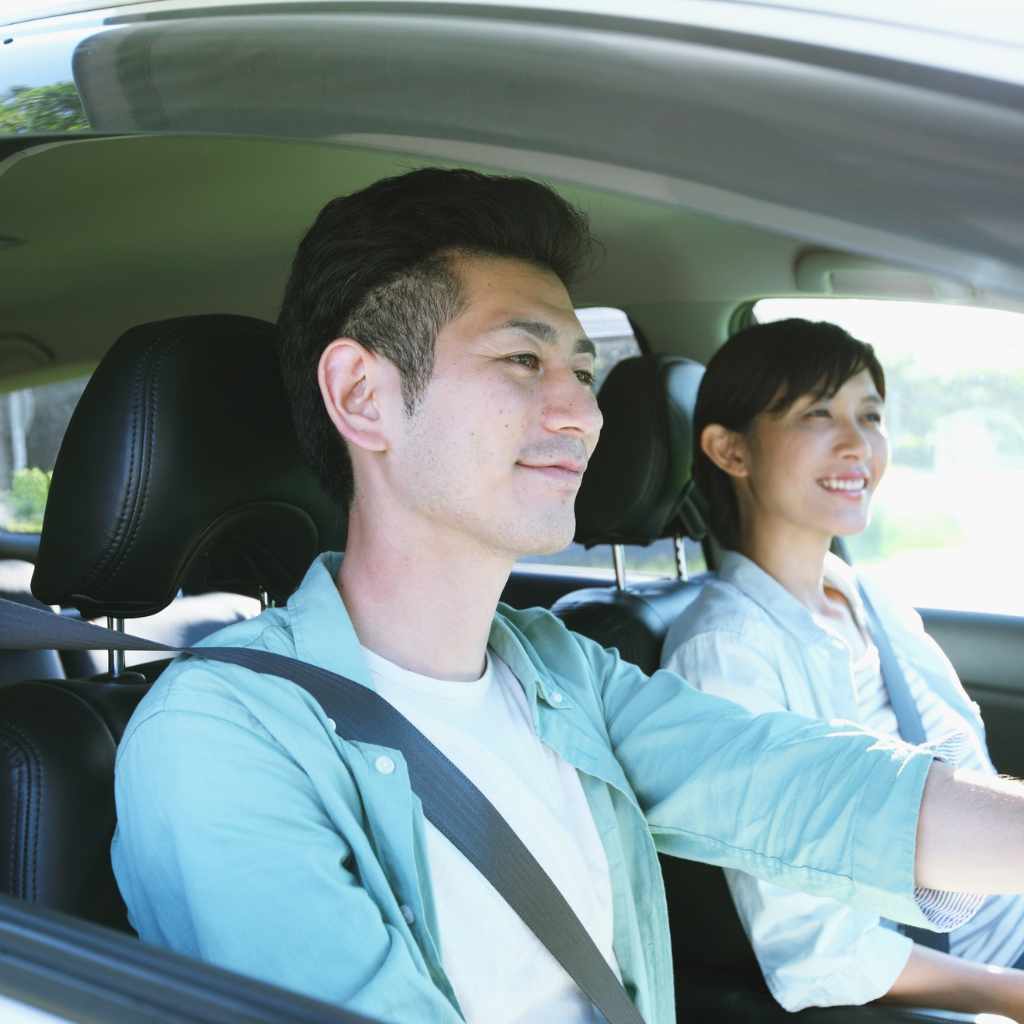
In most U.S. states, it is legal to drive someone else’s car if the owner gives you explicit permission and you have a valid driver’s license. However, legal permission doesn’t always mean insurance coverage travels with the car, so checking insurance status is crucial for avoiding legal and financial trouble.
Is It Legal to Drive Someone Else’s Car? The Essential Beginner’s Guide
Have you ever needed to borrow a friend’s car for a quick trip? Maybe you need to move something heavy, or perhaps your own car is in the shop. It happens to every driver. You might wonder, “Am I allowed to do this?” It feels like a simple question, but the answer involves a few important stops: permission, insurance, and local laws.
It can feel confusing and a little stressful when you are behind the wheel of a vehicle that isn’t yours. You want to be safe and follow all the rules. Don’t worry! As your trusted automotive guide, I’ll walk you through exactly what makes this practice legal and safe. We will break down the paperwork so you can drive with total confidence. Let’s learn the three key requirements for legally driving a borrowed vehicle.
The Shortest Answer: Yes, But With Conditions
Generally speaking, yes, it is perfectly legal to drive someone else’s car, provided you meet a few simple, common-sense conditions. The law primarily cares about two things: Do you have permission, and are you legally qualified to drive?
Think of it like borrowing tools. If your neighbor lets you use their lawnmower, it’s fine, provided you know how to operate it safely. Driving is similar, but the stakes are higher because safety and liability are involved.
Here are the three main pillars that support the legality of driving another person’s vehicle:
- Owner’s Consent: The owner must agree that you can drive their car.
- Your License: You must have a valid, current driver’s license that matches the type of vehicle you are driving.
- Insurance Awareness: While insurance usually follows the car, understanding coverage gaps is vital for protecting yourself financially.
Requirement 1: You Must Have the Owner’s Permission (Consent)
This is the most crucial rule. Driving someone else’s vehicle without their knowledge or permission is theft, regardless of your intentions. If you borrow a car from a friend or family member, you have explicit permission. If you take a car parked in a driveway without asking, it is illegal.
Actual vs. Implied Consent
Consent doesn’t always need to be a signed contract; it’s usually informal, but it must exist.
- Expressed Consent: This is when the owner says, “Yes, go ahead and take the car.” This is the clearest form of permission.
- Implied Consent: In some very specific family or household situations, consent might be implied (like a father letting his adult child use the family car stored in the garage). However, relying on implied consent can be risky in real-world scenarios, so always get a clear “yes.”
If the owner asks you to run an errand in their vehicle, even if they are not physically present, you are driving with their full legal consent.
Requirement 2: Your Driver’s License Status Matters
Even if the owner hands you the keys and says, “Go ahead,” you must be legally qualified to operate a motor vehicle. If you can’t legally drive your own car, you cannot legally drive anyone else’s.
What Makes a License Invalid?
Make sure your license is current. The following situations can immediately turn a legal drive into an illegal one:
- The license has expired.
- The license has been suspended or revoked due to previous driving infractions.
- You are driving a vehicle that requires a higher class of license (e.g., driving a large commercial van when you only have a standard passenger car license).
- You are driving outside the restrictions noted on your license (e.g., driving at night when your license requires daylight-only driving due to vision issues).
Always carry your physical license with you. If you are pulled over and cannot produce a valid license, the situation becomes complicated very quickly, even if you had permission to drive the vehicle.
Requirement 3: Understanding Car Insurance (The Tricky Part)
This is where most beginners get anxious, and it’s the part that requires the most homework. In the United States, auto insurance coverage generally follows the car, not the driver. This is known as “permissive use.”
If you are driving a friend’s car with their permission, your friend’s insurance policy usually pays first in the event of an accident. However, this is not universally true, and there are crucial exceptions.
The Concept of “Permissive Use”
Most standard personal auto insurance policies extend coverage to anyone driving the insured vehicle with the owner’s permission. This is “permissive use.”
However, some policies have specific clauses that exclude coverage for certain drivers, often called “Excluded Drivers” (if the owner specifically told their insurer not to cover you) or if the driver is using the vehicle commercially when the policy is personal.
When Does Your Insurance Step In?
If you cause an accident while driving someone else’s car, the owner’s primary insurance pays first, up to their policy limits. If damages exceed those limits, your own auto insurance policy—if you carry one—will often kick in as secondary or “excess” coverage. This is why carrying your own insurance is incredibly important, even if you rarely drive.
If you do not have your own insurance and the damages exceed the owner’s limits, you could be held personally liable for the remaining costs. This is why understanding how insurance applies is so important as a good defensive-driving practice.
| Scenario | Who Pays First? | Potential Personal Liability? |
|---|---|---|
| You have permission, owner has insurance. | Owner’s Insurance Coverage | Only if damages exceed owner’s limits. |
| You have permission, owner has NO insurance. | Your Insurance (if you have it) | High. You and the owner are liable for damages. |
| You drive without permission (theft/joyriding). | No coverage applies. | Complete personal liability. |
Checking State Laws: Where Differences Matter
While the principles of consent and licensing are broadly similar across the U.S., specific state laws can affect registration and insurance requirements. If you are driving a vehicle registered in a different state, you must still observe the laws of the state where you are currently driving.
For example, some states have stricter requirements regarding vehicle registration and proof of insurance that must be carried in the vehicle at all times. If the owner hasn’t updated their registration tags, you could be pulled over, even if you are driving perfectly legally otherwise.
For specific state vehicle code requirements, drivers should consult local Department of Motor Vehicles (DMV) websites. For instance, many states adhere to principles outlined by organizations like the Insurance Institute for Highway Safety (IIHS) regarding liability and required coverage levels. You can often find state-specific insurance minimums available through reputable sources like the USA.gov directory of state governments, which points to the proper state agency.
What If I Drive a Rental Car?
Driving a rental car is a slightly different scenario, but the core requirements still apply. When you rent a car, the rental agency is the owner. You are considered the primary temporary operator.
Before you ever drive off the lot, you must address insurance. Rental companies offer insurance add-ons (like Loss Damage Waivers or Liability Insurance). If you decline these, it is assumed that your personal car insurance coverage extends to the rental vehicle, or you are accepting full personal risk.
Key Takeaway: Always check with your personal insurance provider before renting or borrowing to confirm their exact rules regarding non-owned vehicles. Sometimes, your coverage caps when driving a rental.
Step-by-Step: Before You Take Keys to Someone Else’s Car
Being a responsible driver means being prepared. Follow this simple checklist before you ever start the engine of a borrowed vehicle. This prevents surprises if the worst happens.
The Pre-Drive Checklist
- Get Verbal Confirmation: Ask clearly, “Can I borrow your car to drive to the store?” Wait for a clear “Yes.”
- Verify Documentation: Check that the vehicle registration and proof of insurance card are inside the car. Note the policy number and expiration date if possible.
- Check Your License: Confirm your driver’s license is valid, current, and in your wallet.
- Discuss Insurance Limits: Ask the owner, “Do you mind if I use your insurance as primary coverage if I get into a minor fender-bender?” A nervous or hesitant response means you need to tread carefully.
- Inspect the Car: Take a quick walk around. Note pre-existing dents or scratches. Take a quick photo on your phone of the current condition to protect both yourself and the owner.
- Know the Vehicle: Understand how the car functions (especially if it’s a manual transmission or has unusual features). Know where the lights are!
Common Roadblocks and How a Beginner Driver Avoids Them
Many simple mistakes can lead to legal headaches. Here’s how to steer clear of common pitfalls when driving borrowed vehicles.
Roadblock 1: Letting an Unlicensed Friend Drive
You borrowed the car, and now your friend asks if they can take the wheel because they’re tired. Do not allow this. If they cause an accident, you, as the person entrusted with the vehicle, could face serious legal consequences for allowing an unauthorized driver to operate the car, depending on local liability laws.
Roadblock 2: The “Loaner” Vehicle Trap (Dealer/Repair Shops)
If your car is in the shop, the repair facility often lends you a ‘loaner’ vehicle. While you are technically driving a car owned by a business, these vehicles are almost always covered by specific dealership or garage insurance policies that cover you fully as the temporary driver, provided you stick to the agreed-upon use (usually personal errands only). Always read the loan agreement they have you sign.
Roadblock 3: Driving Someone Else’s Motorcycle Without Proper Endorsement
If you have a standard car license, you generally cannot legally operate a motorcycle without an endorsement (like an ‘M’ class) on your license. The laws are very strict here. If you borrow a scooter or motorcycle without the proper endorsement, you are breaking the law, regardless of owner permission.
Insurance Coverage Comparison: Personal vs. Borrowed Car
When you drive your own car, you are in control of the insurance policy—you choose the deductible and the limits. When you drive someone else’s car, you are at the mercy of their policy choices. Reviewing this comparison helps understand potential risk exposure.
| Feature | Driving Your Car | Driving A Friend’s Car (Permissive Use) |
|---|---|---|
| Primary Liability | Your Policy | Owner’s Policy |
| Collision/Comprehensive | Your Policy (Subject to Deductible) | Owner’s Policy (Subject to Owner’s Deductible) |
| Your Policy as Backup | Not applicable | Kicks in if owner’s limits are exceeded. |
| Deductible Impact | You pay your deductible first. | You might be responsible for the owner’s deductible if an accident occurs. |
Frequently Asked Questions (FAQ) for New Drivers
Q1: If I borrow a car and get a speeding ticket, who pays for the ticket?
A: You do. Traffic citations (tickets) are attached to the individual cited, not the vehicle owner or the insurance policy. You committed the moving violation yourself, so you are responsible for the fine and any points on your driving record.
Q2: Can I borrow a car if I only have a learner’s permit?
A: Generally, no. If you have a learner’s permit, you are legally required to have a licensed adult driver (often meeting specific age criteria) sitting in the passenger seat with you at all times. Driving alone in a borrowed car with only a permit is illegal.
Q3: If the car I borrow doesn’t have current registration tags, can I still get in trouble?
A: Yes. While you might be legally permitted to drive the car, the registration falls under the owner’s responsibility. Law enforcement can still pull you over if tags are expired or missing, and you carry the risk of being temporarily detained until the registered owner can verify the situation.
Q4: Does the owner need to be with me in the car for it to be legal?
A: No. As long as you have explicit permission from the owner, you do not need them physically present. This is the definition of permissive use, as long as your license is valid.
Q5: What happens if I use a friend’s truck to move furniture for my new business?
A: This often voids permissive use coverage. If the vehicle is used primarily for business purposes and the owner’s insurance is strictly personal, the insurance company might deny a claim because the use deviates significantly from what is typically covered under personal driving.
Q6: If I use my insurance as secondary and the claim is approved, will it raise my future rates?
A: Yes, using your own liability coverage, even as secondary, can lead to an increase in your future premiums, as insurance companies look at how often you rely on your coverage, regardless of whose car you were driving.
Conclusion: Drive Legally, Drive Confidently
Driving someone else’s car is a common request among friends and family, and thankfully, it is usually perfectly legal. The keys to staying on the right side of the law are simple: Get clear permission from the owner, ensure your own license is valid, and always have a clear head about how the insurance coverage works.
Remember, legality handles the traffic stops, but insurance handles the financial aftermath of an accident. By taking a moment to confirm these details—especially that the owner holds valid insurance—you protect yourself, your friend, and your peace of mind. You are now equipped with the knowledge to borrow that vehicle responsibly, so go ahead and assist that friend with their errand, knowing you’ve done your homework!