Is It Necessary To Service Car Every 6 Months? Proven Essentials
Not strictly necessary for all cars, but a good habit for older vehicles or high-mileage drivers. Modern cars often require servicing based on mileage or once a year. We’ll break down when 6 months matters and what the real essentials are for reliability.**
Do you ever look at your car maintenance schedule and feel confused? One person says you need an oil change every three months, while another insists on every 10,000 miles. The question, “Is it necessary to service car every 6 months?” pops up often. It feels like such a firm rule, yet your owner’s manual probably says something different! It’s frustrating when you just want clear, simple steps to keep your car running smoothly without overspending. Don’t worry; we are going to demystify this six-month rule. We’ll look at when it truly matters and focus only on the essential checks that boost your car’s safety and life.
Why the Six-Month Rule Exists (But Is Often Outdated)
The classic “every six months” service interval is a bit of an antique dating back to the days when cars were built differently. Think of it like this: older cars used simpler engine technologies and often used conventional motor oil. Conventional oil broke down much faster under heat and stress.
Today’s vehicles are technological marvels. They use synthetic oils that last longer and have much tighter engineering tolerances. This means they can comfortably go longer between shops visits.
However, the six-month timeline still carries weight for a few specific reasons. It forces drivers to think about their car regularly, which is the most important step in owning any vehicle.
When Six Months Is Still a Good Idea
While modern cars might stretch this, there are concrete situations where a six-month check-in is highly beneficial, if not necessary:
- Severe Driving Conditions: If you frequently drive in extreme heat, extreme cold, heavy stop-and-go city traffic, or on dusty, unpaved roads, your fluids and components wear out faster. In these cases, 6 months acts as a safety buffer.
- Older Vehicles: If your car is ten years old or more, rubber hoses, belts, and seals become brittle. A twice-yearly inspection helps catch potential leaks or cracks before they cause a breakdown.
- Low Mileage Drivers: If you drive very little (less than 5,000 miles a year), time might pass faster than mileage. Even sitting still causes fluids to degrade slightly. A yearly or six-month check ensures fluids don’t go stagnant.
- Heavy Towing or Hauling: Putting extra load on your engine and transmission stresses them immensely. More frequent checks are needed to monitor these hard-working parts.
The Modern Approach: Mileage Over Time
For most drivers today, the manufacturer’s recommendation is the gold standard. This is usually found in the owner’s manual—that thick book you promised yourself you’d read one day. Modern maintenance schedules prioritize mileage because wear is directly related to how much moving parts are used.
For example, a manual might say:
“Change engine oil every 10,000 miles OR 12 months, whichever comes first.”
If you drive an average of 15,000 miles a year, you’ll hit the mileage mark first (at 10 months). If you only drive 4,000 miles a year, you’ll hit the 12-month mark first.
To learn more about understanding your specific vehicle maintenance needs, checking resources like the U.S. Department of Transportation’s National Highway Traffic Safety Administration (NHTSA) guidelines on vehicle upkeep can be helpful, though they usually defer to the specific manufacturer schedules for timing.
The Essential Car Service Check List: Not Everything Needs Attention
When people ask about servicing, they often lump everything into one scary, expensive visit. The truth is, most routine services are just checks, inspections, and top-ups. We need to separate the ‘Must-Do’ items from the ‘Nice-to-Have’ items.
If you decide a 6-month check-up is right for you (perhaps because your car is older or you drive hard), focus on these proven essentials.
Engine Health: The Lifeblood of Your Car
This is the core of any service check. If the engine dies, the fun stops.
- Oil Level and Quality Check: Even if you are not due for a full change, checking the oil on the dipstick every month is crucial. At a 6-month check, a mechanic will look for signs of contamination (milky appearance means coolant leak, dark gritty oil means excessive wear).
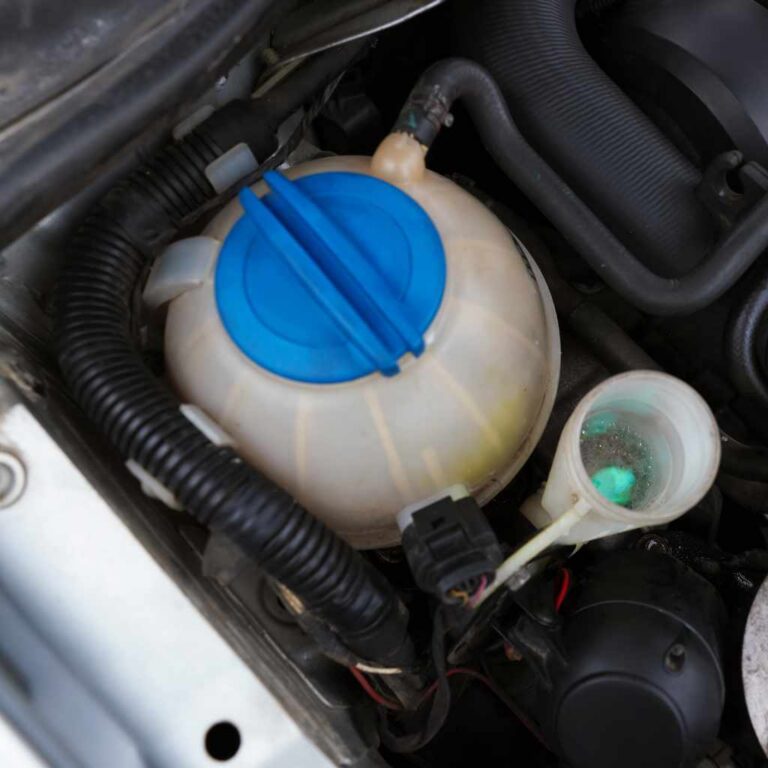
- Fluid Top-Offs: Coolant (antifreeze), brake fluid, power steering fluid, and windshield washer fluid should all be checked against their ‘Full’ marks. Low levels often signal a leak or excessive use.
- Inspection of Belts and Hoses: Look for cracks, swelling, or fraying on the serpentine belt (the big belt on the front of the engine) and all rubber hoses. A snapped belt or burst hose causes immediate, often expensive, vehicle failure.
Safety First: Brakes, Tires, and Lights
These elements are active safety features. They must work perfectly, regardless of mileage. These checks are perfect for the 6-month interval.
Tire Inspections
Tires are your only connection to the road. They wear down based on how you drive and what you drive on. Half a year is a great time to:
- Check Tread Depth: Use the Penny Test. Insert a penny into the tread groove with Lincoln’s head upside down. If you can see all of his head, your tread is too shallow and tires need replacement soon for safe driving, especially in wet weather. (For reference, the legal minimum tread depth in many areas is 2/32nds of an inch.)
- Inspect for Uneven Wear: Feathering or wear only on the inside/outside edges suggests an alignment issue that needs professional attention sooner rather than later.
- Check Tire Pressure: Pressure drops slowly over time. Having them inflated to the PSI listed on the driver’s side door jamb (NOT the tire sidewall) improves fuel economy and handling.
Brake Checks
You should hear grinding or squealing if your pads are low, but a 6-month visual inspection can catch problems before they start making noise.
- Pad Thickness Visualization: If visible, check the thickness of the brake pads. They should ideally be thicker than a pencil eraser, but this often requires removing the wheel. A mechanic uses experience here.
- Brake Fluid Check: Ensure the fluid reservoir is full and the fluid isn’t dark brown or black (indicating old, contaminated fluid).
The Filter System: Breathing Easy
Filters catch the dirt so your engine and cabin don’t have to. They are cheap to replace and dramatically affect performance and comfort.
| Filter Type | Typical Replacement Interval (Mileage/Time) | Why It Matters at 6 Months |
|---|---|---|
| Engine Air Filter | 15,000 – 30,000 miles (or annually) | Dirt reduces airflow, hurting gas mileage and performance. Quick visual check every 6 months is wise. |
| Cabin Air Filter | 15,000 miles (or annually) | If you have allergies or drive in dusty areas, a dirty cabin filter restricts airflow and smells bad. |
| Fuel Filter | Varies widely (Some modern cars have lifetime filters) | If your car has an external fuel filter, a 6-month check ensures consistent fuel delivery. |
Understanding Major Service Intervals
The idea of “servicing” usually implies a larger appointment, often aligning with major mileage milestones. It is important not to confuse these major services with a simple 6-month check-up.
Major services are usually timed at intervals like 30,000, 60,000, and 90,000 miles. These are where specialized items come into play.
What Happens at a Major Service?
These larger services include all the essentials listed above, plus attention to wear items that take longer to degrade:
- Spark Plug Replacement: Crucial for efficient ignition and performance. This is often done around 60k to 100k miles depending on the plug type.
- Transmission Fluid Flush/Change: Extremely important for automatic transmissions, often recommended between 60,000 and 100,000 miles. Skipping this can drastically shorten transmission life.
- Cooling System Flush: Coolant loses its anti-corrosion properties over time. A flush restores protection.
- Timing Belt Inspection/Replacement: If your car uses a belt instead of a chain (check your manual!), this is a high-stakes replacement, usually mandated between 60,000 and 105,000 miles. If this breaks, your engine can often be destroyed.
If you adhere strictly to your manufacturer’s mileage schedule for these major events, you likely do not need an all-encompassing service every 6 months. You just need to ensure the simple, everyday items (oil level, tires) are checked regularly.
DIY Confidence: Simple Checks You Can Do Today
Building confidence in maintaining your car means mastering a few easy, free checks. You don’t need specialized tools to handle these basics, which can prevent many costly roadside surprises. This is preventative maintenance anyone can perform during a weekend afternoon wash.
The Under-the-Hood Visual Scan (No Tools Needed)
Pop the hood and just look around. Trust your eyes and nose:
- Leaking Evidence: Do you see any damp spots or puddles under the engine bay? Fresh oil is amber/light brown; transmission fluid is reddish; coolant is usually green, orange, or pink. Any puddle demands investigation.
- The Smell Test: Do you smell burning oil (like toast)? Burning rubber? Sweet maple syrup smell (coolant)? Odd smells mean immediate attention is needed before the next 6-month service.
- Battery Terminals: Are the metal posts on the battery covered in a white or bluish powdery crust? That is corrosion. A simple wire brush (or an old toothbrush) and a mixture of baking soda and water can clean this up safely, ensuring good electrical connection.
The Exterior Walk-Around
This only takes about two minutes and is vital for safety, especially when considering the 6-month timeframe:
- Lights Test: Turn on your headlights (low and high beam), turn signals (front and back), and step on the brake pedal. Have a friend help or back up close to a wall to check the beam pattern. A burned-out bulb is an easy fix but essential.
- Wiper Blades: Do they smear water or chatter across the glass? Old blades are dangerous in a heavy downpour. They are cheap and easy to replace yourself.
- Horn Check: Give it a quick honk. Ensure it works every time, as it is a critical safety warning device.
The Cost-Benefit Analysis: Skipping vs. Servicing
The question often boils down to money. Is skipping that $100 semi-annual check-up worth the risk?
In the long run, proactive, smaller maintenance items are almost always cheaper than reactive, large repairs.
| Scenario | Potential 6-Month Cost | Potential Breakdown Cost (If Ignored) |
|---|---|---|
| Ignoring Low Coolant | $30 (Topping off/minor hose inspection) | $3,000+ (Engine overheating leading to warped heads) |
| Ignoring Tire Wear | $5 (Tire pressure adjustment/rotation) or $150 (New tire) | $500+ (Blowout causing accident, or replacing two tires due to uneven wear) |
| Ignoring Oil Level | $60–$100 (Oil Change) | $4,000+ (Engine seizure requiring full replacement) |
As you can see, a moderate, preventative investment every six months cushions you against catastrophic, engine-ending failures. If you are driving a brand-new car under warranty, sticking strictly to the mileage schedule (usually yearly) is generally safe, as the manufacturer covers most major components.
FAQ: Automotive Essentials Simplified
Q1: If I drive very little, should I still service my car every six months?
If you drive under 5,000 miles a year, time becomes more important than mileage. Fluids degrade, seals dry out, and battery health declines from sitting. Consider a basic check-up or at least an oil change once a year, regardless of miles driven.
Q2: What is the difference between a full service and an oil change?
An oil change is just replacing the engine oil and filter. A full service (or inspection) involves checking 30 to 50 different items, including brakes, suspension, belts, lights, steering components, and topping off all fluids. It’s a comprehensive health check.
Q3: Can I use synthetic oil to go longer than six months between oil changes?
Yes! Many modern cars specify full synthetic oil, allowing intervals of 10,000 to 15,000 miles or 12 months. Always follow the viscosity (e.g., 5W-30) and specification listed in your owner’s manual.
Q4: What is the cheapest but most important thing to check regularly?
Checking your tire pressure and tread depth. This costs nothing but your time (if you have a gauge) or a few dollars for air, and it directly impacts your safety, handling, and fuel costs.
Q5: Do I need to change my oil if I only drive short trips?
Yes, perhaps even sooner than the manual suggests. Short trips don’t allow the engine to reach full operating temperature, meaning water condensation and fuel contaminants build up in the oil, breaking it down faster than normal. Follow the time interval (e.g., 6 or 12 months) strictly.
Q6: Is it bad to go to the dealer for a basic service?
No, it is not bad, especially if your car is new. Dealers use factory-specific parts and procedures. However, local independent mechanics often provide the same essential 6-month checks for lower labor rates, which can save you money as your car ages.
<