Is It Okay To Remove A Car Battery At Night? Find Out
It’s a question that pops up when you’re working on your car in low light or under pressure. You might be trying to fix something, or maybe you just need to disconnect the battery for safety. This leads to the simple, yet important, question: Is it okay to remove a car battery at night?
We’ve all been there. You’re faced with a task, and time feels like it’s running out. Or perhaps you’re just trying to be extra careful.
Understanding the specifics can save you a lot of hassle and keep you safe. Let’s dive into what you need to know.
Removing a car battery at night is generally safe if proper precautions are taken. Key considerations include visibility, potential for sparks, and working conditions. It’s not inherently more dangerous than during the day, provided you have adequate lighting and follow standard safety steps.
Understanding Car Battery Removal
A car battery is a powerful source of energy. It powers your car’s starter, lights, and all the electronics. When you remove it, you’re essentially disconnecting that power source.
This can be a necessary step for repairs or maintenance. However, it’s crucial to know the risks involved, no matter the time of day.
Batteries store electrical energy. This energy can cause a spark if conducted incorrectly. Sparks can be dangerous, especially around flammable materials.
Understanding this basic principle is key to safe battery removal. The time of day itself doesn’t change the battery’s properties. What changes are the conditions around you.
My Late-Night Battery Fumble
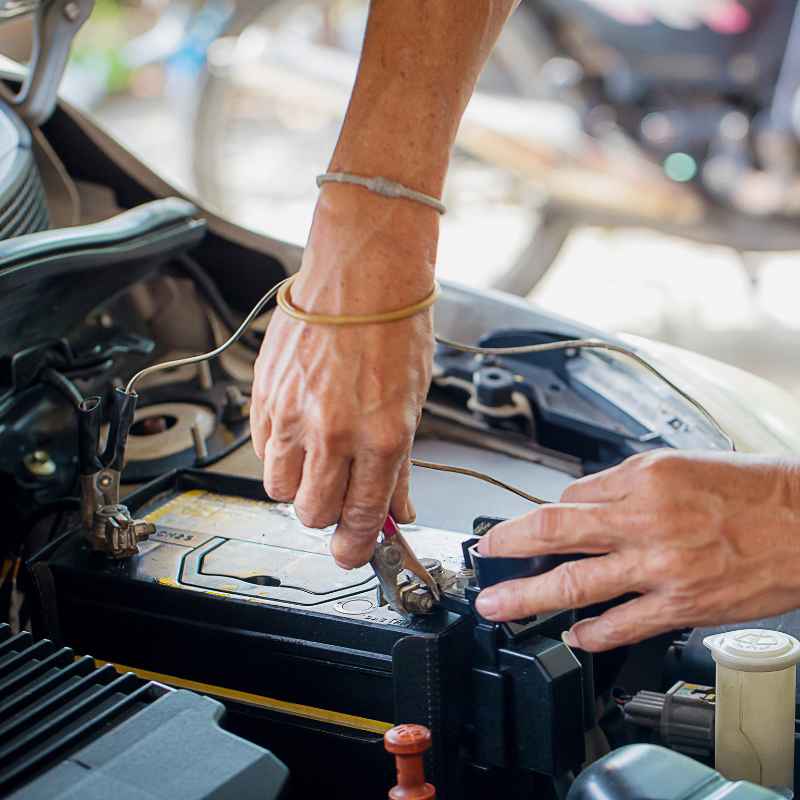
I remember a time I absolutely had to get a car fixed before an early morning flight. It was already dark. I needed to replace a faulty alternator, which meant disconnecting the battery.
I was in my garage, which has decent lights, but I was rushed. I grabbed my wrench and went straight for the terminals.
As I loosened the nut on the negative terminal, my wrench slipped. It brushed against the metal body of the car. There was a bright flash and a crackle!
My heart leaped into my throat. Luckily, it was just a small spark, and nothing caught fire. I stood there for a moment, the smell of ozone in the air, realizing how close I came to a bigger problem.
That experience taught me a valuable lesson. Rushing, even in a controlled environment like a garage, increases risk. And doing it at night adds the challenge of lower visibility.
It hammered home that safety isn’t just about the mechanics; it’s also about the conditions.
Nighttime Safety Checklist
Visibility is Key: Always ensure you have bright, reliable lighting. Headlamps or portable work lights are excellent. Avoid working solely by dim garage lights.
Clear Your Workspace: Remove any clutter, tools, or rags that aren’t essential. This reduces the chance of accidental contact.
Wear Safety Gear: Safety glasses are a must. Gloves can protect your hands and offer a slight barrier.
Proper Tools: Use insulated tools if possible. Ensure your wrench is the correct size to avoid slipping.
The Science of Sparks
Why do sparks happen when you remove a car battery? It’s all about completing an electrical circuit. Your car’s metal parts are grounded.
They act as a return path for electricity. When you touch a metal tool to both the battery terminal and the car’s metal frame, you create a short circuit.
This sudden flow of electricity through the tool causes a tiny, intense burst of heat and light – a spark. Car batteries contain sulfuric acid and hydrogen gas. While usually contained, hydrogen gas can build up over time.
A spark could potentially ignite this gas. This is why proper ventilation and avoiding sparks are so important.
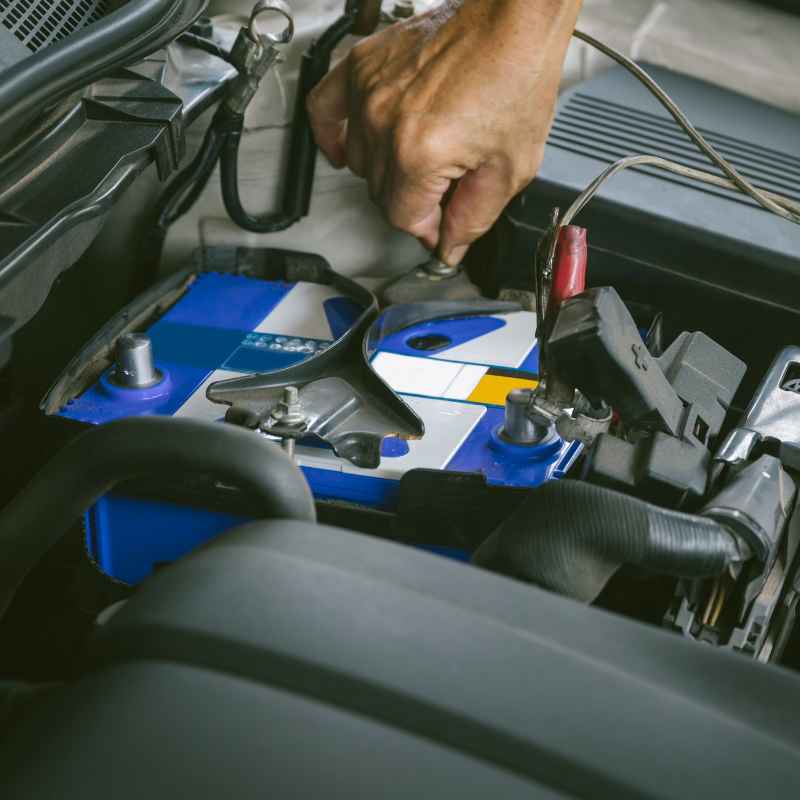
The negative terminal is usually connected to the car’s chassis (frame). The positive terminal is connected to the car’s electrical system. The general rule for safety is to disconnect the negative (black) terminal first.
Then, disconnect the positive (red) terminal. This order helps prevent sparks.
Why the Order Matters
When you disconnect the negative terminal first, you break the ground connection. This means that even if your tool touches metal, it won’t complete a circuit to the battery’s negative pole. The positive terminal is still connected, but the circuit isn’t complete yet.
It’s like having one wire disconnected from the power source.
After the negative is off, you can then remove the positive terminal. If your tool accidentally touches the car’s frame while working on the positive terminal, it won’t cause a spark because the negative side is already disconnected. This simple step significantly reduces the risk of a dangerous spark.
When reconnecting, you do the opposite. Connect the positive terminal first. Then, connect the negative terminal.
This ensures that the car’s grounding is re-established last, minimizing the risk of sparks during the final connection.
Connecting and Disconnecting Order
Disconnecting:
- 1. Negative (-) terminal (black cable)
- 2. Positive (+) terminal (red cable)
Reconnecting:
- 1. Positive (+) terminal (red cable)
- 2. Negative (-) terminal (black cable)
The Risks of Working in the Dark
Working at night inherently presents challenges. Visibility is reduced. This increases the chances of making a mistake.
You might not see that stray tool, or you might not be able to get a clean grip on a bolt. Poor lighting can also hide hazards, like oil spills or sharp edges.
The temptation to rush can be higher when it’s dark. You might feel like you need to get the job done quickly before you get too tired or before weather changes. This haste can lead to overlooking critical safety steps.
It’s a cycle that can escalate from a minor inconvenience to a serious incident.
Many auto parts stores or repair shops close in the evening. If you realize you need to replace a part, and you can’t get it until the next day, you might feel pressured to tackle the job yourself at night. This is when a clear understanding of the risks is vital.
When Is It NOT Okay?
While removing a car battery at night isn’t inherently dangerous, there are situations where it’s strongly advised against. If you don’t have adequate lighting, don’t attempt it. This includes being on the side of a dark road with only your phone’s flashlight.
If you’re unsure about the process, or if you’ve never done it before, night is not the time to learn. The added stress of darkness can make learning a new skill much harder and more dangerous. It’s better to wait for daylight and perhaps have a friend or family member assist you.
Also, consider the environment. Are you working on a busy street with limited space? Is the ground wet or uneven?
These conditions, combined with darkness, can amplify risks. Safety should always be the top priority, and if conditions feel unsafe, it’s best to postpone the task.
Situations to Avoid Nighttime Battery Removal
Poor Lighting: Working in a dimly lit area or solely by phone light.
Unfamiliarity: It’s your first time doing this task.
Unsafe Location: On a busy roadside, in bad weather, or on unstable ground.
Lack of Tools: Not having the right tools, especially insulated ones.
Feeling Rushed or Tired: When fatigue or pressure compromise focus.
Battery Types and Nighttime Removal
Most modern cars use sealed lead-acid batteries. These are generally safe to handle. However, older vehicles or specialized applications might use different types.
The fundamental principle of disconnecting terminals to prevent sparks remains the same. But the specific gases or corrosive materials can vary.
For standard automotive batteries, the main concern is the sulfuric acid electrolyte and potential hydrogen gas. These are present regardless of whether it’s day or night. The handling precautions are consistent.
The battery itself doesn’t change its chemical properties based on the time.
Lithium-ion batteries, common in electric vehicles, have different chemistries and safety protocols. If you’re working on an electric vehicle, it’s crucial to consult the manufacturer’s specific guidelines. These systems are often more complex and may require specialized tools and training.
For conventional cars, however, the standard procedures apply.
What If You Get a Spark?
If you do get a spark when removing or reinstalling a car battery, don’t panic. Most sparks are harmless. They are usually small and brief.
However, it’s important to know what to do to mitigate potential risks.
First, stop what you’re doing. Assess the situation. Did anything ignite?
Is there any smoke? If not, take a deep breath. Ensure you haven’t accidentally caused a larger short circuit.
Double-check that your tool isn’t still touching metal and the battery terminal.
It’s wise to then ensure good ventilation. Open garage doors or car windows. This helps dissipate any accumulated hydrogen gas.
If you were working outdoors, this is less of a concern unless you’re in an enclosed space. After the immediate situation is under control, you can proceed cautiously.
Responding to a Battery Spark
Stay Calm: Most sparks are minor and pose no danger.
Stop Work: Immediately cease all actions.
Assess: Check for smoke, fire, or unusual smells (like burning plastic).
Ventilate: Open doors/windows to clear any hydrogen gas.
Check Tool: Ensure your tool is not still in contact with both the terminal and metal chassis.
Proceed Cautiously: If no fire, resume with extra care.
Working Environment Matters
Your workspace is a major factor in safety. If you’re working in your driveway, ensure the area is well-lit. Perhaps use a powerful portable work light.
If you’re in a garage, make sure the main lights are on and that there’s nothing flammable nearby.
Consider the ground you’re working on. Is it concrete or asphalt? These are generally safe.
If you’re on grass or dirt, there’s less risk of accidental grounding through the ground itself. However, these surfaces can be uneven or wet, creating other hazards.
The temperature can also play a role. On a very hot night, batteries can be slightly more active. Conversely, extremely cold temperatures can make metal brittle and harder to work with.
For most situations, however, the standard safety rules will suffice.
Tools of the Trade
Using the right tools is crucial for any car maintenance, especially battery removal. A good set of socket wrenches or box-end wrenches is essential. You’ll need a size that fits the terminal nuts snugly.
Avoid using adjustable wrenches if possible, as they are more prone to slipping.
Consider using insulated tools. These tools have a thick plastic or rubber coating on the handles and parts of the shaft. This coating provides an extra layer of protection against electrical shock and sparks.
While not always necessary for basic battery removal, they add a significant safety margin.
Always ensure your tools are clean and in good working order. A rusty or damaged tool can fail at a critical moment. Having a small wire brush handy is also useful for cleaning battery terminals and cable connectors before reinstallation.
Clean connections ensure good electrical flow.
Essential Tools for Battery Removal
Wrenches: Socket or box-end wrenches (correct size for terminal nuts).
Work Light: Bright, portable work light or headlamp.
Safety Gear: Safety glasses and work gloves.
Wire Brush: For cleaning terminals and connectors.
Pliers (optional): For stubborn cable clamps.
Insulated Tools (recommended): For added electrical safety.
Battery Age and Condition
The age and condition of your car battery can influence how you approach its removal. An older battery might be weaker and more prone to failure. If a battery is leaking or showing signs of corrosion, it requires extra caution.
Acid can cause burns and damage surfaces.
If your battery is old and you’re replacing it, you might be more inclined to disconnect it. If it’s a newer battery, and you’re disconnecting it for a specific repair, ensure you reconnect it properly to avoid issues with your car’s computer systems. Some modern cars need to relearn settings after a power loss.
When handling an old or damaged battery, wear thicker gloves and ensure good ventilation. The risk of acid spills or gas buildup might be slightly higher. Always dispose of old batteries properly.
Most auto parts stores accept them for recycling.
What Does This Mean for You?
So, is it okay to remove a car battery at night? Yes, but with significant caveats. The time of day is less of a factor than the conditions under which you perform the task.
Proper lighting, the right tools, and a calm, methodical approach are paramount.
If you find yourself needing to work on your car after dark, take a moment to set up your workspace. Ensure you have good lighting. Double-check the order of disconnecting and reconnecting terminals.
If you feel rushed or unsure, it’s always better to wait for daylight.
Think of it like cooking. You can follow a recipe in the dark, but it’s much harder to get right. The ingredients are the same, but the conditions make the process more difficult and prone to error.
The same applies to car battery removal.
Quick Tips for Nighttime Battery Work
Here are some straightforward tips to keep in mind if you must remove your car battery at night:
- Invest in a good headlamp. It keeps your hands free and directs light exactly where you need it.
- Clear the area around the battery. Remove any tools, rags, or debris that could cause a short circuit.
- Double-check terminal connections. Make sure the wrench is firmly on the nut before you turn.
- Be aware of your surroundings. Watch out for spills or uneven surfaces.
- If in doubt, stop. It’s never worth risking injury or damage to your car.
Frequently Asked Questions About Removing Car Batteries at Night
Can I remove a car battery in the dark?
Yes, you can remove a car battery in the dark, but it is crucial to ensure you have adequate lighting and follow all safety precautions. Poor visibility increases the risk of mistakes.
What are the risks of removing a car battery at night?
The primary risks are reduced visibility leading to accidental sparks, difficulty in handling tools precisely, and potential for injury. These risks are amplified if proper lighting and safety gear are not used.
Do I need special tools to remove a car battery at night?
No special tools are needed for nighttime removal compared to daytime. However, using insulated tools and a bright work light or headlamp is highly recommended for added safety in low-light conditions.
What is the correct order for disconnecting a car battery?
Always disconnect the negative (-) terminal (usually black) first. Then, disconnect the positive (+) terminal (usually red). This order minimizes the risk of creating sparks.
What should I do if I see a spark when removing a battery?
If you see a spark, stop immediately. Check for any signs of fire or smoke. Ensure your tool is not still touching metal and the terminal. Ventilate the area by opening doors or windows, as hydrogen gas can be present and ignitable.
Is it safer to remove a battery in a well-lit garage at night?
Yes, a well-lit garage is significantly safer than working in the dark outdoors. Good lighting in a controlled environment greatly reduces the risks associated with visibility and accidental sparks.
Concluding Thoughts
Ultimately, removing a car battery at night is achievable with the right preparation and attitude. The core principles of battery safety remain constant. Focus on clear visibility, correct tool usage, and following the proper disconnection order.
Don’t let the darkness trick you into taking shortcuts. Stay safe and methodical.
Products related to this article
Sponsored / affiliate links. As an Amazon Associate I earn from qualifying purchases. I may earn additional commission from eligible campaigns.