Is My Car Leaking Oil? How To Tell And What To Do Next
A car is leaking oil if you see dark spots under it, smell burning oil, or notice a drop in the oil level. Checking your oil dipstick and looking for wet spots around the engine are key ways to confirm a leak. Early detection prevents bigger problems and keeps your car running smoothly.
Understanding Car Oil Leaks
Oil is the lifeblood of your engine. It keeps parts moving smoothly. It also helps cool things down.
When oil leaks, it means there’s a hole or crack somewhere. This hole lets the oil escape. Leaks can happen for many reasons.
Old seals can dry out. Gaskets can wear thin. A part might even get damaged.
Most cars use a lot of different seals and gaskets. These are like little rubber rings or flat pieces. They stop oil from getting out.
Think of them like a tight seal on a jar lid. Over time, these parts get old. They can become stiff or crack.
This lets oil sneak past them. It’s a slow process, but it happens.
Sometimes, a leak is obvious. You see a big puddle. Other times, it’s just a small drip.
Or maybe you only notice it when the engine is hot. This guide will help you spot all kinds of leaks. We will go through the signs your car might be giving you.
This knowledge helps you keep your car safe. It also saves you money on big repairs later.
My Own Oil Leak Scare
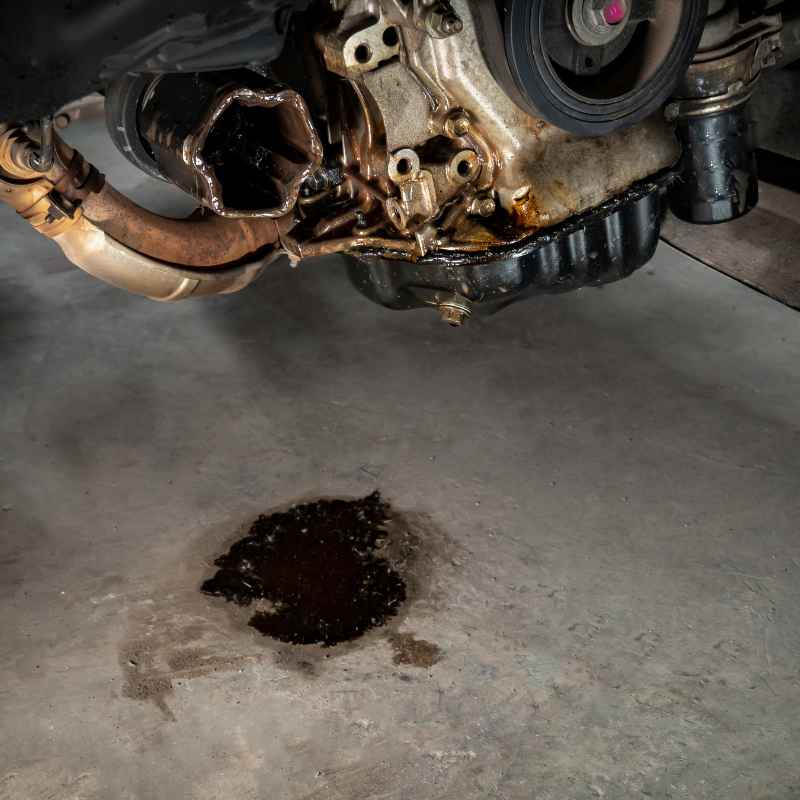
I remember one time I was heading out for a weekend trip. I backed my car out of the garage. And there it was.
A dark, greasy spot on the concrete. My stomach dropped. My first thought was, “Oh no, this is going to be expensive.” I started picturing major engine work.
It was a Saturday morning, too. Everything felt closed or too busy.
I sat there for a moment, feeling that wave of worry. Then, I took a deep breath. I decided to investigate before calling anyone.
I grabbed some old rags and a flashlight. I got down on my hands and knees. The spot on the ground wasn’t huge, but it was definitely oil.
It had that distinct, slightly sweet smell when it hit the hot pavement.
I looked under the engine. There were some wet spots, but nothing looked like a geyser. It was more like a steady drip.
This told me it might not be an emergency fix. But it still needed attention. That scare taught me to be more aware.
I now check under my car more often. I learned how to tell if it’s just a small drip or something worse.
Signs Your Car Might Be Leaking Oil
Look for these clues:
- Dark spots on the ground where you park.
- A burning smell coming from the engine.
- A lower oil level when you check the dipstick.
- Blue smoke coming from the exhaust pipe.
- Oil visible on the engine itself.
Common Places for Oil Leaks
Oil can leak from many parts of your engine. Some spots are more common than others. Knowing where to look can help you or your mechanic find the problem faster.
This saves time and money.
The oil pan is at the bottom of your engine. It holds all the oil. It has a drain plug for oil changes.
This plug can sometimes loosen. Or the pan itself can get a small crack if you hit something. The oil filter also screws onto the engine.
If it’s not tightened right, or the rubber gasket is bad, it can leak.
Another common spot is the valve cover gasket. This sits on top of the engine. It seals the valve cover to the engine.
Over time, this gasket can get hard and crack. Leaks here often drip down the sides of the engine. You might smell burning oil as it hits hot engine parts.
Main seals are at the front and rear of the engine. These seals keep oil inside the spinning parts. A worn front seal might drip oil onto the driveway.
A rear main seal leak can be harder to spot. It often drips near the transmission. These can be more involved repairs.
They might need the transmission to be removed.
Oil Leak Hotspots
Where leaks often start:
Oil Pan
Located at the bottom. Check drain plug and pan itself.
Oil Filter
Make sure it’s tight. Check its rubber seal.
Valve Cover Gasket
Seals the top of the engine. Can dry out and crack.
Main Seals
Front and rear seals. Can be more complex to fix.
How to Check for Oil Leaks Yourself
You don’t always need a mechanic to spot an oil leak. A few simple checks can give you a good idea. Knowing how to do this is a useful skill for any car owner.
It helps you catch small issues before they become big problems.
First, find a flat, level surface. Park your car there. Let it sit for a while, maybe a few hours or overnight.
This lets any drips collect. Then, look under the car. Use a bright flashlight.
Check the ground for any dark, oily spots. Note the size and location of the spots.
Next, check your oil dipstick. This is usually a brightly colored handle. It’s often yellow or orange.
It’s located somewhere in the engine bay. Pull it out. Wipe it clean with a rag.
Put it back in all the way. Then pull it out again. Look at the oil level.
There are usually markings for “add” and “full.” If the level is low, it could be due to a leak.
You can also look directly at the engine. Open the hood. Use your flashlight again.
Look for wet, oily areas on the engine. Pay attention to the areas we discussed before. See if you can spot any dark, shiny patches.
Sometimes, you might see oil residue built up. This can show where oil has been seeping out.
If you see smoke, that’s another clue. A thin, wispy blue smoke from the exhaust can mean oil is burning. This often happens if oil is getting into the combustion chamber.
That’s usually a more serious issue. It points to problems with the piston rings or valve seals.
Your DIY Oil Leak Check Steps
Follow these steps:
- Park on a level surface and wait.
- Inspect the ground for dark, oily spots.
- Check the oil dipstick for a low level.
- Visually inspect the engine for wet spots or residue.
- Note any unusual smoke from the exhaust.
Understanding the Oil Spot
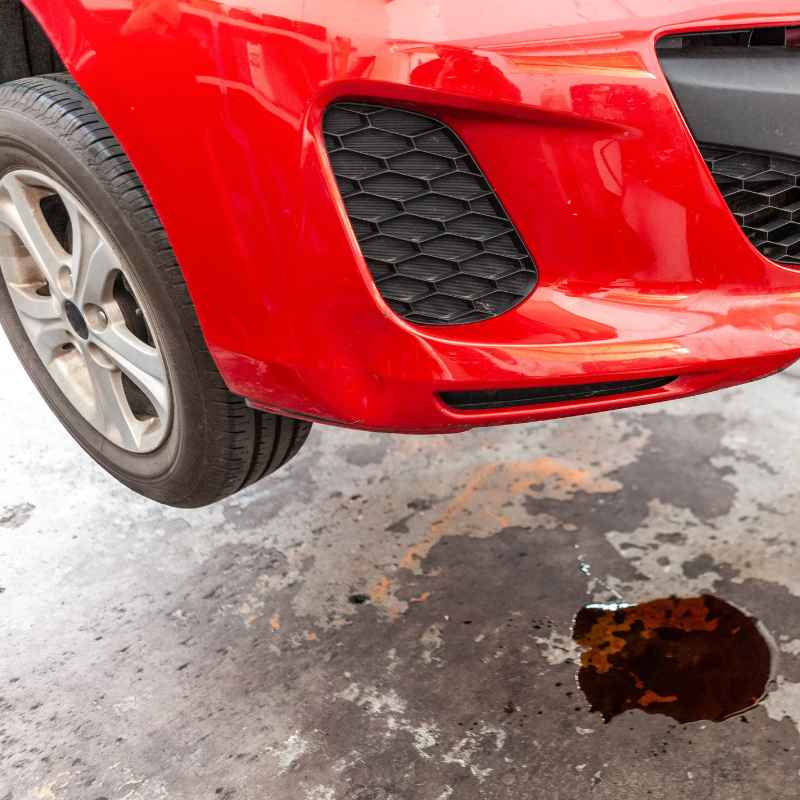
The oil spot itself can tell you a lot. The color and size matter. A fresh oil spot is usually dark brown or black.
If it’s very fresh, it might even be a little lighter in color. Older oil spots can get lighter and drier over time.
The size of the spot is also important. A tiny spot, maybe the size of a quarter, might be a minor drip. A large puddle, however, needs more attention right away.
If you see a huge spot, it’s best not to drive the car. You don’t want to run the engine without enough oil.
Sometimes, the spot isn’t just oil. It could be a mix of oil and other fluids. Coolant is usually green, pink, or orange.
Brake fluid is typically clear or yellowish. Power steering fluid can be reddish or brown. If the fluid you see has a different color, it’s not an oil leak.
It’s a leak of another vital fluid.
Consider where you parked. If you parked in different spots over time, the leak might be coming from a different area than you think. Try to recall where you last saw the spot.
Then, check under the car in that specific area. This can help pinpoint the source more accurately.
Decoding the Oil Spot
What the spot tells you:
Color
Dark Brown/Black: Likely engine oil. Fresh leaks are darker.
Lighter/Dried: Older leak.
Size
Small Spot (Quarter-sized): May be a minor drip.
Large Puddle: Needs immediate attention. Don’t drive.
Fluid Mix
Other Colors (Green, Pink, Red): Not oil. Check other fluid levels.
The Smell of Burning Oil
A burning oil smell is a very strong indicator of a problem. It’s often quite distinct. It’s a smell that most people notice right away.
It means oil is getting onto hot engine parts. This isn’t good for your engine.
This smell typically happens when oil leaks onto the exhaust manifold or other hot engine components. As the oil heats up, it burns and creates that pungent odor. You might smell it more when the engine is running.
You might also smell it after you turn the engine off.
If you notice this smell, it’s important to investigate. It could be a minor leak. But it could also be a more significant one.
Ignoring a burning oil smell can lead to more damage. It can also be a fire risk. So, pay attention to your nose!
Sometimes, a small amount of oil might splash onto a hot part. This can happen after an oil change. It’s usually not a major issue.
But if the smell persists or gets stronger, a leak is likely present. It’s always better to be safe and get it checked out.
Burning Oil Smell: What it Means
Key points:
- Indicates: Oil is hitting hot engine parts.
- Cause: Often from a leak that drips onto hot surfaces.
- Action: Investigate the source of the leak promptly.
- Warning: Can be a fire hazard and damage engine parts if ignored.
Oil Level Drop: A Direct Sign
This is perhaps the most direct sign that your car is losing oil. When you check your oil dipstick, you expect the level to be between the “add” and “full” marks. If it’s significantly below that, or even near empty, you have a problem.
A noticeable drop in oil level means oil is leaving the engine. This can happen through a leak. It can also happen if the engine is burning oil.
Either way, it means your engine is not getting the lubrication it needs. Low oil is very dangerous for an engine.
You should check your oil level regularly. Many people do it once a month. Others check it every time they fill up with gas.
Doing this makes it easy to spot a gradual drop. You can then try to find the cause before it becomes severe.
If your oil light comes on while you’re driving, that’s a critical warning. It means your oil pressure is too low. This is often because there isn’t enough oil left.
Pull over safely as soon as possible. Turn off the engine. Do not drive the car further.
Check the oil level. If it’s very low, adding oil might help you get to a mechanic. But severe damage may have already occurred.
Oil Level Drops: Critical Warnings
What to watch for:
Regular Checks
Check dipstick monthly or every few gas fill-ups.
Gradual Drop
Noticeable decrease between checks? Investigate.
Oil Light On
CRITICAL: Pull over immediately. Low oil pressure means danger.
Consequences
Low oil causes extreme engine wear and potential failure.
When to Worry and When Not To
It’s normal for a car to have a very small amount of oil residue over time. Cars are complex machines. A tiny bit of weeping from a seal isn’t always a sign of imminent disaster.
This is especially true for older cars.
However, you should worry if you see any of these things: large puddles of oil, rapidly dropping oil levels, persistent burning oil smells, or blue smoke from the exhaust. These are not normal. They indicate a problem that needs fixing.
If you’re unsure, it’s always best to err on the side of caution. Take your car to a trusted mechanic. They have the tools and expertise to diagnose the problem accurately.
They can tell you if it’s a minor fix or something more serious. Getting professional advice can save you a lot of stress and potential repair costs down the line.
Think of it like a health check-up for your car. You wouldn’t ignore a persistent cough. Don’t ignore signs of an oil leak either.
A little attention now can prevent a much bigger, more expensive problem later. Regular maintenance is key.
Normal vs. Concerning Oil Leak Signs
Myth vs. Reality:
Normal (Minor)
Tiny traces of oil residue around seals after many miles.
Very small, infrequent drips that don’t cause level drops.
Concerning (Major)
Large oil puddles under the car.
Significant oil level drops between checks.
Strong, constant burning oil smell.
Blue smoke from exhaust.
What to Do If You Find an Oil Leak
If you’ve identified an oil leak, don’t drive the car extensively. If it’s a large leak, do not drive it at all. You risk serious engine damage.
Step 1: Assess the Severity. Is it a small drip or a puddle? Is the oil level very low? This helps decide your next move.
Step 2: Add Oil (If Necessary). If your oil level is low, and you need to drive a short distance to a mechanic, add the correct type of oil. Check your car’s manual for the right oil. Do not overfill it.
Step 3: Contact a Mechanic. Schedule an appointment with a trusted auto repair shop. Describe the signs you’ve observed: the spots, the smell, the oil level. This helps them prepare.
Step 4: Get a Diagnosis. The mechanic will inspect the engine. They will find the exact source of the leak. They will then tell you what needs to be repaired.
Step 5: Get the Repair Done. Follow your mechanic’s advice. Fixing oil leaks promptly is important for engine health and safety.
It’s also a good idea to clean up any oil spots on your driveway. Oil can seep into the concrete and be hard to remove. Use an absorbent material like kitty litter or a specialized oil stain remover.
Immediate Steps for an Oil Leak
Your Action Plan:
Assess
Note the size of the spot and oil level.
Add Oil
Only if low and needed for short travel. Use correct type.
Call Mechanic
Explain symptoms clearly. Schedule service.
Clean Up
Remove oil stains from driveway to prevent environmental issues.
Preventing Future Oil Leaks
While you can’t prevent all oil leaks, you can take steps to reduce the chances. Good maintenance is the best defense.
Regular Oil Changes: Follow your car’s recommended oil change schedule. Use the correct type and weight of oil. Fresh oil is good for your engine.
Old, dirty oil can cause more wear and tear.
Routine Inspections: During oil changes or other service appointments, ask your mechanic to check for any signs of leaks. They can spot small issues early.
Address Minor Issues Promptly: If you notice a very small drip or a slight smell, don’t wait for it to get worse. Get it checked out. A small repair now can prevent a major one later.
Driving Habits: Avoid harsh driving. Slamming on the brakes or accelerating very quickly can put extra stress on engine components. Driving over rough roads or hitting large potholes can also damage the oil pan or other parts.
Use Quality Parts: When parts need to be replaced, use good quality ones. Cheap parts might fail sooner and lead to leaks.
Tips for Preventing Oil Leaks
Proactive care:
- Scheduled Oil Changes: Use the right oil and filter.
- Mechanic Check-ups: Ask them to look for leaks.
- Early Repairs: Fix small issues before they grow.
- Gentle Driving: Avoid rough roads and sudden maneuvers.
- Quality Parts: Use reliable replacement parts.
When to Consider a New Car
Sometimes, the cost of repairing an oil leak, especially a major one like a rear main seal, can be very high. If your car is old and has many miles on it, you might need to weigh the repair cost against the car’s value.
If the repair estimate is a significant percentage of the car’s worth, it might be time to consider a replacement. This is a tough decision. But sometimes, putting a lot of money into an aging vehicle isn’t the most practical choice.
Also, consider other problems your car might have. If the oil leak is just one of many issues, the total repair bill could be overwhelming. Look at the overall condition of the vehicle.
Talk to your mechanic about the long-term outlook for your car.
No one likes thinking about buying a new car. But sometimes, it’s the most financially sound decision. It means peace of mind.
It means reliability. And it means no more worrying about oil spots on the driveway.
Frequently Asked Questions About Car Oil Leaks
What kind of fluid is usually under my car?
The fluid under your car is often engine oil, which is dark brown or black. However, it could also be transmission fluid (reddish-brown), coolant (green, pink, or orange), power steering fluid (reddish or brown), or brake fluid (clear or yellowish). If it’s not dark and oily, it’s likely not an engine oil leak.
Is it safe to drive my car with a small oil leak?
A very small, slow drip might be okay for short distances. But it’s best to get it checked. If the oil level drops noticeably, or you smell burning oil, driving is not safe.
Low oil levels can cause severe engine damage. It’s always better to be cautious and consult a mechanic.
How much does it cost to fix an oil leak?
The cost varies a lot. A simple fix like tightening an oil filter or replacing a drain plug gasket might only cost $50-$150. Replacing a valve cover gasket could be $200-$500.
A major repair, like a rear main seal, can cost $1,000-$2,500 or more because it requires removing the transmission. Get an estimate from your mechanic.
Can an oil leak cause my car to catch fire?
Yes, an oil leak can be a fire hazard. If oil drips onto hot exhaust components, it can ignite. This is why a burning oil smell should be investigated immediately.
Ensuring leaks are fixed helps prevent this dangerous situation.
What is the difference between an oil leak and an oil burning issue?
An oil leak means oil is escaping the engine and dripping out. You’ll see spots on the ground or wetness on the engine. Oil burning means oil is getting into the combustion chamber and being burned with the fuel.
This usually results in blue smoke from the exhaust and a burning oil smell inside the car.
Should I use an oil stop leak product?
Some people use “oil stop leak” additives. These products swell old seals to temporarily stop minor leaks. However, they are not a permanent fix.
They can sometimes cause other problems. It’s generally better to have the leaking component repaired or replaced by a professional for a lasting solution.
Final Thoughts on Oil Leaks
Seeing oil spots can be concerning. But with a little knowledge, you can identify the signs. You can then take the right steps.
Regular checks and maintenance are your best friends. They help keep your car running smoothly. Don’t let an oil leak worry you.
You now have the tools to understand it. And you know when to seek help. Keeping your car healthy means peace of mind on the road.
Products related to this article
Sponsored / affiliate links. As an Amazon Associate I earn from qualifying purchases. I may earn additional commission from eligible campaigns.