Is Front Wheel Drive Good In Snow? Honest Driver’S Answer
Front-wheel drive vehicles can handle light to moderate snow conditions adequately, especially with good winter tires. They generally perform better than rear-wheel drive in snow because the engine weight is over the drive wheels, providing better traction. However, they can struggle in deep snow or on very icy hills compared to all-wheel drive (AWD) or four-wheel drive (4WD) systems. See our full list of what cars actually have AWD (and how it differs from 4WD) if you’re cross-shopping.
Understanding Front-Wheel Drive (FWD)
Front-wheel drive means that the engine’s power is sent to the front wheels only. These front wheels do two jobs. They push the car forward.
They also steer the car. This design is very common in many cars today. It is used in sedans, hatchbacks, and smaller SUVs.
Many people drive FWD cars without even thinking about it.
In a front-wheel drive setup, the engine, transmission, and differential are all located at the front of the vehicle. This is often called a “transaxle” when these parts are combined. Because the heavy engine parts are over the front wheels, there is more weight pushing down on them.
This is a key point when we talk about snow and ice.
When you accelerate, the weight of the car shifts slightly backward. In a rear-wheel drive car, this can make the rear wheels spin more easily. But in a front-wheel drive car, the drive wheels are also the steering wheels.
This connection helps them maintain grip. They are pulling the car along. This pulling action is often called “traction.”

Why FWD Works (and Sometimes Doesn’t) in Snow
So, why is FWD often considered good enough for snow, but not always the best? It really comes down to physics and how the car is designed. As we learned, the weight of the engine sits on the front wheels.
This means more of the car’s weight is pushing down on the tires that are doing the work of moving the car. This is a big advantage over rear-wheel drive cars.
Think about it like this. If you have a heavy backpack, it’s easier to walk uphill when the backpack is on your front. Your body’s weight helps keep your feet on the ground.
The front wheels of an FWD car are like that backpack. They have more downward force on them. This helps them grip the road surface, even when it’s slippery.
However, there are limits. Deep snow is a challenge. If the snow is so deep that the front bumper is pushing it, or the wheels are buried, no amount of engine weight can help.
The tires will just spin. Also, on steep, icy hills, even with the engine weight, the tires can lose all grip. This is when you might need more power to all four wheels.
FWD vs. Other Drivetrains in Snow
Front-Wheel Drive (FWD): Good for light snow. Engine weight over drive wheels helps traction. Can struggle in deep snow or icy hills.
Rear-Wheel Drive (RWD): Often struggles in snow. Weight shifts away from drive wheels when accelerating. Requires good driving skill and weight in the rear.
All-Wheel Drive (AWD): Power goes to all wheels. Excellent for snow and ice. Can provide better grip in most conditions.
Four-Wheel Drive (4WD): Similar to AWD, often more robust. Usually found in trucks and SUVs. Very capable in challenging winter conditions.
My Own Snow Day Scare
I remember one particularly nasty winter storm a few years back. I was driving my trusty old FWD sedan. It had decent all-season tires, but nothing special for winter.
The snow was coming down hard. Visibility was almost zero. I was on a familiar back road, usually not too bad, but this was different.
I came to a slight incline. I wasn’t going fast, maybe 15 miles per hour. As I started up the hill, my front wheels started to spin.
They just spun and spun. The car wasn’t moving forward. It was just making a terrible grinding noise.
Panic started to set in. I could feel the car sliding backward just a little.
I took my foot off the gas. I tried to steer gently. I rocked the steering wheel back and forth.
This sometimes helps the tires find a bit of grip. For a moment, nothing happened. Then, by pure luck, the wheels caught.
The car lurched forward. I managed to get over the crest of the hill. My heart was pounding.
It was a real reminder that FWD has its limits. I learned then that good tires are non-negotiable for winter driving.
The Crucial Role of Tires
This is perhaps the single most important point when discussing FWD in snow. You can have the best all-wheel drive system in the world, but if you have bald, worn-out tires, you’re going to have a bad time. And for FWD cars, good tires are even more critical.
They are the only connection between your car and the road.
All-season tires are a compromise. They work okay in most conditions. But they are not optimized for extreme cold or deep snow.
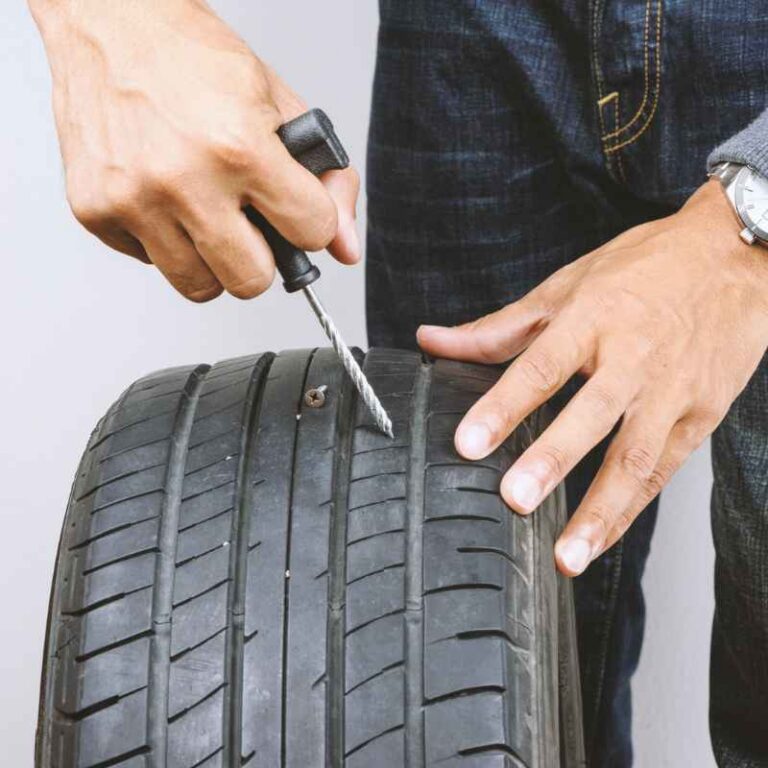
Winter tires, on the other hand, are made with special rubber compounds. This rubber stays flexible even when it’s very cold. They also have a tread pattern designed to bite into snow and ice.
I’ve seen the difference myself. My neighbor had FWD car. He used to struggle every winter.
He’d get stuck often. Then he put on a set of proper winter tires. The change was amazing.
He was able to drive confidently. He could navigate snowy streets much better. It wasn’t just about FWD anymore.
It was about having the right tools for the job.
Tire Types and Winter Performance
All-Season Tires: Good for mild weather and light snow. A compromise for year-round use.
Winter Tires: Best for snow, ice, and cold temperatures. Offer superior grip and braking. Essential for confident winter driving.
Studded Tires: Winter tires with metal studs. Excellent on ice but can damage roads. Often restricted in certain areas.
When FWD Excels
Let’s be fair. Front-wheel drive is perfectly capable for many winter driving situations. If you live in an area that gets a few inches of snow at a time, and roads are usually cleared quickly, FWD can be just fine.
The key is smooth driving and a bit of caution.
For everyday commutes on well-maintained roads, FWD is often all you need. Getting from your house to the grocery store or to work, when the plows have been out, is usually not a problem. The engine weight on the front wheels gives you that extra bit of grip.
This helps you accelerate from a stop and maintain a steady speed.
One thing FWD drivers often find is that they can often get going from a standstill on a slightly slippery surface better than RWD cars. This is because the wheels that are pushing the car are also the ones the engine is directly connected to. They are more likely to get power.
Daily Driving with FWD in Snow:
- Light Snowfall: FWD is generally adequate.
- Plowed Roads: Most FWD cars handle cleared roads well.
- Gentle Acceleration: Smooth inputs are key to maintaining grip.
- Braking: Four-wheel disc brakes or ABS are crucial for stopping safely.
Situations Where FWD Struggles
Now, let’s talk about the times when FWD can leave you feeling a bit helpless. Deep snow is a major one. If you’re driving through unplowed streets or a heavy snowfall, and the snow is deeper than your car’s ground clearance, FWD will not be enough.
The front wheels will just dig in.
Steep, icy hills are another big problem. Imagine trying to drive up a hill that is covered in black ice. Even with the engine weight on the front wheels, if the tires have no friction to grip, they will spin.
This is where AWD or 4WD systems truly shine. They can send power to the wheels that do have grip.
Another issue can be getting stuck. If your FWD car gets high-centered in snow, meaning the chassis is resting on the snow, the front wheels might be off the ground. In this case, they can’t push the car.
They will just spin freely. You might need a tow truck to get out.
Real-World FWD Driving Habits in Snow
Driving an FWD car in snow requires a different approach. It’s not about just hopping in and driving like normal. You have to be more aware of the road conditions.
And you have to change how you interact with the car’s controls.
Smooth Acceleration: This is number one. Avoid sudden bursts of speed. Gently press the accelerator pedal.
Let the wheels find grip. If they start to spin, ease off the gas. You want to feel the car move forward steadily.
Don’t try to gun it.
Gentle Braking: Just like accelerating, sudden braking is dangerous. You want to start braking early and gently. Allow your brakes to do their job without locking up the wheels.
If your car has Anti-lock Braking System (ABS), you’ll feel it pulse. Do not pump ABS brakes; just hold steady pressure.
Steering: Take corners slowly. Make wide turns. Avoid sharp steering inputs.
If you feel the front of the car starting to slide (understeer), ease off the gas and straighten the wheels slightly. Don’t overcorrect.
Anticipation: Always look ahead. See the snowdrifts. See the icy patches.
Give yourself plenty of room to stop. Expect that other drivers might not be as careful. You might need to brake sooner than you think.
Driver Mindset for FWD Winter Driving:
- Patience is Key: Don’t rush.
- Smooth Inputs: Gentle on gas, brake, and steering.
- Awareness: Constantly scan for hazards.
- Defensive Driving: Assume others may make mistakes.
What Does This Mean for You?
So, is front-wheel drive good in snow? For most everyday driving situations, yes, it’s perfectly adequate. If you live in a region with moderate winter weather, and you maintain your vehicle, especially your tires, an FWD car can get you through winter safely.
It’s a sensible choice for many drivers.
However, you need to be realistic about its limitations. If you frequently drive in deep snow, on unplowed roads, or in areas with steep, icy hills, you might find FWD to be insufficient. In those more extreme conditions, an all-wheel drive or four-wheel drive system will offer a significantly greater margin of safety and capability.
When it comes to “when to worry,” it’s really about the conditions. If you are struggling to get moving, if your wheels are spinning excessively, or if you feel the car sliding uncontrollably, those are signs that you are pushing the limits of your FWD vehicle. It’s time to pull over if it’s safe, or consider if you should be on the road at all.
When FWD is Likely Good Enough:
- Light to moderate snow.
- Roads are regularly plowed and treated.
- Daily commutes on familiar routes.
- With good winter tires installed.
When You Might Need More:
- Deep, unplowed snow.
- Steep, icy hills.
- Frequent driving in extreme winter conditions.
- Off-road or challenging terrain.
Quick Tips for FWD Drivers in Winter
Here are some simple things you can do to make driving your FWD car in snow much easier and safer. These are not magic fixes, but they help a lot.
- Get Winter Tires: I can’t stress this enough. It is the single best investment you can make for winter driving.
- Check Tire Pressure: Cold weather can lower tire pressure. Make sure your tires are properly inflated.
- Clear All Snow and Ice: Before you drive, clear all snow and ice from your windows, mirrors, lights, and roof.
- Fill Up Your Gas Tank: Keep your tank at least half full. This prevents fuel lines from freezing. It also ensures you have fuel if you get stuck.
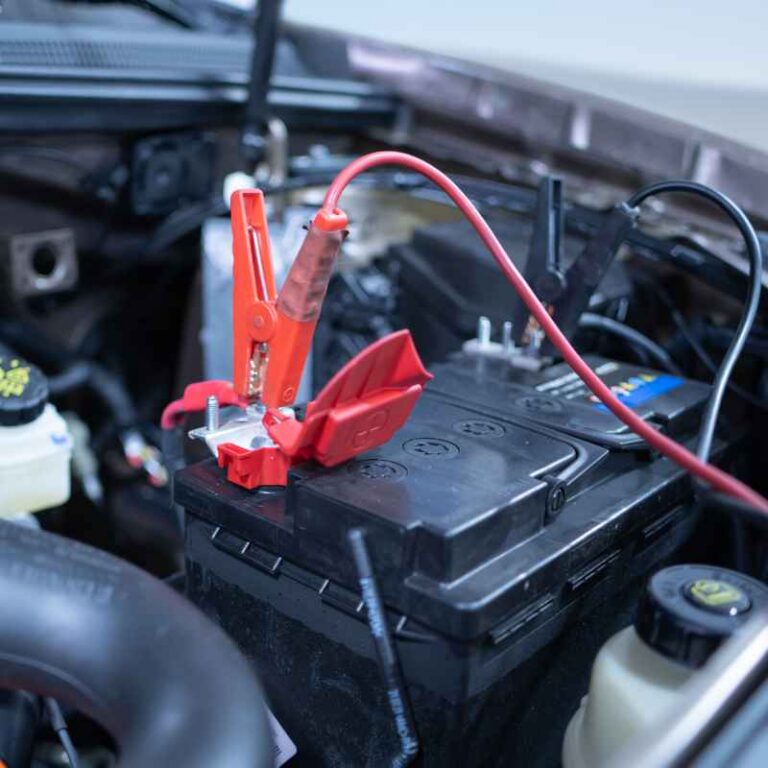
- Pack an Emergency Kit: Include blankets, food, water, a flashlight, jumper cables, and a shovel.
- Know Your Route: Plan your trip and be aware of potential hazards.
Remember, driving is about being in control. With FWD, you have good control in many situations. You just need to be smart about it.
And understand what your car can and cannot do. Being prepared is half the battle.
Frequently Asked Questions About FWD in Snow
Is front-wheel drive better than rear-wheel drive in snow?
Yes, front-wheel drive is generally better than rear-wheel drive in snow. This is because the engine weight is over the front wheels, which are also the drive wheels. This provides more traction for acceleration compared to rear-wheel drive cars where weight shifts away from the drive wheels.
Do I need special tires for my FWD car in winter?
While FWD can handle light snow, special winter tires make a huge difference. Winter tires are made with a special rubber that stays flexible in cold temperatures. They also have a tread pattern designed for better grip on snow and ice.
They are highly recommended for safe winter driving.
Can a front-wheel drive car get stuck in snow?
Yes, a front-wheel drive car can get stuck in snow. This is especially true in deep snow, on steep icy hills, or if the car gets high-centered. If the front wheels lose all traction or are unable to reach the road surface, they cannot push the car forward.
What is the main advantage of FWD in snowy conditions?
The main advantage of front-wheel drive in snow is that the engine’s weight is positioned over the drive wheels. This downward force helps the tires maintain better traction and grip on slippery surfaces, allowing for more effective acceleration from a stop.
How does AWD compare to FWD in snow?
All-wheel drive (AWD) systems generally offer superior traction and stability in snow compared to front-wheel drive. AWD sends power to all four wheels, providing better grip on slippery surfaces, steep hills, and in deeper snow. FWD is adequate for many conditions, but AWD offers more capability.
Should I drive my FWD car slower in snow?
Absolutely. You should always drive slower and more cautiously in snowy or icy conditions, regardless of your car’s drivetrain. For FWD cars, slower speeds and gentle inputs on the accelerator, brakes, and steering are crucial to prevent losing traction.
Final Thoughts on FWD and Winter
So, the answer to whether front-wheel drive is good in snow is a qualified yes. It’s a capable system for many winter driving needs. With the right preparation, especially good winter tires and smart driving habits, your FWD car can handle a lot of what winter throws at you.
Just remember its limits, and always prioritize safety.
Products related to this article
Sponsored / affiliate links. As an Amazon Associate I earn from qualifying purchases. I may earn additional commission from eligible campaigns.