When Is A Car Battery Considered Dead? Signs To Know
This guide will walk you through the signs. We’ll explain why batteries die and what you can look for. Knowing this can save you time and worry down the road.
A car battery is considered dead when it can no longer provide enough electrical power to start the engine or run essential vehicle systems. This usually happens when the battery’s voltage drops too low, often below 12.0 volts when resting, or it fails to hold a sufficient charge under load.
What Makes a Car Battery “Dead”?
So, what exactly makes a car battery reach its final resting place? It’s not always a sudden event. Batteries have a lifespan, much like anything else.
They are complex devices. They use chemical reactions to store and release energy.
Over time, these chemical reactions can degrade. This is normal wear and tear. Several things can speed up this process.
Driving habits play a big role. The climate where you live matters too. Even the age of the battery itself is a major factor — along with a few other common causes of car battery death worth knowing about.
A car battery is like the heart of your car. It needs to pump a lot of power, very quickly, to get the engine turning. When it can’t do that anymore, it’s considered dead for practical purposes.
It’s not just about having a little juice left. It needs enough power to crank that engine over with force.
Signs Your Car Battery Might Be Dead (Or Close to It)
Spotting the signs early can help you avoid getting stranded. Sometimes, a battery gives you hints before it completely fails. These little clues are important.
They are your car telling you it needs attention.
Pay attention to how your car behaves. Small changes can mean big things for your battery. It’s like listening to a friend who is feeling unwell.
They might not say “I’m sick,” but they might act tired or a bit off.
Slow Engine Crank
This is often the first sign most people notice. When you turn the key, the engine usually makes a quick, strong cranking sound. It sounds like “vroom-vroom-vroom.” If it starts to sound more like “rrr… rrr… rrr…,” that’s a slow crank.
It means the battery is struggling. It doesn’t have the power to spin the engine starter motor as fast as it should. This sluggishness is your battery telling you it’s getting weak.
It’s like someone trying to lift something heavy; they move slower if they’re tired.
Clicking Sound When Turning the Key
This sound is different from a slow crank. Instead of trying to turn the engine, you might hear a single, sharp “click.” Or, you might hear a rapid series of clicks. This often happens when you try to start the car.
What’s happening here? The starter motor is trying to engage. It gets a tiny bit of power from the battery.
But it’s not enough power to actually turn the engine over. The clicking is the sound of the starter solenoid trying and failing to get enough juice.
It’s a clear sign that the battery voltage is too low. It can’t power the starter motor properly. This is a very common indicator of a deeply discharged or dead battery.
Many people hear this and know it’s likely the battery.
Dim Lights and Electrical Issues
Your car’s battery powers more than just the starter. It also runs your headlights, interior lights, radio, and other electrical components. If these start acting up, your battery might be the culprit.
Notice your headlights looking dimmer than usual? Especially when the engine is off or idling? This is a big clue.
The battery isn’t supplying enough consistent power. The voltage is dropping too low.
Other electrical systems can show problems too. Power windows might move slower than normal. The car’s dashboard lights might flicker or seem weak.
Sometimes, the radio might cut out. These are all symptoms of a battery that’s struggling to keep things powered.
The Battery Warning Light
Most modern cars have a battery warning light on the dashboard. It looks like a battery symbol. This light usually comes on if there’s an issue with the charging system.
This can be the alternator or the battery itself.
If this light stays on while you’re driving, it’s a serious warning. It means your car isn’t getting the power it needs. Or, the battery isn’t holding a charge correctly.
It’s the car’s way of saying, “Pay attention, something is wrong with the power supply.”
While this light often points to the alternator (which charges the battery), a failing battery can also trigger it. The battery might not be accepting a charge properly from the alternator. Or, it might be so weak that it can’t maintain the system’s voltage.
Corrosion on Battery Terminals
Look at the metal posts where the battery cables connect. See any white or bluish powdery stuff? That’s corrosion.
It can build up over time.
Corrosion acts like an insulator. It blocks the flow of electricity between the battery and the car’s electrical system. Even if the battery itself is good, this gunk can prevent it from working correctly.
It’s like trying to plug in a device with dirty pins.
While corrosion doesn’t always mean the battery is dead, it’s a sign of a problem. It can contribute to poor electrical connections. And this can mimic the symptoms of a weak battery.
Cleaning the terminals is a simple maintenance step. But if you see a lot of it, it might mean the battery has been leaking or is older.
The Age of the Battery
Car batteries don’t last forever. Most car batteries last between 3 to 5 years. This can vary a lot.
Some might go longer, and some might fail sooner.
Factors like extreme temperatures (both hot and cold) can shorten a battery’s life. If your battery is older than 4 years, it’s in its “senior years.” It’s more likely to fail without much warning.
When your battery is getting old, its ability to hold a charge decreases. The internal components wear out. Even if it seems to work okay now, it might be on its last legs.
It’s good to check the date code on the battery. This is often found on a sticker. It might be a month and year.
Battery Age: A Key Indicator
When you buy a new battery, check its manufacture date. Batteries start degrading from the moment they are made. Older batteries on the shelf are already past their prime. Look for codes on the battery label that indicate the month and year of production.
Generally, aim for a battery that’s less than six months old.
Why Do Car Batteries Die? Common Causes
Batteries don’t just decide to quit out of the blue. There are usually reasons behind their demise. Understanding these causes can help you prevent future battery failures.
Think of it like staying healthy. You eat well and exercise to keep your body strong. For your car battery, it’s about proper use and maintenance.
Leaving Lights or Electronics On
This is a classic. Forgetting to turn off your headlights, interior dome lights, or even a phone charger plugged into a power outlet can drain a battery significantly. If left overnight, it can completely drain a healthy battery.
Modern cars have systems to prevent this. But older cars might not. Even in newer cars, some accessories can draw power even when the car is off.
This is called parasitic draw. A small, constant drain is usually fine. But a larger one can kill a battery over time.
I remember a time when I was rushing out of the house. I had my laptop plugged into the car. I completely forgot about it.
The next morning, my car wouldn’t start. It was a simple mistake, but it drained the battery dead. It was a hard lesson learned about checking everything before walking away.
Extreme Temperatures
Heat is a battery’s worst enemy. Hot weather causes the battery’s internal components to degrade faster. It also speeds up water loss from the electrolyte inside the battery.
This can damage the battery plates.
Cold weather is also hard on batteries. It reduces the battery’s power output. It also makes the engine oil thicker, requiring more power to crank the engine.
So, a weak battery will have a harder time starting in the cold.
Many battery failures happen after a hot summer or during the first big cold snap of winter. The battery might have been weakened by one extreme. Then, the other extreme is what finally pushes it over the edge.
Short Driving Trips
Your car’s alternator recharges the battery while the engine is running. But it takes time to fully recharge the battery. If you only take very short trips, the alternator might not have enough time to put back all the power the battery used to start the car.
This is especially true in winter. Using the heater, defroster, and heated seats uses a lot of power. If you start the car, run these for 10 minutes, and then turn it off, you’re using more power than you’re replacing.
Over time, frequent short trips can lead to a chronically undercharged battery. This weakens it significantly. Longer drives (30 minutes or more) are usually needed to ensure the battery gets a good charge.
This is something many people don’t realize.
Faulty Charging System (Alternator)
The alternator is responsible for keeping the battery charged. It also powers the car’s electrical systems while the engine is running. If the alternator is failing, it won’t charge the battery properly.
This will eventually lead to a dead battery.
Signs of a failing alternator include dimming headlights, the battery warning light staying on, and electrical components not working correctly. Sometimes, you might even hear a whining noise from the engine. This can be a sign of a worn alternator bearing.
While the battery might be the part that fails to start the car, a bad alternator can be the root cause. It’s important to have the whole charging system checked if you suspect a battery issue.
Sulfation
Sulfation is a natural process that happens in lead-acid batteries. Lead sulfate crystals form on the battery plates when the battery is discharged. When the battery is charged, these crystals convert back.
But if a battery sits discharged for too long, these crystals harden.
Hardened crystals are harder to convert back. They reduce the battery’s surface area. This means less power can be produced.
Severe sulfation can permanently damage the battery. It makes it unable to hold a charge. This is a major reason why old batteries stop working.
Understanding Sulfation
Sulfation happens when a battery is left in a discharged state. The longer it stays discharged, the worse the sulfation becomes. Regular driving and keeping the battery fully charged prevents excessive sulfation. If you only drive occasionally, consider using a battery tender or trickle charger to keep it topped up.
Internal Battery Defects
Sometimes, a battery just has a manufacturing defect. This can cause it to fail prematurely. This is rare, but it does happen.
It’s usually covered by the battery’s warranty.
This could be a faulty cell, a cracked casing, or a problem with the internal connections. These issues can lead to a battery that dies suddenly or doesn’t hold a charge at all. If you suspect a defect, contact the place where you bought the battery.
What To Do If Your Car Battery Is Dead
Okay, so you’ve confirmed your battery is dead. It won’t start the car. What’s your next move?
Don’t panic. There are a few options.
First, you need to know if it’s just discharged or if it’s truly failed. A discharged battery might be revived. A failed battery needs replacing.
Attempt to Jump Start the Car
This is the most common first step. You’ll need jumper cables and another vehicle. Or, you can use a portable jump starter pack.
How to Jump Start Safely:
- Park the working car close to your car.
- Turn off both cars and remove the keys.
- Open the hoods of both vehicles.
- Locate the batteries and their terminals (positive and negative ).
- Important: Connect the red clamp of the jumper cable to the positive (+) terminal of the dead battery.
- Connect the other red clamp to the positive (+) terminal of the good battery.
- Connect the black clamp of the jumper cable to the negative (-) terminal of the good battery.
- Connect the final black clamp to an unpainted metal surface (ground) on the engine block or chassis of the dead car. This is far away from the battery.
- Start the working car and let it run for a few minutes.
- Try to start your car.
- If it starts, let both cars run for a few more minutes.
- Carefully remove the cables in the reverse order: black from ground, black from good battery, red from good battery, red from dead battery.
If your car starts after a jump, it means the battery was likely just discharged. You should still get it tested. It might be weak and fail again soon.
Or, the issue could be your alternator not charging it properly.
Test the Battery
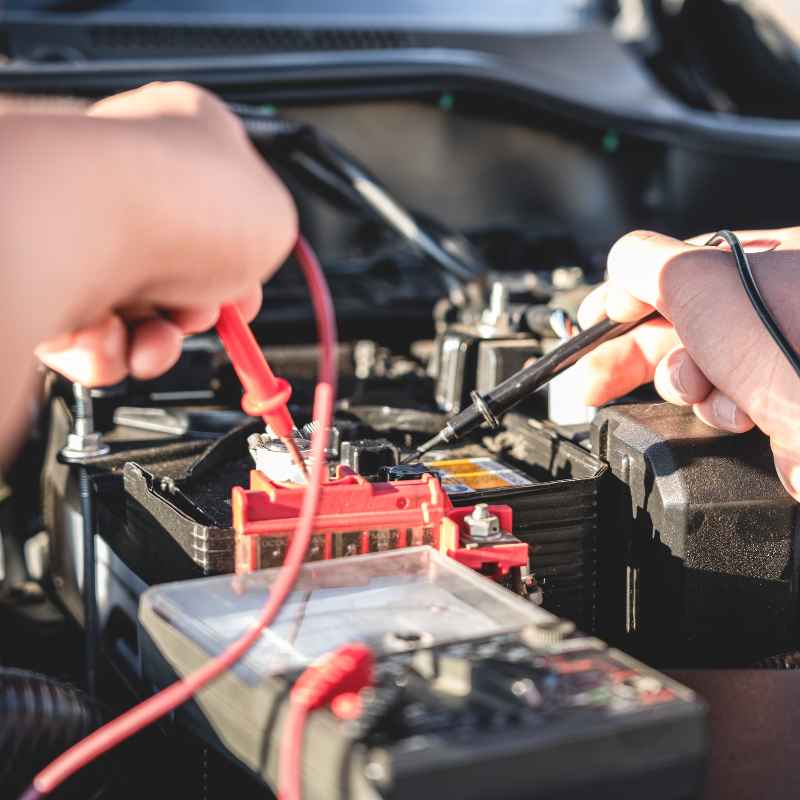
A dead battery usually needs to be tested. Most auto parts stores offer free battery testing. They have specialized tools that can check the battery’s voltage and its ability to hold a charge under load.
This test is crucial. It tells you if the battery is truly dead and needs replacing, or if it’s just discharged. A mechanic can also test your battery.
They will also check your car’s charging system (alternator).
Battery Testing Explained
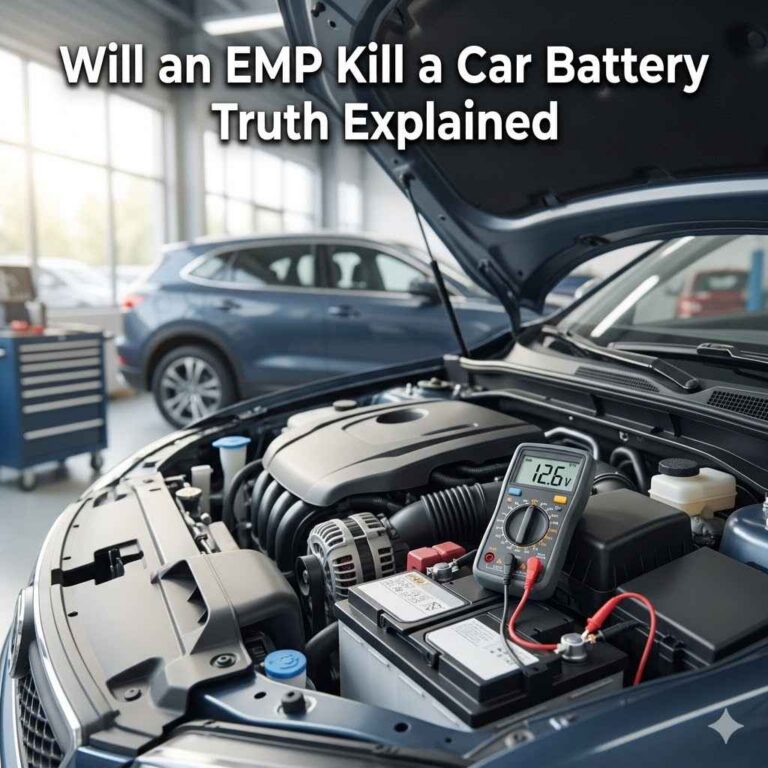
Voltage Test: A resting battery should read around 12.6 volts. Anything below 12.0 volts indicates a significantly discharged or failing battery. Load Test: This is the most important test.
It simulates starting the engine to see how well the battery holds voltage under stress. A battery that fails a load test is likely dead.
Replace the Battery
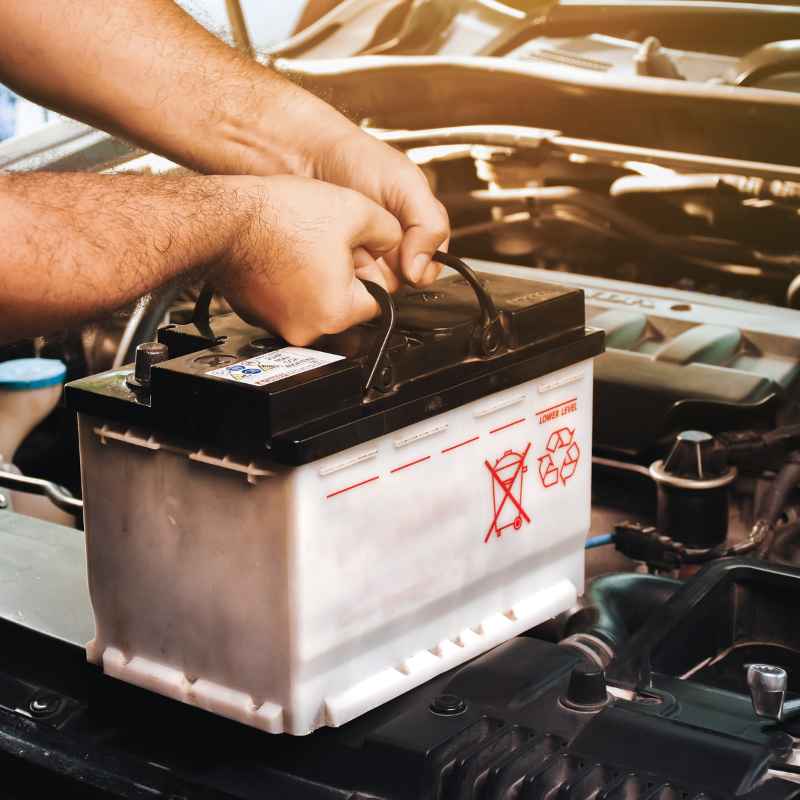
If the battery test confirms it’s dead or failing, you’ll need a new one. You can buy a new battery from an auto parts store. Many stores will install it for you for free or a small fee.
Make sure to get the correct battery for your car. Check your car’s owner’s manual or ask the store’s staff. They can help you find the right group size and type.
When you buy a new battery, ask about the warranty. Most come with a warranty for a set number of years. Keep your receipt!
It’s important for warranty claims.
Check the Alternator
As mentioned, a bad alternator can also cause a battery to die. If you’ve replaced the battery and it still won’t start, or if it dies again quickly, have your alternator checked. A mechanic can perform this test for you.
The alternator is vital. It’s what keeps the battery charged while the engine is running. If it’s not working, the battery will eventually drain.
When Is It Not the Battery?
Sometimes, the car won’t start, and it feels like a dead battery, but it’s something else. It’s good to be aware of other possibilities.
Other issues can mimic battery problems. They can leave you scratching your head.
Bad Starter Motor
If you hear a single loud click when you try to start the car, and the lights are bright, it could be the starter motor. The battery might be fine, but the starter can’t engage the engine to turn it over.
Fuel Pump Issues
If the engine cranks but doesn’t start, it might not be getting fuel. The fuel pump delivers fuel to the engine. If it fails, the engine won’t run.
Ignition System Problems
This includes spark plugs, ignition coils, or the ignition switch. If these aren’t working correctly, the engine won’t get the spark it needs to ignite the fuel.
Loose or Corroded Connections
We talked about corrosion on the battery terminals. But the connection at the starter motor or other grounds can also be loose or corroded. This can prevent power from reaching the starter.
In real homes, I’ve seen situations where the battery was fine, but the main positive cable connection was loose. It looked like a battery problem, but it was just a simple fix of tightening a clamp.
Quick Check for Loose Connections
Before assuming the battery is dead, check the main battery cable clamps. Make sure they are tight and free of heavy corrosion. Give them a gentle wiggle. If they move easily, they need to be tightened.
This is a common fix for no-start issues.
Preventing Your Car Battery from Dying
Now that you know the signs and causes, how can you keep your battery healthy? Prevention is always better than dealing with a dead battery. It saves you hassle and money.
These are simple habits. They can make a big difference in battery life.
Drive Regularly and for Sufficient Durations
As we discussed, short trips aren’t great for batteries. Try to take your car for a longer drive at least once a week. This helps the alternator fully recharge the battery.
Aim for 30 minutes or more.
If you use your car less often, consider starting it up and letting it run for 15-20 minutes every few days. This circulates fluids and keeps the battery topped up a bit.
Keep Terminals Clean and Corrosion-Free
Regularly inspect your battery terminals. If you see any signs of corrosion, clean them. You can use a wire brush and a mixture of baking soda and water.
After cleaning, you can apply a thin layer of dielectric grease or petroleum jelly. This helps prevent future corrosion.
Avoid Draining the Battery
Be mindful of leaving lights, radio, or other accessories on when the engine is off. Get into the habit of checking. Turn them off before you get out of the car.
If you know you’ll be parked for a while, unplug any non-essential electronics.
Protect Your Battery from Extreme Temperatures
If possible, park your car in a garage or shaded area during extreme heat. In very cold climates, ensure your battery is in good condition before winter sets in. Some people use battery blankets or trickle chargers in extreme cold.
Test Your Battery Periodically
Don’t wait until your battery dies. Have it tested annually, especially if it’s more than 2-3 years old. Auto parts stores offer free testing.
This can help you catch a weakening battery before it leaves you stranded.
Battery Maintenance Checklist
- Inspect Terminals: Check for corrosion monthly.
- Clean Terminals: Clean as needed.
- Secure Battery: Ensure the battery is firmly held in place.
- Drive Longer: Take a longer drive weekly.
- Check Age: Know your battery’s age and expected lifespan.
- Test Annually: Get it tested after 2-3 years of age.
Frequently Asked Questions About Dead Car Batteries
When Is a Car Battery Officially “Dead”?
When is a car battery officially “dead”?
A car battery is considered dead when it can no longer provide enough power to start the engine or run vehicle systems. This usually means its voltage is too low, often below 12.0 volts, and it fails a load test. It cannot hold a sufficient charge under demand.
How long does a dead car battery take to charge?
How long does a dead car battery take to charge?
A completely dead battery can take anywhere from 30 minutes to several hours to charge. A jump start can give it enough power to start, but a proper charge on a charger will take longer. If the battery is old or damaged, it might not charge at all.
Can a car battery die overnight?
Can a car battery die overnight?
Yes, a car battery can die overnight. This usually happens if a light or accessory was left on, or if there’s a significant parasitic draw from the electrical system. An older, weak battery might also fail completely overnight.
What is the most common cause of a dead car battery?
What is the most common cause of a dead car battery?
The most common causes are leaving lights or electronics on, extreme temperatures (especially heat), short driving trips that don’t allow for full recharging, and simply the battery reaching the end of its lifespan (age).
Can you fix a dead car battery?
Can you fix a dead car battery?
If a battery is just discharged (dead from being drained), it can usually be recharged with a jump start or a battery charger. However, if the battery has suffered from severe sulfation, internal damage, or has simply reached the end of its life, it cannot be fixed and needs to be replaced.
How do I know if my alternator is bad instead of the battery?
How do I know if my alternator is bad instead of the battery?
If your car starts with a jump but then dies again shortly after, or if the battery warning light stays on while driving, it could be the alternator. A mechanic can test your alternator to see if it’s charging the battery correctly. A battery warning light is a key indicator to investigate the charging system.
What does a clicking sound mean when trying to start the car?
What does a clicking sound mean when trying to start the car?
A clicking sound usually means the battery has some power, but not enough to turn over the engine starter motor. It’s the sound of the starter solenoid trying to engage. This is a strong sign of a very weak or dead battery.
Conclusion: Staying Charged and Aware
Understanding when a car battery is dead is about paying attention. It’s about noticing the subtle signs your car gives you. From slow cranks to dim lights, these are clues.
Most batteries have a good run. But eventually, they wear out. By knowing the common causes and performing simple checks, you can extend your battery’s life.
You can also avoid the frustration of a car that won’t start. Keep an eye on your battery, and it will keep you moving.
Products related to this article
Sponsored / affiliate links. As an Amazon Associate I earn from qualifying purchases. I may earn additional commission from eligible campaigns.