Is NASCAR Fake? Proven Essential Truths
NASCAR is not fake. While it involves intense rules and close racing, the speed, the wrecks, and the competition among drivers are very real, built on serious engineering skill and genuine high-stakes athletic performance over thousands of miles.
Have you ever watched a stock car race and wondered if all that bumping and speed is truly real? It’s a common thought! With incredible finishes and sometimes unbelievable crashes, it’s easy for newcomers—or even seasoned fans—to question what they are seeing. Is it all just scripted entertainment? As an automotive guide, I want you to know the practical truth behind the speed. We will look closely at the mechanics, the rules, and the physical demands that prove NASCAR racing is a genuine, high-stakes sport. Let’s clear up these common rumors and see what makes NASCAR authentically thrilling, step by step.
Why Do People Ask, “Is NASCAR Fake?”
It is natural to question things that look too perfect or too dramatic. When you see two cars finish separated by a few inches after 500 miles, it strains belief. This feeling often comes from three main areas that people misunderstand about professional racing.
Misconception 1: The Close Finishes Seem Too Convenient
People see side-by-side racing for the entire final lap and think, “That has to be planned.” They assume points are being handed out. In reality, modern race cars are incredibly precise machines, and aerodynamic drafts (following closely behind another car) can keep them side-by-side for a long time, even if the drivers are fiercely battling for the lead.
Misconception 2: The Wrecks Look Too Dramatic or Happen Too Often
Race car crashes often look terrifying because they involve thousands of pounds of machinery traveling at 180+ mph. Because safety technology has improved so much (like the HANS device and safer car designs), drivers can survive incredible impacts that would have been fatal decades ago. The drama is real, but the safety measures are what allow them to walk away.
Misconception 3: It Looks Like “Scripted Entertainment”
Because NASCAR is a business that relies on entertainment value, people sometimes confuse tight competition and drama with a “script.” However, while team owners and sponsors invest huge amounts of money, the actual on-track performance is determined by real physics, driver skill, and split-second reactions—not by producers telling drivers where to finish outside of specific safety situations or post-race procedures.
The Unmistakable Truth: Real Physics at Real Speed
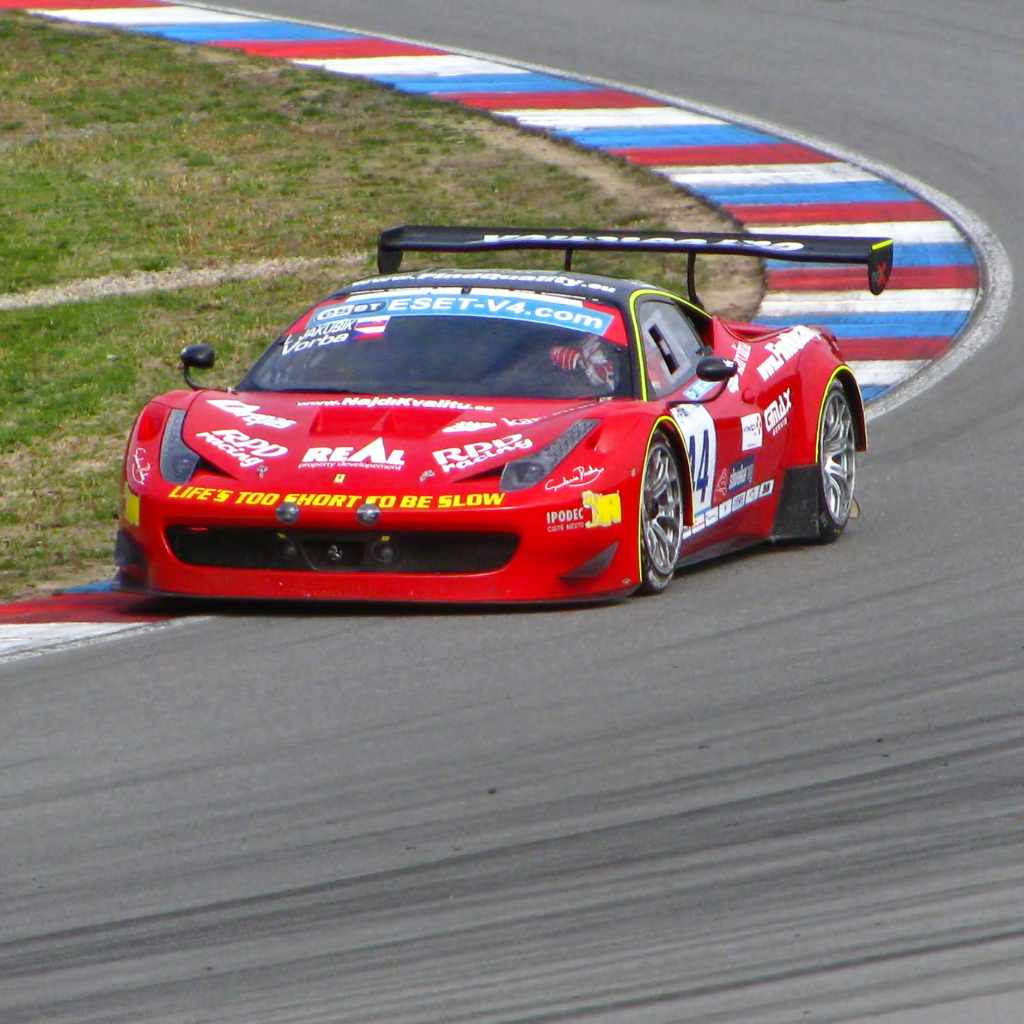
The biggest proof that NASCAR is not fake lies in the actual engineering and physics required to make these cars go fast and keep them in one piece. If it were fake, you wouldn’t need this level of dedication to engineering.
Fact 1: The Engineering is Legitimate and Tested
These aren’t just modified sedans; they are purpose-built racing machines that cost hundreds of thousands of dollars. Every part, from the chassis to the engine components, must meet strict rules, but the underlying performance is due to real science.
The Role of Aerodynamics
Aerodynamics is how air moves over the car. NASCAR engineers spend countless hours in wind tunnels optimizing airflow to create downforce—a downward push—that keeps the tires glued to the track, especially in the turns.
This complex pushing and pulling of air determines how fast a car can take a corner. If the setup were fake, they wouldn’t need specialized testing facilities. You can learn more about how physics governs these speeds by reviewing general principles of internal combustion engine operation and aerodynamics which are core to the sport.
Fact 2: The Heat and Physical Strain on Drivers Are Extreme
Driving a NASCAR Cup Series car is a full-body athletic event. It is not just sitting and steering.
- G-Forces: Drivers pull between 3 and 4 G’s in heavy braking zones and high-speed turns. This means their bodies feel several times their actual weight pushing on them constantly.
- Heat: Cockpit temperatures often soar above 130°F (54°C). Drivers can easily lose 10 to 15 pounds of fluid weight during a single long race.
- Concentration: The driver must process massive amounts of data—track conditions, tire wear, fuel level, and competitor positions—while managing the car at speeds where a slight mistake means disaster.
Fact 3: The Tires Are the Ultimate Limiters
The tires are the only part of the car touching the track. They are the most crucial component and they are not designed for eternity.
Tire strategy and wear are 100% real. Tires degrade, they lose grip (this is called “falling off”), and they can blow out suddenly due to heat or debris. If a driver pushes too hard for too long, they physically destroy the grip, leading to a spin or a wreck. This dynamic is entirely physical and unscripted.
The Rules and Regulations: Why Teams Can’t Just “Cheat” Their Way to Wins
One common myth is that teams are allowed to pass easy checks or that rules are bent for certain drivers. The reality is that NASCAR employs some of the most rigorous, hands-on inspection processes in all of professional sports.
The Importance of Parity (Keeping Things Even)
NASCAR goes to great lengths to ensure that the competition is close and fair. This concept is called “parity.” They want the speed difference to come from driver skill and optimal setup, not from illegal equipment.
Vehicle Inspection Process
After qualifying, and most importantly, after the race, cars undergo intense inspection. If a car is found illegal, results are forfeited, and large fines or suspensions can occur.
| Inspection Type | What They Check | Why It Matters |
|---|---|---|
| Pre-Race Templates | Car height, body panel flatness, and component placement measured against rigid templates. | Ensures the car adheres exactly to aerodynamic rules. |
| Engine Check | Measuring weight, component clearances, and horsepower output tolerances. | Prevents teams from adding illegal power modifications. |
| Post-Race Teardown | Disassembling critical parts like the transmission and suspension for measurement. | Confirms compliance after the stress of the race. |
These inspections are performed by NASCAR officials who use specialized tools. If you want to see how serious this level of measurement is, you can look at the precision engineering used in professional motorsport governance, often detailed by official sanctioning bodies.
The “Lucky Dog” Rule Explained
If a race has an unplanned caution period (a wreck), and you are the first car that was lapped (passed by the leader), you get the “Lucky Dog” free pass—you go back to the end of the line, but you get your lap back.
Is this staged? No. This rule exists purely to keep the race exciting and prevent one minor incident from permanently ruining a contender’s race. It’s a competitive leveling factor, not a plot device.
The Unscripted Drama: Where Reality Shines Through
The moments that make people wonder if the sport is fake are usually the most real and unpredictable parts of racing.
Unpredictable Racing Incidents
In a sport defined by inches between cars at 200 mph, chaos is inevitable. These events are never planned.
- “The Big One”: This is the term for a massive, multi-car wreck, usually on superspeedways like Daytona or Talladega. Cars stack up because the aerodynamic draft forces them so close together. When one driver makes a slight mistake or takes an aggressive bump, the chain reaction is instantaneous and uncontrollable.
- Mechanical Failures: Engines blow, transmissions lock up, and tires fail. These are expensive, genuine failures that take championship contenders out of the race instantly.
- Driver Error: Even the best drivers have bad days, misjudge their braking point, or get caught out by changing track conditions (like rubber buildup or oil spills). A minor input error translates into a major outcome at speed.
The Human Element: Rivalries and Emotions
If NASCAR were scripted, the rivalries would be much cleaner and more predictable. Instead, we see genuine, raw emotion spill over, which is the opposite of a script.
Drivers are fierce competitors with massive financial backing behind them. When a driver spins out a fellow competitor due to aggressive driving, the resulting confrontation in the garage area or the post-race meeting is fueled by real anger, lost sponsorships, and millions of dollars on the line.
Example: The Importance of Track Position
In a race, track position is everything. If a driver is leading, they have clear air—no other car blocking their aerodynamics. If they are second, third, or fourth, they are battling for every lane. The constant, genuine fight just to gain one extra spot is what makes the final laps so tense, and this fight is dictated by driver talent battling physics, not a scriptwriter.
How NASCAR Manages Entertainment Without Scripting the Action
It is important to distinguish between managing the show and scripting the outcome. All major sports, from the NFL to the Olympics, manage their broadcast flow to maximize viewer enjoyment. NASCAR is no different, but managing the flow is very different from scripting the finish.
Pacing the Broadcast
NASCAR officials, through race control, manage when caution flags are thrown or lifted. This is necessary for safety. If a car spins out on the backstretch, closing down the pit road immediately for safety protocols makes sense.
Allowing the field to bunch up under caution is technically managing the pace, but it does not tell the drivers who will pass whom once the race restarts. The green flag dropping is when reality takes over again.
Driver Interaction and Storylines
NASCAR heavily promotes rivalries and team dynamics because that is what creates compelling stories for viewers. When a rookie driver challenges an established champion, that narrative draws viewers in. The challenge is real; the champion’s experience against the rookie’s raw speed is a genuine contest that plays out on the track.
Think about this: If NASCAR were fake, why would they need the “Chase for the Championship” playoff system? They could simply declare the driver with the most points the winner. The playoff system, designed to create drama, only works because the results inside the “playoff races” are still determined by the drivers executing in real time.
Understanding the Role of the Driver in a “Stock Car”
The term “stock car” itself implies a connection to consumer vehicles, but that’s largely historical. Modern NASCAR cars barely resemble the vehicles sold in showrooms, which highlights the skill needed to drive them.
The Skill Difference: Elite Athletes vs. Regular Drivers
Nearly anyone can drive a street car fast with good brakes. Very few people in the world can manage the sustained speed and G-forces of an elite NASCAR driver.
- Steering Input: Drivers use only about 180-200 degrees of steering lock, making tiny adjustments at high speed.
- Throttle Control: Feathering the gas pedal perfectly (often using only 1% more or less gas) is often the difference between holding the lead and spinning out in a corner.
- Fuel Saving: Drivers must manage their fuel consumption mid-race, lifting off the throttle slightly on long straightaways, which is counter-intuitive for someone trying to win, but essential for strategy.
Car Setup is a Constant Battle
Before the race even starts, teams adjust hundreds of parameters—shock absorber stiffness, spring rates, weight balance, and tire stagger (making the tires slightly different sizes to help handle the turns). These adjustments are attempts to conquer very real physics challenges facing the car on that specific track surface that day.
No amount of “scripting” can overcome a poorly set-up car that handles like a boat in the corners. If the outcome were fake, why would teams spend millions fine-tuning these real-world mechanical details year-round?
Key Indicators That NASCAR is Genuinely Competitive
When evaluating whether any competitive sport is real, look for things that cannot be easily dictated by a producer. In NASCAR, these indicators constantly point to fundamental reality.
The Impact of Unforeseen Weather
Rain is the great equalizer and the ultimate unscripted moment in many NASCAR races run without protection (like domes). If a sudden shower hits the track, drivers must react instantly to rapidly decreasing grip. Teams cannot control when rain starts or stops, and the subsequent slowdowns or wrecks are entirely real consequences of sudden, uncontrolled environmental changes.
The Financial Stakes
NASCAR involves major corporate sponsorship, some spanning billions of dollars across multiple years. Sponsors pay for visibility and performance. If a race finish were fixed, the entire competitive structure would collapse when the truth leaked. The immense investment from major manufacturers (like Ford, Chevrolet, and Toyota) and national brands requires verified, competitive results to justify the spending.
The Presence of Governing Body Oversight
Organizations like the National Highway Traffic Safety Administration (NHTSA) and similar safety bodies indirectly influence overall vehicle safety standards, though NASCAR self-regulates competition. The intense scrutiny from media, fans, and regulatory compliance teams ensures that major infractions are rarely successful. The cost of being caught fixing elements is career-ending.
Conclusion: Embracing the Real Drama of Speed
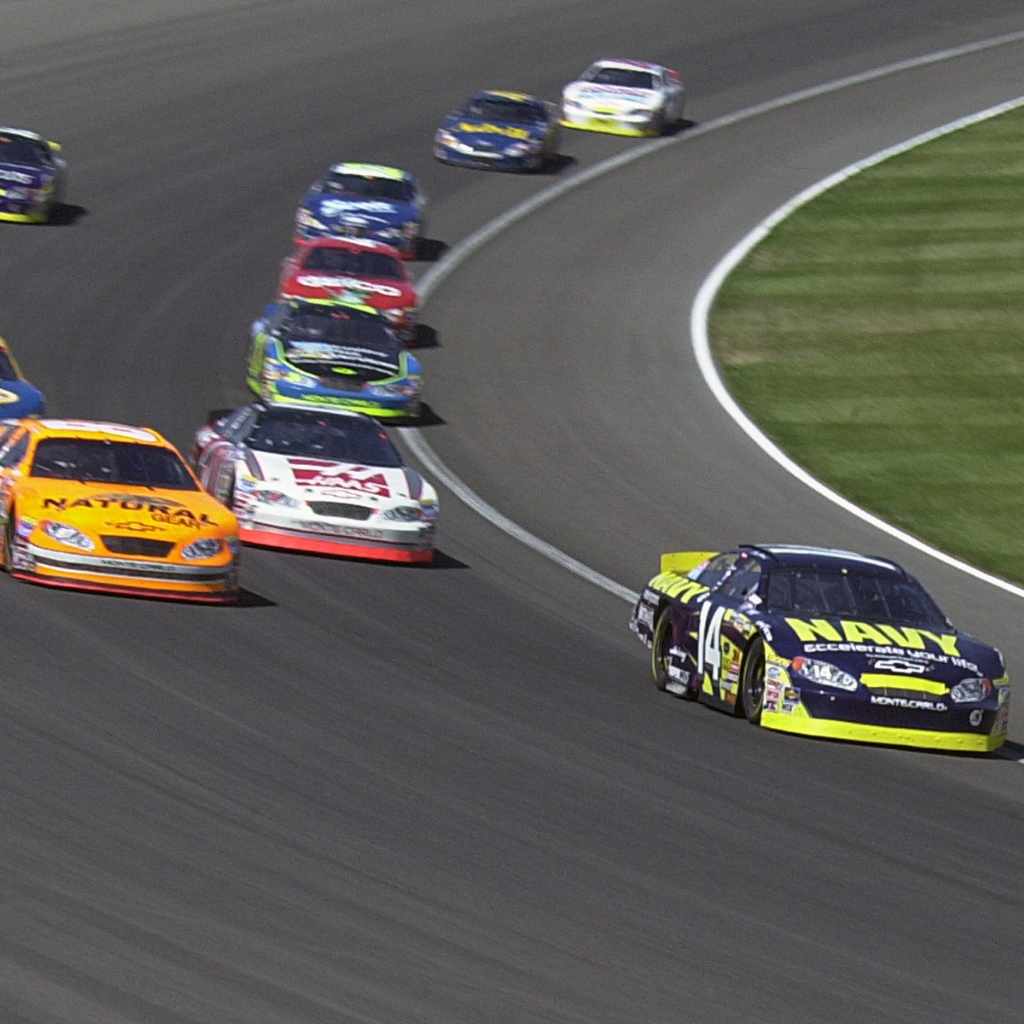
So, is NASCAR fake? Absolutely not. What you are witnessing is the pinnacle of stock car engineering paired with the intense, raw skill of elite drivers battling physics, speed, and each other.
The close finishes are real because modern engineering allows for incredible precision, and the drafts keep cars side-by-side longer than you might expect. The wrecks are real because the speeds are life-threatening. The drama exists because the high financial stakes and the drivers’ competitive fire are absolutely genuine. Embrace the sport for what it is: a demanding, physically grueling contest where inches matter, and where the outcome is determined by who masters the machinery and the track on that specific day. Keep learning about the engineering, watch the tire wear, and you’ll see the absolute truth in every lap.
Frequently Asked Questions (FAQ) About NASCAR Authenticity
Q1: Do NASCAR drivers ever crash on purpose to set up a caution?
While drivers often seek favorable restarts, intentionally causing a major wreck is extremely rare and heavily penalized if proven. Accidents happen because of speed and tiny errors, not typically as a calculated strategy to stop the race, as it jeopardizes safety and machinery.
Q2: Why do some drivers seem to “magically” move up late in the race?
This is usually due to excellent strategy (like pitting at the right time for new tires) or capitalizing on late-race cautions that bunch the field up. Also, drivers who save their tires or conserve fuel might have an advantage when others are struggling near the end.
Q3: Are the engines different for every race or are they always the same?
NASCAR mandates strict rules regarding engine performance, meaning teams use “spec engines” built to specific tolerances. Importantly, teams must use engines that meet specific criteria for each race weekend to ensure performance parity, though they track wear and tear carefully.
Q4: If a driver wins, does NASCAR check to make sure they deserved it?
Yes. Post-race inspection is extremely thorough, focusing on the body dimensions, weight, and often key driveline and engine components to ensure the winning car was built legally according to the rule book for that specific event.
Q5: What is “stage racing” and does it impact the final result being real?
Stage racing breaks the race into smaller segments, awarding bonus points to the leaders of those segments. This system keeps competition high throughout the entire race, but the final stage winner is still determined by the real on-track battle.
Q6: Why do NASCAR teams share so much data if they are competing so hard?
Teams share data regarding basic shock absorber setups or basic track geometry because they must adhere to rules that limit car design (parity). Sharing basic setup knowledge keeps the playing field level so the focus remains on driver skill and minor adjustments, not proprietary, illegal car designs.