Is Soapy Joe’s Car Wash Bad For Your Car?
So, you’re wondering, Is Soapy Joe’s Car Wash Bad for Your Car? It’s a question many folks ask when they want their car to sparkle but also want to keep it in tip-top shape. It can feel a little tricky to know for sure what’s best for your paint and finish. Don’t worry, we’ll break it down simply, step-by-step, so you can make the best choice for your ride.
We’ll explore what makes some car washes a concern and how to figure out if Soapy Joe’s is the right choice for you.
Understanding Automatic Car Washes
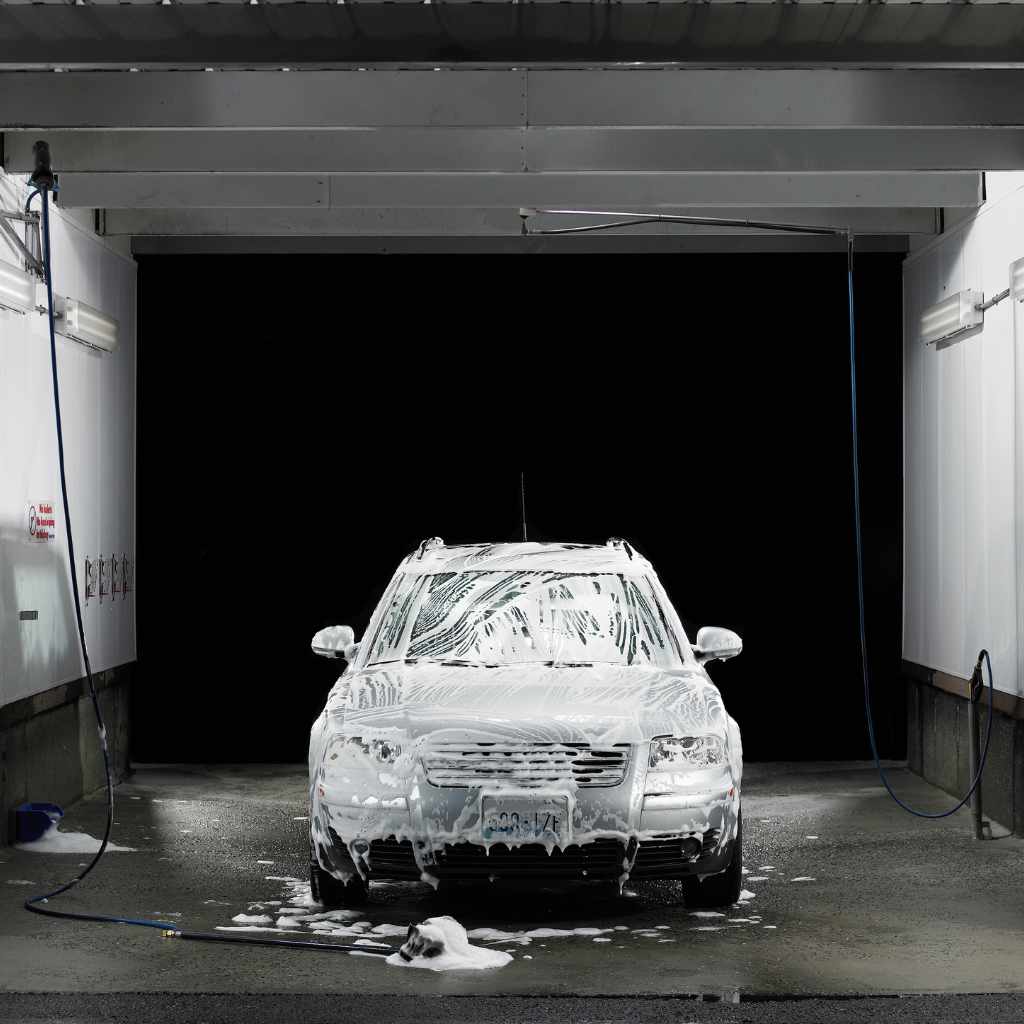
Automatic car washes are super convenient. You drive in, and machines do all the work. They use brushes, high-pressure water, and soap to clean your car quickly.
This is great when you’re in a hurry or just want a quick clean. However, some people worry about the effect these machines can have on their car’s paint. The main concerns usually revolve around the brushes and the chemicals used.
The Role of Brushes in Car Washing
The brushes are the part of automatic car washes that get the most attention when people ask, Is Soapy Joe’s Car Wash Bad for Your Car? These brushes spin and rub against your car’s surface to remove dirt and grime. Over time, if these brushes aren’t properly maintained, they can pick up tiny particles of grit and dirt from previous cars. When these abrasive particles rub against your car’s paint, they can cause very fine scratches.
You might not see them right away, but over many washes, these can dull your paint’s shine.
Think of it like rubbing a dirty cloth over a clean window. Even if the cloth is soft, if there’s sand on it, it will leave tiny marks. Newer car wash systems often use softer materials, like foam or cloth strips, which are generally gentler than the older, stiffer brushes.
The frequency of washing also plays a role. Washing your car very often in an automatic wash might increase the chance of these micro-scratches appearing over time compared to washing it less frequently.
Foam vs. Brush Washes
There’s a difference between car washes that use foam and those that use traditional brushes. Foam washes typically use soft foam “fingers” or rollers that gently glide over your car. These are designed to be less abrasive.
Traditional brushes, especially older types, can be a bit tougher. Many modern automatic car washes are moving towards softer cloth or foam materials to be kinder to car finishes. When considering Is Soapy Joe’s Car Wash Bad for Your Car?, it’s helpful to know what kind of cleaning mechanism they primarily use.
Car Wash Soaps and Chemicals
The soaps and chemicals used in car washes are another point of discussion. Car wash soaps are designed to break down dirt, oil, and road film. High-quality soaps used by reputable car washes are usually pH-balanced, meaning they are not too acidic or too alkaline.
This is important because harsh chemicals can strip away the protective wax or sealant on your car’s paint, leaving it more vulnerable.
Some car washes might use stronger degreasers or pre-soaks to tackle really tough dirt. While effective at cleaning, if these are too strong or left on the paint for too long, they could potentially affect certain types of paint protection or even the clear coat itself over repeated exposure. It’s generally good to look for car washes that state they use pH-neutral or car-safe cleaning solutions.
Water Quality and Drying Methods
Beyond soaps and brushes, the water used and how your car is dried can also matter. If a car wash uses hard water, mineral deposits can be left behind on your car’s surface as the water dries. This can lead to water spots, which are unsightly and can be difficult to remove.
Many professional car washes use de-ionized or filtered water to prevent this. As for drying, some washes use large air blowers, while others might have spinning microfiber cloths. Air blowers are generally safe.
Cloth drying methods, similar to brush washing, carry a small risk if the cloths are not kept clean and free of grit.
Factors to Consider for Soapy Joe’s Car Wash
When you’re asking, Is Soapy Joe’s Car Wash Bad for Your Car?, the best way to answer it is to look at what makes any automatic car wash potentially problematic and then see how those factors might apply. It’s not always a simple yes or no. Several things can influence whether a wash is good or not so good for your vehicle.
Maintenance and Cleanliness of Equipment
This is perhaps the most critical factor. A well-maintained car wash facility that regularly cleans and replaces its brushes and cloths will be much gentler on your car than one that doesn’t. If Soapy Joe’s, or any automatic wash, invests in keeping their equipment in top condition, the risk of scratches is significantly reduced.
This includes regularly inspecting brushes for wear and tear and ensuring cloths are clean.
How often do they check their equipment? Do they have a schedule for replacing worn-out brushes or cleaning cloth materials? These are key questions that, if answered positively, would suggest a lower risk.
A car wash that looks clean and tidy, with staff who seem attentive to the machinery, is often a good sign.
Type of Brushes or Cleaning Materials
As mentioned earlier, the type of material used for cleaning is important. Soapy Joe’s might use traditional brushes, softer cloth strips, or foam applicators. If they use softer, more modern materials, it’s a good indication that they are trying to minimize potential damage to car finishes.
If they are using older, stiffer bristle brushes, the risk of micro-scratches is higher.
Some car washes offer different wash packages. A more basic wash might use more aggressive methods, while a premium wash might include gentler cleaning techniques or additional protective treatments. Understanding the specific cleaning technology Soapy Joe’s employs can help you gauge the potential impact on your car.
Quality of Soaps and Protection Treatments
The quality of the cleaning agents is also something to think about. Are they using harsh, industrial-strength detergents, or are they using specialized car wash soaps that are formulated to be safe for automotive finishes? A good car wash will use pH-neutral soaps that effectively clean without stripping away existing wax or sealants.
Some washes even offer optional wax or sealant applications as part of their service.
If Soapy Joe’s offers a “triple foam” or “wax shield” option, this can be beneficial. These treatments add a layer of protection after the cleaning process, helping to repel water and dirt and adding a bit of shine. The effectiveness of these treatments can vary, but they are generally a positive addition.
Water Spotting Prevention
Water spots are a common annoyance and can etch into your paint if left for too long. A good car wash facility will often have systems in place to minimize or eliminate water spots. This could involve using filtered or de-ionized water, which has had minerals removed.
Alternatively, effective drying systems, like powerful air dryers or high-quality microfiber towels, can prevent water from sitting on the surface long enough to leave marks. If Soapy Joe’s has these features, it’s a good sign they care about the final finish of your car.
Potential Risks and How to Mitigate Them
Even with the best intentions, automatic car washes can present some risks. However, there are ways to lessen these concerns for your vehicle.
Micro-Scratching and Swirl Marks
The most commonly cited risk is the development of micro-scratches or swirl marks on your car’s paint. These are very fine, circular scratches that can make your car’s paint look dull or hazy, especially in direct sunlight. They happen when abrasive particles get dragged across the paint surface during the washing process.
To mitigate this:
- Choose car washes that clearly advertise the use of soft cloth or foam materials instead of traditional brushes.
- Opt for car washes that promote regular maintenance and cleaning of their equipment.
- Limit the frequency of automatic car washes, especially if you have a dark-colored car, where scratches are more visible.
- Consider hand washing your car for a more controlled and gentle cleaning experience, particularly for show cars or cars with delicate paint.
Damage to Paint Protection
If you have recently applied a ceramic coating, paint protection film (PPF), or a high-quality wax, you might worry about harsh chemicals stripping these layers. While most professional car wash soaps are designed to be safe, very aggressive pre-soaks or degreasers could potentially reduce the lifespan of these protective layers.
To mitigate this:
- Ask about the specific chemicals used. If you have a premium paint protection, it’s worth inquiring.
- Choose car washes that offer a gentler wash cycle or have options to skip certain aggressive pre-soaking steps.
- If you have a very high-end or delicate paint protection, a touchless car wash might be a safer bet, although these can sometimes be less effective at removing stubborn dirt.
Damage to Accessories and Trim
Sometimes, high-pressure water or aggressive brushes can cause issues with car accessories like spoilers, antennas, or delicate trim pieces. While less common with modern systems, it’s a possibility.
To mitigate this:
- Ensure all removable accessories like antennas are taken off before washing.
- If you have aftermarket accessories that seem loosely fitted, it might be wise to hand wash or avoid automatic washes.
- Look for car washes that have warning signs or instructions regarding specific car types or accessories.
When is Soapy Joe’s Likely Safe?
So, to get back to the core question: Is Soapy Joe’s Car Wash Bad for Your Car? based on general knowledge of automatic washes, it’s likely safe if they meet certain standards.
- Modern Equipment: If Soapy Joe’s uses soft cloth or foam cleaning materials, it’s a strong indicator of safety.
- Good Maintenance: A clean facility and visible care for their equipment suggest they are trying to prevent damage.
- Quality Soaps: Using pH-balanced, car-safe soaps is essential.
- Water Spot Prevention: Systems to prevent water spots mean better attention to detail.
- Positive Reviews: Check online reviews for mentions of paint damage or scratches.
If you’re unsure, a good first step is to visit the car wash and observe. Does it look well-maintained? Do the brushes or cloths appear clean and in good condition?
Sometimes, a simple visual inspection can tell you a lot. If you have a brand-new car or a particularly prized vehicle, you might prefer a hand wash to be absolutely certain, but for most everyday driving situations, a reputable automatic car wash like Soapy Joe’s is unlikely to cause significant harm if they operate with care and good practices.
Comparing Automatic vs. Hand Washing
Understanding the differences between automatic and hand washing can help you decide what’s best for your car.
| Method | Pros | Cons | Best For |
|---|---|---|---|
| Automatic Car Wash | Fast, convenient, affordable, good for quick cleans | Risk of micro-scratches, potential for chemical damage if not quality controlled | Daily drivers, busy individuals, quick cleaning needs |
| Hand Washing | Gentle, controlled, thorough cleaning, less risk of damage to paint/protection | Time-consuming, requires effort and supplies, can be messy | Show cars, new cars, vehicles with special paint protection, enthusiasts |
When asking Is Soapy Joe’s Car Wash Bad for Your Car?, consider that it falls into the automatic category. The pros are speed and ease. The cons are the potential for those micro-scratches if the equipment isn’t top-notch.
Touchless Car Washes
Touchless car washes are an alternative to brush or cloth washes. They rely solely on high-pressure water and strong detergents to lift dirt. These can be a good option if you’re concerned about the physical contact of brushes.
However, touchless washes often need to use stronger chemicals to compensate for the lack of physical scrubbing. This can sometimes be harder on your car’s paint or protective coatings than a gentler brush wash with milder soaps. So, while they avoid scratches from brushes, they might pose a different kind of risk with their chemicals.
Frequently Asked Questions
Question: Can automatic car washes damage my car’s paint?
Answer: Yes, they can potentially cause very fine scratches or swirl marks on your car’s paint, especially if the brushes or cloths are not well-maintained or if they are made of abrasive materials. However, modern, well-maintained car washes often use softer materials that minimize this risk.
Question: Are Soapy Joe’s car wash soaps safe for my car’s wax?
Answer: Reputable car washes like Soapy Joe’s generally use pH-balanced soaps designed to be safe for car finishes and existing wax. However, very harsh chemicals could potentially strip away wax over time with frequent use.
Question: What is the difference between a foam wash and a brush wash?
Answer: A foam wash typically uses soft foam applicators that glide over the car, while a brush wash uses spinning brushes. Foam washes are generally considered gentler on car paint than traditional bristle brushes.
Question: How often should I use an automatic car wash?
Answer: For most cars, using a reputable automatic car wash once or twice a month is generally acceptable. If you have a dark-colored car or are very concerned about paint perfection, you might want to limit automatic washes and opt for hand washing more often.
Question: What are water spots and how do car washes prevent them?
Answer: Water spots are mineral deposits left behind on your car’s paint when water dries. Professional car washes prevent them by using de-ionized or filtered water and effective drying methods like powerful air blowers or microfiber towels.
Final Thoughts
So, when you’re weighing up, Is Soapy Joe’s Car Wash Bad for Your Car?, the answer often depends on the specific facility and its practices. Many automatic car washes, including places like Soapy Joe’s, strive to provide a good cleaning service with minimal risk. The key is to look for signs of good maintenance: clean equipment, modern cleaning materials like soft cloths or foam, and quality soaps.
If you notice these things, it’s a good bet that your car will come out clean without significant damage. For those who are very particular about their car’s paint, especially with darker colors or premium finishes, hand washing remains the most controlled option. However, for the convenience and general upkeep of most vehicles, a well-run automatic car wash is a perfectly viable choice.
Keep an eye on your car’s paint; if you start seeing excessive scratches or dullness, it might be time to switch up your washing routine or try a different facility.