Is Stop Leak Bad For Your Car? Honest Mechanic Answer
Stop leak additives can cause more harm than good. They often contain particles that may clog narrow coolant passages or sensors. While they might temporarily stop small leaks, they can lead to bigger, more expensive problems down the road. It’s usually best to address the leak’s source directly.
Understanding Stop Leak Products
Stop leak products are additives. You pour them into your engine’s oil or cooling system. They are designed to find small leaks.
Then, they are supposed to plug them up. How do they work? Many use tiny particles or chemical sealants.
These materials swell when they hit air or moisture. They then stick to the leaking area.
Think of it like a tiny, automated patch. The idea is simple. You don’t need to take your car apart.
You just add a bottle. It sounds like magic. Many car owners hope for this quick fix.
It can be tempting when you’re worried about repair costs.
The systems in your car are complex. Your engine coolant system has many small channels. These are where coolant flows.
Your oil system also has tiny passages. These let oil reach all parts of the engine. Even small blockages can cause big problems.
This is where the risk with stop leak comes in.
My Own “Oops” Moment with a Tiny Drip
I remember one chilly Tuesday morning. I was getting ready to head out. The sun was just starting to peek over the houses.
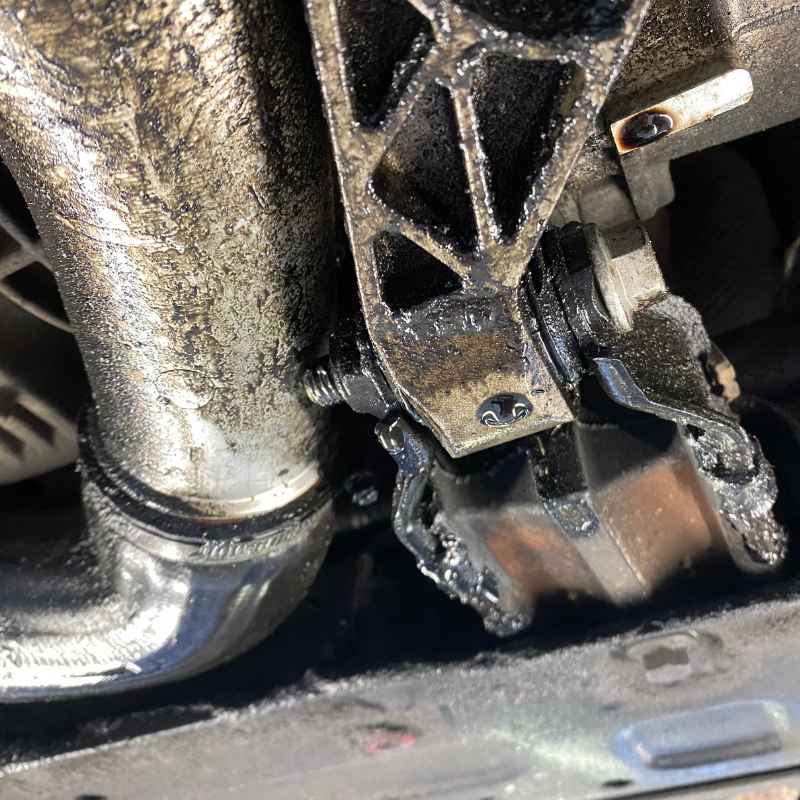
As I grabbed my coffee, I noticed something. A small, dark puddle was forming under my old pickup truck. My heart sank a little.
It was definitely oil.
Panic started to bubble up. This truck was my go-to for hauling stuff. The thought of a big repair bill loomed.
I remembered seeing a bottle of “oil stop leak” at the auto parts store. It was right there on the shelf, promising to solve my exact problem. “Just add it to your oil,” the label said.
I pictured it: a simple pour, a few miles driven, and the leak gone. No mess, no fuss. I almost went and bought it.
Then, I remembered my friend, a seasoned mechanic. He always said, “If it sounds too easy, it probably is.” I decided to hold off. I called him instead.
He walked me through checking the oil level and looking for the source. It turned out to be a simple, cheap gasket. The stop leak would have likely clogged something else.
That experience taught me a lot.
Stop Leak: The Temporary Fix
What it does:
- Adds particles or chemicals to engine oil or coolant.
- These particles aim to swell and plug small leaks.
Why it’s tempting:
- Easy to use, no special tools needed.
- Seems cheaper than a repair.
The catch:
- May cause new problems.
- Not a permanent solution.
How Stop Leak Works (and Fails)
Most stop leak products have a dual approach. Some use tiny fibers or flakes. These are meant to float around in the fluid.
When they find a leak, the flow of fluid out pushes them into the gap. The heat and pressure then help them seal the leak.
Other types use chemical compounds. These might react with air or moisture. This reaction causes them to expand and harden.
This creates a plug. The goal is always the same: seal the hole without you lifting a wrench.
The problem is that these sealing materials are not very selective. Your car’s systems have very tight tolerances. Coolant flows through narrow passages.
Oil lubricates critical moving parts. These same stop leak particles can get stuck. They can clog up important areas.
This is especially true in modern cars. They have complex cooling systems. Think about radiators, heater cores, and water pumps.
They all have intricate designs. A small particle could block a tiny channel. This could stop coolant from flowing properly.
Sensors in your engine also play a role. They monitor fluid levels and temperature. A sealant could coat these sensors.
This might make them send wrong information to your car’s computer. This can lead to poor performance or other issues.
Stop Leak Risks: What Can Go Wrong
Potential Issues:
- Clogged Passages: Tiny particles can block coolant channels.
- Sensor Damage: Sealants can coat and disable sensors.
- Reduced Flow: Blockages limit how well fluids move.
- Overheating: If coolant can’t flow, the engine overheats.
- Lubrication Failure: If oil flow is blocked, parts wear out faster.
Consider this:
- These products are a gamble.
- The “fix” might create a much bigger problem.
When a Leak Really Matters
Not all leaks are created equal. A tiny spot of oil on the garage floor might seem bad. But is it really hurting your car’s performance right now?
Some minor oil leaks might not be an immediate emergency. The same can be said for small coolant drips.
However, there’s a crucial difference between a slow seep and a steady drip or stream. If you see a significant amount of fluid pooling, it’s serious. This means a lot of fluid is escaping.
Your car needs that fluid to operate safely.
For example, your engine coolant keeps your engine from overheating. If too much leaks out, your engine temperature will rise. This can cause severe damage.
This damage can cost thousands to fix. It’s often far more than the original leak repair.
Engine oil is the lifeblood of your engine. It lubricates moving parts. Without enough oil, metal parts grind against each other.
This leads to rapid wear and tear. It can seize the engine completely. That’s a repair that usually means a new engine.
So, while stop leak sounds appealing for small leaks, it’s important to know when small becomes big. Any leak that leaves a puddle is likely too big for a sealant. It needs proper attention.
Real-World Scenarios: Where Stop Leak Goes Wrong
Let’s talk about common places leaks happen. Your car has a lot of places fluid can escape. Your radiator can develop small cracks.
Hoses can get old and brittle. They might leak at the clamps or develop tiny splits.
The water pump seal can also fail. This is a common spot for coolant leaks. Your oil pan might get dinged.
Its gasket can also wear out over time. The valve cover gasket is another frequent offender. These are all places where fluid can escape.
Imagine a tiny leak from a radiator hose. You pour stop leak into the coolant. The particles might seal that hose temporarily.
But what if some of those particles make their way to the radiator fins? These fins are thin. They are crucial for cooling.
If they get clogged, the whole radiator works less effectively. Your car might start running hotter, especially on warm days.
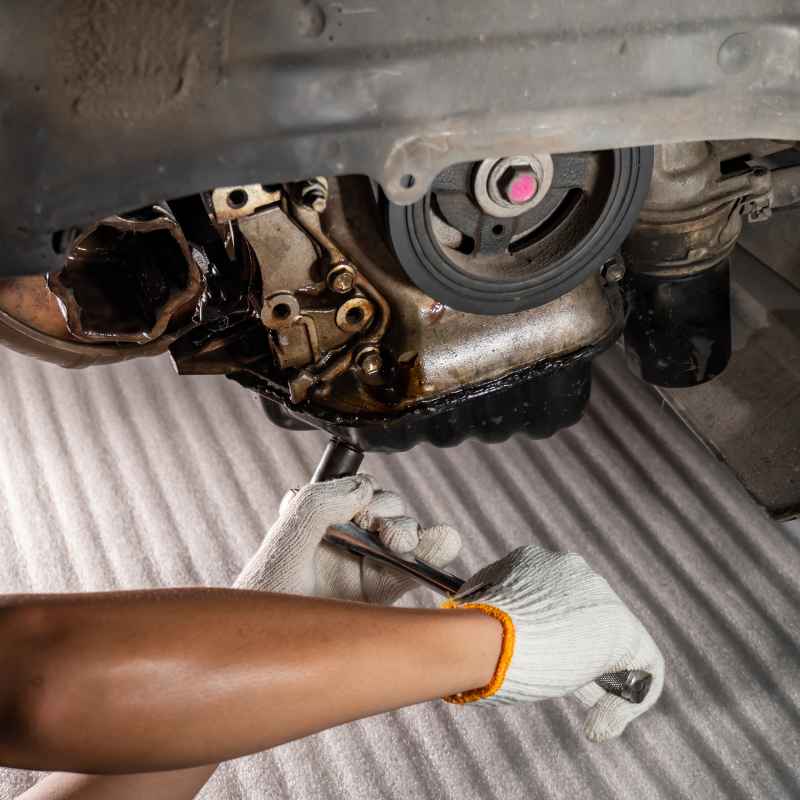
Or consider a leaking oil pan gasket. You add an oil stop leak product. It might seal the gasket for a short time.
But the oil pump pickup is inside the oil pan. If sealant clogs that pickup, the oil pump can’t draw enough oil. This can starve the engine of oil.
That’s a quick way to cause major damage.
I’ve seen it happen. A customer brings in a car with overheating issues. They mention adding stop leak a few months ago.
We pull out the radiator. It’s packed with gunk. The heater core is also full of it.
The whole system is compromised. Replacing all those parts costs a fortune. It would have been much cheaper to fix the original small leak.
When to Worry About a Leak
Watch for these signs:
- Puddles: Any puddle larger than a dinner plate needs attention.
- Low Fluid Levels: Consistently low oil or coolant is a red flag.
- Warning Lights: Oil pressure or coolant temperature lights are serious.
- Steam/Smoke: Especially from under the hood, could be leaking fluid hitting hot parts.
- Strange Smells: Burning oil or sweet-smelling coolant.
The “Right” Way to Fix Leaks
The best approach is always to find the source of the leak. This is where expertise and experience come in. A good mechanic will inspect your car carefully.
They will look for the exact spot where fluid is escaping.
Sometimes it’s obvious. Other times, they might need to clean the area. They might even pressurize the system.
This can help reveal tiny leaks. Once the source is found, the repair is usually straightforward.
A leaking hose needs replacing. A failing gasket needs to be swapped out. A cracked radiator might need replacement or a specialized repair.
These are all specific fixes. They address the root cause.
While these repairs cost money, they are usually a long-term solution. They restore your car’s systems to proper working order. They prevent future, more costly problems.
Think about it like a leaky faucet at home. You could try stuffing a rag in it to stop the drip. But eventually, the rag will wear out.
The leak will return. Or worse, it might cause water damage elsewhere. The real fix is replacing the washer or the whole faucet.
Your car is the same way.
What This Means for Your Car’s Health
Using stop leak is like playing a game of chance with your car. You might win the first round. The leak might stop for a while.
But you’re increasing the odds of bigger problems later. These problems can be much more expensive than the original leak.
Modern cars are engineered with very fine tolerances. The systems are complex. They rely on fluids flowing freely.
Anything that disrupts that flow is risky.
If you notice a leak, the first step should be diagnosis. Get an expert opinion. Understand what is actually leaking and why.
This knowledge is power. It helps you make the right decision for your car’s longevity.
Consider the long-term. Do you want your car to last for many more years? Or are you looking for a quick band-aid?
For most people, reliability and longevity are key. That means avoiding shortcuts that can cause future damage.
It’s about trust in your vehicle. You want to know it will start when you need it. You want to feel safe on the road.
Relying on stop leak products can undermine that trust. It introduces an unknown variable.
Quick Checks You Can Do
Before you even think about stop leak, do a few simple checks. Park your car on a clean, dry surface. Let it sit for a few hours or overnight.
Then, check for puddles. Note the color of the fluid.
Is it clear or light-colored? This could be water. Often, condensation from the air conditioner will drip. This is normal and not a leak.
Is it dark brown or black? This is usually engine oil. Check your oil level on the dipstick. If it’s low, you have a leak that needs attention.
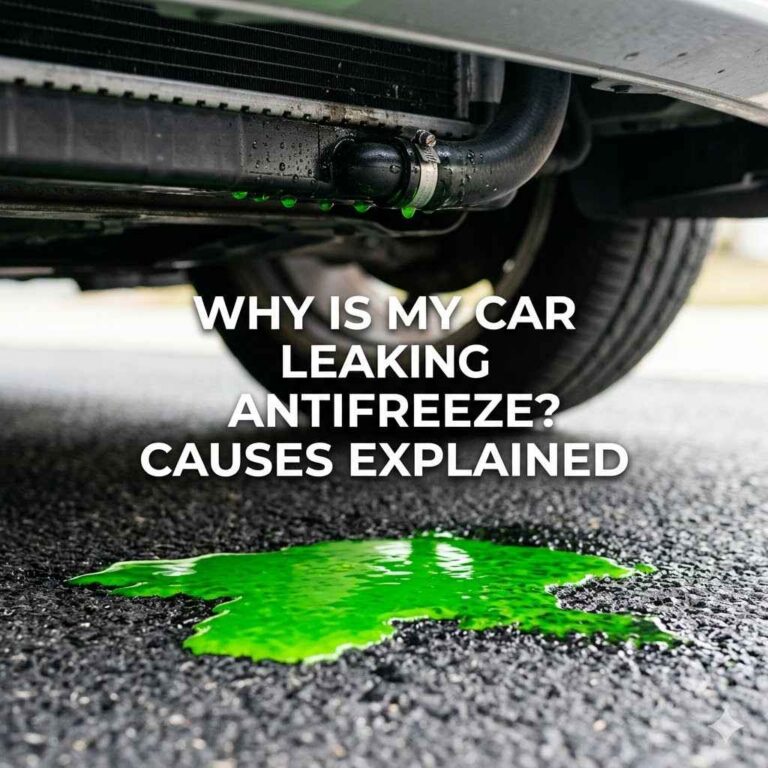
Is it bright green, orange, pink, or yellow? This is typically coolant. Coolant leaks are serious. They can lead to overheating.
Is it reddish-brown? This could be transmission fluid. Low transmission fluid can cause shifting problems.
Next, look under the hood. Check fluid levels in their reservoirs. Look for obvious wet spots or drips on engine components.
If you see a leak, try to identify the general area. Is it coming from the front, back, or sides?
Even if you can’t pinpoint the exact source, having this information is helpful. It gives your mechanic a starting point. It helps them diagnose the problem faster.
Fluid Color Guide
| Fluid Color | Likely Fluid | Potential Issue |
| Clear/Light | Water (AC condensation) | Usually Normal |
| Dark Brown/Black | Engine Oil | Low oil level, engine damage risk |
| Bright Green, Orange, Pink, Yellow | Coolant | Overheating risk, engine damage |
| Reddish-Brown | Transmission Fluid | Shifting problems, transmission damage |
My Expert Advice: Trust the Process
As someone who has seen many car troubles, my advice is clear. Avoid using stop leak products. They are a temporary fix at best.
They often create more problems than they solve. The risks usually outweigh any potential short-term benefit.
The best course of action is always proper diagnosis and repair. This might seem more expensive upfront. But it saves you money and headaches in the long run.
It keeps your car running reliably and safely.
Trust the mechanics who understand these systems. They have the tools and knowledge to fix things correctly. They can identify weak points before they fail completely.
This proactive approach is the true way to maintain your vehicle.
Think of your car as an investment. You want that investment to last. Taking shortcuts with critical systems like the cooling or oil system is rarely a good idea.
It’s better to invest in a proper repair.
When is a Leak NOT a Big Deal?
It’s true that some minor “weeping” might not be an immediate crisis. For example, a very slight film of oil on a gasket surface might not be losing noticeable amounts of oil. Similarly, a tiny amount of condensation on a hose clamp might not be a true leak.
However, even these minor signs can indicate a future problem. It’s often wise to monitor them closely. If a weep turns into a drip, it needs attention.
The key is to distinguish between a true leak and normal moisture or residue. If you can see distinct drips or puddles, it’s beyond the “minor” category. If your fluid levels are dropping, it’s definitely not normal.
Some mechanics might use a sealant that is specifically designed for certain very minor issues. These are often specific to the fluid type and the location. They are usually applied by a professional.
They are not the universal “pour-in” type products found at auto parts stores. Even then, the preference is always to replace the faulty part.
When in doubt, always err on the side of caution. It’s better to have a mechanic look at it. They can tell you if it’s something to worry about or not.
They can prevent a small issue from becoming a huge repair bill.
Frequently Asked Questions
Can stop leak damage my radiator?
Yes, stop leak products can damage your radiator. The particles or sealants used can clog the narrow passages within the radiator. This reduces its ability to cool the engine.
It can also lead to overheating. In severe cases, it can necessitate radiator replacement.
Is stop leak bad for my engine oil?
Stop leak can be bad for your engine oil. The added particles can circulate with the oil. They might not get filtered out effectively.
These particles can potentially wear down engine components over time. They could also clog oil passages or the oil pump pickup screen, leading to lubrication failure.
Will stop leak work on a coolant leak?
Stop leak might temporarily seal a very small coolant leak. However, it’s not a reliable or safe solution. The same risks of clogging coolant passages, sensors, and the radiator apply.
It can lead to serious engine damage from overheating if it fails or causes blockages.
How long does stop leak typically last?
The duration of a stop leak fix is unpredictable. Some might last a few days or weeks. Others might seem to work for months.
However, they rarely provide a permanent solution. The underlying cause of the leak remains. The sealant can break down or be pushed out over time.
It can also cause secondary problems that shorten its effectiveness.
What are the alternatives to using stop leak?
The best alternative is to diagnose and repair the source of the leak. This might involve replacing a worn hose, a faulty gasket, a cracked component, or a leaking seal. For very minor situations, a mechanic might suggest a specific professional-grade sealant, but part replacement is always preferred for lasting reliability.
Can I use stop leak if my car is overheating?
No, if your car is overheating, you should not use stop leak. Overheating is a serious symptom. It often means a significant cooling system issue is already present.
Adding stop leak could worsen the problem by causing blockages. The priority should be diagnosing and fixing the cause of the overheating immediately.
The Final Verdict on Stop Leak
When it comes to the health of your car, avoiding stop leak is the smartest choice. While it might seem like a quick fix, it often creates bigger, more expensive problems. These products can clog vital systems.
They can damage sensitive sensors. They are a gamble that rarely pays off in the long run. Instead, trust in proper diagnosis and repair.
It’s the surest way to keep your car running smoothly and reliably for years to come. Your engine will thank you for it.
Products related to this article
Sponsored / affiliate links. As an Amazon Associate I earn from qualifying purchases. I may earn additional commission from eligible campaigns.