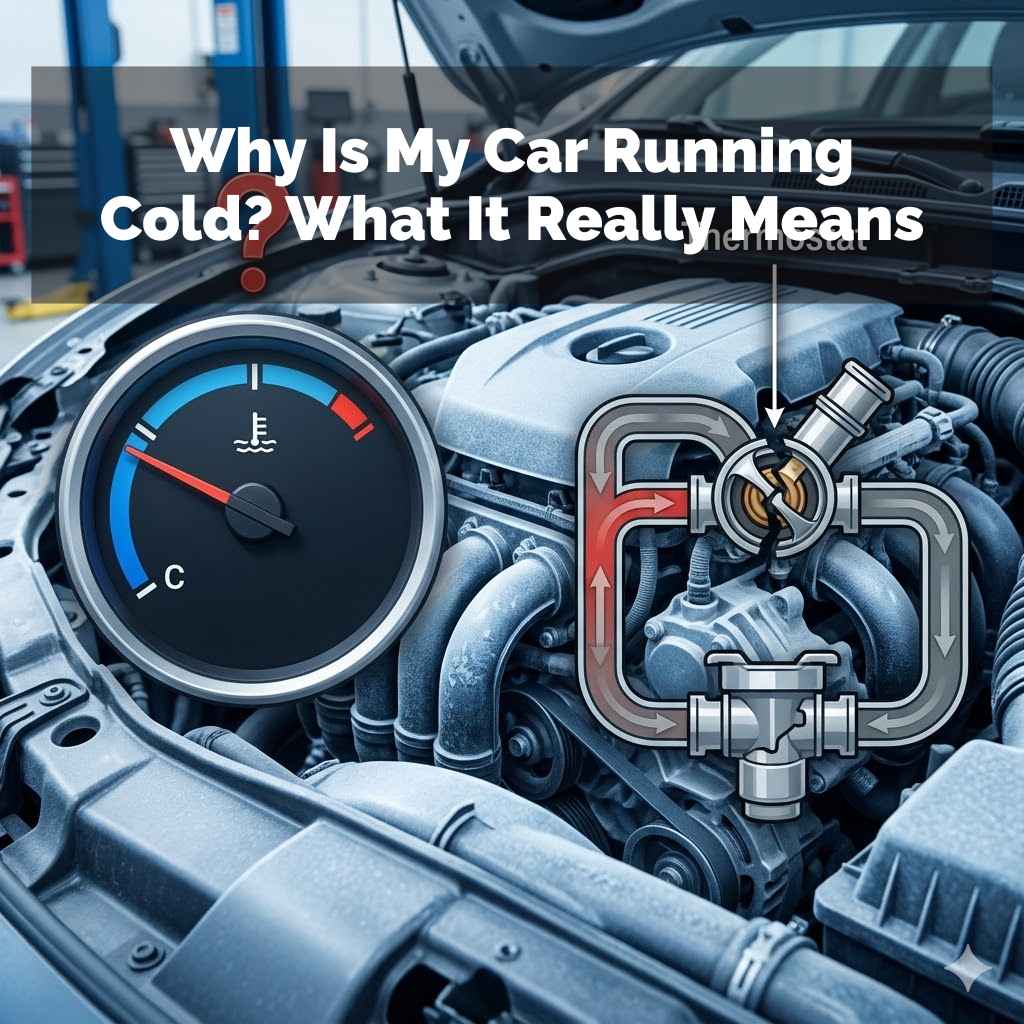
Why Is My Car Running Cold? What It Really Means
Your car running cold means the engine isn’t reaching its normal operating temperature. This often points to a faulty thermostat stuck open, low coolant levels, or issues with the cooling fan system, preventing heat from building up properly.
Understanding Engine Temperature
Your car’s engine works best at a specific temperature. Think of it like your own body. When you’re too cold, you don’t feel well.
Your car’s engine is similar. It needs to be warm to run smoothly and efficiently. The ideal spot for most car engines is between 195 and 220 degrees Fahrenheit (90 to 104 degrees Celsius).
The cooling system is what keeps this temperature just right. It uses a mix of coolant (antifreeze and water) and several parts working together. The thermostat is a key player.
It’s like a valve that controls how much coolant flows through the engine. When the engine is cold, the thermostat stays closed. This lets the engine warm up faster.
Once the engine hits its target temperature, the thermostat opens. This allows the hot coolant to flow to the radiator. The radiator then cools the coolant down.
A fan helps move air through the radiator. This cooled coolant then goes back into the engine. This cycle keeps the engine from getting too hot.
But what happens when this system goes wrong and the engine stays too cold? This is where we see that low temperature gauge. It’s a sign that something in that carefully balanced cooling system isn’t working as it should.
We need to figure out which part is causing the trouble.
My Car’s Temperature Gauge Stays Low: A Personal Story
I remember one crisp autumn morning. I was heading out for a long drive to visit family. I started my car, and everything seemed normal.
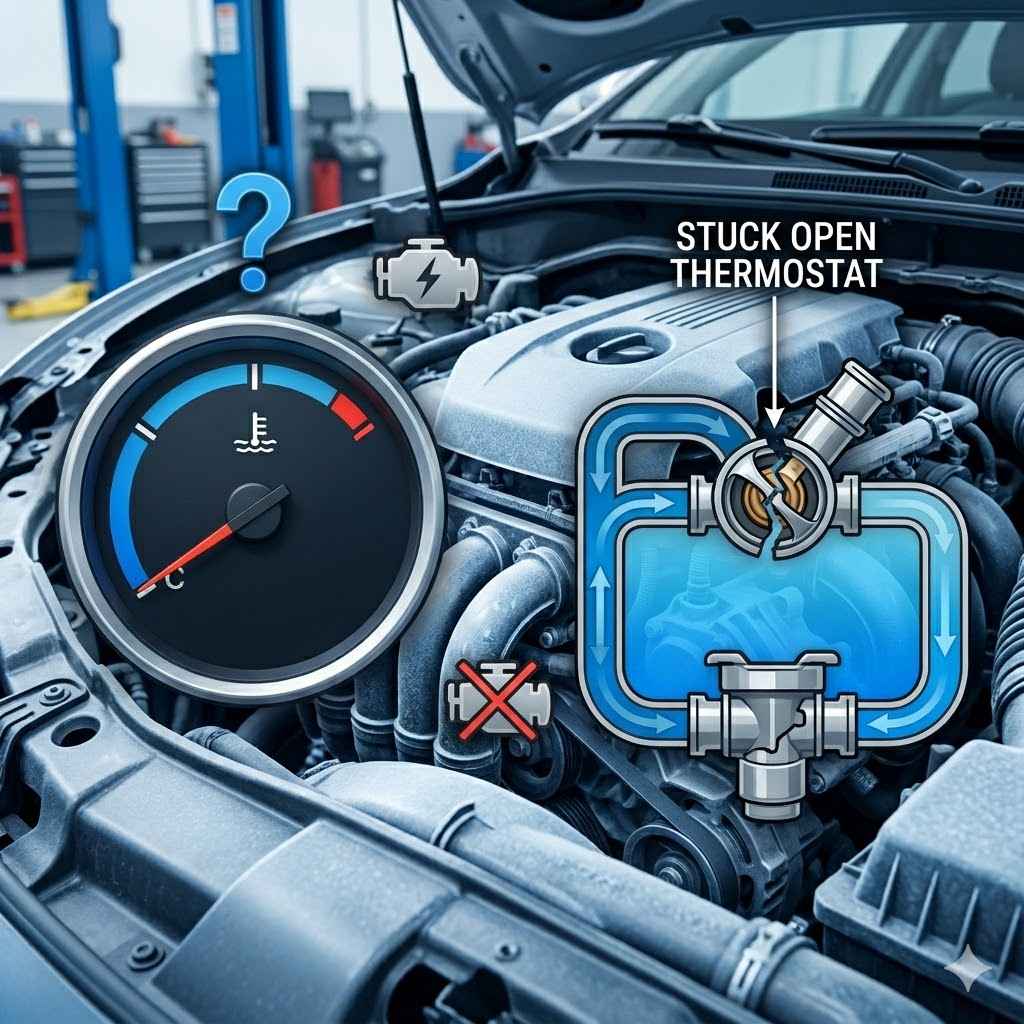
But as I drove, I kept glancing at the temperature gauge. It wasn’t moving. It stayed at the very bottom, in the ‘C’ zone.
I started to feel a little uneasy.
My mind immediately went to the worst-case scenarios. Was my engine about to seize up? Would I be stranded on the side of a deserted road?
The car was making normal noises, and the heater was blowing warm air, which seemed contradictory. Yet, that needle stayed glued to the floor. It felt like a hidden problem, something unseen but potentially serious.
I spent the first hour of my drive in a state of low-grade panic. I kept picturing a mechanic shaking his head, showing me a massive repair bill. I tried to rationalize it.
“Maybe it’s just cold outside,” I told myself. “The engine just takes longer to warm up.” But this felt different. This felt like the engine was actively refusing to get warm.
Later that day, I finally had a moment to stop and look things up. That’s when I learned that a car running cold can be just as bad as a car running too hot. It might not cause an immediate breakdown, but it can lead to other, long-term problems for your engine.
That feeling of relief mixed with a bit of annoyance washed over me. It wasn’t a catastrophic failure, but it was still something that needed attention. It taught me a valuable lesson about paying attention to all the dashboard lights and gauges.
Common Causes for a Car Running Cold
When your car’s temperature gauge isn’t climbing to its usual spot, it’s usually one of a few main culprits. These are the parts of the cooling system that are most likely to cause this issue. Understanding these can help you narrow down the problem.
The most frequent reason is a faulty thermostat. This little part is designed to open and close. It controls the flow of coolant.
If it gets stuck in the open position, coolant flows through the radiator all the time. This prevents the engine from reaching its proper operating heat. It’s like a door that’s stuck open, letting cold air in constantly.
Another common cause is low coolant levels. Coolant is what absorbs the heat from the engine. If there isn’t enough coolant, the engine can’t transfer heat effectively.
This can lead to the engine running colder than it should. Low coolant can also be a sign of a leak somewhere else in the system. So, if you notice this, it’s worth investigating further.
Sometimes, the cooling fan can be the issue. This fan is crucial, especially when the car is moving slowly or stopped. It pulls air through the radiator to help cool the coolant.
If the fan isn’t working correctly, or if it’s running all the time, it can over-cool the engine, even when it’s trying to warm up. This is less common than a thermostat issue, but it’s still a possibility.
Less often, a coolant temperature sensor might be sending incorrect signals. This sensor tells the car’s computer, and the dashboard gauge, what the engine temperature is. If it’s faulty, it might be telling you the engine is colder than it actually is.
This can be misleading, but it’s something a mechanic can check.
Understanding The Thermostat
What it is: A valve that controls coolant flow.
How it works: It stays closed when the engine is cold. It opens when the engine reaches a specific, warm temperature.
When it fails: It can get stuck open. This lets coolant flow constantly, keeping the engine too cool.
Why it matters: A stuck-open thermostat is the most common reason for a car running cold.
The Role of the Thermostat
Let’s dive a bit deeper into the thermostat. This part is small but mighty. It’s a metal disk with a spring-loaded valve.
Inside the valve is a wax pellet. This pellet expands when it gets hot.
When the engine is cold, the wax pellet is shrunken. This pulls the valve shut. No coolant flows to the radiator.
The engine warms up quickly. This is good for efficiency and to reduce wear. It also helps the heater start blowing warm air sooner.
As the engine gets hotter, the wax pellet expands. This pushes the valve open. Hot coolant then flows from the engine to the radiator.
The radiator cools it down. This cooler coolant then flows back to the engine. This keeps the temperature within the desired range.
If the thermostat gets stuck in the open position, the coolant is always going to the radiator. Even when the engine is just starting up. This constant cooling prevents the engine from ever reaching its proper warmth.
It’s like leaving the air conditioning on full blast when you’re trying to get warm.
Replacing a thermostat is usually a straightforward job for a mechanic. It’s a relatively inexpensive part. However, sometimes the housing around it can be corroded or damaged.
This can make the replacement a bit more involved. But the core issue is usually the thermostat itself failing to close properly.
Thermostat Failure: Stuck Open vs. Stuck Closed
Stuck Open:
- Engine runs cold.
- Temperature gauge stays low.
- Poor fuel economy.
- Can lead to engine wear over time.
Stuck Closed:
- Engine overheats quickly.
- Temperature gauge spikes high.
- Risk of serious engine damage.
What About Low Coolant Levels?
We talked about low coolant. This is another big reason your car might run cold. Coolant, often called antifreeze, is a special liquid.
It stops water from freezing in the winter and boiling in the summer. It also has special additives to prevent rust and corrosion inside the engine.
The cooling system is a closed loop. Coolant circulates constantly. It absorbs heat from the engine block.
Then it travels to the radiator. There, the heat is released into the air. This cooled coolant then goes back to the engine.
This cycle keeps the engine at a stable temperature.
If the coolant level drops too low, the system can’t do its job. There isn’t enough liquid to absorb all the engine’s heat. This can cause the engine to run cooler than it should.
It can also lead to pockets of air in the system. Air doesn’t transfer heat well. This can create hot spots in the engine.
Why would coolant levels be low? The most common reason is a leak. This could be a small leak from a hose.
It could be a bigger leak from the radiator. Or it might be a problem with the water pump or the head gasket. Sometimes, it’s as simple as not topping it up.
But if you keep needing to add coolant, there’s likely a leak.
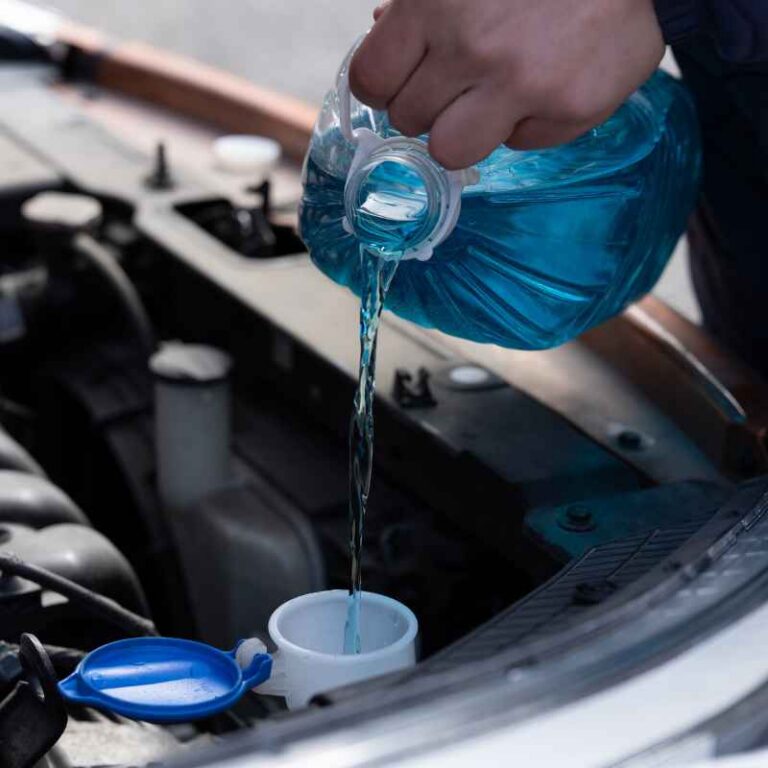
Checking your coolant level is easy. Most cars have a clear overflow tank. You can see the level against markings on the side.
You should also check the radiator cap when the engine is completely cold. Never open the radiator cap when the engine is hot. The system is under pressure, and hot coolant can spray out.
This can cause severe burns.
Coolant Check: Quick Guide
When: Check when the engine is completely cold.
Where: Look at the coolant overflow tank. Check the radiator cap too (carefully!).
What to look for: Is the level between the “MIN” and “MAX” lines? Is the coolant clean or murky?
Action if low: Add the correct type of coolant or distilled water. If it’s consistently low, find the leak.
Is the Cooling Fan Working?
The cooling fan is another vital part. It’s especially important when you’re not moving fast. Like when you’re stuck in traffic or crawling through a parking lot.
The radiator needs air to flow through it to cool the coolant. When the car is moving, the car’s speed provides this airflow.
But when the car is stopped, there’s no natural airflow. That’s where the cooling fan comes in. It’s usually electrically powered.
It turns on automatically when the engine temperature reaches a certain point. It pulls air through the radiator fins. This cools the coolant circulating within.
If this fan isn’t working, the coolant won’t cool down enough. This usually leads to overheating. But in some weird cases, especially with older systems or certain fan designs, a fan that runs constantly could potentially over-cool the engine.
This is less common but possible. More likely, a fan that doesn’t turn on when it should can contribute to a car running cold if other components are also slightly off.
The fan system involves more than just the fan itself. There’s a fan clutch (on older vehicles) or an electric motor. There are also sensors that tell the fan when to turn on.
And there are relays and fuses that control the power to the fan. Any of these parts can fail.
A simple way to check your fan is to let your car idle for a good while. Let it warm up. Listen for the fan to kick on.
You might hear a distinct whirring sound. If the temperature gauge starts to climb and the fan doesn’t come on, that’s a problem. You can also sometimes try turning on your air conditioning.
This often forces the cooling fan to run.
Cooling Fan Check (Basic)
Method: Let your car idle for 10-15 minutes. Turn on the heater to full blast (this uses engine heat, so it won’t stop the test).
Listen: Pay attention for the cooling fan to engage. It makes a noticeable whirring noise.
When AC is on: Sometimes turning on the air conditioner will activate the cooling fan, even if the engine isn’t hot yet.
If it doesn’t run: This could indicate a problem with the fan motor, relay, fuse, or temperature sensor.
The Coolant Temperature Sensor
Your car’s computer (ECU) needs to know the engine’s temperature. It uses this information for many things. It helps control fuel injection.
It adjusts the timing of the spark plugs. It also tells the dashboard gauge what to display. The coolant temperature sensor (CTS) provides this critical data.
This sensor is usually a small, two-wire component. It’s screwed into the engine block or cylinder head. It contains a thermistor.
This is a resistor whose resistance changes with temperature. When the coolant is cold, the resistance is high. When it’s hot, the resistance is low.
The ECU sends a small voltage through the sensor. It then measures the resistance. Based on this measurement, it calculates the coolant temperature.
If the CTS is faulty, it might report an incorrect temperature.
If the sensor is stuck reading “cold,” it could tell the computer that the engine is always cold. This might keep the cooling fan running all the time. Or it might cause the engine to run in a “limp” mode with richer fuel mixture.
This richer mixture is designed for cold engines to run better. But if the computer thinks the engine is always cold, you’ll get poor fuel economy. You might also experience rough idling or reduced power.
A faulty CTS is less common as the sole reason for a car running significantly cold on the gauge. Usually, a stuck thermostat or low coolant are more direct causes. However, a bad sensor can certainly report a cold temperature, making it seem like there’s a problem when there isn’t, or masking a real problem.
A mechanic can easily test the sensor’s readings.
Sensor vs. Reality: A Quick Look
Normal Operation: Sensor accurately reports engine temperature.
Faulty Sensor (Stuck Cold):
- Car computer thinks engine is always cold.
- Dashboard gauge reads low.
- Engine may run rich (poor MPG).
- Cooling fan might run constantly.
Diagnosis: A mechanic uses a diagnostic scanner to compare the sensor’s reported temperature to actual readings or test the sensor itself.
Real-World Scenarios: Why This Happens in Your Driveway
Let’s think about where and why these issues pop up. It’s not always on a long highway trip. Often, the first signs appear in everyday driving situations.
Imagine you’re driving in a city with lots of stoplights. You’re stopping and starting frequently. This is when the cooling system relies heavily on the thermostat opening and closing correctly.
If your thermostat is starting to fail, it might not open fully. Or it might be stuck slightly open. In stop-and-go traffic, the engine temperature can still climb, but if the thermostat is stuck open, it will fight that warming process constantly.
You’ll notice the gauge struggling to get off the ‘C’ mark.
Consider the weather. On a very cold day, it’s normal for your car to take longer to warm up. The ambient temperature is lower.
The engine needs more time to overcome the cold. However, if it takes an unusually long time, or the gauge never quite reaches the middle, even after 30 minutes of driving, then you have a problem. This is especially true in places like Minnesota or Michigan in January.
What about a leak? You might not see a big puddle under your car every morning. Sometimes, leaks are small.
They can be slow drips from a hose. Or they might only leak when the engine is hot and under pressure. You might notice a faint sweet smell in the engine bay.
This is often a sign of coolant leaking. If you find yourself topping up coolant frequently, that’s a strong clue.
Your driving habits also play a role. If you do a lot of short trips, your car might not have enough time to warm up fully. This can put extra wear on the engine over time.
But this is different from a part failing. If your car is designed to warm up, but it’s not, that’s a sign something is wrong with a component like the thermostat.
Scenario: The Short Trip Problem
Your Routine: Driving only 5-10 minutes to the store or work.
The Issue: The engine may not reach its ideal operating temperature before you shut it off.
Consequences (if consistent): Increased engine wear. Potential for moisture and sludge buildup. Poor fuel efficiency during these short runs.
What to do: If your car never seems to warm up even on longer drives, it’s a sign of a faulty part, not just short trips.
What This Means for Your Car (and Your Wallet!)
So, your car is running cold. It might not seem like a big deal. After all, you’re not stranded, right?
But letting your car run cold regularly can have some significant consequences. It’s not just about the temperature gauge.
One of the biggest impacts is on your fuel economy. Modern engines are designed to be most efficient when they are at their optimal operating temperature. When the engine is cold, the engine control unit (ECU) injects more fuel.
This is to help the engine run better and warm up faster. If the engine stays cold all the time because of a faulty thermostat, it will continue to run with this richer fuel mixture. This means you’ll be using more gas than you need to.
Over time, this adds up to a lot of wasted money.
Another concern is engine wear. When an engine is cold, oil doesn’t flow as easily. It’s thicker.
This means that moving parts don’t get lubricated as effectively. In short trips, where the engine doesn’t fully warm up, this can lead to increased friction and wear on critical engine components like pistons and cylinder walls. Over years of short trips or a consistently cold engine, this wear can shorten the lifespan of your engine.
There’s also the issue of emissions. A cold engine produces more pollutants than a warm one. If your car is constantly running cold, it’s not performing as cleanly as it should.
This can affect your car’s ability to pass emissions tests in some areas. It’s also simply not good for the environment.
Finally, there’s the potential for damage. While a car running cold is less likely to cause immediate, catastrophic failure than a car overheating, it’s not harmless. A constantly cold engine can lead to issues like:
- Sludge buildup: Moisture can condense inside the engine.This can mix with the oil and form sludge. Sludge blocks oil passages and causes damage.
- Corrosion: The water in the coolant can cause internal parts to corrode if the system isn’t protected properly.
- Heater problems: If the engine isn’t getting warm, your car’s heater won’t blow hot air. This can be uncomfortable in cold weather.
So, while it might seem like a minor inconvenience, a car that runs cold needs attention. It’s a sign that a component isn’t doing its job. And that can lead to bigger, more expensive problems down the road.
Impact Summary: Running Cold
Fuel Economy: Decreases significantly. Engine runs rich.
Engine Wear: Increases due to poor lubrication at low temperatures.
Emissions: Higher pollution levels.
Component Damage: Risk of sludge, corrosion, and internal wear.
Comfort: Heater performance suffers.
When to Worry and When It’s Just Cold Outside
It’s important to know the difference between your car taking a bit longer to warm up on a freezing day and a real problem. Most cars are built to handle cold weather.
When it’s normal:
- On a very cold morning (below freezing), it might take 10-15 minutes of driving for the temperature gauge to reach the middle.
- The heater might blow cool air for the first few minutes of your drive.
- If the gauge slowly climbs and then stays in the normal operating range, that’s usually fine.
When to worry:
- The temperature gauge never moves from the bottom, even after 30 minutes of driving.
- The gauge stays significantly below the halfway mark consistently, even on warmer days.
- Your car’s heater is blowing cold air, and the engine temperature gauge is also very low.
- You notice a significant drop in fuel economy.
- The check engine light comes on. This light can sometimes indicate a problem with the cooling system or sensors.
Simple checks you can do:
- Visually inspect coolant level: Check the overflow tank when the engine is cold.
- Look for leaks: Check under the car for any puddles or wet spots. Look at hoses and around the radiator for any signs of coolant spray or drips.
- Listen to your fan: With the car idling, listen to see if the cooling fan engages as the engine warms up (or if it’s running constantly).
If you notice any of the “when to worry” signs, it’s time to get your car checked by a qualified mechanic. They have the tools to diagnose the problem accurately. They can check the thermostat, coolant pressure, sensor readings, and fan operation.
Normal vs. Concerning Temperature Gauge Behavior
| Situation | Likely Normal | Potential Issue |
|---|---|---|
| Startup on a cold day | Gauge stays low for first 5-10 min. Heater blows cool. | Gauge stays at ‘C’ after 30+ min. |
| Driving at normal speeds | Gauge sits in the middle half of the dial. | Gauge consistently stays at the low end. |
| Stopped in traffic | Gauge might slightly increase but stays in normal range. | Gauge drops significantly when stopped. |
Quick Tips for a Car That Runs Cold
If you’ve confirmed that your car is indeed running colder than it should, and you’re looking for some simple steps to take, here are a few.
1. Check Coolant Level (and type): As mentioned, this is the easiest first step. Make sure it’s at the correct level.
Also, be sure you’re using the right type of coolant for your car. Using the wrong one can cause problems. Check your owner’s manual for the correct specification.
2. Inspect Hoses and Radiator: Look for any obvious cracks, bulges, or leaks on the radiator and the hoses connected to it. Squeeze the hoses (when cold!).
They should feel firm, not mushy or brittle.
3. Listen for the Fan: Try the idle test we discussed. If the fan isn’t coming on, this is a clear indicator of a problem that needs fixing.
It could be the fan motor, a fuse, or a relay.
4. Consider the Thermostat: If the above checks don’t reveal an obvious leak or fan issue, the thermostat is the next most likely culprit. Replacing a thermostat is often a DIY job for those with some mechanical skill.
However, if you’re not comfortable, have a mechanic do it. Be sure to have the system flushed and refilled with new coolant afterward.
5. Drive a Little Longer (Cautiously): If the issue is very minor, and you suspect it’s just taking longer to warm up, try to extend your trips slightly if possible. This can help ensure the engine reaches its operating temperature.
However, don’t rely on this as a fix if the gauge consistently stays low.
6. Use a Diagnostic Scanner: If you have access to an OBD-II scanner, you can plug it into your car’s diagnostic port. This can read error codes and live sensor data.
It might show you the coolant temperature sensor’s readings directly. This can help confirm if the sensor is reporting incorrectly.
Remember, these are mostly diagnostic steps. If you find a problem, fixing it might require parts and professional work. But these quick tips can help you understand what might be going on before you take it to a shop.
DIY vs. Mechanic: When to Call for Help
DIY Friendly:
- Checking coolant levels.
- Visual inspection of hoses and radiator for leaks.
- Listening for the cooling fan.
- Replacing an air filter (not directly related but good practice).
Consider a Mechanic:
- Replacing a thermostat (can be tricky depending on location).
- Flushing and refilling the cooling system.
- Diagnosing fan or sensor issues.
- Any sign of coolant leaks.
- If you’re unsure or uncomfortable with any step.
Frequently Asked Questions
Can my car run too cold for too long?
Yes. If your car consistently runs too cold, it can lead to poor fuel economy, increased engine wear, and potential damage from moisture buildup or sludge. It’s not a harmless condition.
How do I know if my thermostat is bad?
The most common sign of a bad thermostat is your engine temperature gauge staying at the low end of the scale, even after the engine has been running for a while. The heater may also blow cold air.
What happens if I drive with a stuck thermostat?
If the thermostat is stuck open, your car will likely run cold, leading to poor fuel economy and increased wear. If it’s stuck closed, your car will overheat rapidly, which can cause severe engine damage very quickly.
Is it okay to add water to my coolant if it’s low?
In an emergency, you can add water to a low coolant level to get you to a service station. However, it’s best to use the correct type of coolant mixed with distilled water. Pure water can freeze in winter or boil in summer, and it lacks protective additives.
Will a bad temperature sensor make my car run cold?
A bad temperature sensor can make your dashboard gauge read inaccurately, showing the engine is cold even if it’s warm. However, it doesn’t actually make the engine run cold itself; it just misreports the temperature to the computer and the gauge.
How much does it cost to fix a thermostat?
The cost can vary. The part itself is usually inexpensive, often between $20-$50. The labor to replace it can range from $50-$150, depending on how accessible it is on your car model.
So, expect a total cost of around $70-$200.
Can a clogged radiator cause a car to run cold?
While a clogged radiator most often causes overheating, in some rare cases, a severely restricted flow might indirectly affect temperature regulation. However, a stuck-open thermostat is a much more common cause of a car running too cold.
Final Thoughts on a Cold Engine
It’s easy to overlook a temperature gauge that stays low. We’re often trained to watch for the needle creeping into the red zone. But a car running cold is a real issue.
It affects your wallet with poor gas mileage. It wears down your engine faster. And it means something in your car’s important cooling system isn’t working right.
Pay attention to your car’s signals. That steady, low reading isn’t just a quirk. It’s a sign that needs a mechanic’s attention.
Getting it checked out can save you from bigger, more expensive headaches down the road. Your engine will thank you for it.
Products related to this article
Sponsored / affiliate links. As an Amazon Associate I earn from qualifying purchases. I may earn additional commission from eligible campaigns.