What Does The Air Recirculation Button Actually Do In Cars?
The air recirculation button in your car traps inside air. This helps your car’s AC or heater work faster. It can also keep bad outside smells or dust out. Use it wisely to manage cabin temperature and air quality effectively.
Understanding the Air Recirculation Button
Most cars have this button. It’s part of the climate control system. When you press it, your car stops pulling fresh air from outside.
Instead, it takes the air already inside the car. Then, it blows that air around again. It’s like a cycle for your car’s air.
This setting is useful in many ways. It helps your air conditioning cool the car down faster. It also helps your heater warm the car up quicker.
Think of it this way: the system doesn’t have to fight outside air temperatures. It only works with the air already in the cabin.
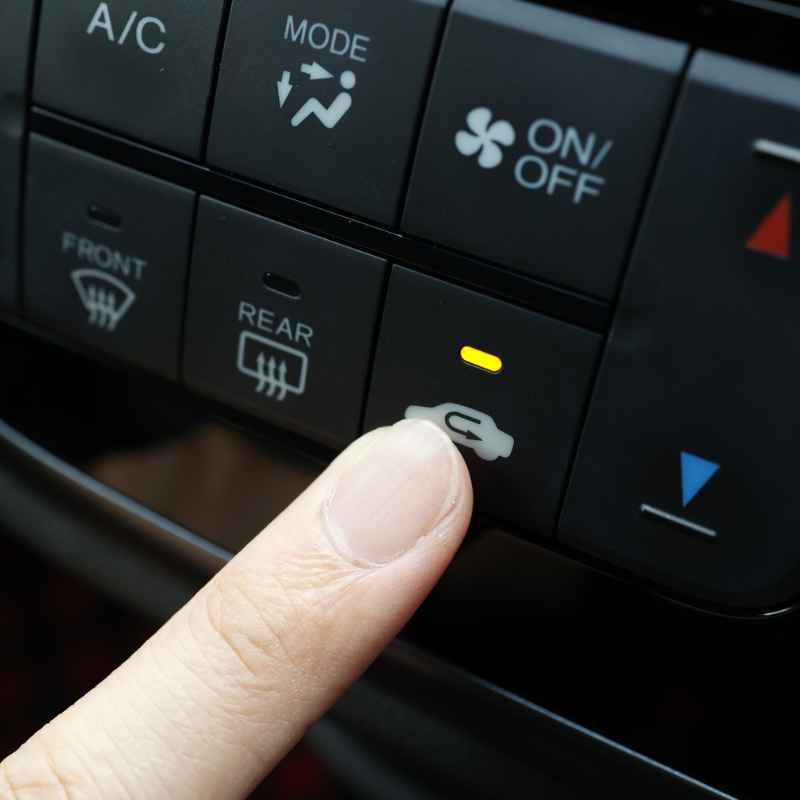
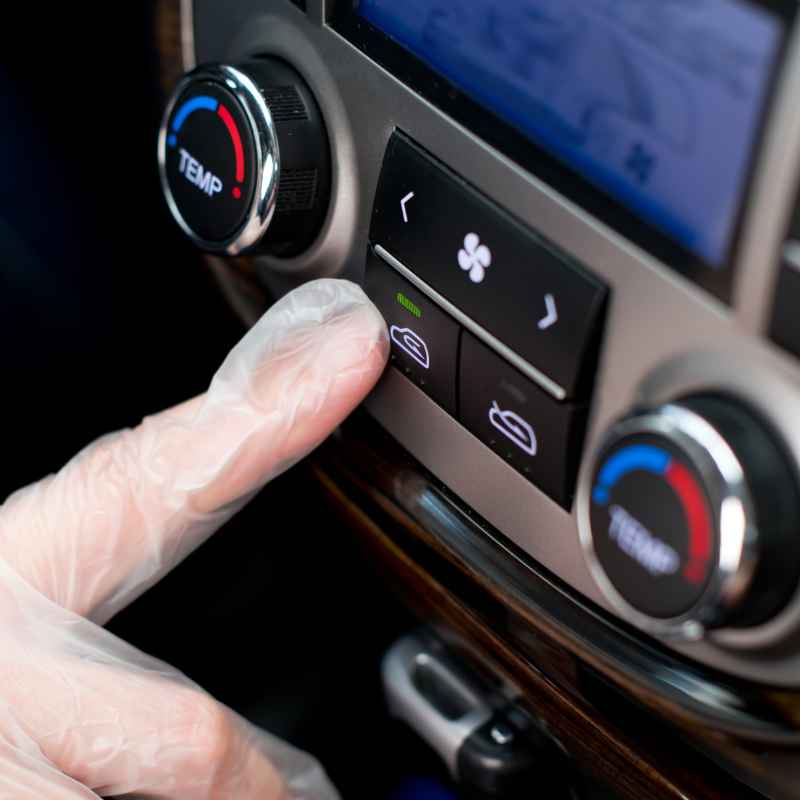
The symbol for this button is pretty standard. You’ll usually see a car outline. Inside the car, there’s an arrow.
This arrow curves and makes a loop. This visual shows the air going around and around. It’s a simple design for a smart function.
My Own Frustration with Smelly Air
I remember one sweltering summer day. I was driving on a busy highway. The sun was beating down.
My car’s AC was struggling. Then, a garbage truck drove past. The smell filled my car instantly.
It was awful. My first thought was to roll down the windows. But that would let more hot air in.
I fumbled with the controls. I saw the button with the looping arrow. I pressed it.
Suddenly, the smell vanished. The AC felt stronger too. The cabin started to cool down much faster.
It was such a relief. That day, I learned to really appreciate that little button.
It wasn’t just the smell. Sometimes, construction dust or pollen can get into the car. The recirculation mode helps block those out too.
It creates a cleaner bubble inside your car. This is especially helpful for people with allergies or breathing issues.
Quick Scan: When to Use Recirculation
For Cooling: Use it when you first get in a hot car. It makes the AC blow cold air faster.
For Heating: Use it when the car is already warm. It keeps the warm air circulating.
Bad Smells: Press it when you smell exhaust, smoke, or other unpleasant odors from outside.
Dust or Pollen: It helps keep these particles out when driving through dusty areas or during high pollen seasons.
How It Actually Works
Your car’s climate system has two main air intake modes. One is fresh air. This mode brings air from outside the car.
It goes through a filter. Then it comes into the cabin. The other mode is recirculation.
This mode closes the fresh air vent.
Inside your dashboard, there’s a flap or a door. This flap controls where the air comes from. When recirculation is off, the flap opens the vent to the outside.
When you turn recirculation on, the flap moves. It closes off the outside vent. It then directs the air from the cabin back into the fan and heating/cooling system.
This system is designed for efficiency. Cooling hot outside air takes more energy. Heating cold outside air also takes effort.
By recirculating the cabin air, the system works with air that is already closer to your desired temperature. This means less work for the engine.
It also helps maintain your set temperature. If you’re driving in very cold weather, the air coming in from outside is very cold. The heater has to work harder.
If you use recirculation, the air the heater warms is already warmer. It reaches your set temperature faster and stays there.
Air Intake: Fresh vs. Recirculated
Fresh Air Intake:
- Brings outside air into the cabin.
- Helps remove stale air.
- Filters outside air before it enters.
Recirculation Mode:
- Closes off outside air vents.
- Uses air already inside the car.
- Re-circulates cabin air through the climate system.
Real-World Scenarios Where It Shines
Imagine driving through a tunnel. You’ll often see signs telling you to use recirculation. This is to keep exhaust fumes out.
The air in tunnels can be very thick with pollution. Activating the button instantly stops that bad air from entering your car. It’s a safety feature in those moments.
Another common time is when you’re stuck in traffic. Cars around you are running their engines. Exhaust fumes can drift over.
Turning on recirculation is a smart move. It creates a barrier against those unpleasant and unhealthy fumes. You can breathe easier inside your car.
Think about driving behind a diesel truck. Those trucks can spew out a lot of smoke. Using recirculation is your best bet to avoid breathing that in.
It’s a simple action that makes a big difference to your comfort and health.
In snowy or very humid conditions, recirculation also helps. It can stop moisture from building up inside the car too quickly. This helps keep windows from fogging up as much.
Though, it’s important to manage this carefully so the air doesn’t get too stale.
The Impact on Your Car’s Climate System
Using the recirculation button can affect how quickly your climate system works. For cooling, it’s a game-changer. When the car is scorching hot, the outside air is also very hot.
Your AC has to cool that hot air down. It takes a lot of effort and time.
By recirculating, your AC is working on air that’s already a bit cooler. It’s like giving your AC a head start. The cabin will feel cool much sooner.
This can save your AC system some wear and tear too. It doesn’t have to run at max power for as long.
For heating, the effect is similar. In freezing weather, outside air is frigid. The heater struggles to warm it up.
Recirculating the cabin air means the heater is warming air that’s already been heated by your body or the sun. It reaches a comfortable temperature faster.
However, there’s a small trade-off. Running the climate system on recirculation for very long periods can make the air inside the cabin feel dry. It can also make it feel a bit stale.
This is because you’re not getting any fresh air in. This is why it’s usually best used for shorter periods.
Quick Tips for Climate Control
For Quick Cool Down: Use recirculation for the first 5-10 minutes when the car is very hot. Then switch back to fresh air.
For Steady Heat: Use recirculation when the cabin is warm to maintain temperature. Mix in fresh air occasionally.
Prevent Fogging: Use fresh air mode with the fan on high. If it’s very humid, you might need to crack a window slightly too.
Avoid Stale Air: Don’t leave recirculation on all the time. Open windows or switch to fresh air regularly.
When to Be Cautious with Recirculation
While useful, the recirculation button isn’t for all situations. If you leave it on for too long, the air inside your car can become very stale. You might start to feel tired or even a little dizzy.
This is because the air has less oxygen.
Also, if you have many people in the car, the air can get very humid. This is from breathing. Leaving recirculation on can trap that moisture.
It can lead to windows fogging up badly. This is a safety hazard. You can’t see the road.
In very cold weather, using recirculation can also make the windows fog up from the inside. Your breath adds moisture to the air. When this moist air hits the cold windows, it condenses.
This is why even when heating, it’s good to switch to fresh air for a bit.
The car’s cabin air filter plays a role here too. This filter cleans the air coming in from outside. If it’s clogged, it can’t do its job well.
Even with recirculation, a dirty filter might not be trapping small particles effectively. So, keeping that filter clean is important.
The Difference in Air Quality
The air recirculation button has a direct impact on your cabin’s air quality. When you’re in traffic, using it shields you from external pollutants like car exhaust, dust, and smog. This creates a much cleaner breathing environment inside your car.
This is especially beneficial for people with respiratory issues. Asthma sufferers, for instance, can find relief by avoiding triggers in the outside air. It’s like creating a small sanctuary from airborne irritants.
However, prolonged use means you’re breathing the same air over and over. If someone in the car is sick, their germs will circulate. Also, the CO2 levels can rise.
This can lead to drowsiness. It’s a trade-off between blocking outside pollutants and refreshing the inside air.
A good rule of thumb is to use recirculation when needed for smells or extreme outside conditions. Then, switch back to fresh air to bring in a supply of clean, oxygen-rich air and to clear out any built-up humidity or CO2. Many modern cars have automatic systems that manage this for you.
Contrast: Normal vs. Concerning Cabin Air
Normal Cabin Air:
- Feels fresh and comfortable.
- No strong odors.
- Windows are clear.
- You feel alert.
Concerning Cabin Air:
- Smells stale or musty.
- Noticeable odors from outside.
- Windows are foggy.
- Feeling sleepy or dizzy.
- Headache starting.
What This Means for Your Comfort and Health
Understanding the recirculation button helps you control your car’s environment. It’s about more than just temperature. It’s about creating a space where you can travel comfortably and safely.
When it’s very hot outside, using recirculation first can make your ride much more pleasant. It means less time sweating. It means your AC isn’t fighting a losing battle against the sun.
When you encounter bad smells, a quick press of the button saves the day. It protects you from unpleasant odors. It also protects you from harmful fumes.
This is a simple way to maintain your well-being on the road.
For those with allergies, this button can be a lifesaver. During allergy season, it can filter out pollen. It creates a cleaner bubble for you to breathe in.
Always remember to
Simple Checks for Your Climate System
You can do a few simple checks yourself. First, locate the button. It’s usually on your dashboard near other climate controls.
See if it lights up when pressed.
Next, test it out. Turn on your AC on a hot day. Drive for a few minutes.
Then press the recirculation button. Notice if the air feels colder faster. Listen to the fan.
It might sound a little different.
Try it on a cold day too. See if the heater warms up the car more quickly with it on. Pay attention to the smell inside the car.
If you smell dampness or musty odors, your cabin air filter might be dirty. It’s usually behind the glove box. Check your car’s manual for instructions on how to find and replace it.
This is a common maintenance task. It makes a big difference.
If your windows keep fogging up, even with the fan on, you might have a bigger issue. Check for leaks or a malfunctioning AC system. But usually, managing fresh air vs.
recirculated air is the key.
Myths vs. Reality About Recirculation
Myth: Recirculation makes your AC or heater work harder.
Reality: It makes them work smarter. They don’t have to fight outside air, so they reach your desired temperature faster.
Myth: You should always leave it on.
Reality: No. Long-term use leads to stale air and potential fogging. Use it for specific needs.
Myth: It uses more fuel.
Reality: It can actually save fuel. The system works less intensely to maintain temperature, thus using less engine power.
When to Switch Back to Fresh Air
It’s important to know when to turn recirculation off. If you’ve been using it for a while, say 15-20 minutes, switch back to fresh air. This brings in a new supply of oxygen.
It helps clear out any CO2 buildup.
If the windows start to fog up, turn off recirculation immediately. Switch to fresh air. Turn the fan speed up.
Sometimes, you might need to open a window a crack to let moisture escape. This is especially true in humid weather or when there are many people in the car.
When you first start driving, especially in very hot or cold weather, recirculation is great. It helps the system reach temperature fast. But once the cabin is comfortable, switching to fresh air is better for air quality.
It keeps the air feeling clean and crisp.
Also, if you notice any strange smells inside the car, that might be an issue with the car itself. It’s not about outside air anymore. That’s when you should turn off recirculation and fresh air.
Then investigate the car’s interior for the source of the smell.
Frequently Asked Questions
What does the car air recirculation button do?
It stops your car from pulling in outside air. Instead, it blows the air that’s already inside the car through the heating and cooling system. This helps your car reach your desired temperature faster and can block outside smells.
When should I use the recirculation button?
Use it when your car is very hot or cold to speed up cooling or heating. Also, use it to block bad smells like exhaust fumes, smoke, or pollution. It’s good for dusty roads too.
Can I leave the recirculation button on all the time?
No, it’s not recommended. Leaving it on for too long can make the air stale, increase CO2 levels, and cause windows to fog up from moisture. It’s best to use it for short periods when needed.
Does recirculation use more gas?
Actually, it can help save gas. By not having to cool or heat outside air, the system works less. This means it uses less engine power, which can lead to better fuel efficiency.
Why do my windows fog up when using recirculation?
This happens because the air inside the car gets moist from breathing. When this moist air hits the cold windows, it turns into fog. Switching to fresh air and increasing fan speed helps clear it.
What is the symbol for the air recirculation button?
The symbol usually shows a car with an arrow inside that loops in a circle. This indicates that the air is circulating within the car.
How does recirculation affect air quality inside the car?
It helps improve air quality by blocking outside pollutants like exhaust, dust, and pollen. However, prolonged use can lead to stale air and a buildup of CO2 if fresh air isn’t introduced.
Putting It All Together
The air recirculation button is a small but mighty part of your car’s climate control. It offers quick comfort and protection from outside elements. By understanding how and when to use it, you can make your drives more pleasant and healthier.
Remember to use it strategically. Speed up cooling and heating, block smells, but then switch back to fresh air to keep your cabin feeling clean and alert. It’s all about balance for the best driving experience.
Products related to this article
Sponsored / affiliate links. As an Amazon Associate I earn from qualifying purchases. I may earn additional commission from eligible campaigns.