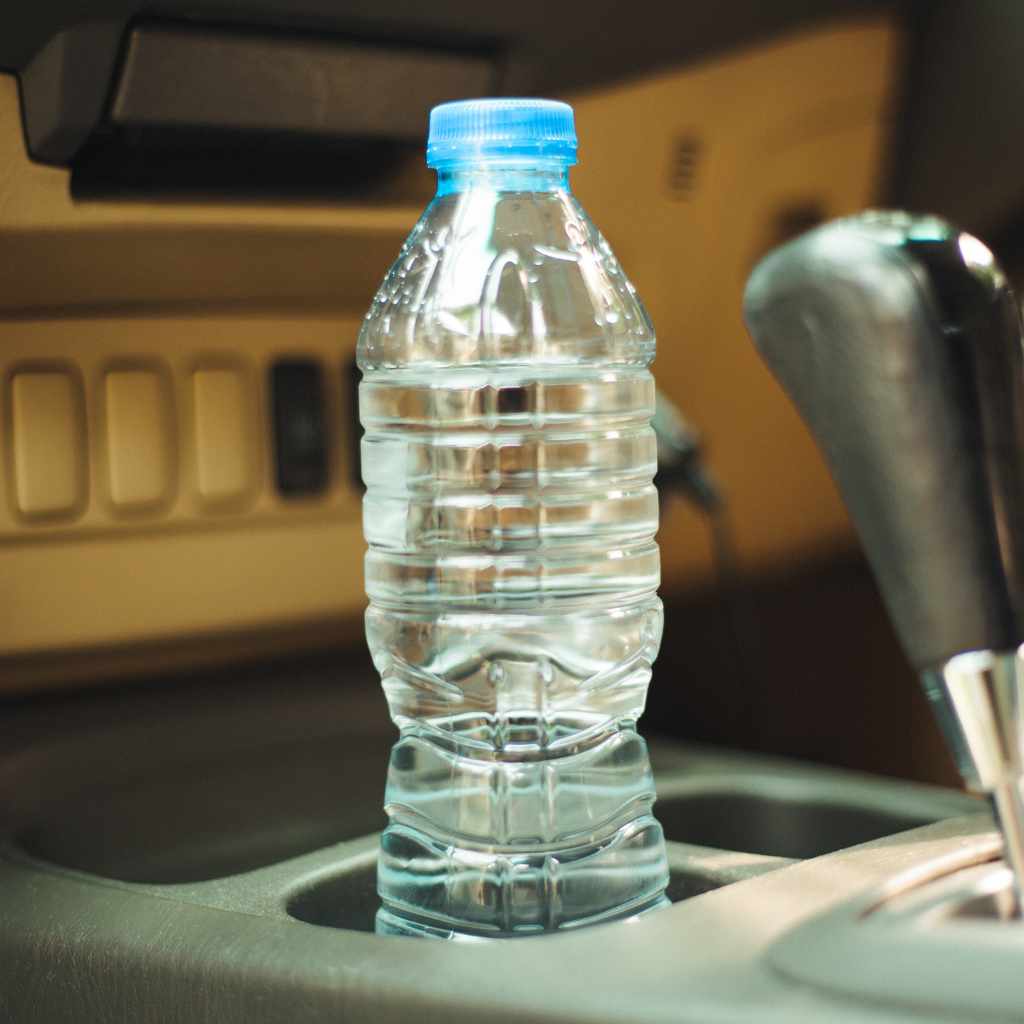
Is Water Left in Car Safe to Drink? Shocking Truth Revealed
Have you ever reached into your car’s cup holder and wondered if that water bottle left behind is still safe to drink? It’s a common question that many people face, especially when you’re thirsty on the go.
But before you take that sip, there are important things you need to know. Drinking water that’s been sitting in your car could affect your health in ways you might not expect. Keep reading to find out what really happens to water left in your car and how to protect yourself from hidden risks.
Your health depends on it.
Water Quality In Cars
Water left inside a car can change in quality quickly. The car’s closed space affects the water in many ways. It is important to understand these changes before drinking it. The water may look clear but still be unsafe.
Several factors affect water quality in cars. Temperature, bacteria, and chemicals all play a role. Knowing these risks helps you stay safe and healthy.
Temperature Effects
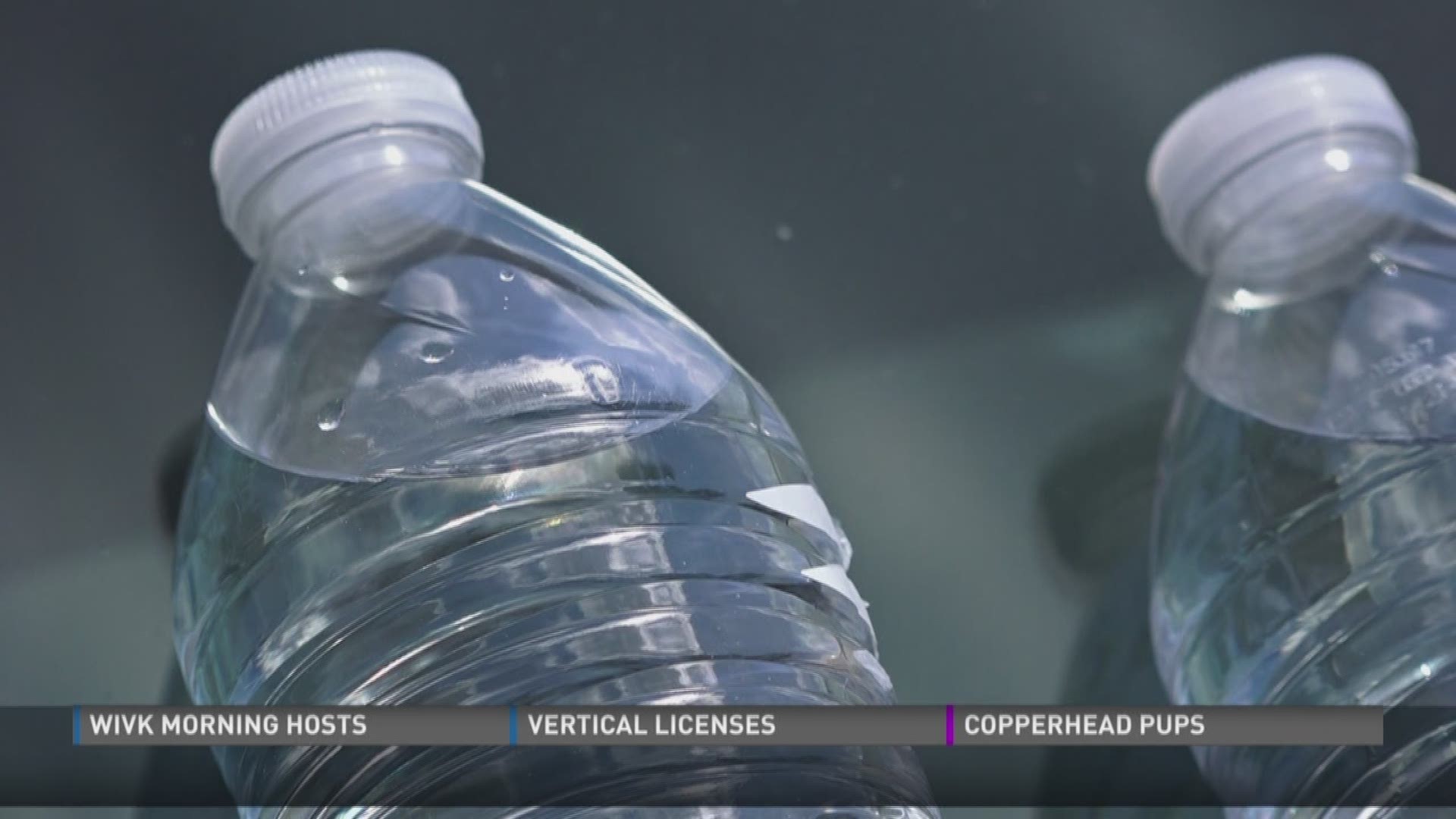
Cars heat up fast under the sun. Water inside bottles or containers becomes very warm. Hot water can taste bad and lose freshness. High temperatures also break down plastic containers. This can release harmful substances into the water.
Bacterial Growth Risks
Warm water is a perfect place for bacteria to grow. Bacteria multiply quickly in water left for days. Drinking this water can cause stomach problems. Even sealed bottles are not safe after long heat exposure.
Chemical Contamination
Plastic bottles may release chemicals when heated. These chemicals mix with the water inside. Chemicals like BPA can harm your body. Using metal or glass bottles reduces this risk. Always check your container type before storing water in cars.
Credit: www.wbir.com
Health Risks Of Drinking Stored Car Water
Water left in a car is not always safe to drink. Heat and sunlight can change water quality fast. Bacteria and chemicals can grow in stored water. Drinking this water can cause health problems. Understanding the risks helps protect your health.
Common Illnesses
Drinking stored car water can cause stomach infections. Bacteria like E. coli and Salmonella can multiply in warm water. These germs cause food poisoning and diarrhea. Some chemicals from plastic bottles may leak into water. This can lead to headaches and nausea. Mold and algae growth also risk allergic reactions.
Symptoms To Watch For
Look for stomach pain, cramps, or diarrhea after drinking stored water. Nausea and vomiting are common signs of illness. Fever and chills may appear if infection worsens. Headaches and dizziness can signal chemical exposure. Seek medical help if symptoms last more than two days.
Factors Affecting Water Safety
Water left in a car may not always be safe to drink. Several factors can change its quality and safety. Understanding these factors helps you decide if the water is okay to drink or not.
Duration Of Storage
The longer water stays in a car, the more it can get contaminated. Bacteria and algae can grow over time. Fresh water is safer than water stored for days or weeks.
Type Of Container
The container holding the water affects its safety. Plastic bottles can release harmful chemicals if heated. Glass or stainless steel containers keep water safer for longer.
Exposure To Sunlight
Sunlight heats the water and container. This warmth helps bacteria grow quickly. Water kept in the dark or cooler places stays safer than water exposed to sunlight.
Myths About Car Water Safety
Many people believe water left in a car is safe to drink. This idea is common but not always true. Heat and sunlight can change water quality inside a parked car. Understanding these myths helps keep you safe.
Water stored in cars can develop harmful bacteria or chemicals. Some myths suggest simple fixes, but they may not work well. Learn the facts behind these common beliefs.
Boiling As A Solution
Boiling water kills most germs. People think boiling car water makes it safe. But chemicals from plastic bottles or containers stay even after boiling. Boiling does not remove harmful chemicals.
Boiling is good for killing bacteria but not for removing toxins. Water left in hot cars can absorb dangerous chemicals. These chemicals do not break down with heat.
Filtered Water Assumptions
Many assume filters clean all car water. Filters catch dirt and some germs. But most do not remove chemical pollutants from plastic or heat. Filtering alone may not make water safe.
Some filters work better than others. Not all filters remove harmful chemicals created by heat. Check the filter type before trusting it with car water.
Safe Practices For Storing Water In Cars
Storing water in a car requires careful attention to keep it safe and clean. Heat, sunlight, and time can affect water quality. Following safe practices helps avoid bacteria growth and plastic leaching. These tips ensure your water stays fresh and drinkable.
Proper storage also prevents bad taste and odors. Always plan ahead and keep water containers clean and sealed. This way, your water remains safe for emergencies or daily use.
Best Containers To Use
Choose containers made of food-grade plastic or stainless steel. Avoid thin plastic bottles that can break down in heat. Glass bottles are good but risk breaking inside cars. Look for BPA-free labels on plastic containers. Wide-mouth containers make cleaning easier. Use containers with tight lids to stop leaks and contamination.
Storage Tips
Keep water containers out of direct sunlight. Place them in a cool, shaded area inside the car. Store water in smaller amounts to use up faster. Avoid leaving water in the car for more than a week. Rotate stored water regularly to keep it fresh. Seal bottles tightly to prevent dust and bugs from entering.
Regular Cleaning
Clean water containers before each refill. Use warm water and mild soap to wash them. Rinse containers thoroughly to remove soap residue. Dry containers completely before adding new water. Clean lids and caps as well. Regular cleaning stops bacteria and mold growth.
Credit: kroc.com
When To Avoid Drinking Water From Your Car
Water left inside a car may seem like a quick way to stay hydrated. Yet, it is not always safe to drink. Heat and time can change the water’s quality fast.
Knowing when to avoid drinking this water is important. Some situations make the water risky for your health.
Water Stored In Plastic Bottles For Too Long
Plastic bottles can release harmful chemicals after long heat exposure. These chemicals mix with water and affect its safety. Drinking such water may cause stomach problems.
Water Stored In Dirty Containers
Containers that are not clean can hold bacteria and germs. These microbes grow faster in warm water. Drinking this water can lead to infections and illness.
Water Exposed To Direct Sunlight
Sunlight heats water inside the car quickly. Warm water is a perfect place for bacteria to grow. Avoid drinking water left in direct sunlight for hours.
Water With Strange Taste Or Smell
Water that tastes or smells odd should not be drunk. Changes in taste or smell often mean contamination. This water can cause nausea or stomach upset.
Water Left In The Car For More Than 24 Hours
Water stored for over a day inside a car loses freshness. Bacteria and algae can develop during this time. Drinking old water increases the risk of illness.

Credit: www.springwellwater.com
Frequently Asked Questions
Is Water Left In A Car Safe To Drink?
Water left in a car can become unsafe to drink. Heat causes plastic bottles to release harmful chemicals. Bacteria can also grow in warm conditions. It’s best to avoid drinking water stored in a hot car for long periods.
How Long Can Water Stay Safe In A Car?
Water can stay safe for a few hours in a cool car. However, in hot conditions, safety decreases quickly. After 2-4 hours in heat, bacteria and chemicals may contaminate the water. Always check water quality before drinking.
Does Heat Affect Water Safety In Cars?
Yes, heat affects water safety in cars. High temperatures speed up bacterial growth and chemical leaching from plastic bottles. This makes water unsafe to drink after exposure to heat. Always store water in a cool, shaded place.
Can Plastic Bottles In Cars Release Harmful Chemicals?
Plastic bottles can release harmful chemicals when heated. Chemicals like BPA may leach into the water. Drinking such water can pose health risks. Use BPA-free bottles and avoid leaving water in hot cars.
Conclusion
Water left in a car can easily become unsafe to drink. Heat and sunlight make bacteria grow quickly inside the bottle. Plastic bottles can release harmful chemicals when hot. Always check the water’s smell and taste before drinking. When unsure, it is better to avoid drinking it.
Staying safe means drinking fresh, clean water. Keep water stored in a cool place whenever possible. Your health is worth the extra care with water safety.