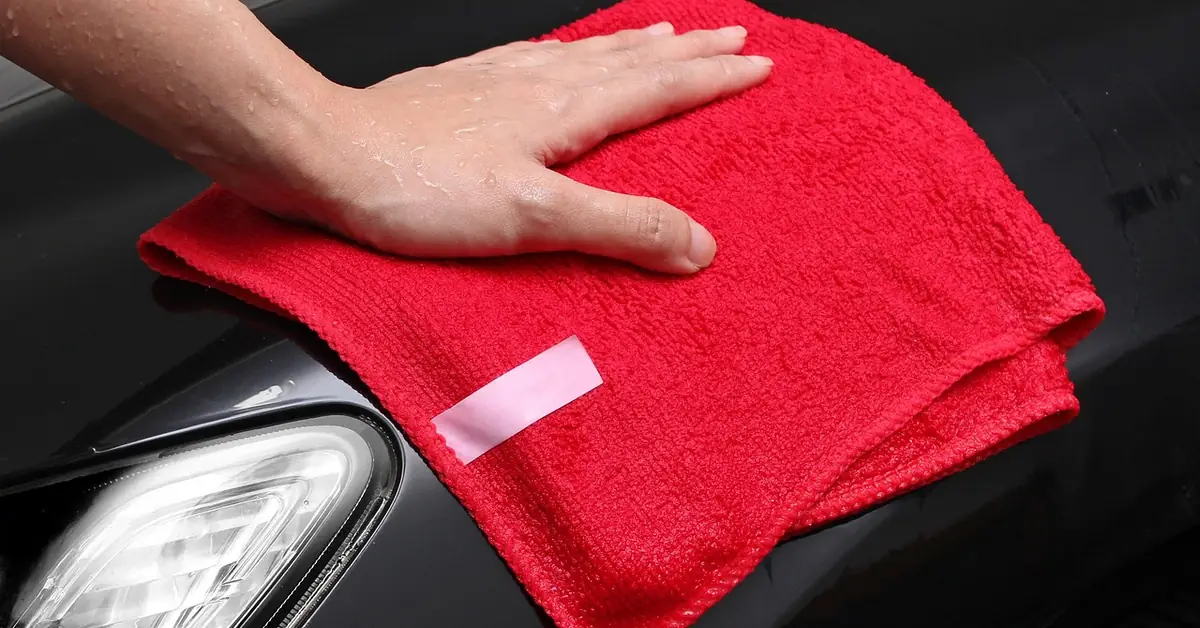
Light Cleaner for Car: Headlight Wipes vs. Restoration Kits
A light cleaner for a car is a wipe or spray — like Armor All’s headlight wipes — that lifts road film and light haze from headlights and glass without sanding. Skip it and dirty lenses cut nighttime visibility; AAA testing found oxidized headlights put out just 22% of the light new ones do. This guide covers when a quick wipe is enough, when you need a full restoration kit instead, and how to apply either one correctly.
Insert your Affiliate Disclosure reusable block here.
Quick Answer
A light cleaner for a car — wipes like Armor All or a spray like Invisible Glass — removes dust, film, and light haze from headlights and windows in under five minutes, no sanding required. If your headlights are yellowed or cloudy rather than just dirty, use a full restoration kit instead.
Light Cleaner vs. Headlight Restoration Kit: Which Do You Need?
Not every hazy headlight needs a full restoration. If your lenses are still clear but coated in dust, bug residue, or road film, a wipe-on or spray light cleaner removes it in minutes. If the plastic itself has turned yellow, cloudy, or chalky — a sign of UV oxidation, not surface dirt — a wipe won’t fix it. That level of damage sits below the surface and needs sanding or a chemical restoration kit to remove.
| Cleaner Type | Best For | Time | Tools Needed |
|---|---|---|---|
| Light cleaner wipe or spray | Dust, road film, light surface haze | Under 5 minutes | None |
| Headlight restoration kit | Yellowed, cloudy, or oxidized lenses | 30–45 minutes | Sanding pads (most kits) |
| Automotive glass cleaner | Streaks, smudges, water spots on windows | Under 5 minutes | Microfiber cloth |
If your headlights fall into the oxidized category, our best headlight restoration kits guide compares full sanding-and-coating kits, and how to clean car headlight glass walks through the DIY wet-sanding method step by step. The rest of this guide focuses on everyday light cleaners — the quicker option for lenses and glass that just need a wipe-down.
Top Light Cleaner Picks for Headlights and Windows
These four picks cover the two jobs a “light cleaner” usually means: quick headlight wipes for haze and dirt, and streak-free glass cleaner for the windows the same title promises. None require sanding or power tools.
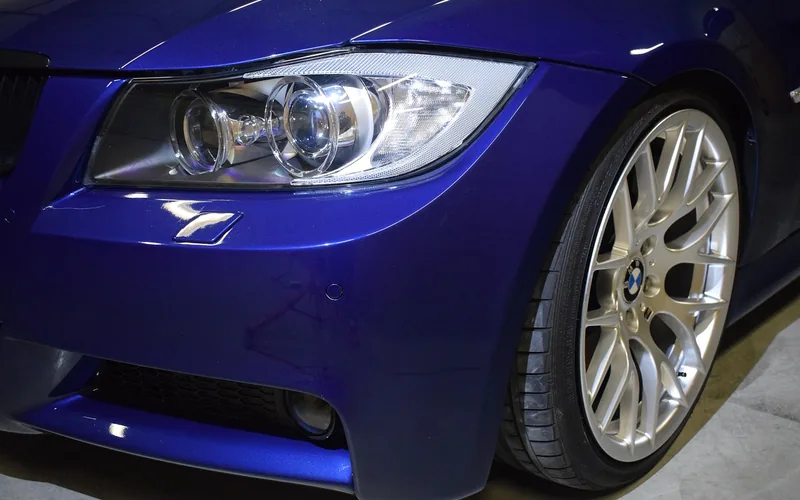
Best Light Cleaner Pick
Armor All Car Headlights Cleaner Wipes (6-Pack) – $12.99
A pre-moistened wipe built for exactly the light-haze, road-film scenario covered above — no sanding, no drying time, and small enough to keep in the glovebox for a quick wipe before a night drive.
- Best for: Dusty or filmy headlights that aren’t yellowed or oxidized
- Why we picked it: Single-step wipe matches the “under 5 minutes, no tools” cleaner category in our comparison table
- Main drawback: Only 6 wipes per pack — won’t touch true oxidation, see our restoration kit guide for that
Compare more light cleaner options
 Option 1 Invisible Glass Aerosol Cleaner (2-Pack) – $10.36
|
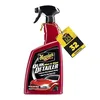 Option 2 Meguiar’s Quik Detailer, 32 oz – $13.99
|
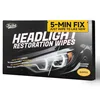 Option 3 toretark 5-Min Fix Wipes – $5.99
|
As an Amazon Associate we earn from qualifying purchases.
How to Use a Light Cleaner on Headlights and Windows
The steps are nearly the same whether you’re using a wipe or a spray — the only difference is applying the product straight from the packet versus spraying it onto a cloth first.
- Rinse the surface first: Hose off loose dirt and grit before wiping so you’re not grinding debris into the lens or glass.
- Apply the cleaner: Open a wipe or spray the cleaner directly onto a microfiber cloth — never spray directly onto a hot headlight or window in full sun.
- Work in small sections: Wipe in overlapping circular motions across one headlight or window pane at a time.
- Buff with a dry microfiber towel: Remove any leftover residue before it dries into streaks.
- Check the result in daylight: Inspect for missed haze or streaks and repeat on any spot that still looks dull.
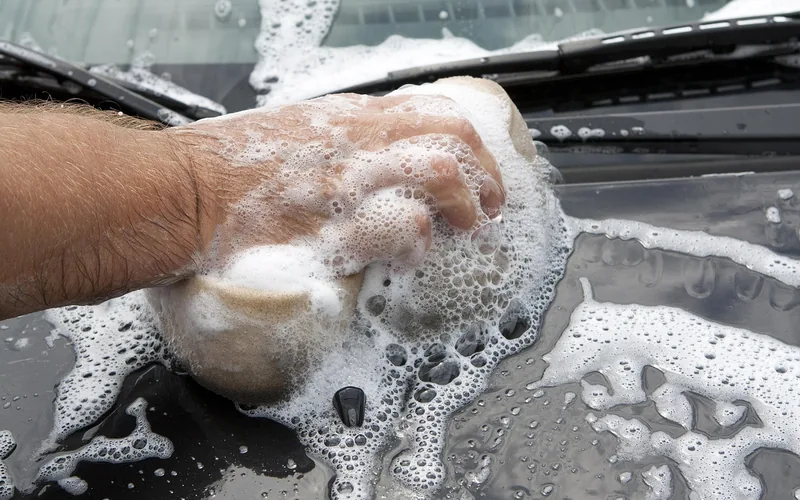
Why Clean Headlights Actually Matter for Safety
📊 Deteriorated headlights on low beam put out just 22% of the light output of new ones — Source: AAA Newsroom, 2018
That drop in light output isn’t cosmetic. The same AAA research found professional and DIY restoration brings output back to roughly 70% — which is why a genuinely oxidized lens needs a real restoration kit, not just a wipe.
“Driving at night with headlights that produce only 20 percent of the light they did when new, which is already subpar, is a risk drivers shouldn’t take.”
What to Look for When Buying a Car Light Cleaner
- Match the product to the problem: a wipe or spray for dust and light film, a full restoration kit for yellowing or oxidation.
- Check for UV protection in the formula — this is what slows haze from coming back after you clean the lens.
- Avoid ammonia-based glass cleaner on headlight lenses. Most headlights are polycarbonate plastic, not glass, and ammonia can strip the protective coating and cause hazing over time — keep glass cleaner for the windows only.
- Buy from a seller with a return policy in case a specific formula reacts poorly with your headlight’s existing coating.
Frequently Asked Questions
What is a light cleaner for a car?
A light cleaner for a car is a wipe or spray product that removes dust, road film, and light surface haze from headlights, taillights, and windows. It’s a maintenance product, not a repair — it doesn’t remove yellowing or oxidation baked into the plastic.
How often should I clean car headlights?
Clean your headlights about once a month during regular car washes, and more often — every two weeks or so — if you drive on dusty, rural, or gritty winter roads. Regular wiping keeps grime from building into a haze that a quick wipe can no longer remove.
Can a light cleaner damage car lights?
A cleaner made specifically for headlights is safe when used as directed. The risk is using the wrong product: ammonia-based household glass cleaner can strip the protective coating on plastic headlight lenses and cause hazing over time, so keep glass cleaner for the windows and use a headlight-specific wipe or spray on the lenses.
What are the benefits of using a light cleaner?
Regular cleaning keeps headlights and windows clear, which improves nighttime visibility, helps you pass a visual safety inspection, and prevents dust and film from turning into the kind of baked-in haze that eventually requires a full restoration kit to fix.
Can I use glass cleaner on headlights?
Not as a regular habit. Most headlights are polycarbonate plastic, and ammonia-based glass cleaners formulated for glass can strip the plastic’s protective UV coating and cause hazing. Use a wipe or spray labeled for headlights instead, and save the glass cleaner for the actual windows.
Do headlight cleaner wipes really work?
Yes, for what they’re designed to do: lifting dust, road film, and light surface haze in a few minutes. They won’t reverse deeper yellowing or oxidation the way a sanding-based restoration kit can — for that level of damage, wipes only mask the problem briefly.
The Bottom Line
A light cleaner handles the dust and film that build up between washes — a two-minute job that keeps headlights and windows clear. Once a lens turns genuinely yellow or cloudy, no wipe will fix it; that’s when a full restoration kit or the DIY sanding method takes over. Clean lights aren’t just about looks — they’re a real, measurable part of seeing and being seen on the road at night.
Products related to this article
Sponsored / affiliate links. As an Amazon Associate I earn from qualifying purchases. I may earn additional commission from eligible campaigns.